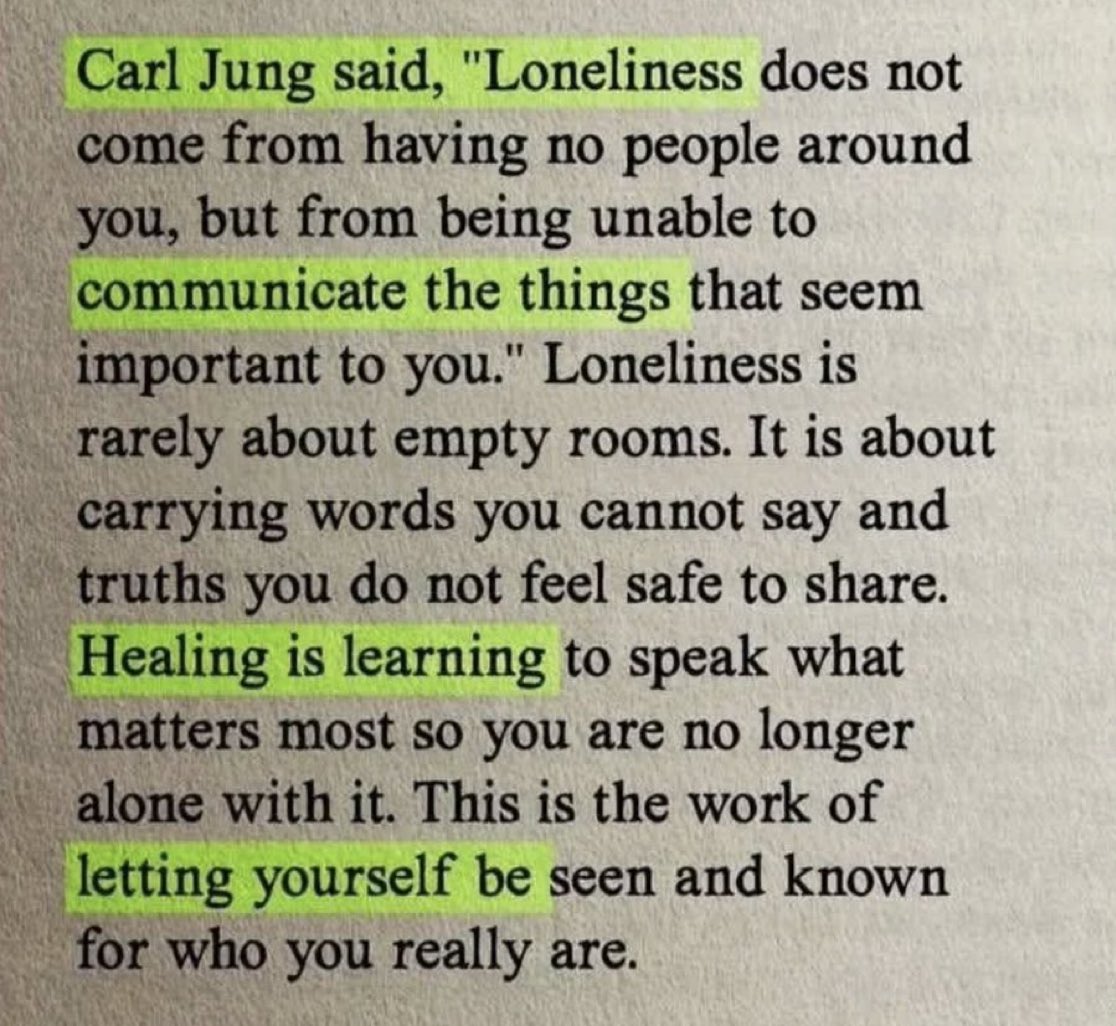
This is …. And I don’t say this lightly…. The single greatest piece of writing I have ever seen in my life
The Japanese have discovered unlimited chips & salsa and it’s beautiful
Winston Churchill fought his depression with bricks. He'd lay them for hours at his country home in Kent. He joined the bricklayers' union. And in 1921 he wrote about why it worked. It took psychology another 75 years to catch up.
He called his depression the "Black Dog." It followed him for decades. His method for fighting it back was as basic as it sounds: laying brick after brick, hour after hour.
Churchill spelled out his theory in a long essay for The Strand Magazine. People who think for a living, he wrote, can't fix a tired brain just by resting it. They have to use a different part of themselves. The part that moves the eyes and the hands. Woodworking, chemistry, bookbinding, bricklaying, painting. Anything that drags the body into a problem the mind can't solve by itself.
Modern psychology now calls this behavioral activation. It's one of the most-studied depression treatments out there. Depression sets a behavior trap. You feel bad, so you stop doing things, and doing less means less to feel good about. Feeling worse makes you do even less. The loop tightens until you can't breathe inside it.
Behavioral activation breaks the loop from the action side. You schedule the activity first, even when every part of you doesn't want to. Doing it produces small rewards: a wall gets straighter, a painting fills in, a messy room gets clean. Those small rewards slowly rewire the brain. Action comes first, and the feeling follows.
Researchers at the University of Washington put this to the test in 2006. They studied 241 adults with major depression and compared three treatments: behavioral activation, regular talk therapy, and antidepressants. For the people who were most severely depressed, behavioral activation matched the drugs. It beat the talk therapy. A 2014 review of more than 1,500 patients across 26 trials backed up the result.
Physical work like bricklaying does something extra on top of this. It crowds out rumination, the looping bad thoughts that grind people down during the worst stretches of depression. Bricklaying needs both hands and gives feedback brick by brick: each one is straight or crooked. After an hour you can see exactly how much wall you built. No room left for the mental chewing.
The line George Mack used in his post, "depression hates a moving target," is good poetry. The science behind it is sharper. Depression hates a brain that has somewhere else to be.
A great wife doesn’t just love you.
She’s loyal, makes the house a home, helps you chase your dreams while building her own, doesn’t talk down on you or try to embarrass you and makes you better.
A woman like that changes you. Thank God if you find one. I love you baby ❤️
Listen up, atheists...
The mathematical probability that just ONE functional protein forms through random mutations under the pressure of natural selection is astronomically low. So low, in fact, that estimates push the required time beyond a trillion trillion years.
Yes, you read that right.
Over one trillion trillions.
Take a trillion, then multiply that by a trillion…
and keep going. That's older than the known universe.
That's how many years you would need for it to be more likely than not (>50% chance) that just ONE functional protein forms through the currently accepted evolutionary process (BTW: this also assumes the surrounding biological machinery needed to make and use that protein is already in place).
Biology operates on coded information (the genetic code). And when you’re dealing with code, you can calculate probabilities.
Think of it like a bike lock. If you know the number of possible combinations versus the one correct sequence, and how long each attempt takes, you can estimate how long it would take to crack it by chance. Now scale that up to the complexity of functional biological sequences.
Essentially, the math tells us that the known universe isn't even old enough for just one functional protein to have formed without guided influence (intelligent design), let alone all the complexity of life that we see today.
The very existence of life in our universe SCREAMS the existence of a creator.
Thank you,
Have a blessed day
After a certain age, your parents slowly become your children. They ask simple questions, repeat stories, and depend on your patience the way you once depended on theirs. Very few understand this role reversal.What looks like innocence or inconvenience is really time coming full circle. Don't correct them harshly. Don't rush them. Care for them the way they once protected you. This is not a burden. It is repayment.
Reminder for all young parents:
You only get:
- 1 Summer with your baby
- 3 with your toddler
- 9 with your child
- 5 with your teenager
This time is precious. Don’t rush it.