#JobOpportunity@PIK_Climate: We are looking for a postdoc or research analyst working with us on energy systems modeling of decarbonization pathways for the transport system https://t.co/AhcNtdu0gG.
A broad coalition of transport companies, shippers, and industry stakeholders are calling EU policy makers to adopt revised CO2 standards for trucks.
On 10 April, MEPs will vote on the new regulation. Find out why they should vote in favour 👇
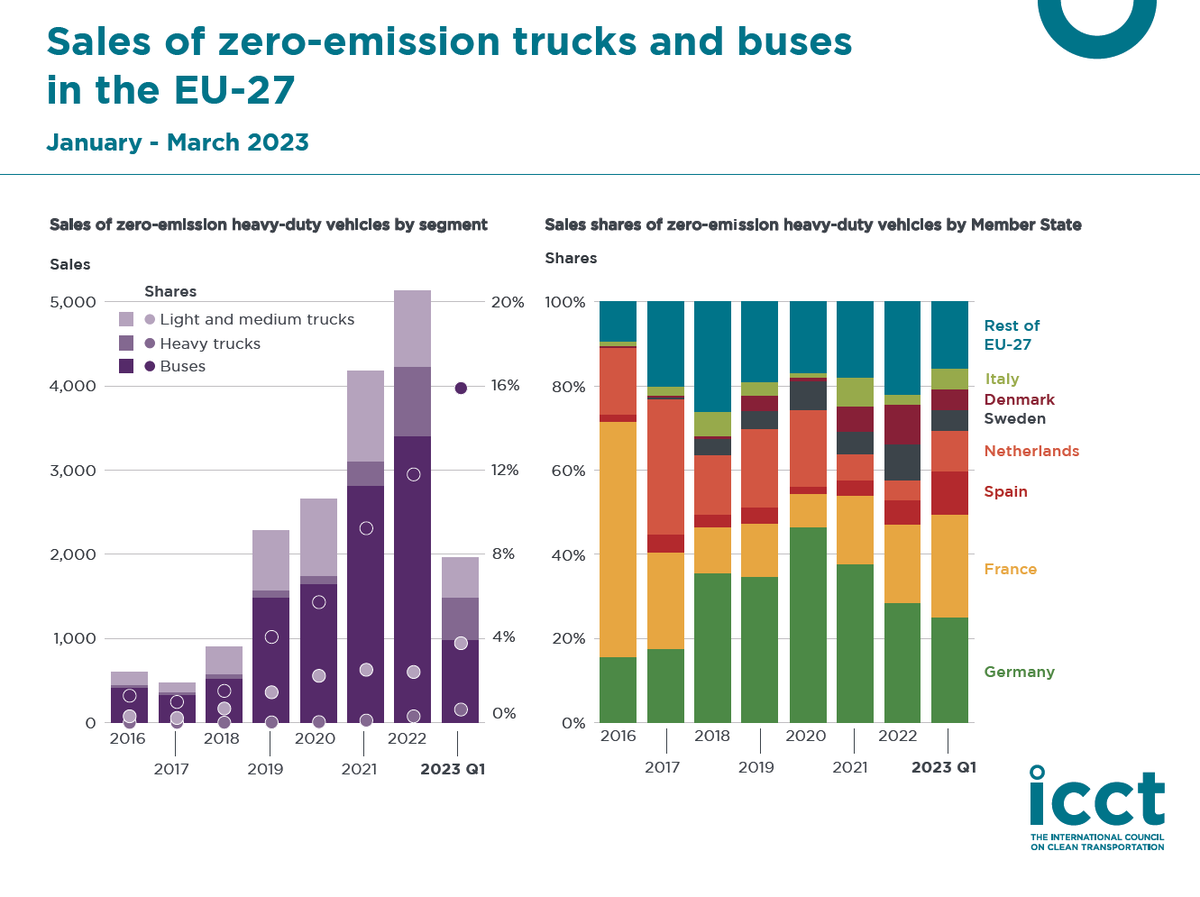
The demand for zero-emission #trucks and #buses is shifting market dynamics in Europe. 🚚🚌
EU-based manufacturers have dominated the market from 2013 to 2023, but new players have entered the market in recent years.
All details in our market monitor: https://t.co/rKdAihKPyp
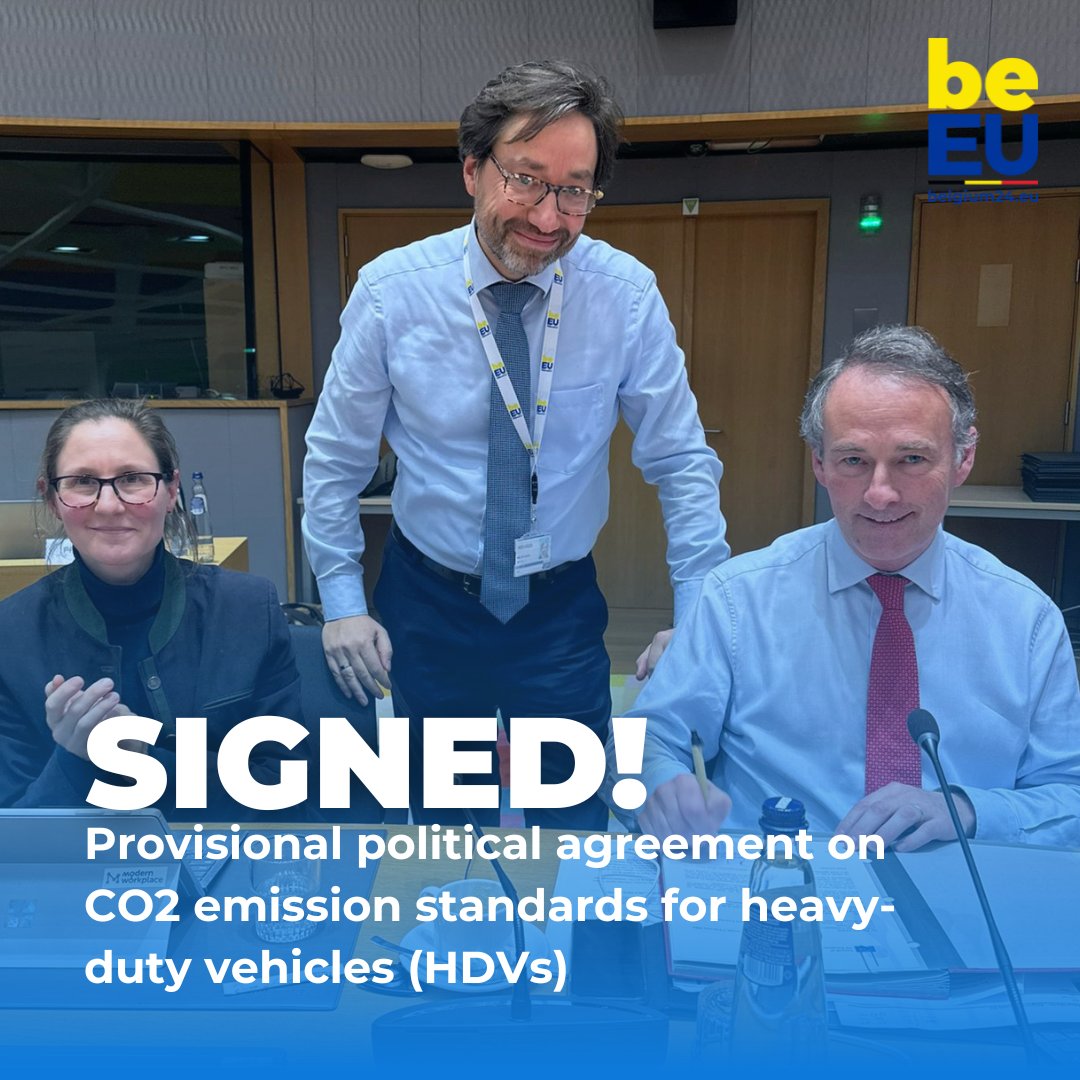
🚛 Today, Ambassadors confirmed a provisional agreement on lowering CO2 emissions from trucks, buses and trailers, the so-called heavy-duty vehicles (#HDVs).
Its aim is to further reduce CO2 emissions in the road transport sector & to introduce new targets for 2030, 2035 & 2040.
🚛🚨 Germany will vote IN FAVOUR of the EU's CO2 standards for trucks, a government source told @Euractiv, which comes under the condition that a new category of vehicles for trucks running exclusively on e-fuels will be created.
Vote today at 14:30, says an EU diplomat.
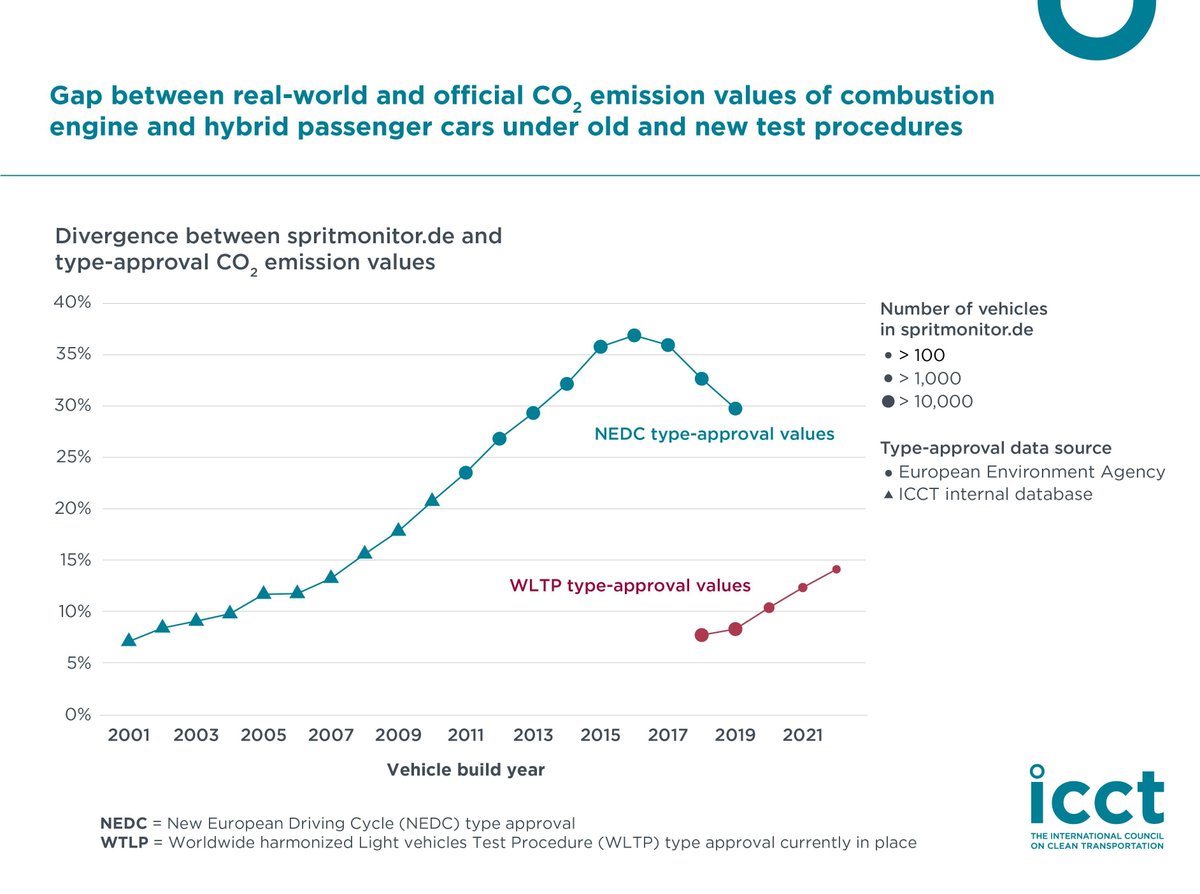
Are real-world #CO2 emissions of new European cars converging or diverging with official values under the WLTP test procedure?🚗🚐💨
Fuel consumption data reported by consumers shows real-world emissions were 8% higher than official values in 2018 and 14% higher in 2022.
🧵👇
I discussed the mirage of guilt-free flying with @BBC_Future: "Even if SAF does replace an increasing proportion of fossil fuels for aviation purposes, the overall benefit could be wiped out by the rapidly growing airline industry"
https://t.co/KCysEbLP2S
@TheICCT@UCC
The zero-emission market for trucks and buses in Europe is evolving rapidly. To keep pace, we've started to publish a more regular market monitor, every quarter
We've just published data from Q1 of 2023, with Q2 and Q3 to soon follow
https://t.co/v3xjBqnchS
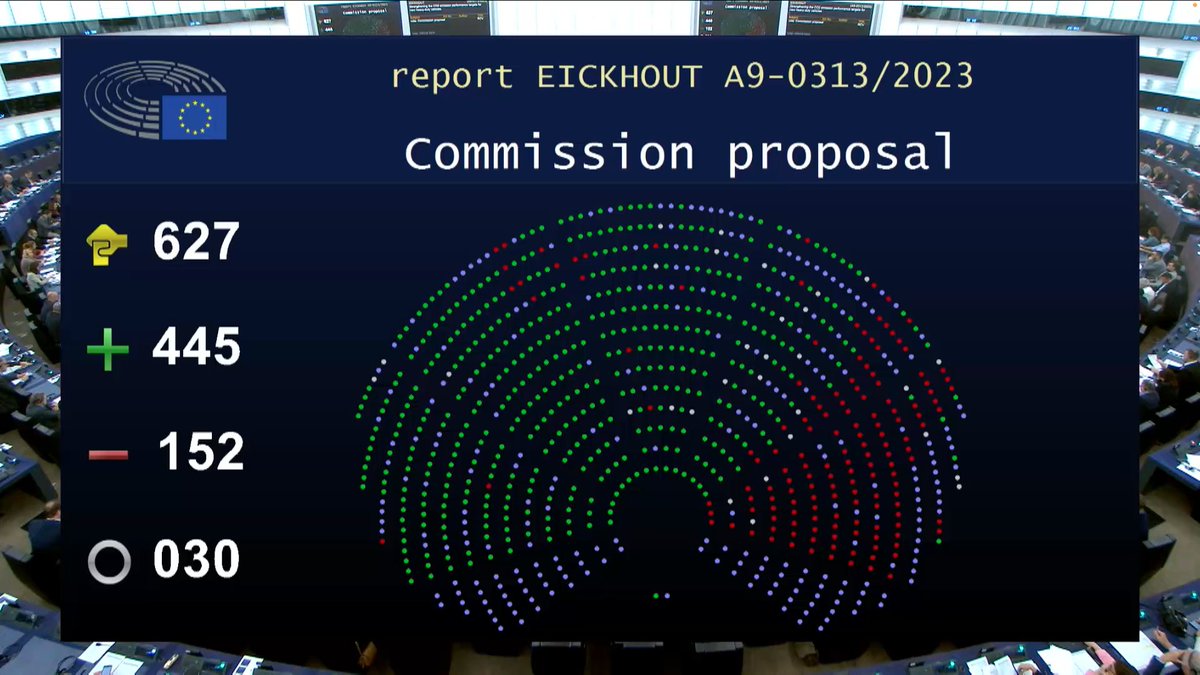
The @EUparliament has just voted on the CO2 standards for 🚛&🚌 in the EU. It now means that trucks will emit:
⬇️ 45% less CO2 in 2030
⬇️ 65% less CO2 in 2035
⬇️ 90% less CO2 in 2040
It also increases the scope to cover more vehicles, like refuse trucks and light trucks.
Curbing CO2 emissions from #trucks will depend on the economic performance of the technologies and #fuel options in the market. 🚚💨
🚨Our new study compares the total cost of ownership of various truck pathways to cut emissions in Europe.
A🧵to explore our 3⃣ key findings.👇
Next week the @Europarl_EN will vote on the CO2 standards for 🚚&🚌. There's been a big push to include the role of alternative fuels, just like we saw in the car and van standards last year. I wrote in Euractiv explaining why this would be such a bad idea https://t.co/gsaAy9lbpG
@Lainey_Doyle@EUCouncil@EU_Commission About 8 out of 10 trucks sold in 2040 will be either electric or hydrogen fuel cell to meet the standards. You can see our analysis of the proposal here: https://t.co/kwjtFe08Gz
We have a deal! Last night the @EUCouncil agreed to the CO2 standards for trucks and buses proposed by the @EU_Commission. At its core it means 🚛&🚌 must emit:
-43% CO2 by 2030
-64% CO2 by 2035
-90% CO2 by 2040
But some slight things changed in the negotiations: A quick 🧵👇
This is a great step for 🇪🇺 in setting a world leading standard for trucks and buses. The file has a few more hurdles to jump, with its first a vote early next week in the Parliament's ENVI committee, and its second a vote in plenary in late November.