check out CBRE and the School of Biological Science's Dr Alice Rogers on Our Changing World Podcast, talking about Fiordland's sharks: https://t.co/cKFcRwMXHa
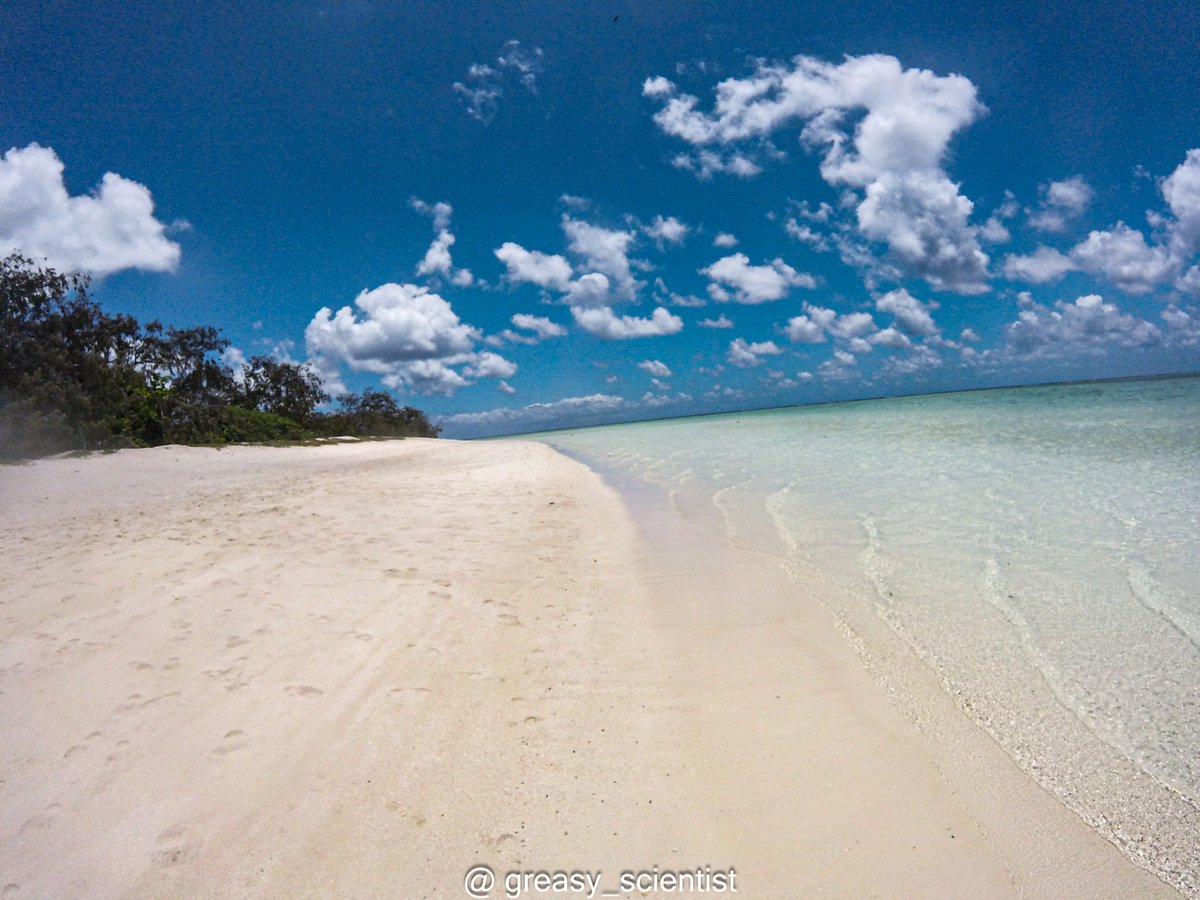
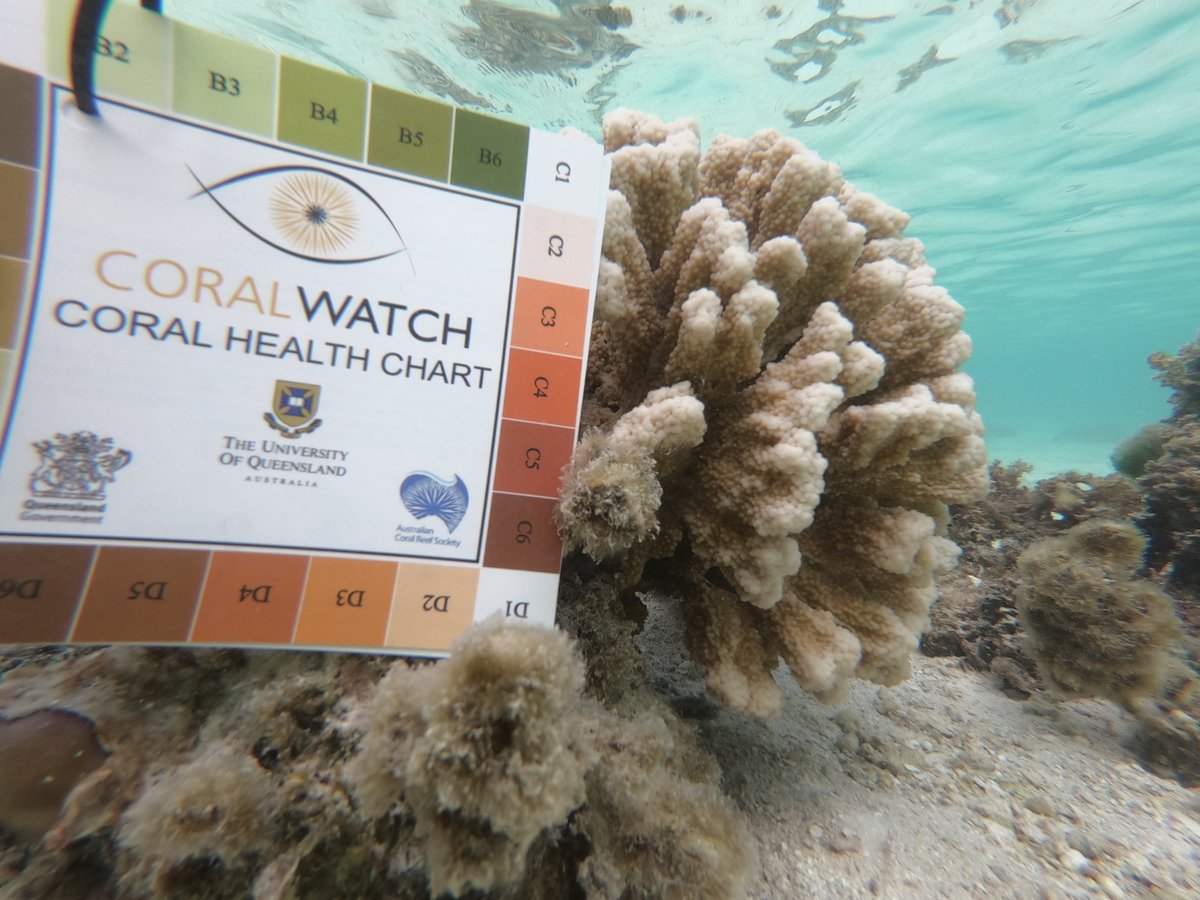
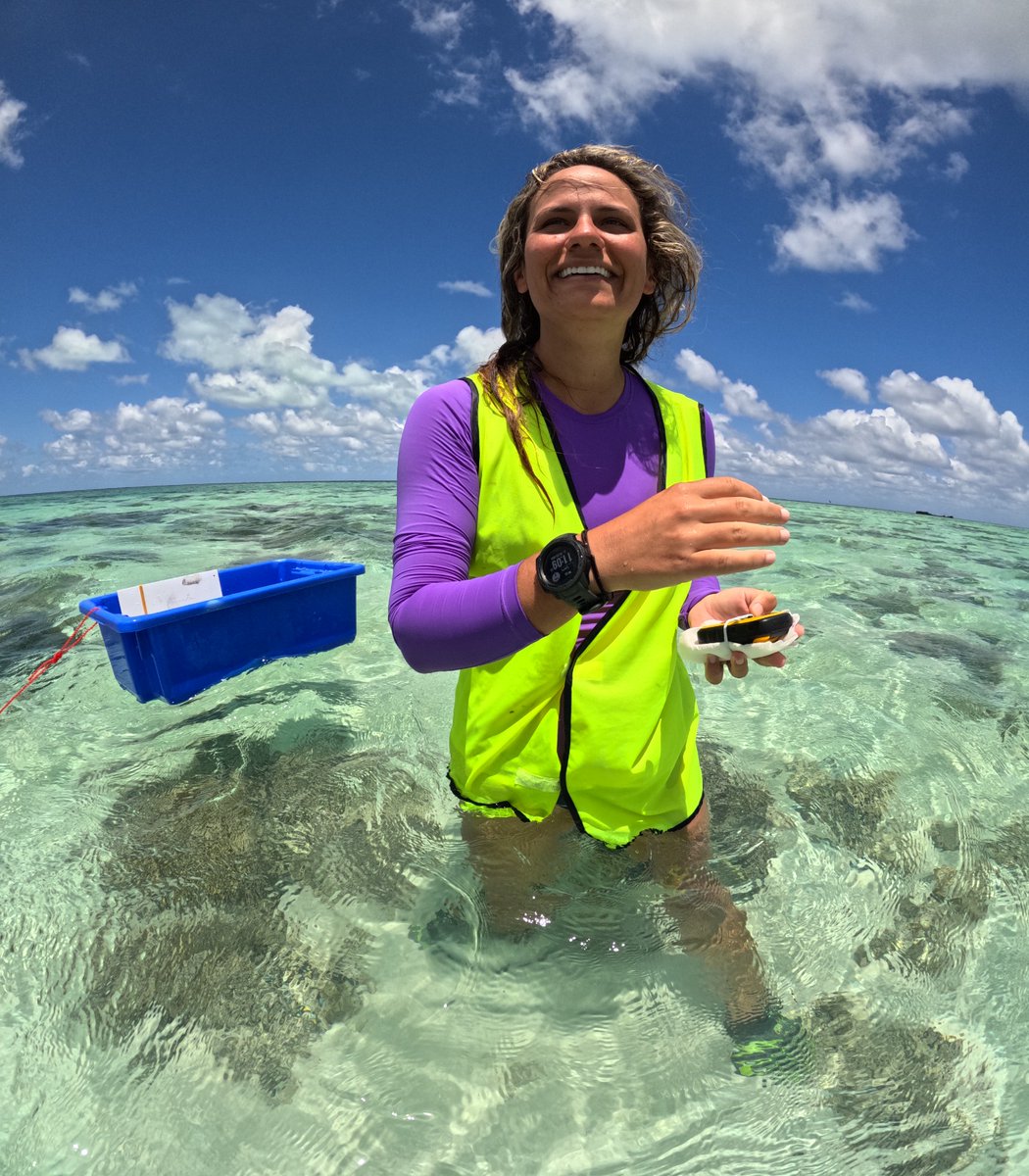
@MarinaBotana was this year's recipient of the David Day award, managed by CBRE. Her work seeks to determine the role of lipids symbiont responses to coral bleaching. Check out some images of her work on Heron Island (Great Barrier Reef) during the mass bleaching event this year
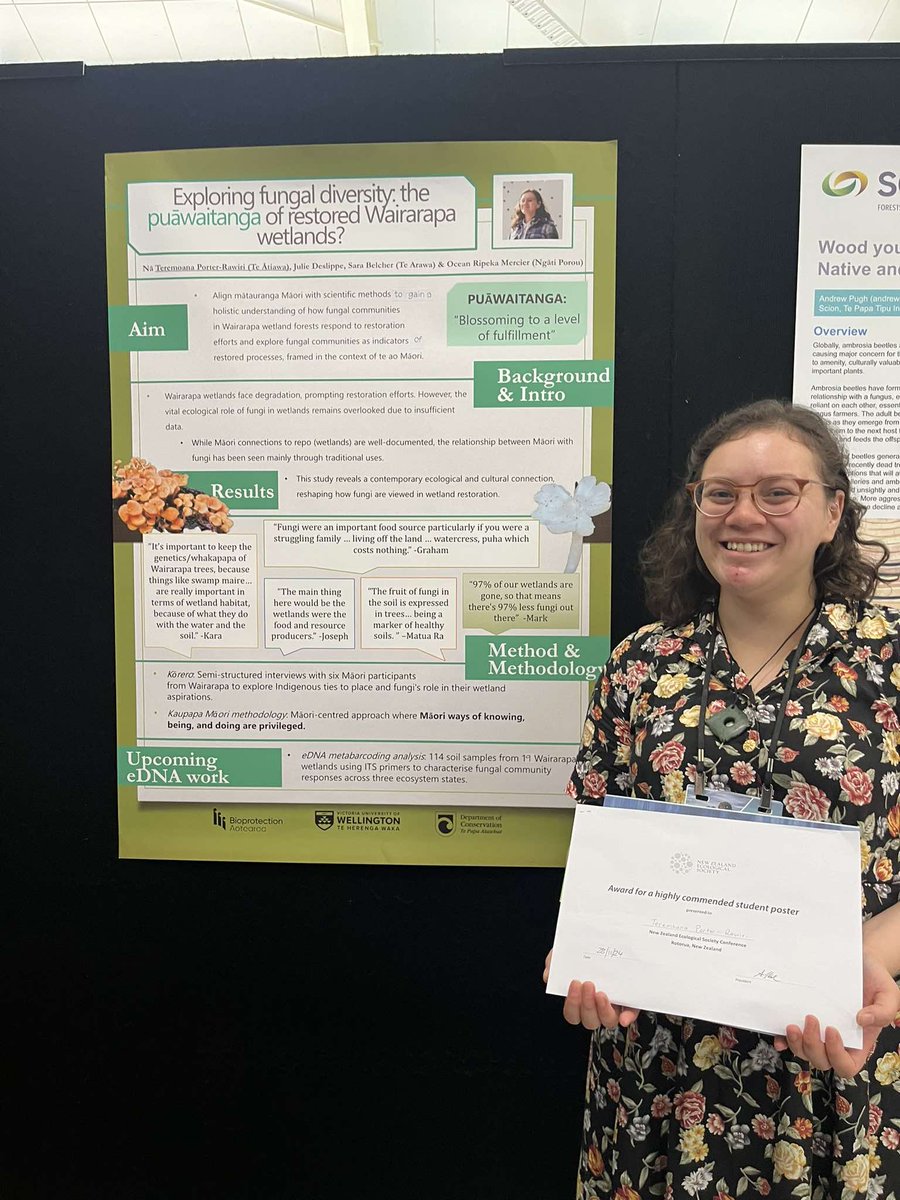
Congrats to Tere Porter-Rawiri and Pearl Ruston for highly commended student posters at the 2024 New Zealand Ecological Society meeting in Rotorua. They both work with CBRE member Dr @DeslippeJulie on her project Understanding ecosystem health in the Wairarapa. Congrats both!
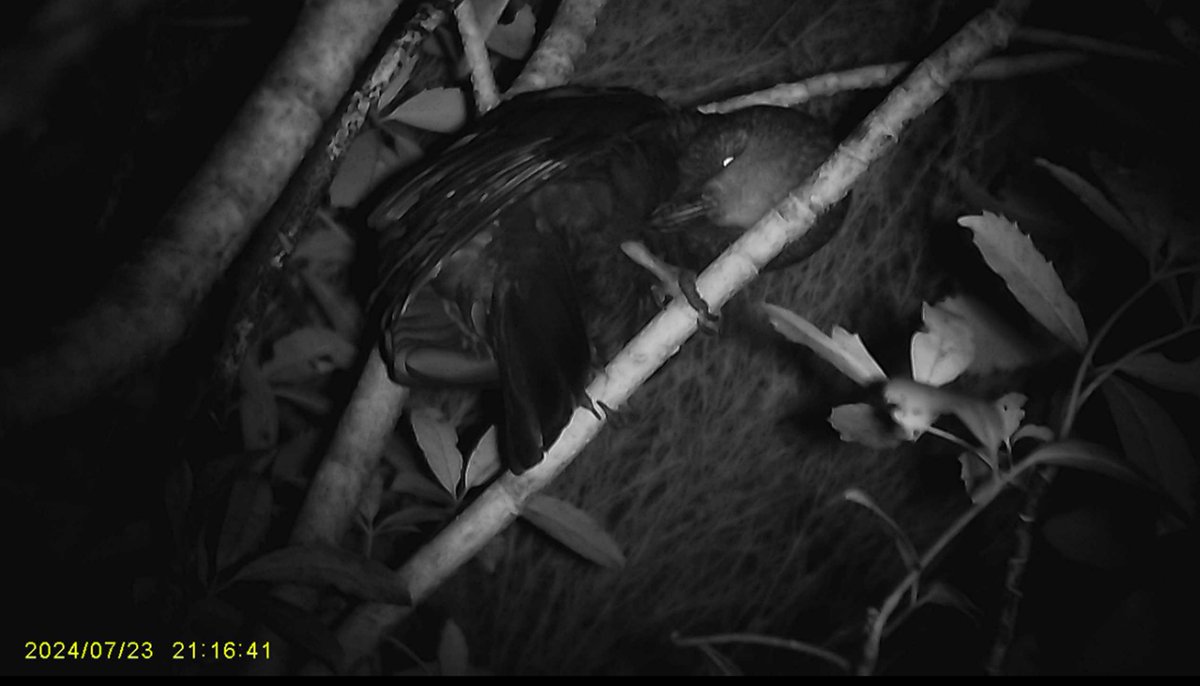
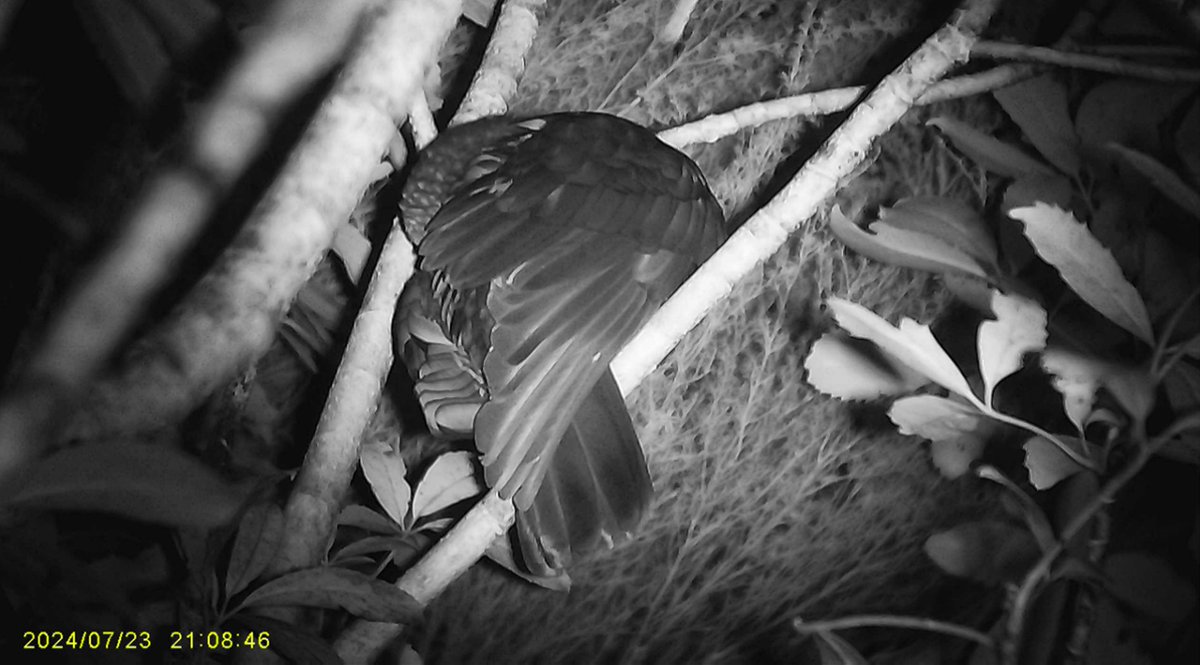
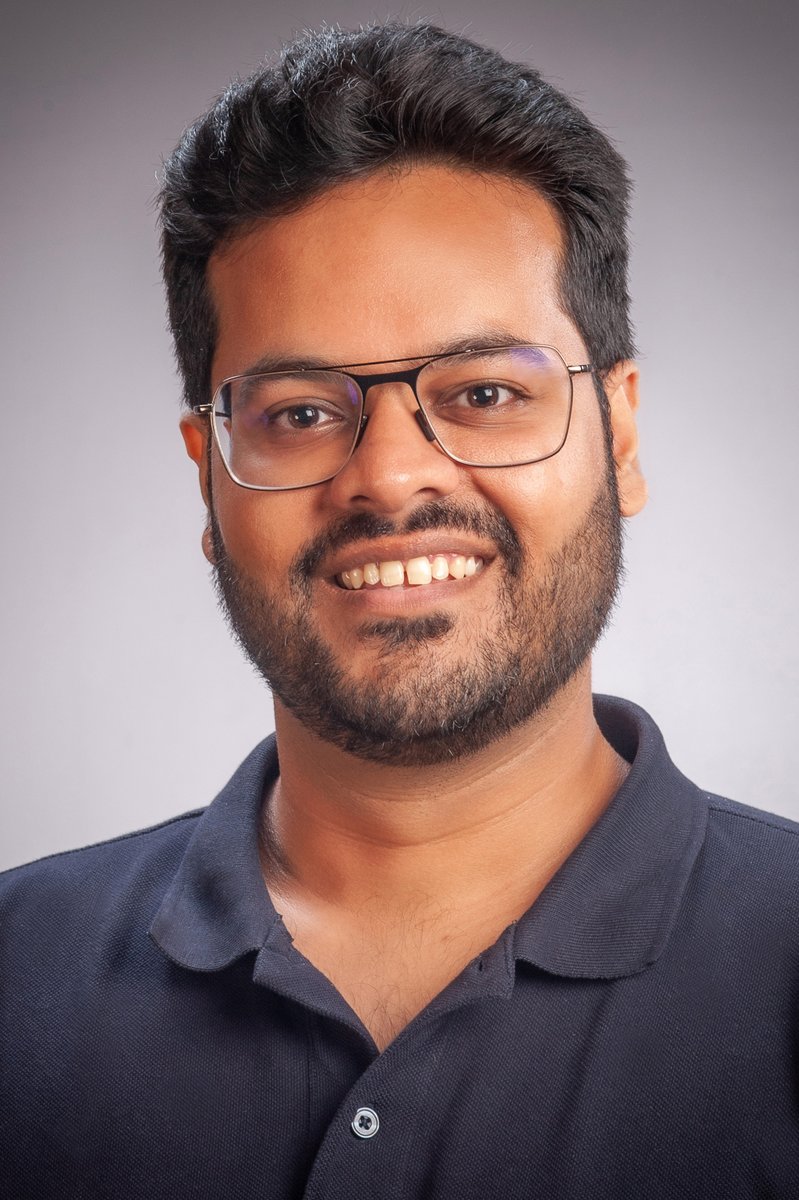
Last year Tirth Vaishnav was awarded the Michael Taylor Memorial Award, one of the scholarships managed by CBRE. This will support his great mahi comparing the diurnal and nocturnal behavior of Kākā. check out some of his pics here!
Did you know some of our members are also carrying out restoration in the marine environment? Check out this piece on our co-director, Dr Christopher Cornwall, and his research group's recent work with giant kelp, restoration and climate change
A news piece on some of our work on understanding the impacts of climate change and implications for giant kelp restoration in Aotearoa New Zealand https://t.co/80HaYNOrug
🌸Introduced populations of Beach Daisy have lower phenotypic plasticity compared to their native source. The evolution of plasticity is an understudied dimension of global change that can affect further range expansion👇
@EcologyVictoria@AngelaMoles1 https://t.co/9qxrJol4p7
Contrary to expectations, introduced and/or invasive species aren't always more plastic in their introduced ranges, as a recent paper by PhD student Charlie Clark demonstrates: Rapid loss of phenotypic plasticity in the introduced range of the beach daisy, Arctotheca populifolia
🌸Introduced populations of Beach Daisy have lower phenotypic plasticity compared to their native source. The evolution of plasticity is an understudied dimension of global change that can affect further range expansion👇
@EcologyVictoria@AngelaMoles1 https://t.co/9qxrJol4p7
The New Zealand Ecological Society's 2023 Conference is fast coming up: https://t.co/uR8wMnR3Tj Note: only members may attend. A whole range of NZES awards are due very soon to, check them out! https://t.co/pCiWOondre
Our new Co-Director Dr Christopher Cornwall will be giving a talk to the public on some of his research on the impacts of climate change on coral reef growth. Please register if you are interested:
Don't miss the chance to hear Dr Christopher Cornwall @chrisecornwall discuss the future of coral reefs and ask him your questions at this free event in Wellington! 🗓️ 6pm 31 May. Register now! @wellingtonuni@coastal_ecology https://t.co/0DItZ9qk5C
Look forward to seeing more research from our members in Wellington and beyond over the next few years, as we focus on highlighting their excellent research in this space.
I am giving a public talk in Wellington on the 31st of May 6pm for last year's Hamilton Award on the impacts of climate change on coral reef carbonate production. If you are interested, please rsvp at this link: https://t.co/d4YbgH9Lrq
As of today, all articles published in NZJE will be open access! For authors interested in knowing more about the process and their licensing options, please see our Instructions for Authors:
https://t.co/TfXbIEeDNB
Neat paper just out revealing the little known Ecological roles of ErM!
Ericoid shrubs shape fungal communities and suppress organic matter decomposition in boreal forests https://t.co/v2oqAlkgML
Do you know the deeper meaning behind te reo Māori names for our wildlife?
This article gives a taste of the history of words and encourages everyone to give te reo Māori a go!
#tewikiotereomaori#tewikiotereoMāori
https://t.co/KUc34imIaV
For #EcologyDay2022 we are featuring some of our recent award winners in Aotearoa New Zealand Ecology every hour on the hour! Please follow along and retweet! #NZEcology