everyone seems to forget, in 1933 the us government literally made it illegal to own gold.
just straight up told citizens to turn it in at $20 an ounce or face fines and jail time.
they were broke and needed the reserves so they just took it
then after they collected it all they revalued it to $35. robbed you at gunpoint and marked it up 75% the next day
people act like government overreach is a new thing.
they confiscated the hardest asset on the planet from their own citizens because the balance sheet was underwater. this isn’t even ancient history that’s less than 100 years ago.
and somehow people still think keeping everything in a bank account under their name is safe.
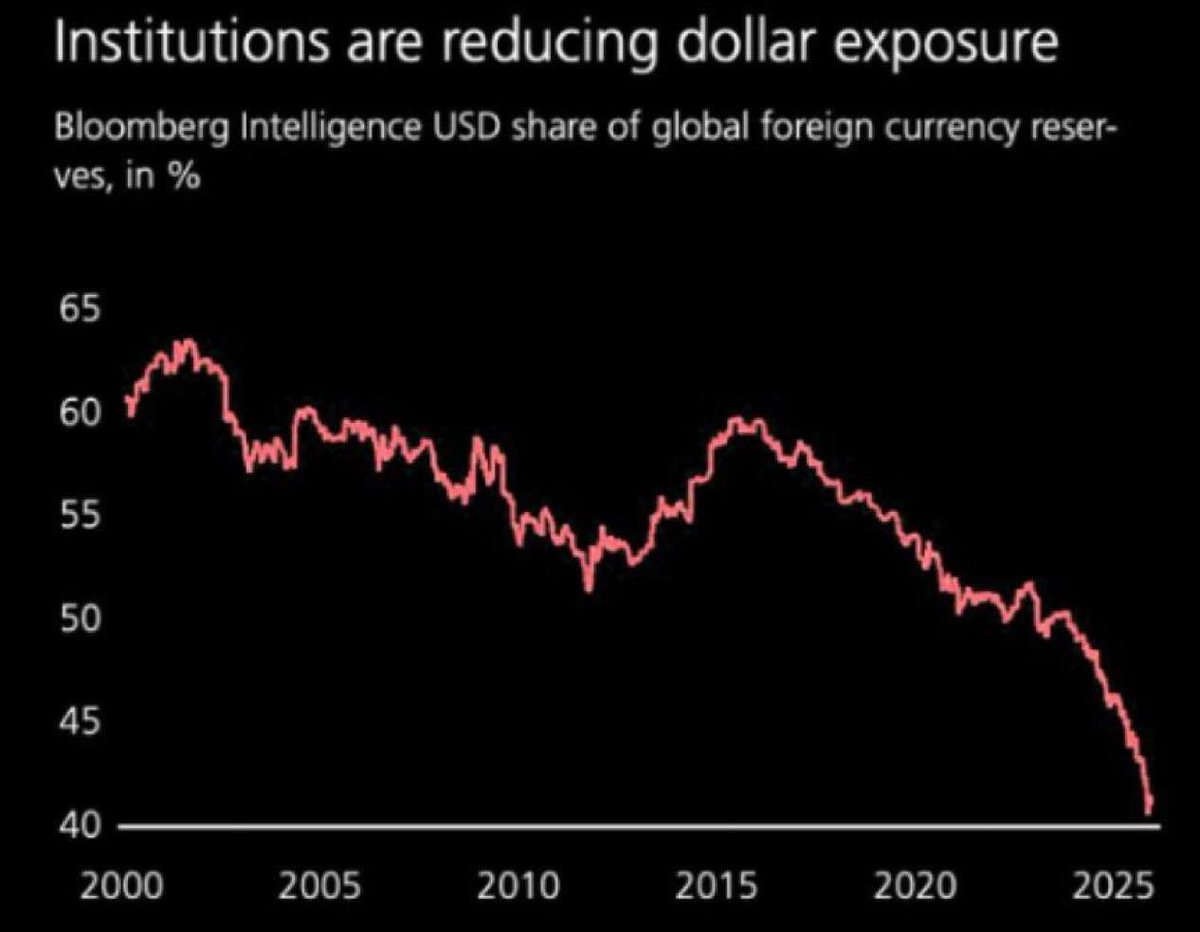
The US Dollar accounted for 65% of global foreign currency reserves in 2001.
25 years later, it now accounts for just 40% of reserves.
Do as you wish with this information.
Property taxes mean you never actually own your property
The State can decide to raise property taxes at any point, to any amount
If you're unable to pay it, you lose your property
Does that sound like ownership?
Here's your periodic reminder that one half of the Fed's mandate is a literal oxymoron: they are tasked with creating "price stability" and to achieve that they target a 2% annual inflation rate.
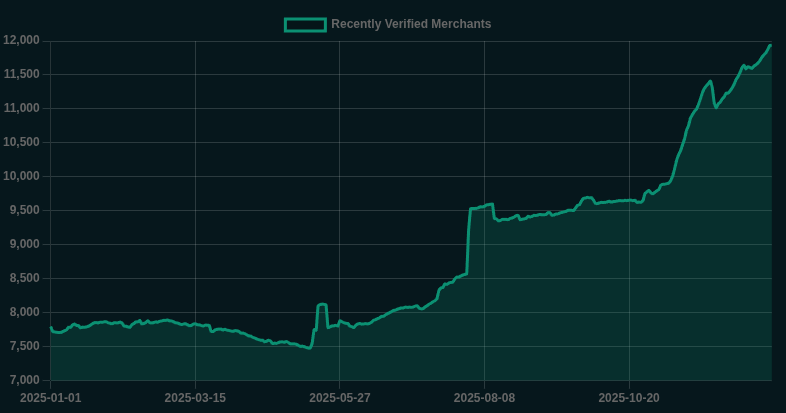
The number of up-to-date merchants accepting BTC cataloged by @btcmap surged by 53% in 2025. Pretty sure this is due to @square enabling bitcoin payments in their point of sale terminals.
Not to be overdramatic but if the price of houses had risen at the same rate as median income since 1970 then a house in 2025 would cost an average of $138,000.
Periodic reminder that housing cannot be both affordable and a means of building wealth. Those two concepts are diametrically opposed to each other. If you're going to make housing affordable for young people it's going to reduce the wealth of the Boomers.
@BladeoftheS Prices are not controlled, they are offered.
You can offer other prices if you want.
The main exception is the price of money, interest rates, which is controlled by the federal reserve
This assumes wealth is zero sum. It isn’t. Workers aren’t poor because others are rich. They’re richer precisely because capital exists to make their labor more productive.
Capital raises productivity. Productivity raises wages. That’s why real wages rise wherever investment and competition are allowed.
It also ignores a basic fact: fewer than 2% of workers earn minimum wage. The obsession with it reveals the mindset. They treat the lowest rung as a permanent condition rather than a starting point, as if workers are trapped there by design.
That’s the core difference. Capitalism assumes mobility and progress. Communism requires workers to be stuck, because upward movement destroys the narrative.
Milton Friedman: “Keep your eye on one thing and one thing only: how much government is spending, because that’s the true tax.”
“If you’re not paying for it in the form of explicit taxes, you’re paying for it indirectly in the form of inflation or borrowing.”
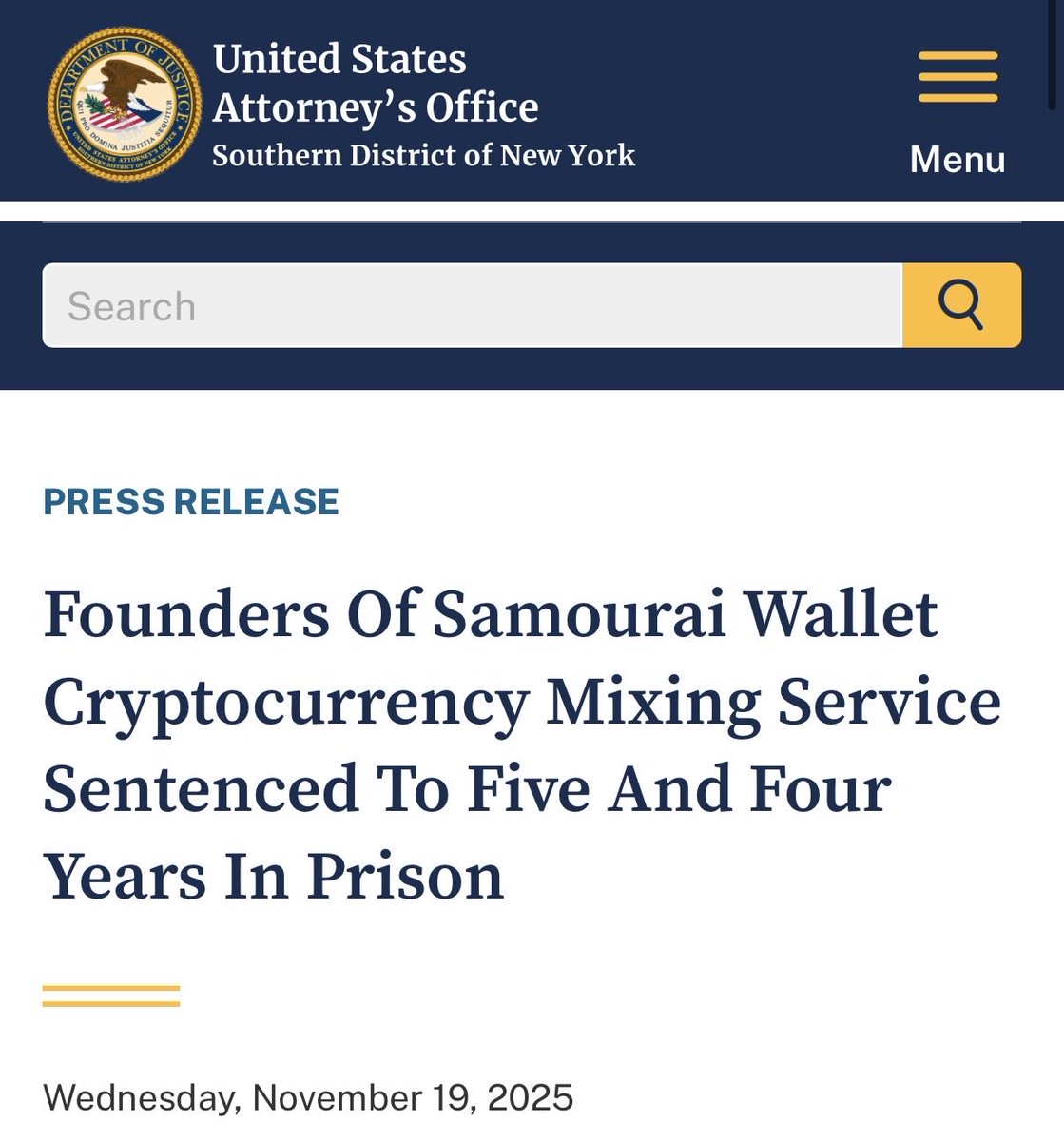
If you believe code is free speech repost this to tell the world that Keonne Rodriguez and William Lonergan Hill should not be sent to prison for operating a privacy focused Bitcoin wallet with a built in mixer.
President Trump are you listening? @POTUS
Capitalism doesn’t assume humans aren’t greedy. It assumes they are and refuses to give them power over others.
That’s the point.
Greed under capitalism is constrained by consent. You only get richer by offering something others voluntarily choose to pay for. If you stop providing value, the money stops.
Greed under collectivism is unconstrained. It’s backed by force. You get resources whether you create value or not, so long as you can moralize need or capture political power.
Also, capitalism doesn’t pit competition against cooperation. Competition is how we discover who can cooperate best. Every successful business is a massive act of cooperation with customers, workers, suppliers, and investors. It just isn’t coerced cooperation.
And the claim that capitalists never give back is empirically false. Private charity, philanthropy, reinvestment, and voluntary aid explode under capitalist systems and collapse under socialist ones.
What you’re really saying is this:
You don’t trust individuals to choose generosity. You trust the state to enforce it.
That isn’t moral. It’s just replacing voluntary cooperation with compulsory obedience.