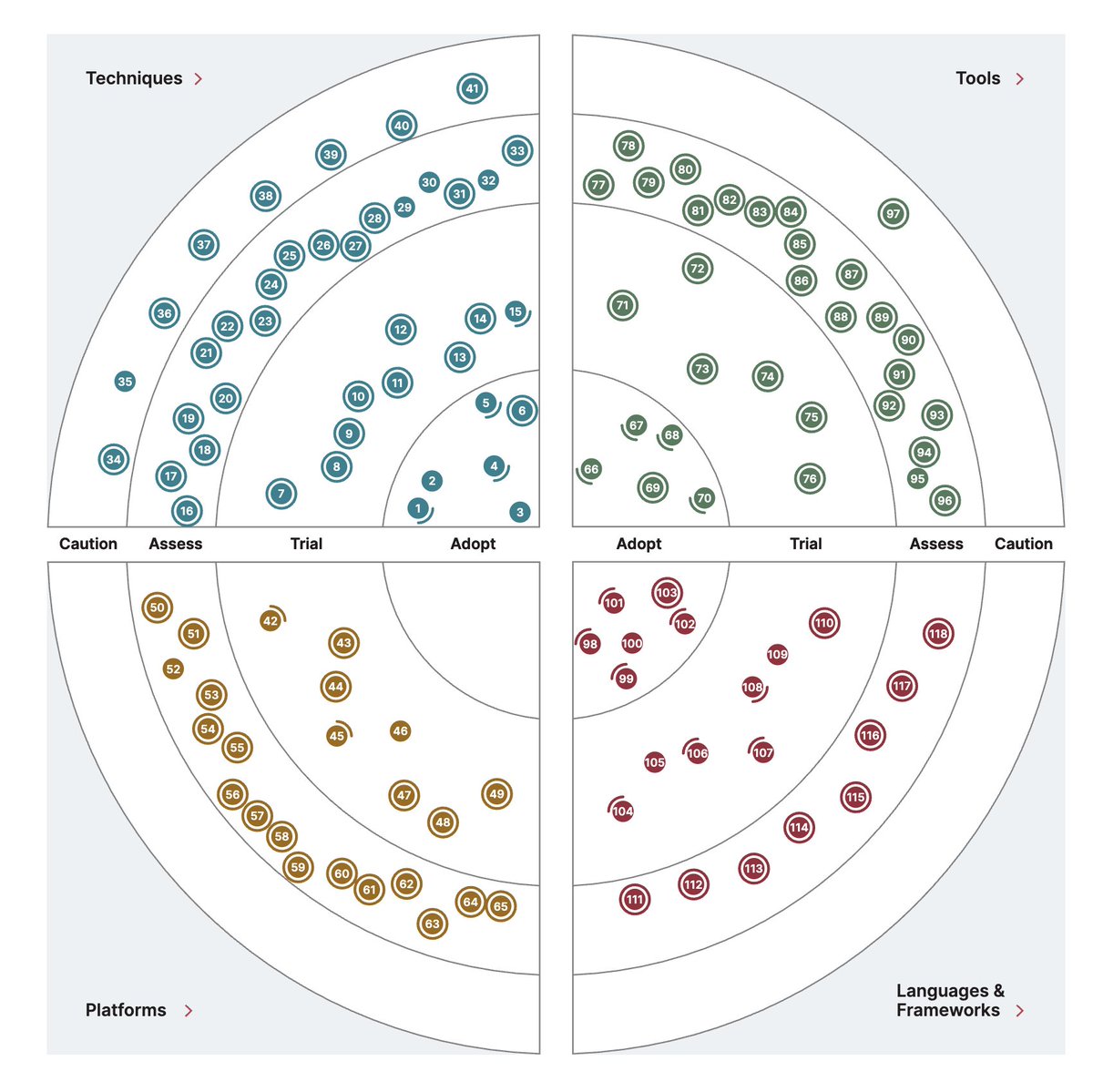
So, @thoughtworks thinks you should adopt Typer, and I agree 😎
CLIs are key for AI stuff, Python is the language where you (and agents) can build things the fastest, and Typer is how you build CLIs in Python 🤘
https://t.co/6yKZxO8oP7
The 34th edition of the Technology Radar is now live!
This edition explores the trends, tools and techniques shaping software development right now. Whether you're building, leading or learning, there’s something here for you.
Get the latest edition here: https://t.co/CbFWUQZcus
NEW POST
Conversations with AI are ephemeral, decisions made early lose attention as the conversation continues, and disappear entirely with a new session. @techygarg explains how to externalize the decision context into a living document.
https://t.co/sZ58ZGWYEQ
𝗧𝗵𝗲 𝗠𝗮𝗻𝗮𝗴𝗲𝗺𝗲𝗻𝘁 𝗣𝗲𝗻𝗱𝘂𝗹𝘂𝗺: 𝗔𝗿𝗲 𝗪𝗲 𝗦𝗹𝗶𝗱𝗶𝗻𝗴 𝗕𝗮𝗰𝗸 𝘁𝗼 1910 𝗧𝗮𝘆𝗹𝗼𝗿𝗶𝘀𝗺?
In his thought-provoking piece, Yaniv Preiss asks a bold question: Despite decades of progress toward human centric leadership, are we unknowingly regressing to the mechanistic principles of early 20th-century Taylorism?
Here's a quick tour through the 𝗲𝘃𝗼𝗹𝘂𝘁𝗶𝗼𝗻 𝗼𝗳 𝗺𝗮𝗻𝗮𝗴𝗲𝗺𝗲𝗻𝘁:
𝗠𝗮𝗻𝗮𝗴𝗲𝗺𝗲𝗻𝘁 1.0: 𝗧𝗮𝘆𝗹𝗼𝗿𝗶𝘀𝗺
Efficient, standardized, specialized, but dehumanizing. Workers as cogs. Managers think, workers do.
𝗠𝗮𝗻𝗮𝗴𝗲𝗺𝗲𝗻𝘁 2.0: 𝗛𝘂𝗺𝗮𝗻 𝗥𝗲𝗹𝗮𝘁𝗶𝗼𝗻𝘀
Empowerment, engagement, teamwork. A shift toward coaching and purpose, but still plagued by hierarchy and cynicism.
𝗠𝗮𝗻𝗮𝗴𝗲𝗺𝗲𝗻𝘁 3.0: 𝗖𝗼𝗺𝗽𝗹𝗲𝘅𝗶𝘁𝘆 & 𝗔𝗴𝗶𝗹𝗶𝘁𝘆
Selforganizing teams, intrinsic motivation, continuous improvement, and human systems thinking. A model fit for the complexity of modern work. Yet often misapplied or misunderstood.
So why does modern management often feel like a 𝗿𝗲𝗯𝗼𝗼𝘁 𝗼𝗳 𝗧𝗮𝘆𝗹𝗼𝗿𝗶𝘀𝗺, just with more data and nicer dashboards?
- Digital monitoring is the new stopwatch
- Standardization often kills creativity
- Gamified KPIs distort purpose
- AI-driven decisions sideline human wisdom
- Hyper-specialization fragments meaning
But here's the 𝗴𝗼𝗼𝗱 𝗻𝗲𝘄𝘀, Preiss doesn’t just warn, he 𝗴𝘂𝗶𝗱𝗲𝘀:
- Measure what matters, not just what’s easy
- Replace control with trust and clarity
- Make purpose the compass, not just metrics
- Partner with AI, don’t let it replace judgment
- Accept complexity, because people aren’t machines
As someone deeply invested in building the cybernetic enterprise and having written a book on it, I find it fascinating how closely this aligns with the core themes of my book, 𝗧𝗵𝗲 𝗖𝘆𝗯𝗲𝗿𝗻𝗲𝘁𝗶𝗰 𝗘𝗻𝘁𝗲𝗿𝗽𝗿𝗶𝘀𝗲.
The pendulum will always swing, but we shape the system it swings within.
Link to the article: https://t.co/U3LNehcyV9
#Leadership #Management30 #Cybernetics #TheCyberneticEnterprise #Agile
Stop repeating your instructions. 🛑
Copilot now supports Agent Skills, the open standard by @AnthropicAI. Package your specialized expertise into skills once and use them everywhere.
Try it in:
✅ agent mode in @code Insiders
✅ Copilot coding agent
✅ Copilot CLI
Here's how to get started. 👇
https://t.co/AY0EXNanwC
GitHub Copilot is smart, but it can’t read your mind. 🧠
Think of custom instructions like onboarding a new teammate. You need to transfer that "institutional knowledge" to get the best results:
🛠️ The stack
📋 The rules
🎯 The goal
Here are 5 tips to write instruction files that actually work. ⬇️
https://t.co/jGqmv5jMpN
The Argo CD community is thrilled to announce the release candidate for Argo CD v3.3. This release delivers some long-awaited and highly anticipated features and improvements! 🎉 🥳 🐙
From PreDelete Hooks, Ability to use shallow clone for repositories, to Source Hydrator; read as Peter Jiang takes you through what's new in v3.3
👉 https://t.co/rLLn0M81XH
Finally turned my last FinOps adventure into a blog post!
Covered the FinOps framework:
→ Why it emerged (IT evolution)
→ Principles & domains
→ Current challenges (empowering engineers)
More to come. Read here: https://t.co/dNPDxDwh5h
#FinOps#CloudCost#DevOps
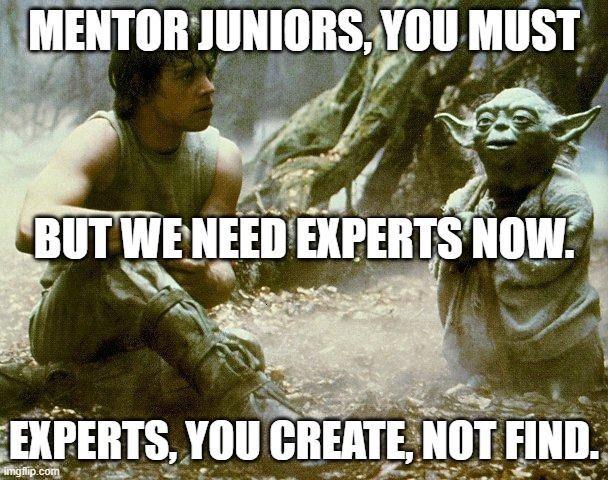
👴 𝗛𝗶𝗿𝗶𝗻𝗴 𝗢𝗻𝗹𝘆 𝗦𝗲𝗻𝗶𝗼𝗿 𝗘𝗻𝗴𝗶𝗻𝗲𝗲𝗿𝘀 𝗶𝘀 𝘁𝗵𝗲 𝗪𝗼𝗿𝘀𝘁 𝗣𝗼𝗹𝗶𝗰𝘆
🧠 After interviewing 134 engineers, from students to CTOs, Andrew Churchill uncovered a huge inefficiency:
𝗖𝗼𝗺𝗽𝗮𝗻𝗶𝗲𝘀 𝗮𝗿𝗲 𝗼𝗯𝘀𝗲𝘀𝘀𝗲𝗱 𝘄𝗶𝘁𝗵 𝗵𝗶𝗿𝗶𝗻𝗴 𝘀𝗲𝗻𝗶𝗼𝗿 𝗲𝗻𝗴𝗶𝗻𝗲𝗲𝗿𝘀… 𝘄𝗵𝗶𝗹𝗲 𝗼𝘃𝗲𝗿𝗹𝗼𝗼𝗸𝗶𝗻𝗴 𝗮 𝗺𝗮𝘀𝘀𝗶𝘃𝗲 𝗽𝗼𝗼𝗹 𝗼𝗳 𝗔𝗜-𝗻𝗮𝘁𝗶𝘃𝗲 𝗷𝘂𝗻𝗶𝗼𝗿 𝘁𝗮𝗹𝗲𝗻𝘁.
𝗛𝗲𝗿𝗲’𝘀 𝘁𝗵𝗲 𝗵𝗮𝗿𝗱 𝘁𝗿𝘂𝘁𝗵:
🔹 Companies avoid juniors because they think it takes too much time.
🔹 But senior productivity plateaus, there’s not much difference between 10 and 15 years of experience.
🔹 Meanwhile, juniors bring energy, curiosity, and an incredible capacity for growth.
👉 Motivation. Character. Brains. These don’t come from a resume, they come from 𝗺𝗶𝗻𝗱𝘀𝗲𝘁.
𝗠𝗼𝗱𝗲𝗿𝗻 5-𝘀𝘁𝗲𝗽 𝗵𝗶𝗿𝗶𝗻𝗴 𝗽𝗹𝗮𝘆𝗯𝗼𝗼𝗸 𝘁𝗼 𝗳𝗶𝗻𝗱 𝘁𝗵𝗲 𝗿𝗶𝗴𝗵𝘁 𝗷𝘂𝗻𝗶𝗼𝗿𝘀 𝗶𝗻 𝗮𝗻 𝗔𝗜-𝗽𝗼𝘄𝗲𝗿𝗲𝗱 𝘄𝗼𝗿𝗹𝗱:
🔹 Screen for mindset, not pedigree.
🔹 Use real-world AI-enabled coding tasks.
🔹 Test problem-solving without AI.
🔹 Observe live AI collaboration.
🔹 Understand their AI strategy: When to use it, when not.
Then: mentor, measure, and support them.
𝗕𝗼𝘁𝘁𝗼𝗺 𝗹𝗶𝗻𝗲
If your hiring policy ignores juniors, you’re limiting your future talent bench and likely overpaying for skills that could be developed internally.
This hiring imbalance won’t last.
The smartest companies are already building strong pipelines of AI-native junior engineers. Will you?
🔗 Link to the article: https://t.co/TTjtZv0HHe
#Hiring #Engineering #Culture #Juniors #AI #Recruiting #SoftwareDevelopment
Let’s deep dive into the Platforms quadrant with our Distinguished Engineer, Kief Morris.
Discover what’s shaping modern platform engineering and why it matters.
👉 Explore Technology Radar Vol. 33 now: https://t.co/GPvVWjfbaW
This article shows how to deploy and operate Istio traffic management in Kubernetes, with clear examples for Gateways, VirtualServices, DestinationRules, traffic shifting, canary deployments, circuit breaking, and advanced routing
➜ https://t.co/k4iZuI4953
KAI Scheduler is a Kubernetes-native scheduler optimized for large-scale AI/ML workloads
It supports batch scheduling, hierarchical queues, GPU sharing, and dynamic resource allocation to maximize utilization and fairness across tenants
➜ https://t.co/Omc7vZ058J