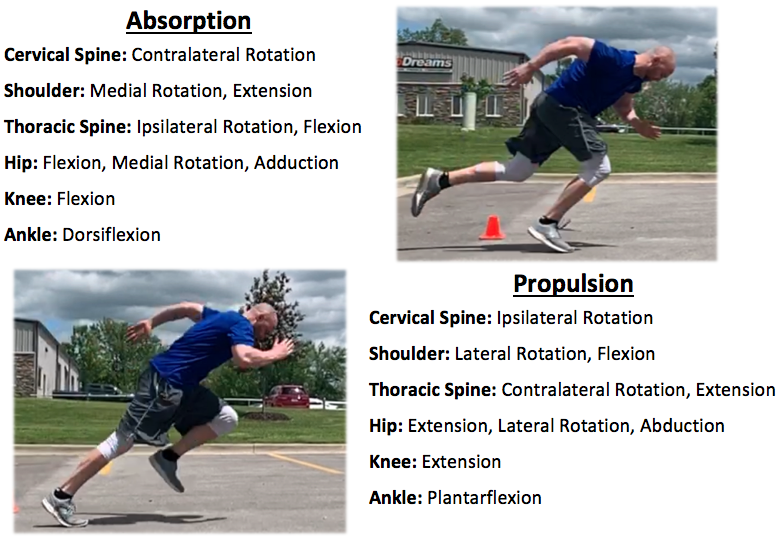
Human movement can be broken down into two phases: absorption & propulsion. The inability to achieve these positions at either a segmental or global level results in compensations. These compensations at the very least can lead to energy leaks, or worse, injury.
I am a huge advocate of manual therapy, but…
Manual therapy alone creates dependency
When manual therapy is combined with targeted exercise, a quicker recovery and more sustainable results are achieved
@trripleplay@MizzouBaseball Mizzou athletics hasn’t supported its baseball team in years. There’s one ATC responsible for the whole team and they weren’t able to hire a baseball minded strength coach until December. Start the injury conversation there…
Good rule of thumb: Teach pitchers to use range of motion that they possess. Don’t force them into positions/ ranges they don’t have (passively OR actively).
This requires an assessment.
Pitchers - if someone is giving you mechanical advice w/out this info… proceed w/ caution!
@mikereinold I found the loading strategy for the NOBFR group interesting as well. Also curious how "improvements in achieveable workload were greater in the BFR group for the scaption exercise." Might be easier to understand once we can see graphs.
You're avoiding due to risk vs reward?
New Research on BFR for Baseball Pitchers🧵👇
Rotator cuff training with upper extremity blood flow restriction produces favorable adaptations in Division IA collegiate pitchers: a randomized trial.
BFR in the baseball pitching population has historically been met with some skepticism due to the proximity of the brachial plexus and the increased notoriety of TOS. I would love to hear some opinions on using BFR for baseball pitchers.
3)The BFR group saw no change in pitching mechanics during the 8-week study, while the NOBFR group saw mechanical changes that were consistent with fatigue
2/ “The number of days lost on the disabled list to UCL sprains - 145,824 - averaged 221 per player. Hundreds of millions of dollars in salary, and even more in surplus value, vanished.”
@JeffPassan via “The Arm”
1/ “Six hundred fifty-eight. That was the number of players across all levels of professional baseball from the beginning of 2010 to the middle of 2013 with UCL sprains - ligament tears of any kind, from slight to full.”
@JeffPassan via “The Arm”