Stumbled upon this quote recently which really resonated and epitomized the often helpless feelings us scientists have when investigating the natural world, particularly in our modern society today.
https://t.co/kvge3UKuKt
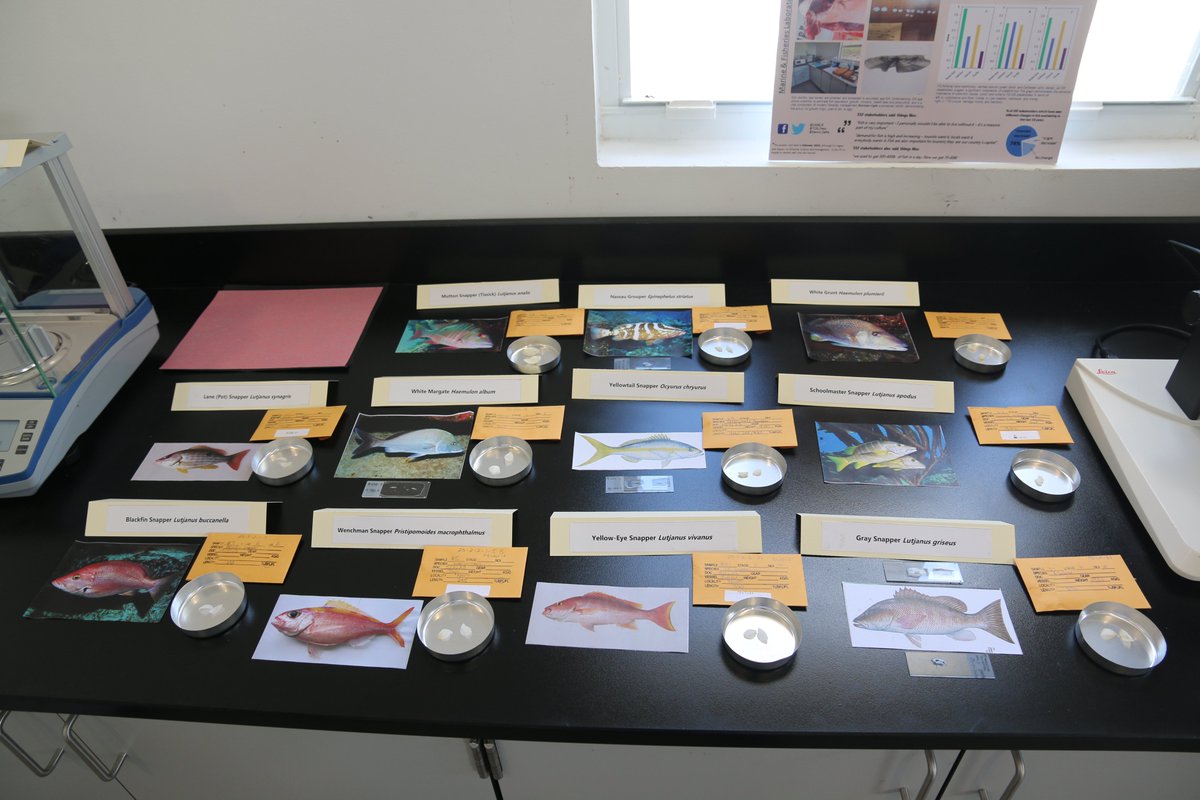
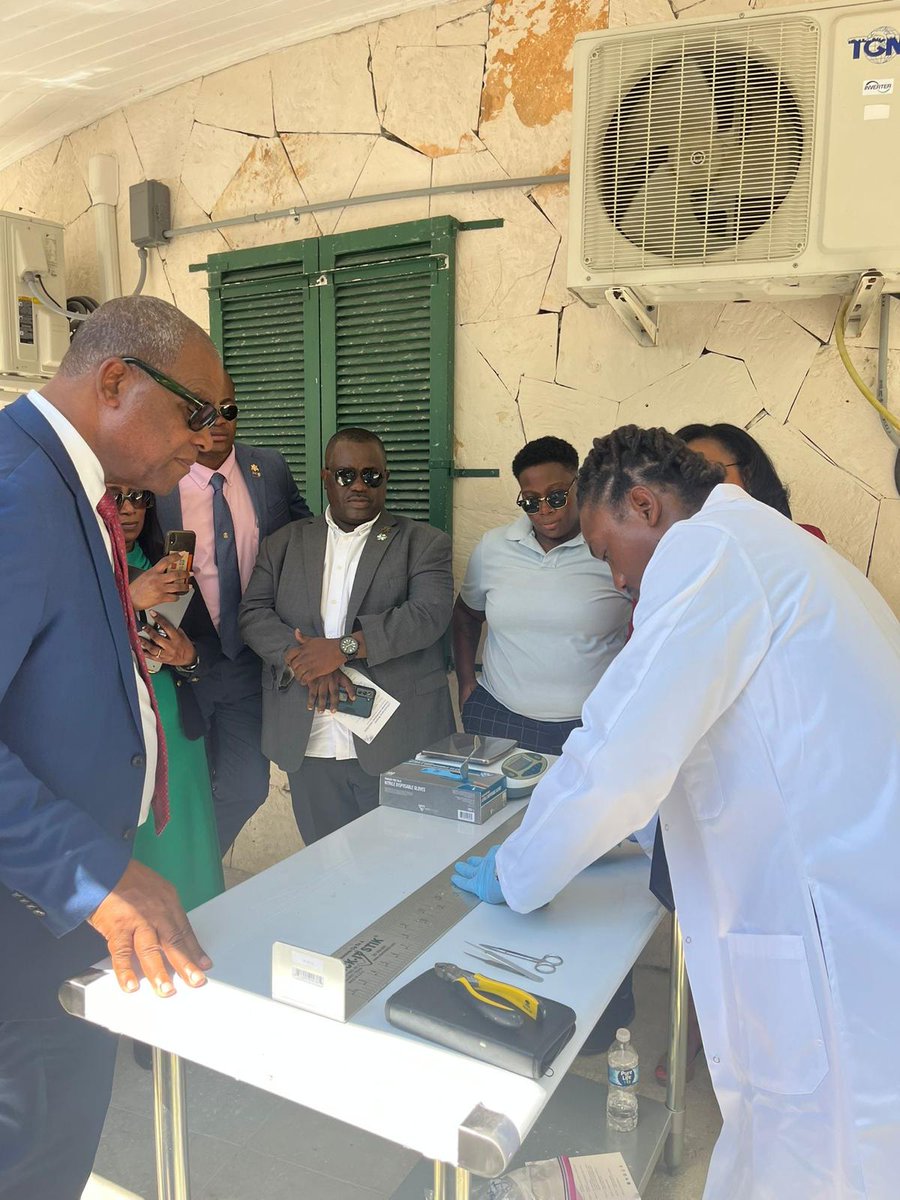
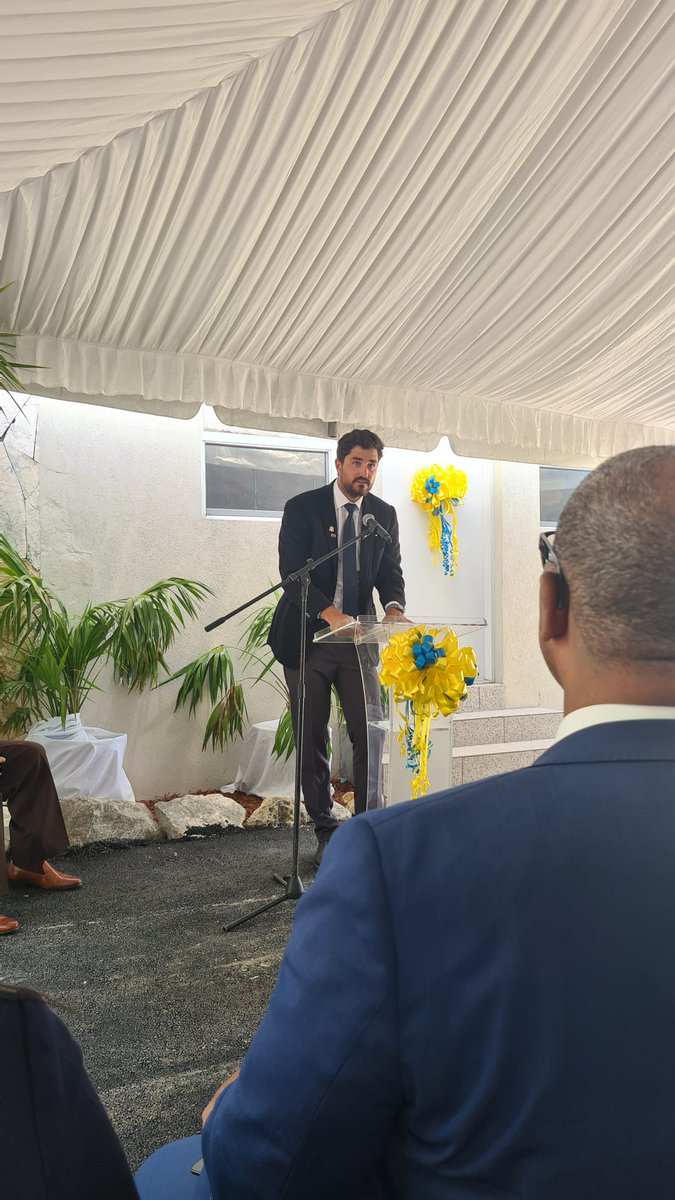
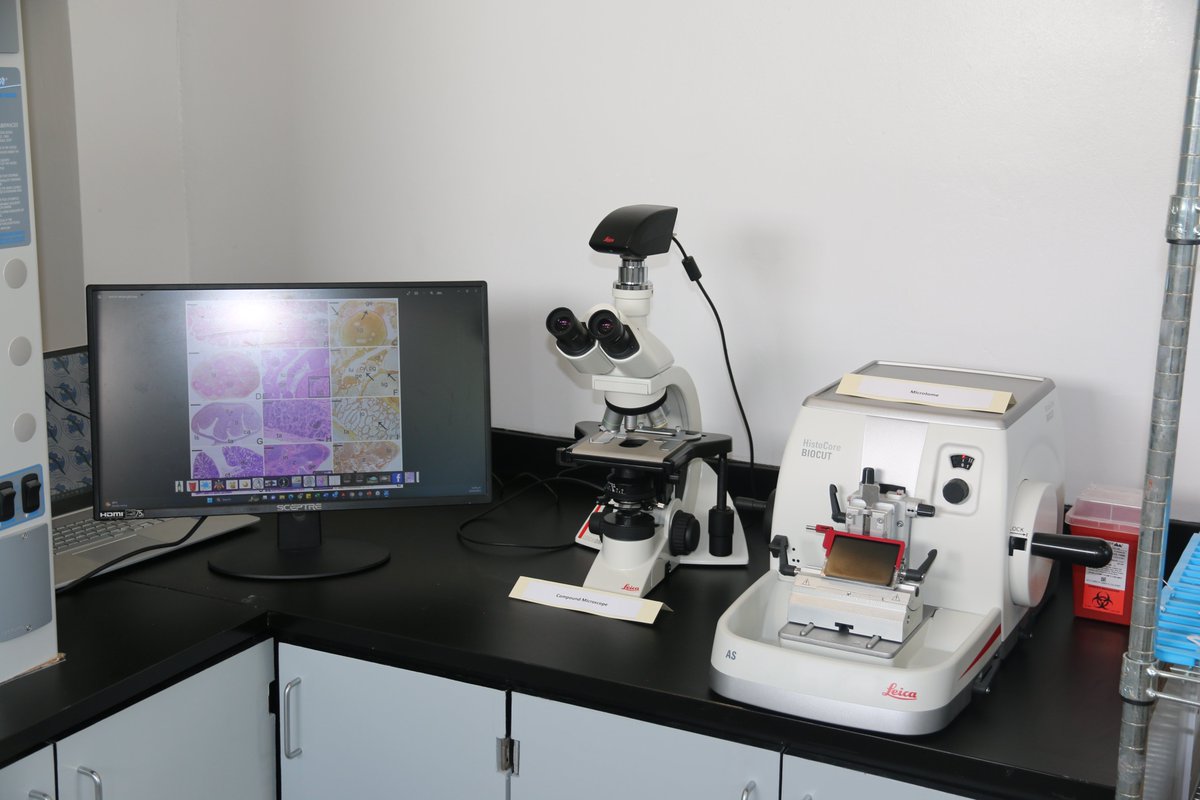
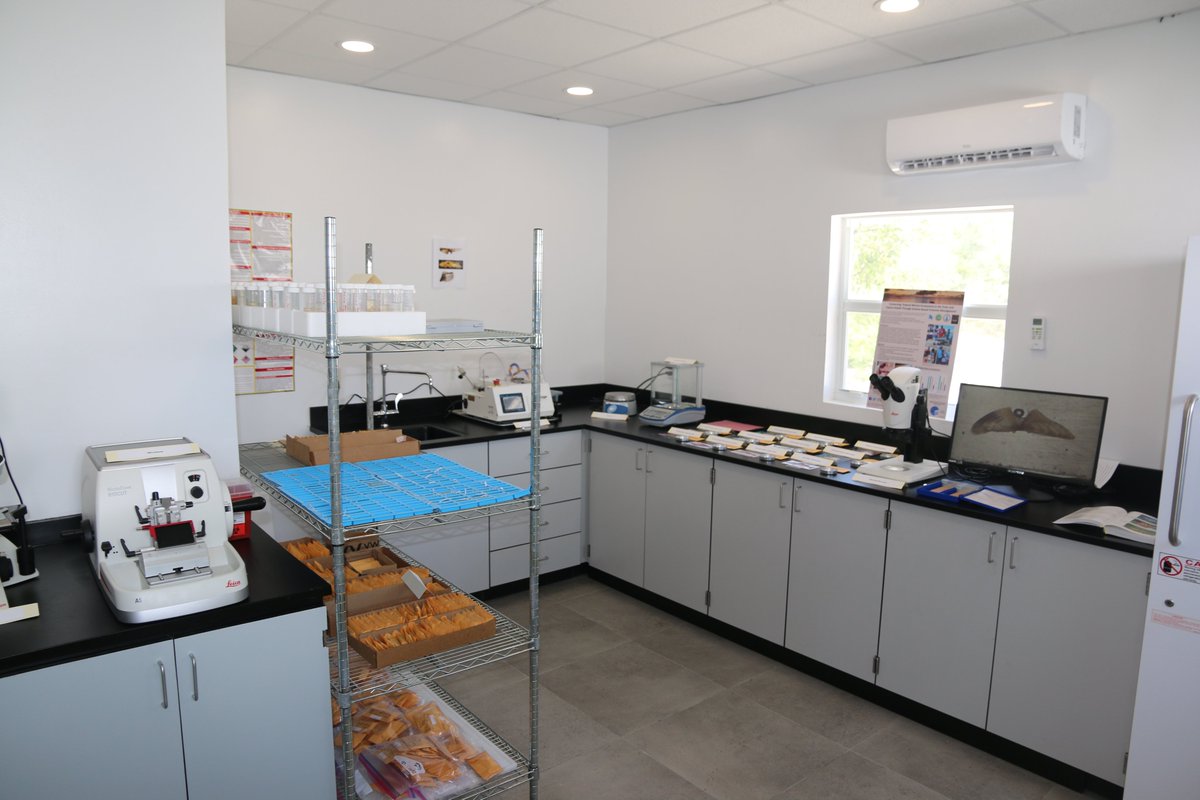
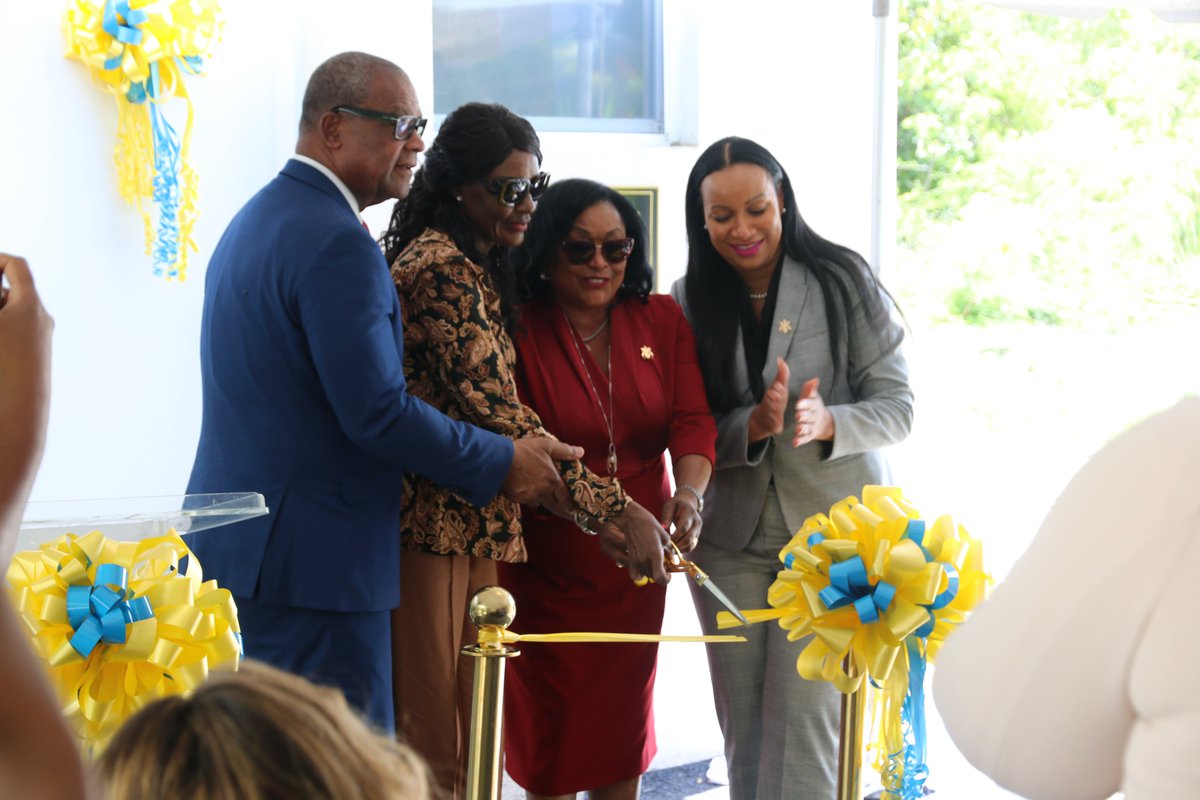
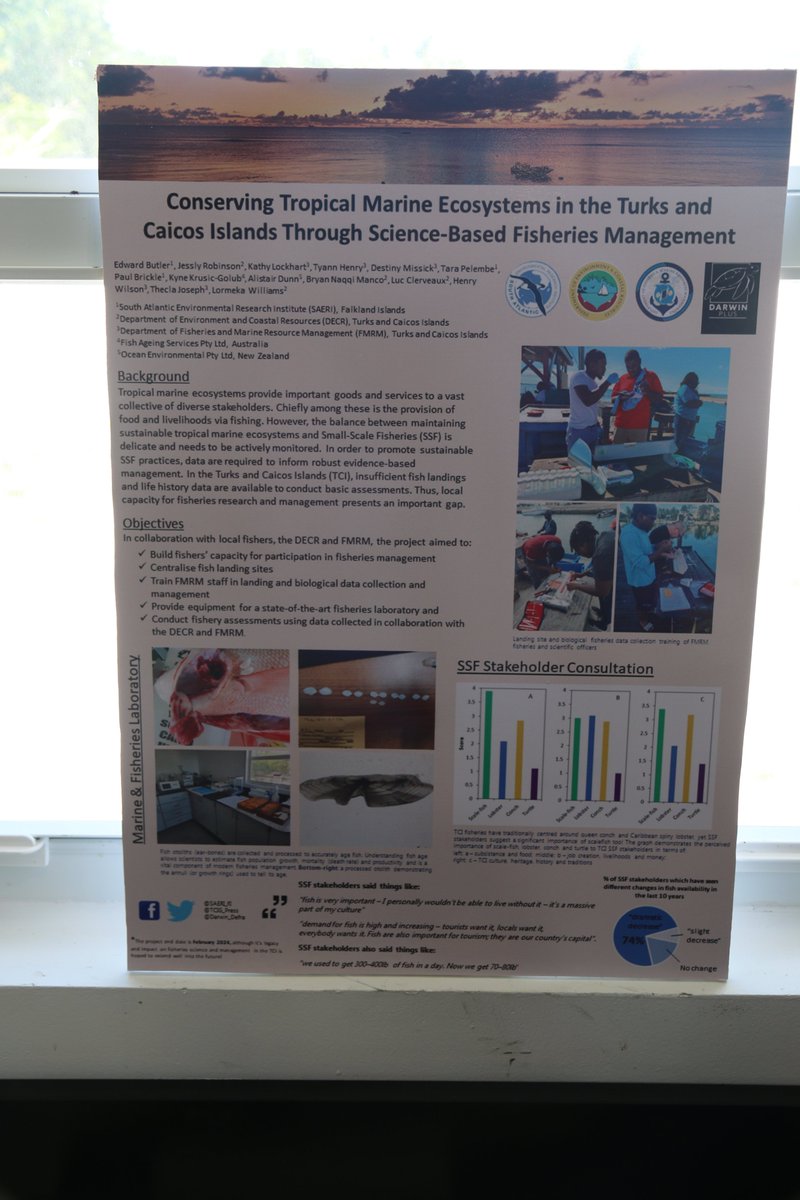
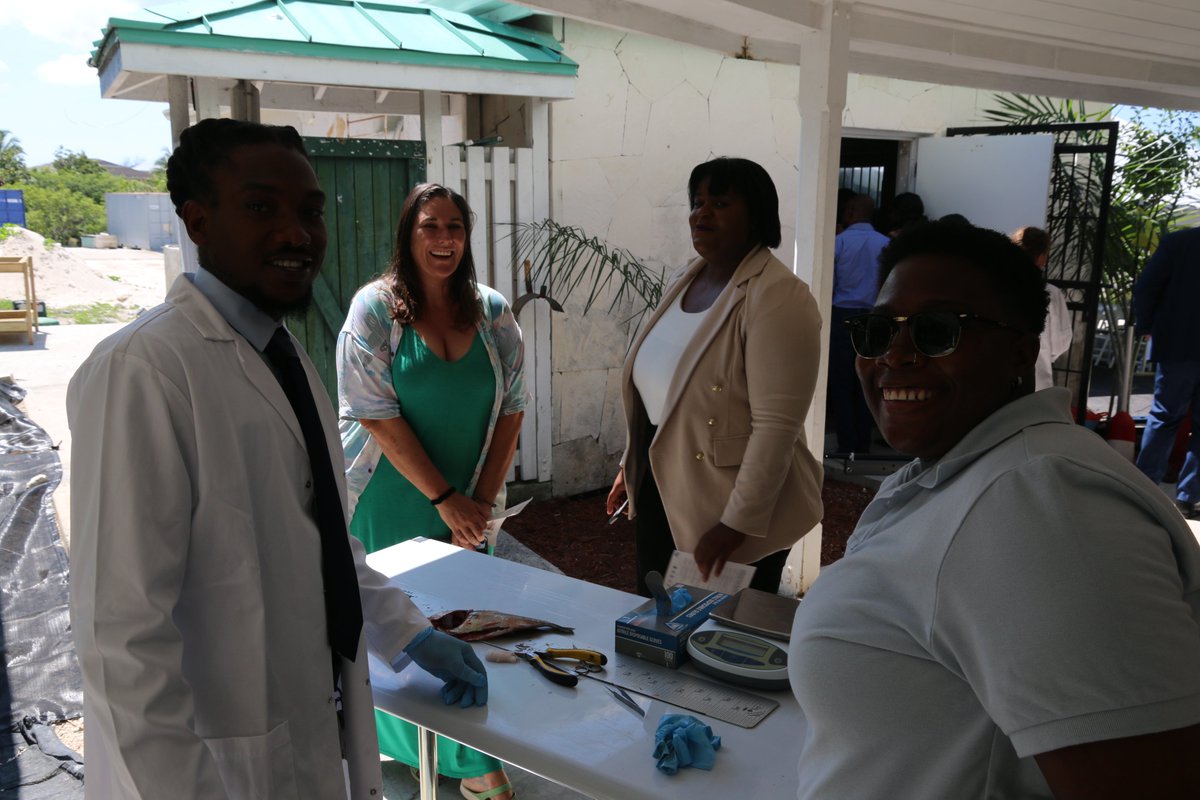
Through the @UKBCFs#DarwinPlus 153, we are delighted to have been involved with the development of the Clifford Leroy Brooks Fisheries and Marine Laboratory in the Turks and Caicos Islands.
@tcig_press@JNCC_UK@Krusic_KG
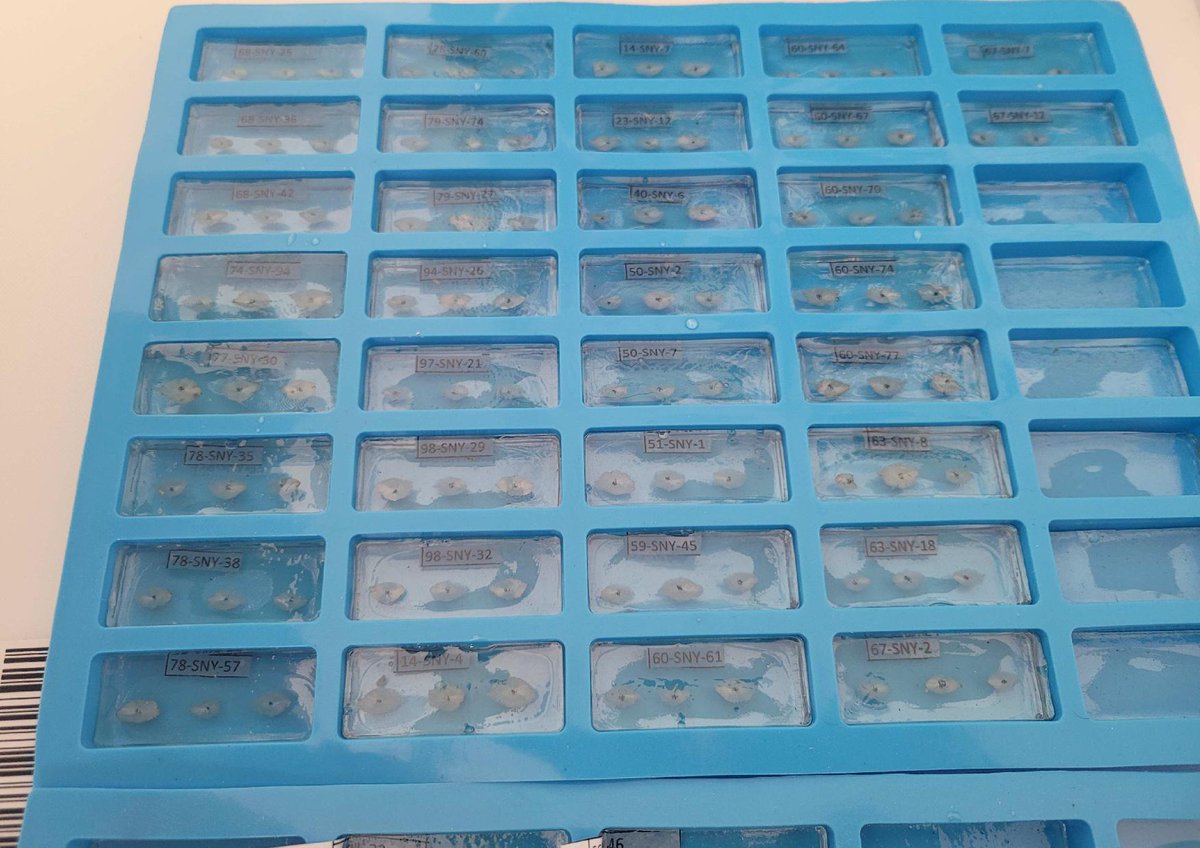
Exciting times ahead as the Caribbean's newest otolith lab is batch processing its first couple hundred samples in the Turks and Caicos Islands, in partnership with @TCIG_Press & Fish Ageing Services Ltd, funded through Darwin Plus.
Watch this space!
@UKBCFs@JNCC_UK@Krusic_KG
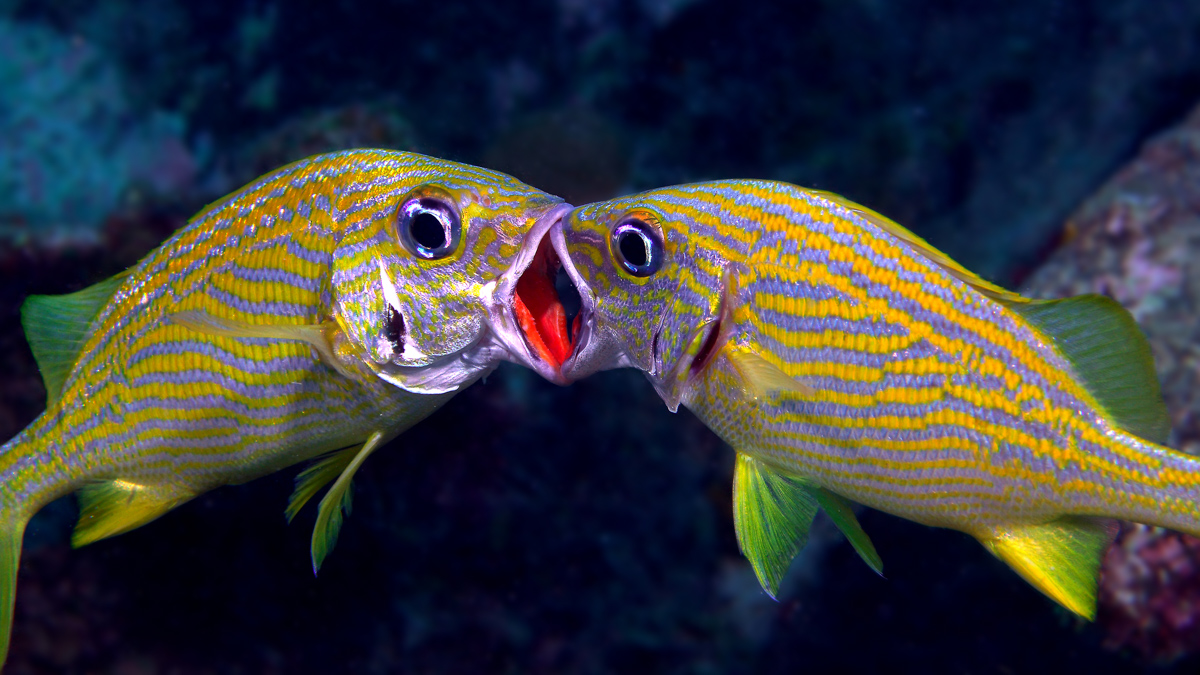
Today's Caribbean fish is the French Grunt (Haemulon flavolineatum). The two here are competing for ranking in their group. This photo is great to see why the genus got the name "Haemulon", it comes from the Greek haimaleos = bloody in reference to the color inside their mouth.
Client satisfaction vs Ecological integrity
Knowledge vs Implementation of best practices
Some fascinating insights into the importance and overall potential of these recreational fishing role-models. Well done to @MattWFarthing and co-authors.
https://t.co/C77jNlVF1y
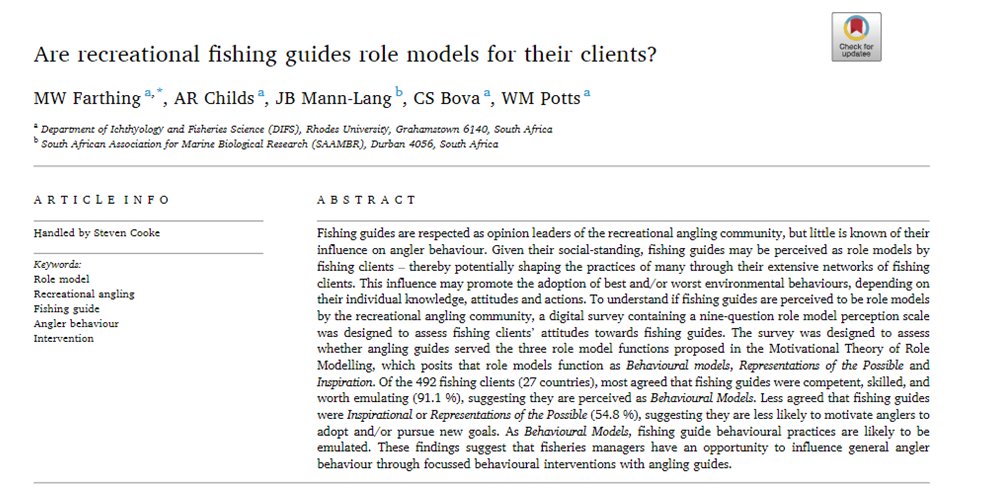
Congratulations to the authors of another very interesting paper entitled "Are recreational fishing guides role models for their clients?"
"...to develop fishing guides into effective
“agents of change” in the global social movement of recreational angler self-reform."
This is an ocean dwelling ribbon worm from the genus Gorgonorhynchus
What you can see being discharged is a sticky proboscis, this densely branching structure is a feeding appendage used in hunting.
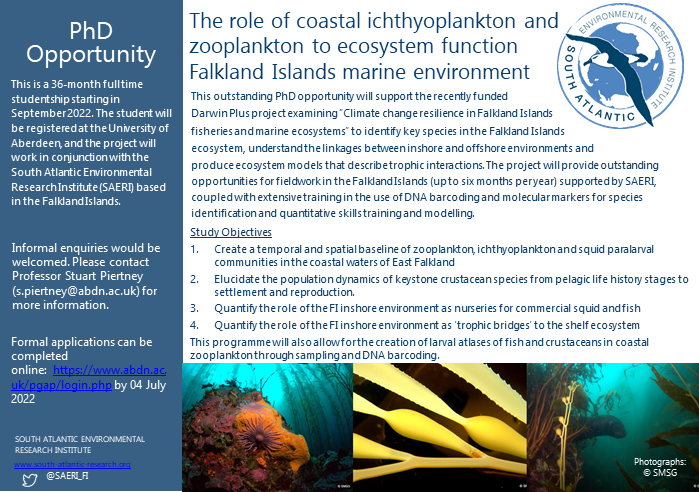
Are you keen on assessing the nursery function of fish using #telemetry? I, in collaboration with the brilliant researchers of the @SeascapeEcolSA team, am looking for a PhD student!
Visit for more info: https://t.co/HIHY34kHGP
#phdpositions#phdchat
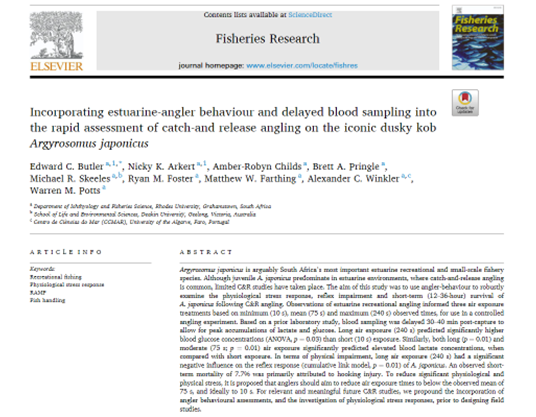
Primary findings: Air exposure time should be reduced to below 75 s, and ideally to 10 s to minimise the physiological stress response, reflex impairment and short-term survival of
A. japonicus following C&R angling.
Congratulations to these authors!
https://t.co/mn4rm16fV3
Our March newsletter is out!😍
Catch up on all the latest SAERI news: new projects, new staff, project updates and more!👇👇👇
https://t.co/CFOrezfhWg
#newsletter#southerncurrents#latestnews
SAERI welcomes @Ed_Butler_Fish to the team!Ed joins as a Senior Marine & Fisheries Scientist and will be based on the Turks and Caicos Islands (TCI),where he will manage the DPlus 153 project:Conserving tropical marine ecosystems in TCI through science-based fisheries management.
@MattWFarthing Again, as the photo opportunities vary according to fishery, so will the anglers and their willingness to forego. For tourism based stuff I think it is a hard sell. Perhaps solutions like large water-filled containers may provide options. Room for innovation for sure!
@MattWFarthing Photography will always play a role in rec angling for a vast maj. of anglers. There are already super innovative ways around the problem. However, there are barriers too! Like fishery (nt always easy/possible to photo in water) and financial limitations (camera cases). RnD gap?
Drones are revolutionizing the way people fish for fun, but at what potential cost? Recreational fisheries research and management needs to keep speed with technological advances which introduce new ethical and environmental considerations...
https://t.co/yAKaScFLed