Opening a community of interest in the works of Lucy Hutchinson, in conjunction with the Oxford University Press Complete Works, general editor David Norbrook
@AntigoneJournal Greenblatt overstates but Lucretius, a greater poet than this article allows, certainly ‘wowed’ many early modern readers, who were also struck by his account of the origins of society
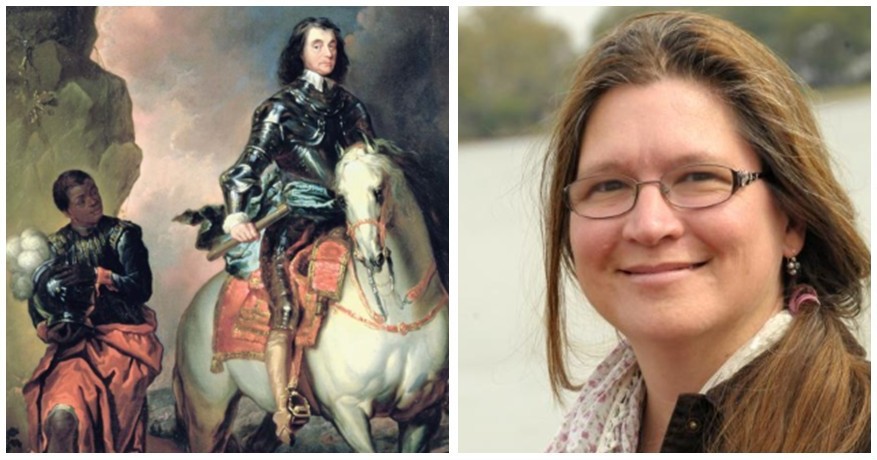
Our final autumn online lecture is thus Thursday, 11 December, in which Professor Holly Brewer will be looking at the growth of the slave trade in the mid-1600s and how this was refelected in portraits of the period. More details at: https://t.co/pg9Ulb2ImW
@victoriamoul Great news! Hutchinson was interested in neo-Latin poetry, copying Casimir and Buchanan translations into her notebook, but that culture has been little explored, still less with Moul's sensitivity to its poetic as well as historical interest.
Working on Lucy Hutchinson's translation of "De rerum natura" (I worked with the manuscript last month at the BL; very fortunate to find a copy of the scholarly edition on my third day in Tokyo @kitazawa_books). Also: this desert appeared a lot smaller on the menu, but if I must.
Complex, convoluted, startling: Felicity Sheehy’s new edition of Hester Pulter’s emblem on jealousy shows it—both the poem and jealousy itself—to be all these things:
https://t.co/Or61QFHegi
Will be on BBC R4’s Start the Week on Monday, 9am. ‘historian John Rees focuses on the group of firebrand parliamentarians at the heart of the English Civil Wars. The Fiery Spirits describes how the radicals influenced other MPs & led to the defeat, and execution, of Charles I.’
Join us this Friday for The Poet and The Regicide! 📜✨
Discover the incredible story of Lucy Hutchinson and her husband, John Hutchinson, during the British Civil Wars. ⚔️ Celebrate International Women’s Day with historian David Barton!
🎟️ Get your tickets now on our website!
Caesar was all: the Senate sit to beare
Witnesse of private power, and grant what ere
He please to aske; Crownes, Temples, their owne bloud
Or banishment.
Lucy Hutchinson is likely to have read, in Latin or in the translation of Thomas May, whose History she used, the passage in Lucan’s Pharsalia where Caesar raids the treasury, a key moment in his coup (iii.108-11):
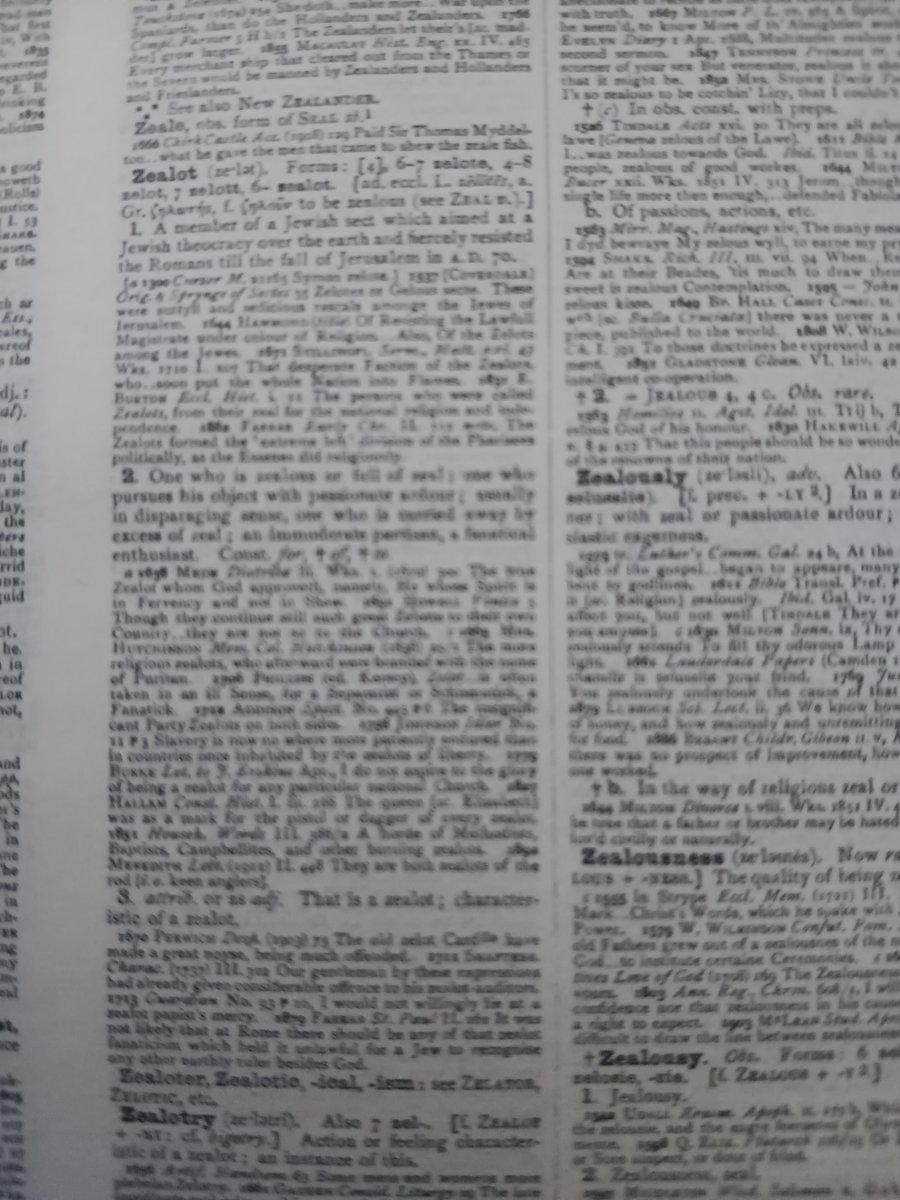
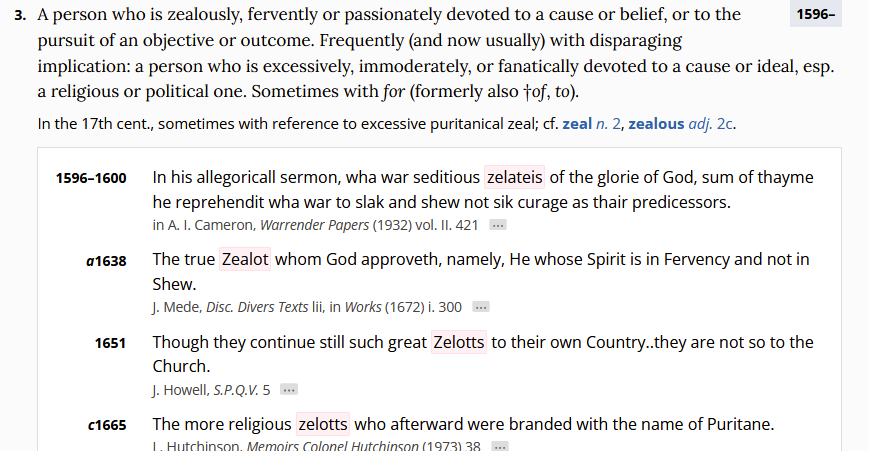
the scholarly depth of the OED: print editions of the Memoirs down to 1973 omitted large sections of the MS; when Sutherland's edition of the MS appeared, the OED replaced all the entries based on the earlier editions (previous entry seen here).
The Oxford English Dictionary on Lucy Hutchinson's use of 'zealot' - which interestingly can be positive or negative. This is one of nearly 100 citations from the Memoirs in the OED, an ongoing miracle of scholarship.
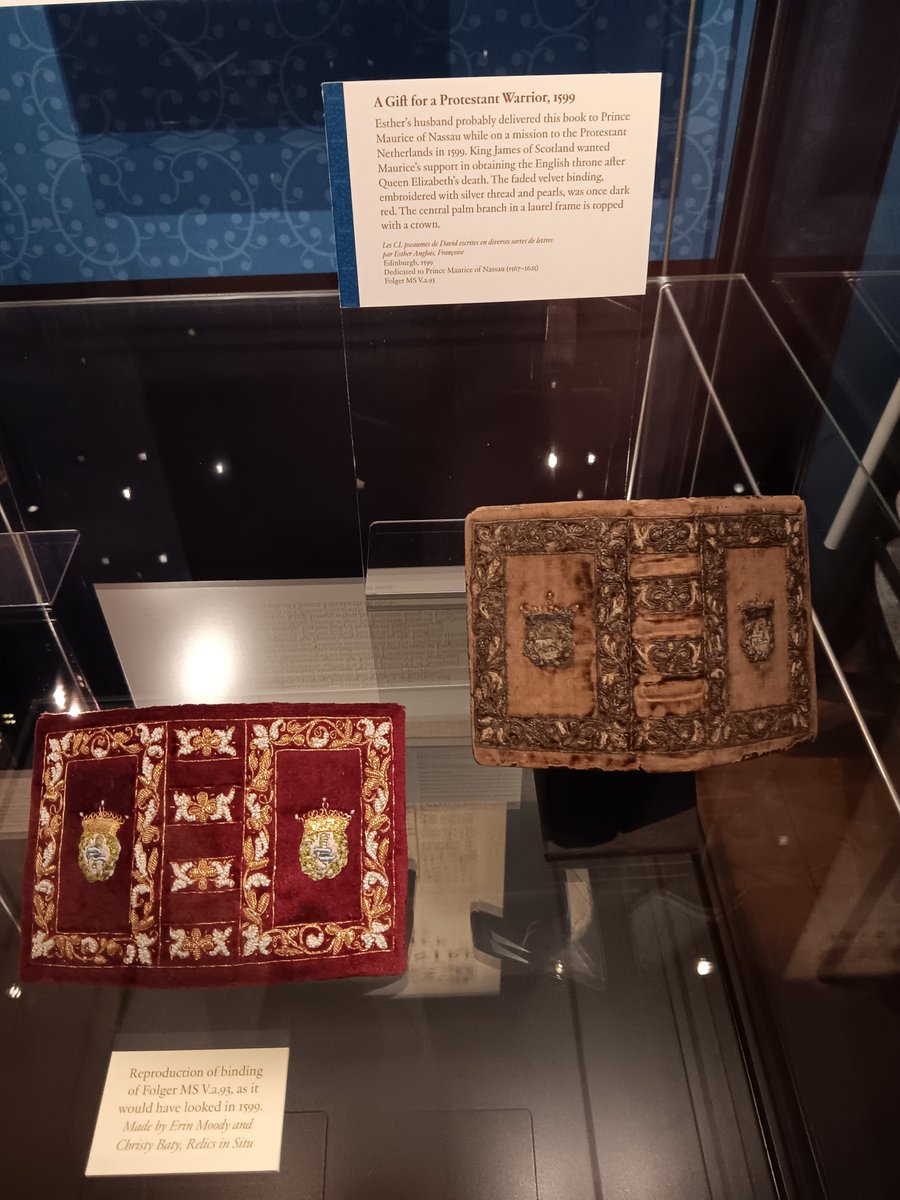
Wonderful exhibition of Esther Inglis (her anagram: 'Resisting hel') at the Folger ending 9 February. Here, astonishing reconstruction of a binding. Online at
https://t.co/aL9NhhiFck