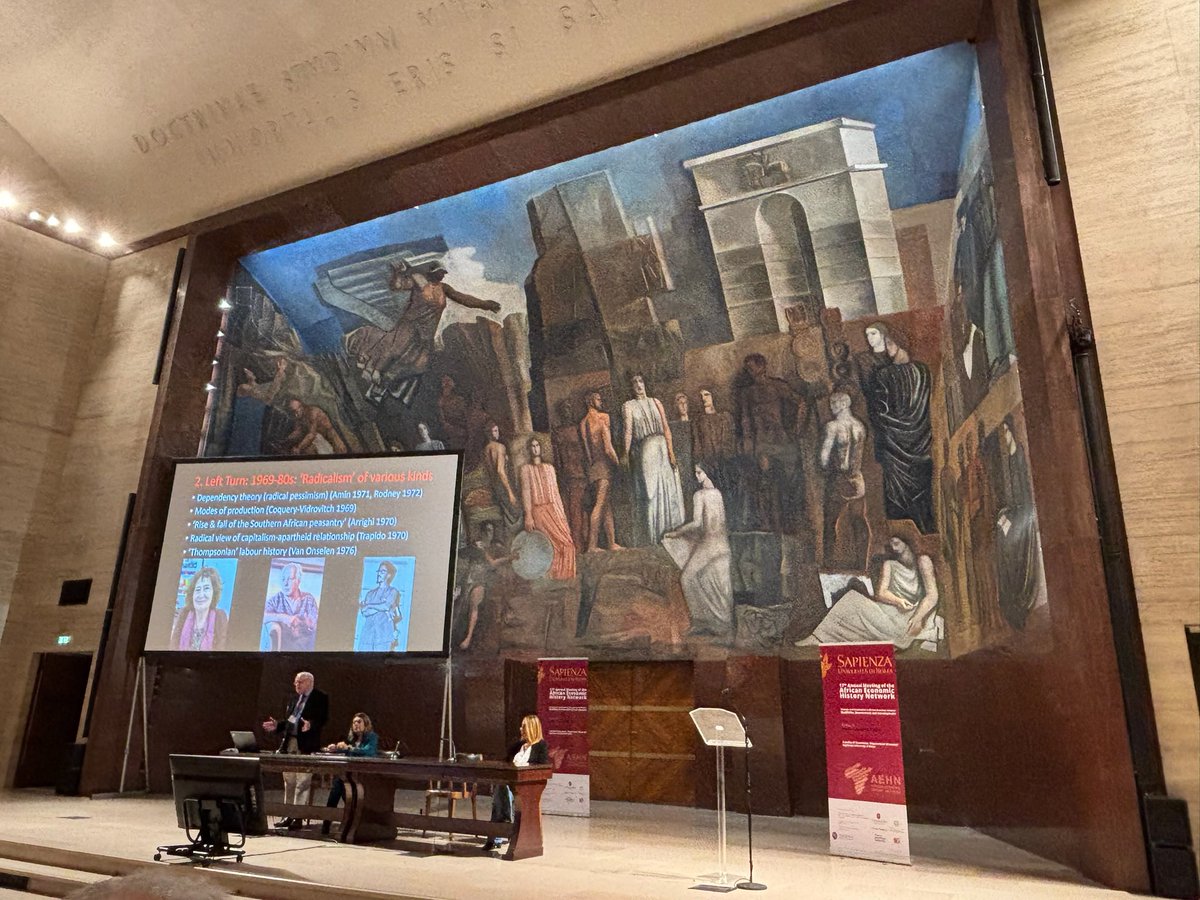
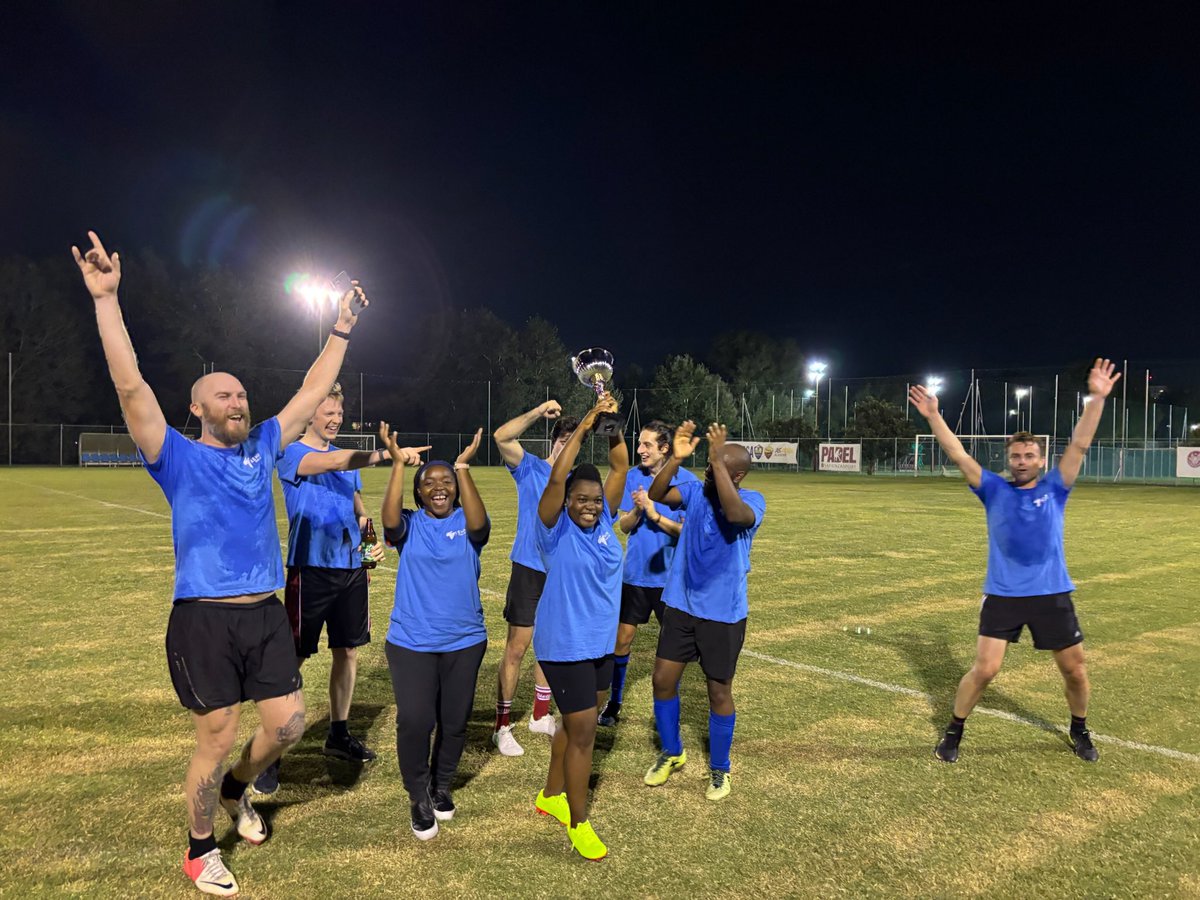
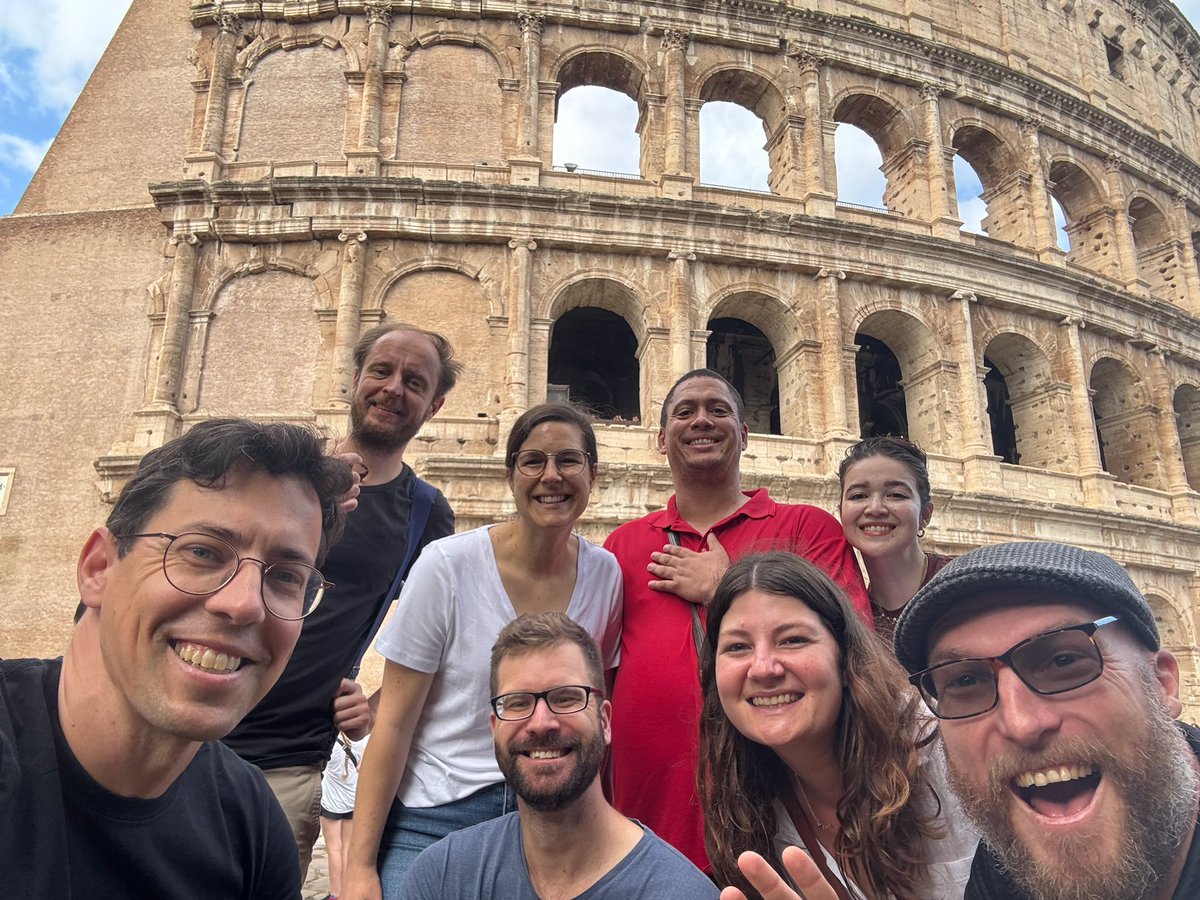
⭐ Thanks to the African Economic History Network and Sapienza University of Rome for inviting our LEAP team to #AEHN2024! Engaging with top academics on Africa's rich economic history was a fantastic experience. ⭐
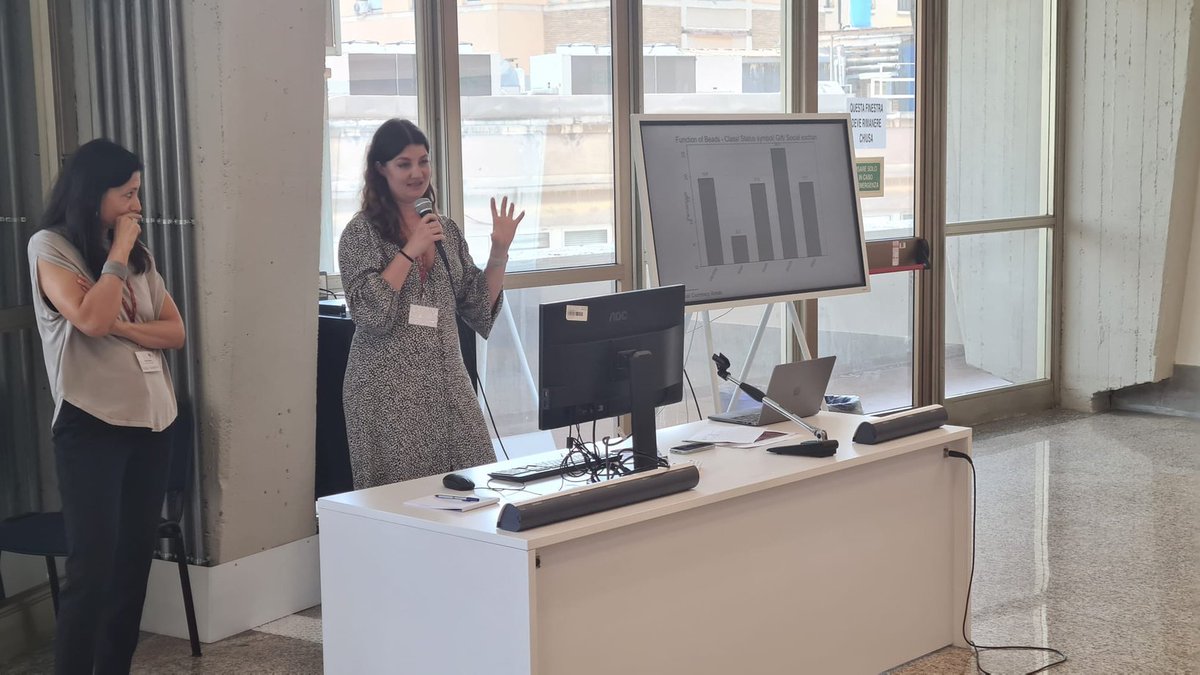
@KarinPallaver and @coetzeelauren presenting the preliminary results of our project (with @MoradiAlexander @Edkerby and @UbuntR314) @AfEconHis meeting in Rome.
"Currency areas in modern precolonial Africa: New insights from traveller accounts"
Yesterday, I successfully defended my PhD thesis! Huge thanks to my supervisors @JohanFourieZA and @Edkerby, committee, colleagues @LEAP_SU, friends, and family for their support. What a great learning experience – I wouldn't trade it for anything. Excited for what lies ahead.
Now on Early View:
'African time travellers: What can we learn from 500 years of written accounts?'
By Edward Kerby, Alexander Monradi and Hanjo Odendaal. @Edkerby @MoradiAlexander @UbuntR314@StellenboschUni@LEAP_SU @unibz_news @BERcoza
https://t.co/9TLrztftVF
@mininghistory @MoradiAlexander @UbuntR314 Great question @mininghistory. All the production and development data resides on cloud servers with the usual backup/protections. We're working toward a more interactive website (funding pending), but the real analytical action sits here https://t.co/3NyDsOI2jx. No risk of rot.
Looking back at LEAP's Frontiers of Finance this Friday:
Maphosa, L. M., Ehlers, A., Fourie, J., & Kerby, E. M. (2021). The growth and diversity of the Cape private capital market, 1892–1902. Economic History of Developing Regions, 36(2), 149–174. https://t.co/fEKB5p0I11
Trending in #History:
https://t.co/ySro5zQfg6
1) UN Tour Guides, Gender & Public Diplomacy, 1952–77 (@shafrdh)
2) The Fall of Constantinople & the New Political Dynamic in the Holy Roman Empire, 1453–67
3) Competitiveness, Civilizationism & the Anglosphere (@MIHJournal)
4) African time travellers: What can we learn from 500 years of written accounts? (@echistsocreview)
5) The Salvation Army, Eberhard Arnold & the Bruderhof
Come see @alexmoradi present a new paper on “Narratives from European-African Encounters (1400 - 1900)” at the @EcHistSoc. A 🧵 on this fascinating, ground-breaking research.
For comparison, how about an Econ textbook? Even @DAcemogluMIT has highs and lows to his micro textbook. Its starts wells and ends badly. The dismal science hits a low with market failure homework.
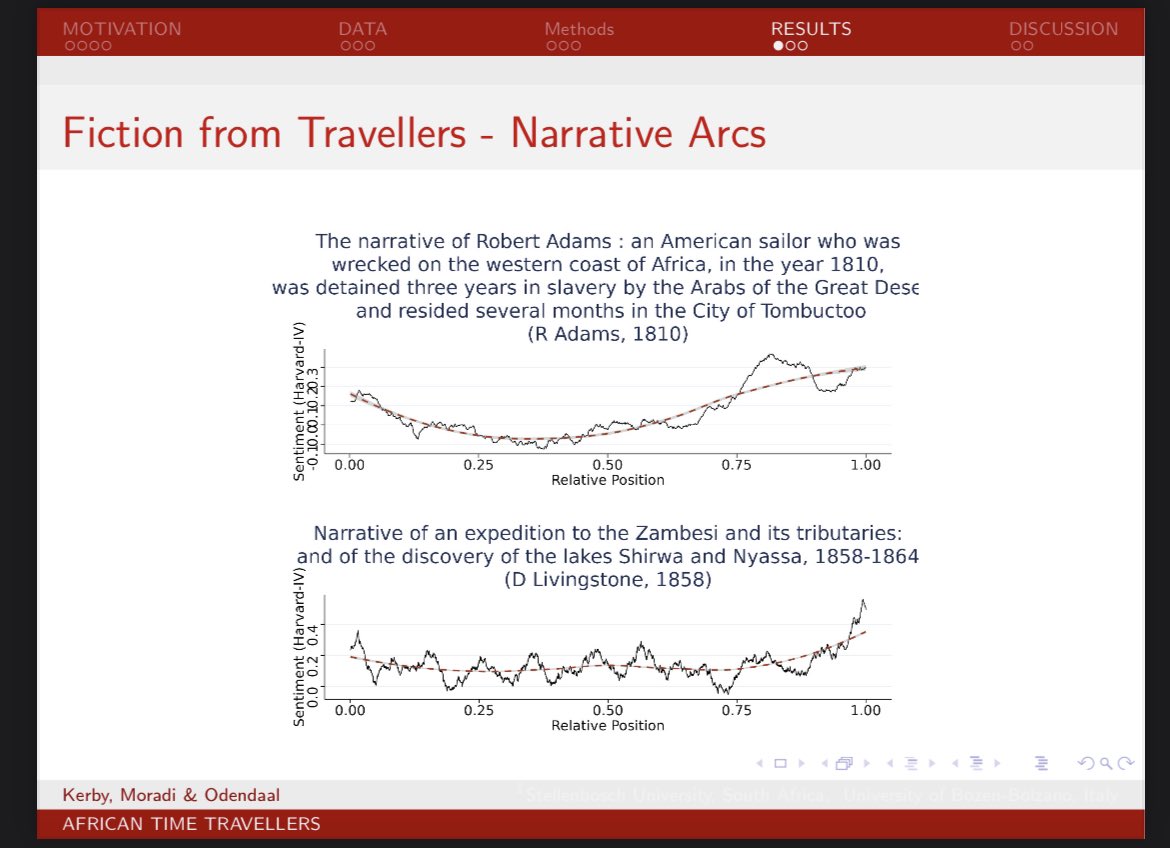
Can narrative arcs detect good stories from factual accounts? Exhibit 1: Adams (top) never travelled, while Livingstone (bottom) traversed the continent. Things were really bumpy for Livingstone with highs and lows of exploration in 1850. Adams had it too easy.
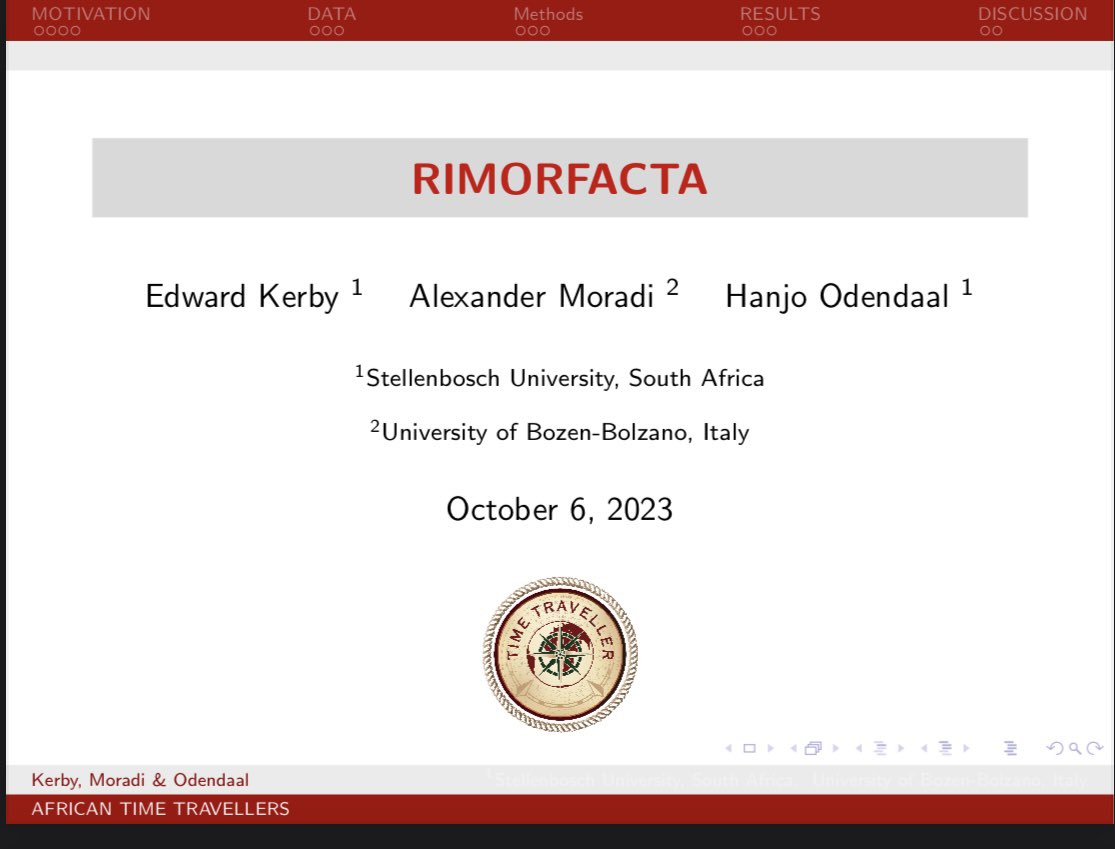
The Time Travellers are at the 2nd Bolzano Historical Economics Workshop @unibz_news, presenting Rimorfacta. Are Travellers to Africa (1500 - 1900) writing about facts or making up fiction?
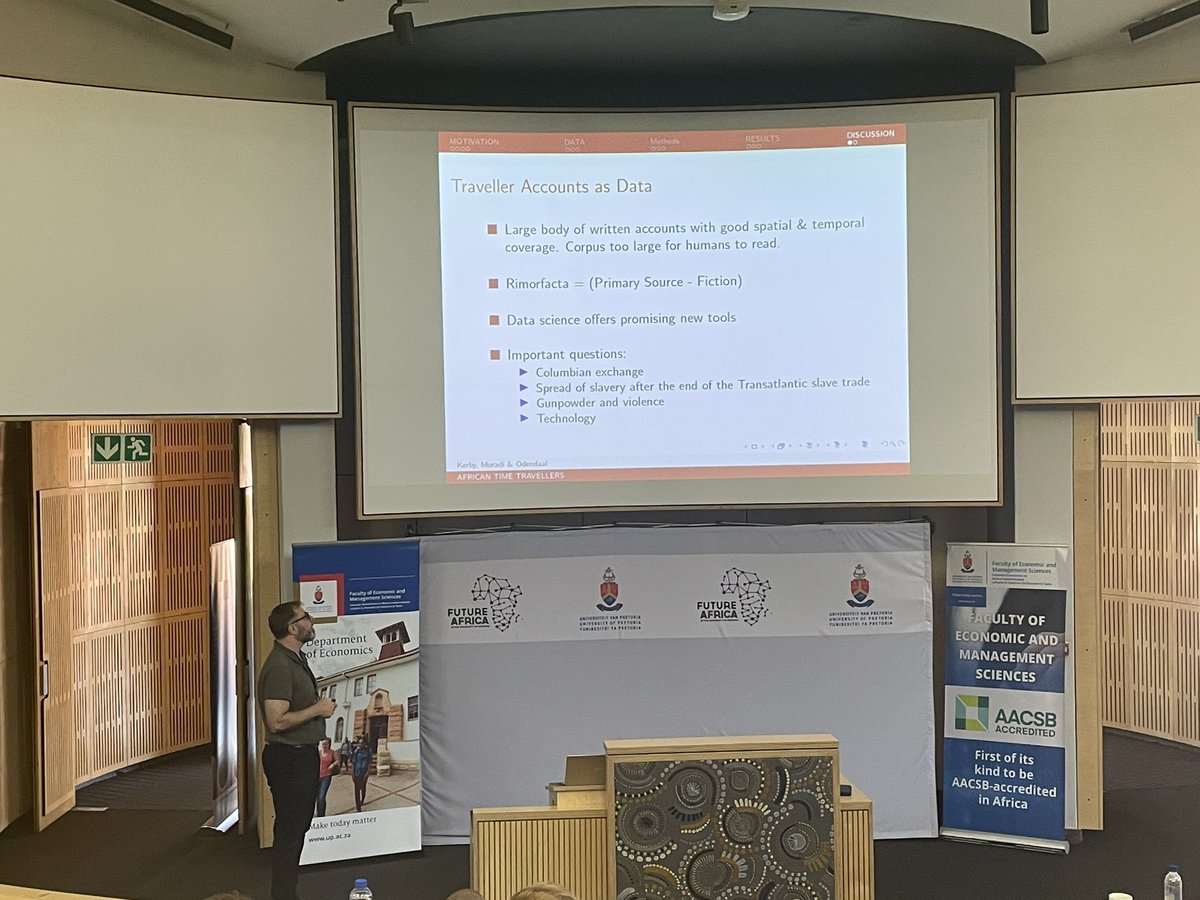
Rimorfacta = systematic #data from travellers in Africa (1500 - 1900). This data can answer important #economics questions about precolonial #agriculture, #slavetrade, gunpowder & violence, and #technology. @MoradiAlexander presenting this exciting new paper at the @AfEconHis.
If you're interested in learning more about Munashe's work, be sure to attend his presentation on Saturday, May 27th, 2023, from 11:00 am to 12:30 pm, during Session 7C: Empire, in Ariane 3.
Conference Programme link: https://t.co/kK7kpdBsA0
📕🌍New AEHN Working Paper No. 72 by @beckerbastian & @FelixMzS1 :
Women on a Mission: Protestant Legacies of Gender Equality in Africa?
Studying: (i) mission denominational effects, (ii) role of female missionaries on long-term women's educ + agency.
👇🏿
https://t.co/ETKyFTX1fn