Without a magnetic field, your atmosphere leaks to space. But losing 1% of it takes 100 million years. That same atmosphere shields you from almost all the radiation. We're looking for co-authors to help formalize this — or prove us wrong. https://t.co/gyWoFzmHYz
Terraforming Mars is a hard problem. You need to warm the entire planet by tens of degrees and make enough oxygen for humans to breathe. But you don’t need to create a magnetic field to live outside on a terraformed Mars.
Ancient #Mars was warm and wet, while today the red planet is cold and dry. Szczerba et al. use Curiosity rover data to show that the size and shape of iron oxide crystals provide a mineralogical marker of Mars' climate transition.
https://t.co/ezwOIWiRfG
One thing great stories share is that they work on multiple levels. This is definitely that: mars, purple paint, and how to become a better scientist 🤩
$125k total purse
$25k for Undergrads
$25k for Grad students
$75k for anyone, including working space pros
2-3 page submission.
Winning ideas will be get high-profile attention and be presented to national space leaders.
Hey armchair space policy wonks - YOU KNOW WHO YOU ARE - put your mouth where the money is! The @UCF Space Ideation Challenge is awarding up to $25,000 for individual awards from a purse of $125,000 simply for a short paper detailing YOUR POLICY THOUGHTS!
How could government improve outcomes via policies (think taxes, regulations, subsidies, advocacy...) that enable market forces to accelerate US leadership in space? You know you've got ideas, we've got an award and access to the national leaders who need to hear your thoughts!
Occasional updates of interest to the Green Mars community, such as the dates and locations of upcoming workshops, can be obtained by filling in this form: https://t.co/sKiUyal58S
By "time traveling" in opposite directions on two different sides of Mars, the Curiosity and Perseverance rovers are helping scientists reconstruct key details about the planet’s history.
Getting fusion to work is one of the hardest science and engineering problems
Getting it cheap enough to transform the primary energy supply civilization runs on is what ultimately matters
Mirrors orbiting Mars could warm its south pole and help thicken the atmosphere. If built as solar-sail spacecraft, they could fly themselves there at a fraction of today’s launch costs.
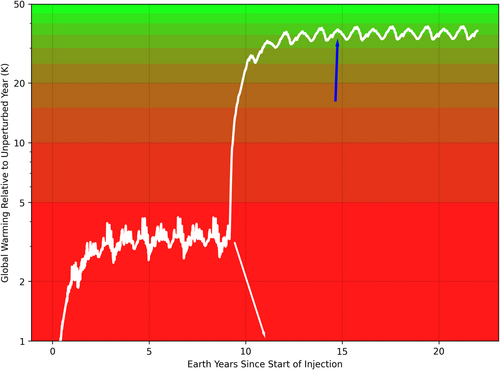
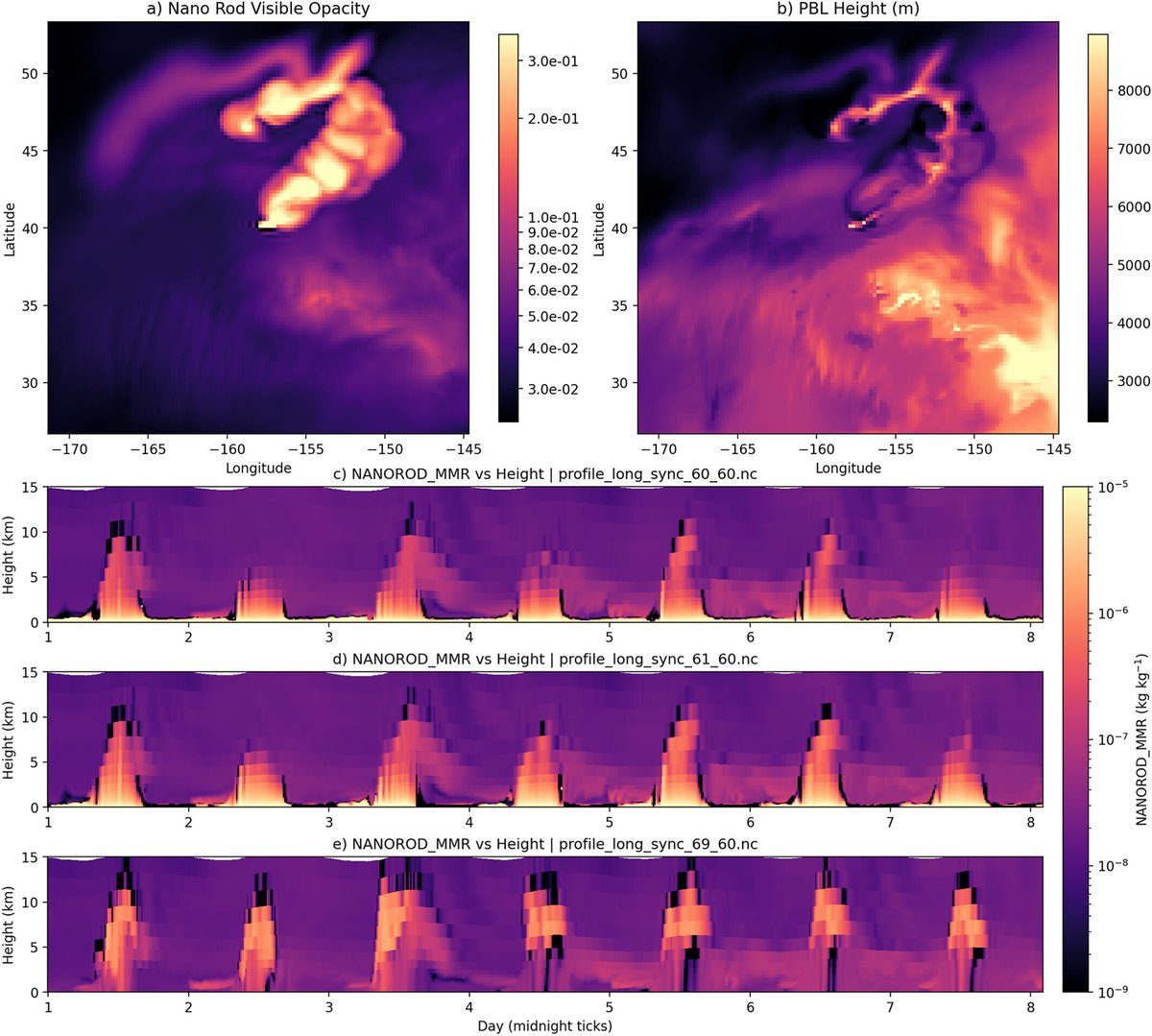
Check out these preliminary results from one of Astera's Residency teams.