No matter how scary your Halloween decorations are, it's hard to beat the spiders of Mars. These large radiating mounds, most often seen near the south pole, form when carbon dioxide gas breaks out from beneath the frozen surface. https://t.co/zTN6QwTWgF
Home soon… 🌎
After a yearlong stay isolated inside a simulated Mars habitat, our CHAPEA crew is set to “return” to Earth Oct. 31. Tune in at 3:00pm ET to watch the crew exit the habitat and reunite with family, friends, and the NASA teams behind the mission! Learn how you can watch: https://t.co/4qYn5RCpBB
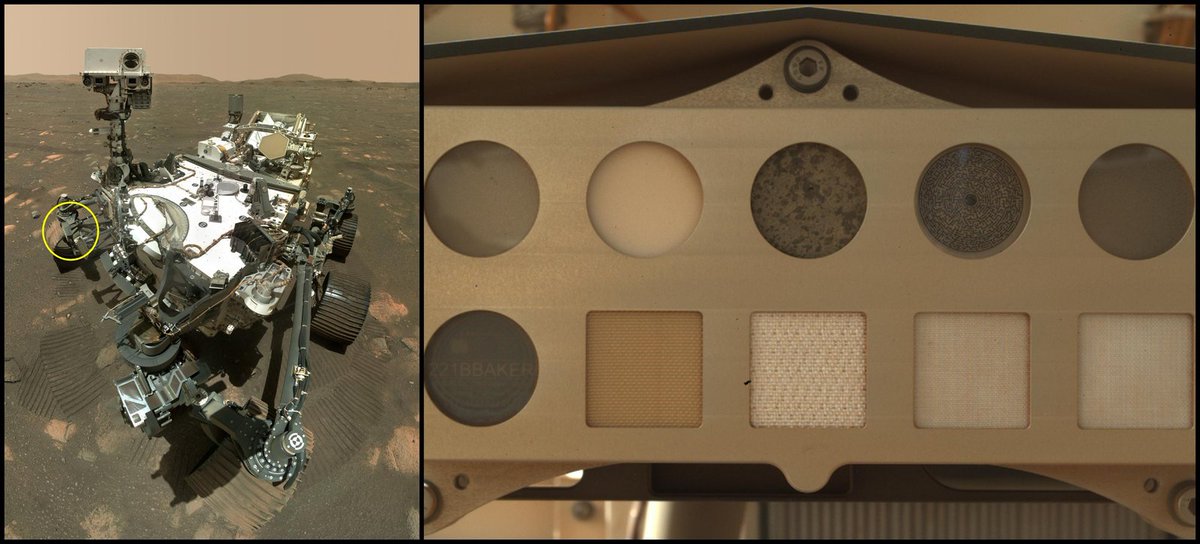
The study is based on analysis of sample spacesuit materials that were placed on the rover to help prepare for future exploration. Learn more: https://t.co/Nd49Kqhno8
We’ve known since the Apollo missions that dust can present challenges for explorers on other worlds.
Now, scientists are using instruments on the Perseverance rover to understand the risks of dust on Mars and find clues about how to protect future crews on the Red Planet. ½
On Oct. 24, 2001, NASA's Mars Odyssey spacecraft slipped into orbit around the Red Planet.
25 years later, it's still conducting science and relaying messages from the rovers, making it the longest-operating orbiter ever at a planet beyond Earth. ½
28.1 miles. A new off-world record on Mars.
After more than 2,000 Martian days exploring Jezero Crater, @NASA’s Perseverance rover continues to show what’s possible when science, technology, and exploration come together.
Congratulations @NASA and @NASAJPL. Here’s to pushing boundaries, on Earth and beyond.
One year on Mars. One final check-in. 🔴
On this week’s #HWHAP, the CHAPEA 2 crew reflects on life inside NASA’s simulated Mars habitat, what they’ve learned and what they’re looking forward to as their 378-day mission approaches its end. https://t.co/eo5RCYc8Fd
Perseverance has set a new off-world record! 🏅
On Oct. 11, the rover's odometer hit 28.10 miles (45.22 kilometers), eclipsing the distance record set by NASA's Opportunity rover. 1/2
Still making tracks and doing science!
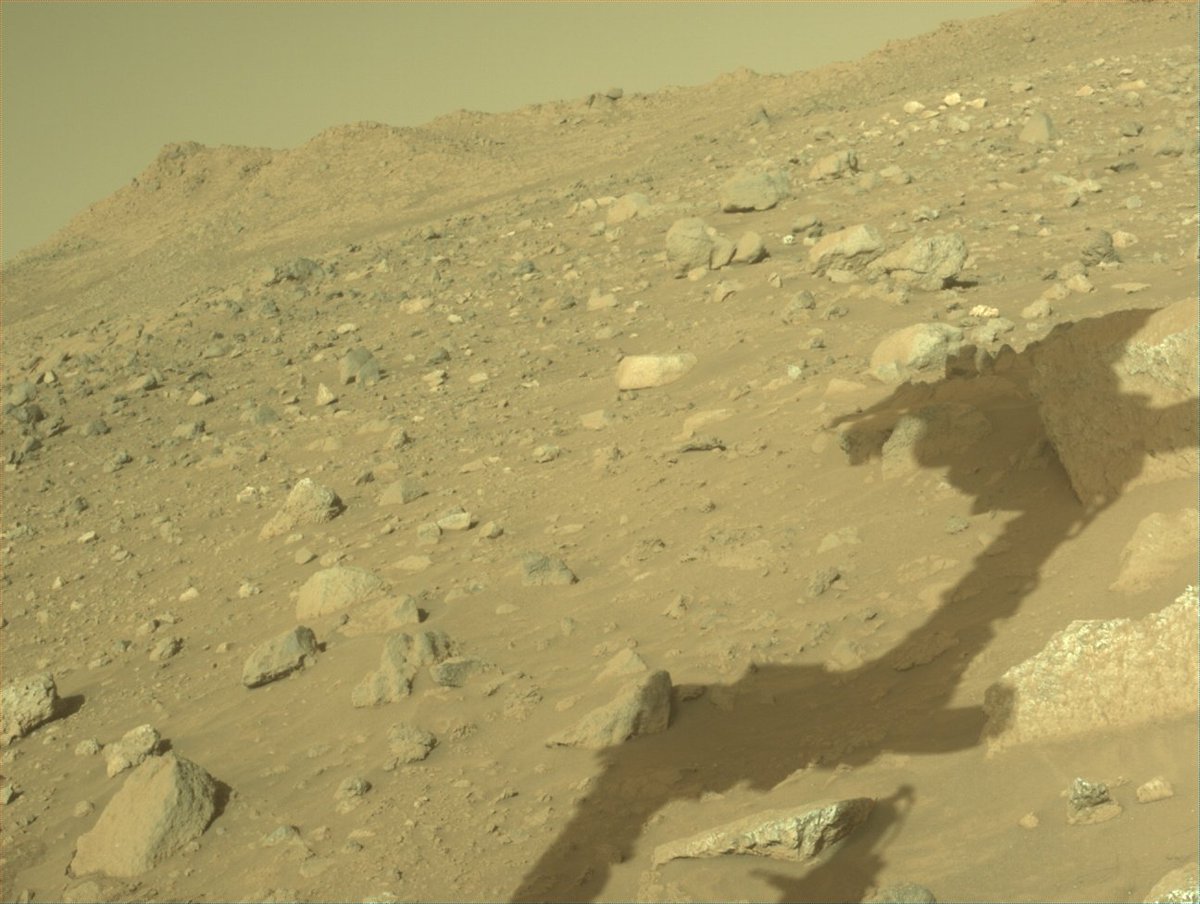
Since breaking the all-time off-world driving distance record on Oct. 11, Perseverance has continued work on the Red Planet. ½
Follow along with Perseverance as it continues its deep dive into the story of Mars, exploring some of the oldest rocks ever encountered on Mars or Earth. https://t.co/ototzhfvEQ
@scottcomplains JAXA's MMX mission (with NASA science instruments on board) is headed to Mars right now to land on its moon Phobos and return a sample to Earth.
Have a research idea that could advance NASA science? 🔬
NASA plans to release ROSES-27 by January 2027, with over 50 research opportunities spanning astrophysics, Earth science, planetary science, heliophysics, space biology and more.
Start planning: https://t.co/mPfms0AECl
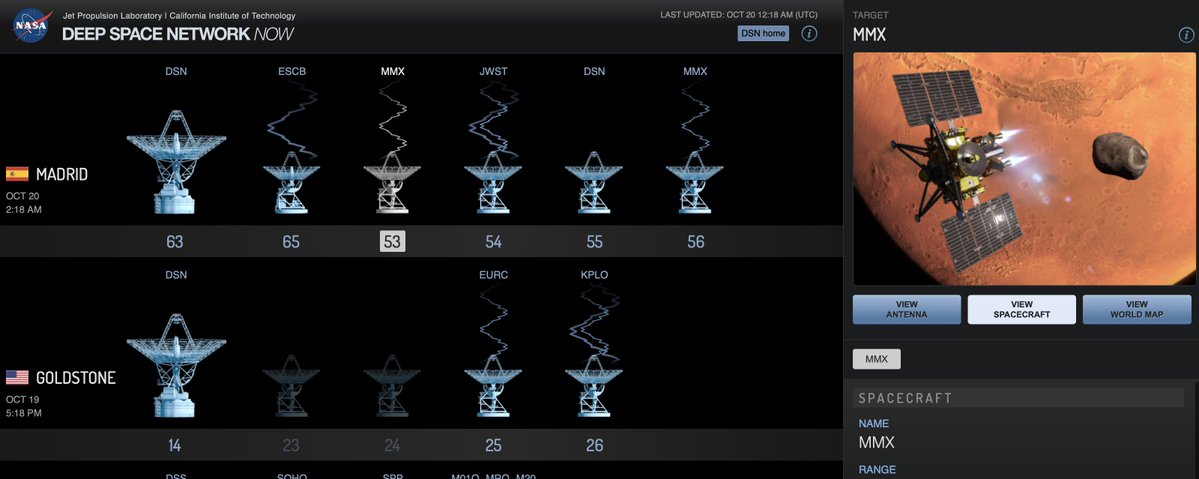
NASA is also providing MMX with communication and navigation support via NASA's Deep Space Network. The station in Madrid is receiving information from the spacecraft right now! https://t.co/JQ4AmP6uIx
Reimagining Mars helicopter blades 🚁
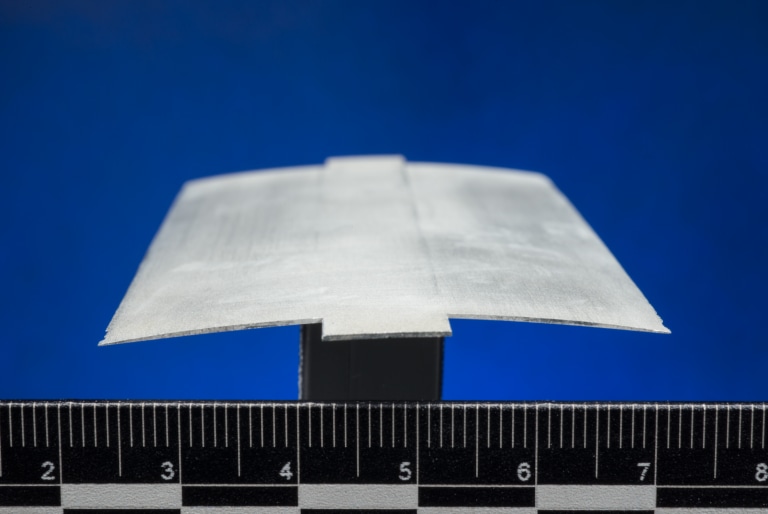
NASA engineers are testing new rotorcraft blade designs using computer simulations and wind tunnels. This innovation could help future Mars flyers travel higher and farther, while carrying out science missions.
Learn more: https://t.co/MQmd6E4L8B
NASA is also providing MMX with communication and navigation support via NASA's Deep Space Network. The station in Madrid is receiving information from the spacecraft right now! https://t.co/JQ4AmP6uIx
The MMX spacecraft carries two pieces of NASA hardware: The MEGANE instrument will be key to revealing the origin of Mars’s moons by measuring their elemental composition.
The P-Sampler demonstration will advance capabilities for surface material acquisition in low gravity. ½
Congrats to @JAXA_En on MMX! By returning samples from Phobos, Mars’ larger moon, the mission will add to decades of Mars exploration and help shape future discoveries and potential crewed missions to the Red Planet.
We've studied the moons of Mars from Earth, from orbit, and even in the sky as seen from the surface. (This view comes from the Curiosity rover.) Now, the @JAXA_en MMX mission will see them up close, and even bring a sample home. NASA will be assisting each step of the way. 1/2