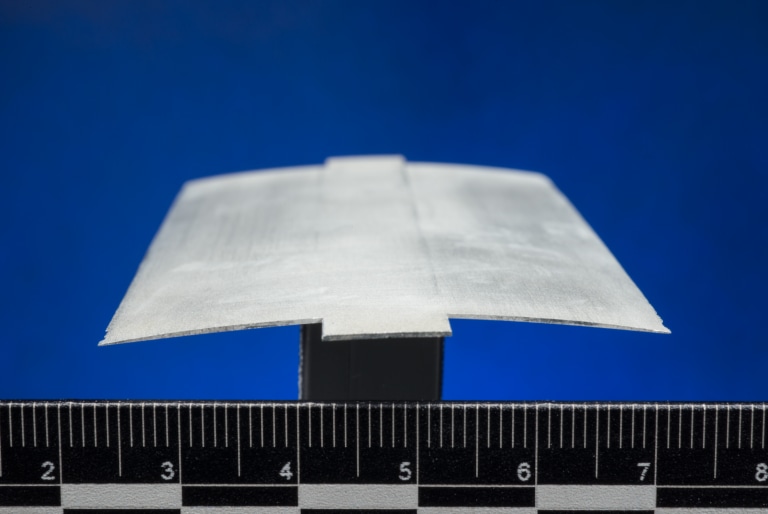
Reimagining Mars helicopter blades 🚁
NASA engineers are testing new rotorcraft blade designs using computer simulations and wind tunnels. This innovation could help future Mars flyers travel higher and farther, while carrying out science missions.
Learn more: https://t.co/MQmd6E4L8B
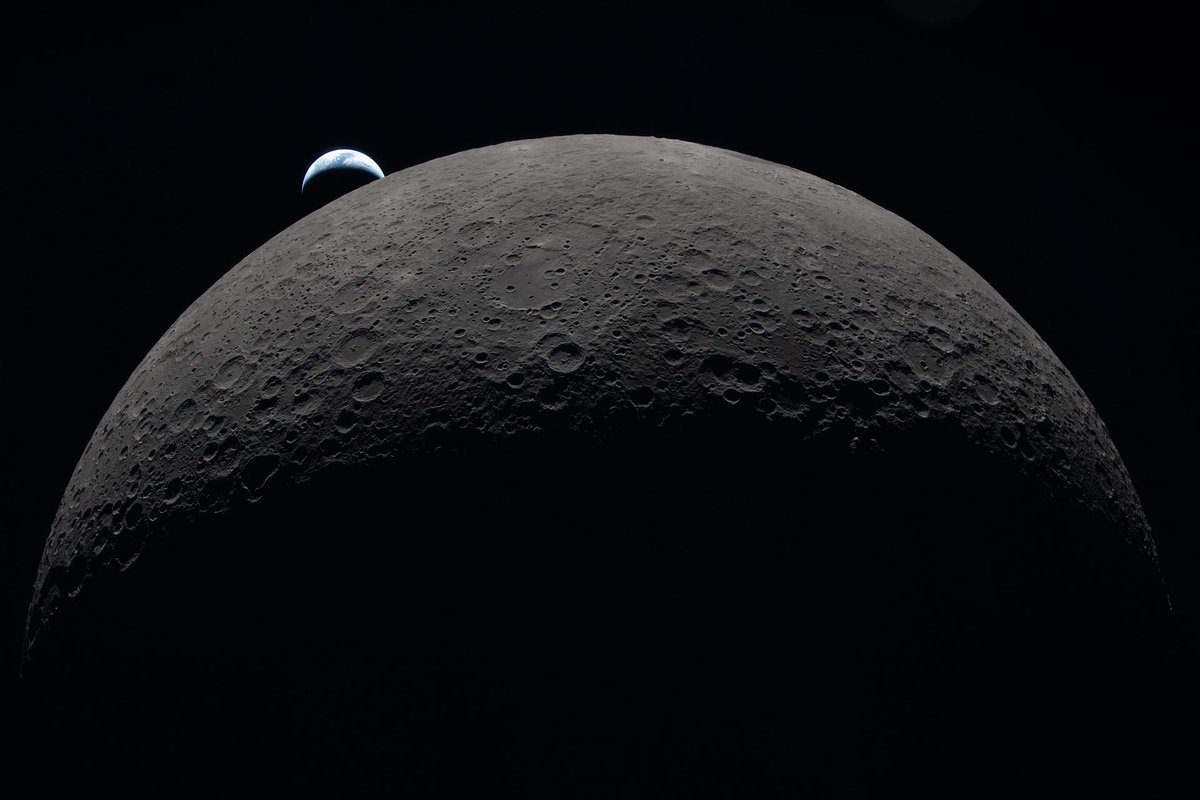
“We’ve never been in this vantage point in the history of humankind.”
The Artemis II solar eclipse was a lot. In a good way. (54 minutes of totality! That's way longer than we get on Earth.)
Explore more from the mission: https://t.co/VTUbJMrjIa
One year. New heights. Faster speeds. ✈️
Since its first flight on Oct. 28, 2025, NASA's X-59 has continued pushing the boundaries of aviation.
See how far we've come in just one year!
https://t.co/N7ew2vnCtI
#NASAaero#Quesst
Feeling brave? We dare you trick or treat at the house with the cosmic keyhole. 🔑
1,350 light-years away, young stars illuminate dusty wisps of NGC 1999. This nebula skirts around a keyhole-shaped void – a gap that continues to puzzle scientists today!
Learn more: https://t.co/T5KwQlorR5
Members of the media are invited to tour a new lunar landing simulation at @NASAAmes on Oct. 29 & 30.
Using simulators will give astronauts and engineering teams experience before crews pilot commercial human landing systems to the surface of the Moon.
🔗https://t.co/S6a03M1sbK
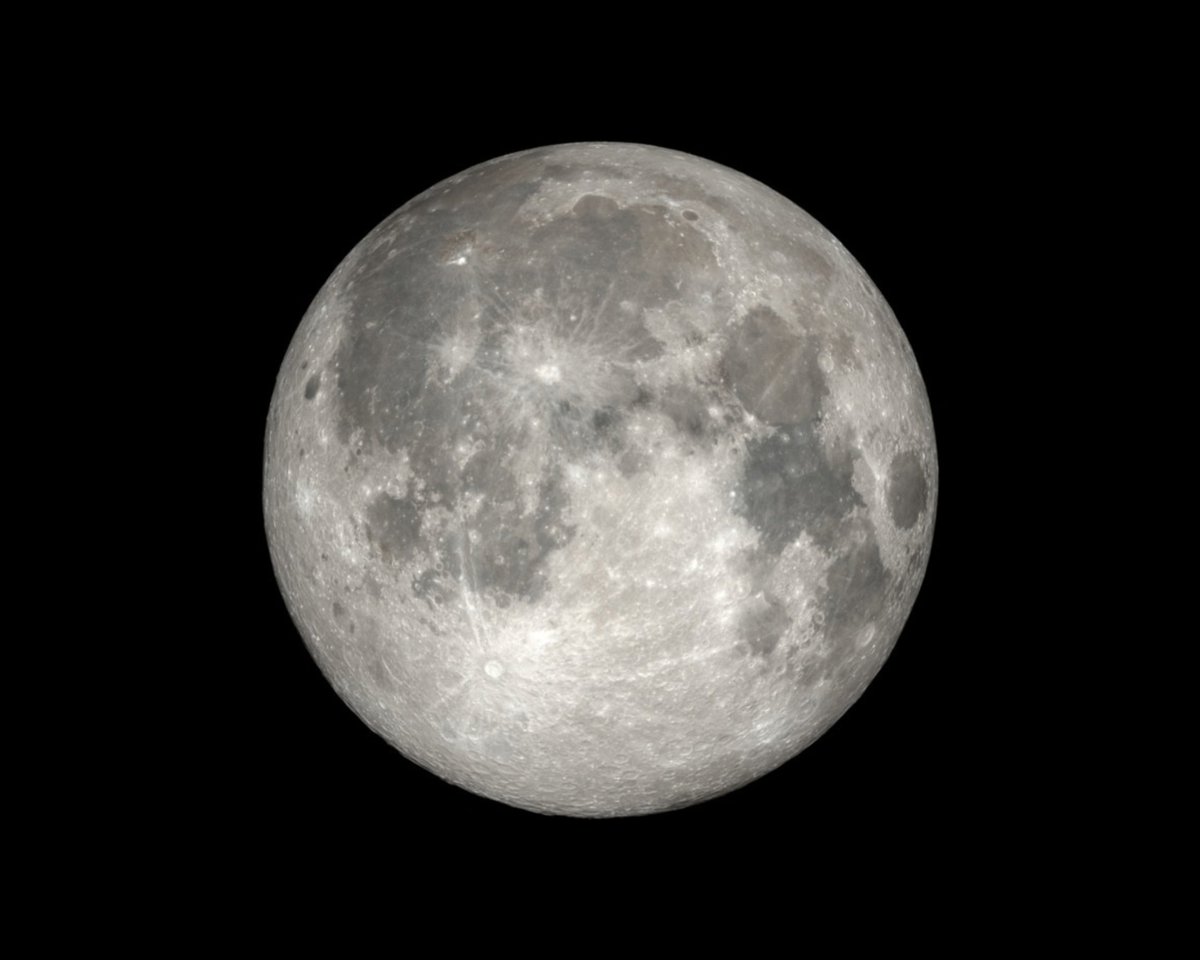
On the hunt for a full moon? Keep an eye out this weekend! 🌕
The Hunter’s Moon will reach peak illumination late Sunday evening. The best time to view will be shortly after sunset.
Ready for an Artemis update?
Tune in Friday, Oct. 23, at 2 p.m. ET (1800 UTC) to hear our latest progress and accelerated plans for Artemis lunar missions.
Watch live: https://t.co/EePpimRqsU
A cosmic butterfly 🦋
In this shimmering view captured by @NASAHubble, the complexities of the Twin Jet Nebula are seen in striking detail, with lobes of material stretching outward while jets of gas stream from a central star system.
There's a lot of ground to cover when you're building a Moon Base.
During the first phase of @NASAMoonBase development, robotic rovers will gather new details about the lunar South Pole region, while lunar terrain vehicles will extend the reach of each Artemis mission.
Post-flight analysis confirms the Artemis II Orion heat shield performed as expected during its Mach 39 reentry, protecting the spacecraft and the astronauts aboard as they returned from the 694,481-mile journey around the Moon. https://t.co/lfibBY6AQc
Snapshots of Saturn 🪐
OTD in 1997, NASA’s Cassini spacecraft launched to explore the wonders of Saturn.
For more than a decade, Cassini studied the jewel of our Solar System, including its spectacular rings and icy moons. Take a look at some images captured along the way!
Built to survive scorching heat 🔥
Our KREPE‑3 experiment is testing some flexible, faster‑to‑produce, lower cost heat shield materials.
Today, the Cygnus XL spacecraft left @Space_Station with twelve capsules that will eject during Earth re-entry, sending back performance data on next generation heat shields.
Learn more: https://t.co/HgIcIF4gOT
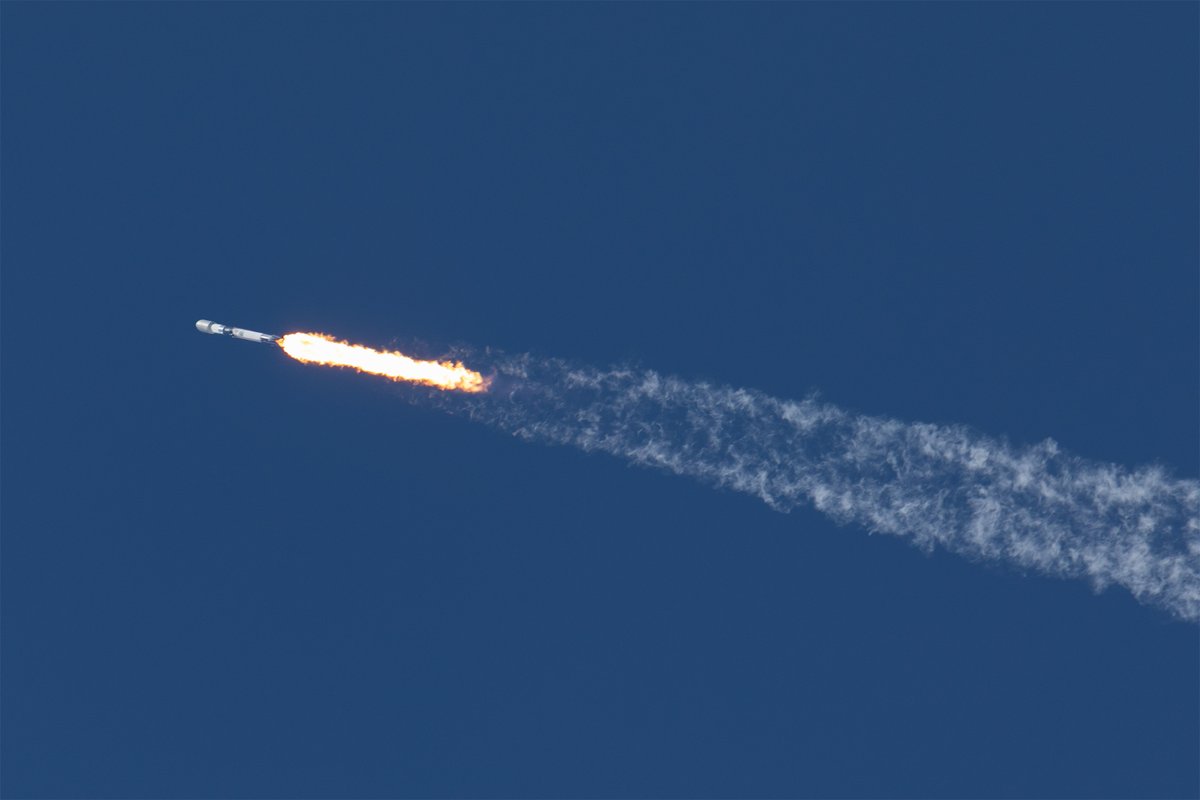
New tech is in orbit! 🛰️
Last week, our Small Spacecraft Propulsion and Inspection Capability mission launched to low Earth orbit to demonstrate new technologies that could one day support autonomous guidance for in-space repairs.
Learn more about the SSPICY mission: https://t.co/GdQqiU60LQ
A huge library of Artemis II data just dropped! Science is a relay race, and today marks the latest in a long series of handoffs. 814 GB of observations. 996 new images. 521 min of never-before-released crew audio.
Dig in: https://t.co/VTUbJMrjIa
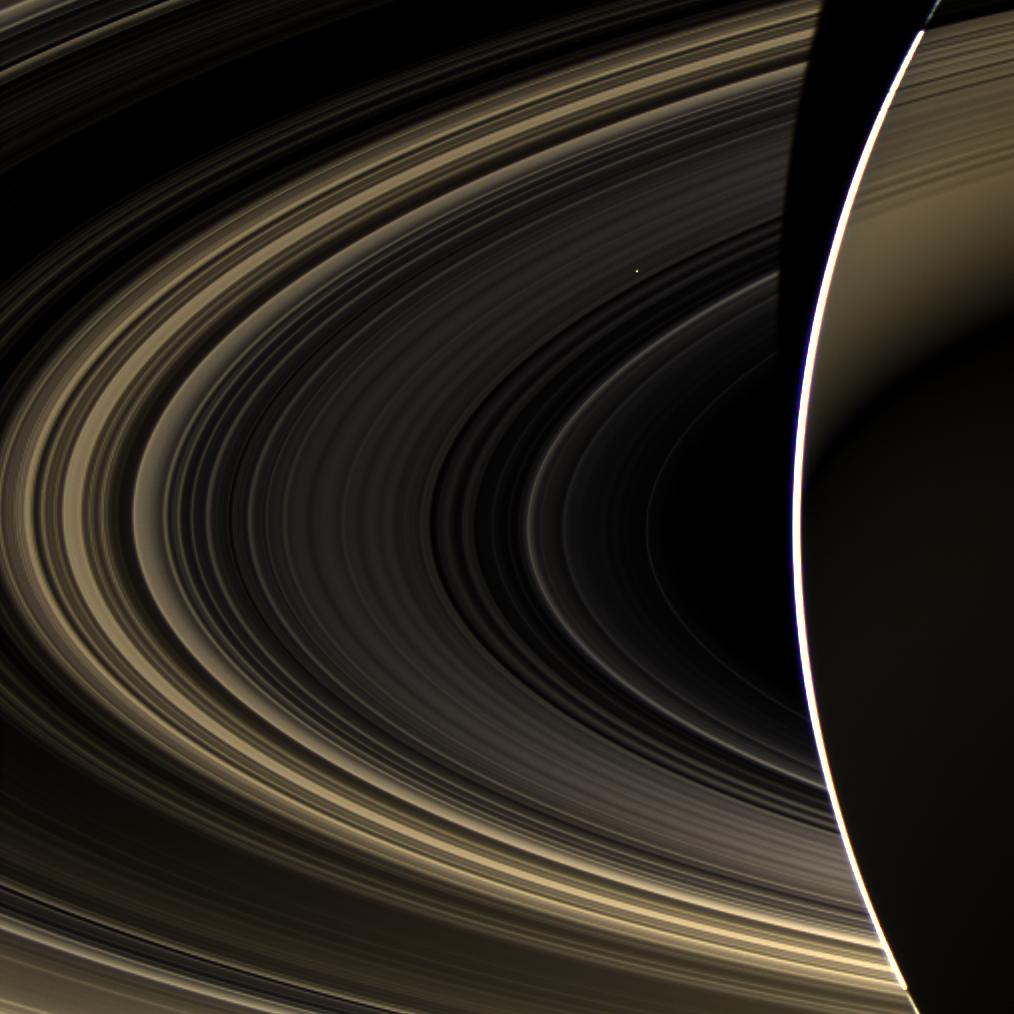
Though Venus only appears as a white dot just above and to the right of the image center, this view was made possible as Cassini entered the shadow of Saturn and looked toward the Sun.
Quite the planetary view 🪐
While Saturn’s rings put on a stellar display in this image captured by our Cassini spacecraft, take a closer look at the bright spot gleaming within them—that’s Venus!
ICYMI: Four People. Three SmallSats. Two Launches. Opposite Coasts. One Great Day for NASA! 🚀🚀
NASA teams supported two launches on Oct. 1. At 11:10 a.m. ET, the @SpaceX Crew-13 mission departed Florida for the @Space_Station, carrying @NASA astronauts Jessica Watkins and Luke Delaney, @csa_asc astronaut Joshua Kutryk, and Roscosmos cosmonaut Sergey Teteryatnikov on a science expedition to the orbital lab. Just over three hours later, three NASA SmallSats launched on SpaceX’s Transporter-18 mission from California to demonstrate new propulsion technologies, study how galactic dust and high-energy radiation move through galaxies, and advance capabilities for inspecting inactive satellites.
The three satellites were:
• APDM: ASCENT Propulsion Dual Mode CubeSat
• SPRITE: Supernova Remnants and Proxies for ReIonization Testbed Experiment
• SSPICY: Small Spacecraft Propulsion and Inspection Capability
NASA has selected three new science investigations through its PRISM program to prepare for humanity’s first lunar outpost, @NASAMoonBase.
From monitoring hazards to finding natural shelters and mapping water ice, take a look at the science paving the way for lunar exploration: https://t.co/f5iif5BkkY
The Corn Moon is coming soon to a field near you 🌽
Celebrate harvest season beneath the glow of the full moon this weekend! Look east as the Sun sets on Sept. 26 for the best view and let us know if you spot nearby Saturn.