Two scientists. One unforgettable view of our planet.
What's it like to see the Artemis II Earthrise image through the eyes of a lunar scientist? How about an oceanographer? Jacob Richardson & Ivona Cetinic are here to tell us.
Explore Artemis II data: https://t.co/VTUbJMrjIa
As today’s space-based laser instruments measure Earth's terrain, they leave gaps that can include millions of acres.
Learn how NASA CASALS blends machine learning with an ultra-compact lidar to eliminate blind spots and create truly 3D images of Earth’s surface: https://t.co/UZuzoyZyPy
Planting the seeds for deep space exploration! 🌱🚀
Astronauts on the space station are continuing to test ways to grow fresh food in microgravity using plant pillows, advancing @NASAScience_ research on seed storage and crop growth capabilities for future exploration missions.
Have a research idea that could advance NASA science? 🔬
NASA plans to release ROSES-27 by January 2027, with over 50 research opportunities spanning astrophysics, Earth science, planetary science, heliophysics, space biology and more.
Start planning: https://t.co/mPfms0AECl
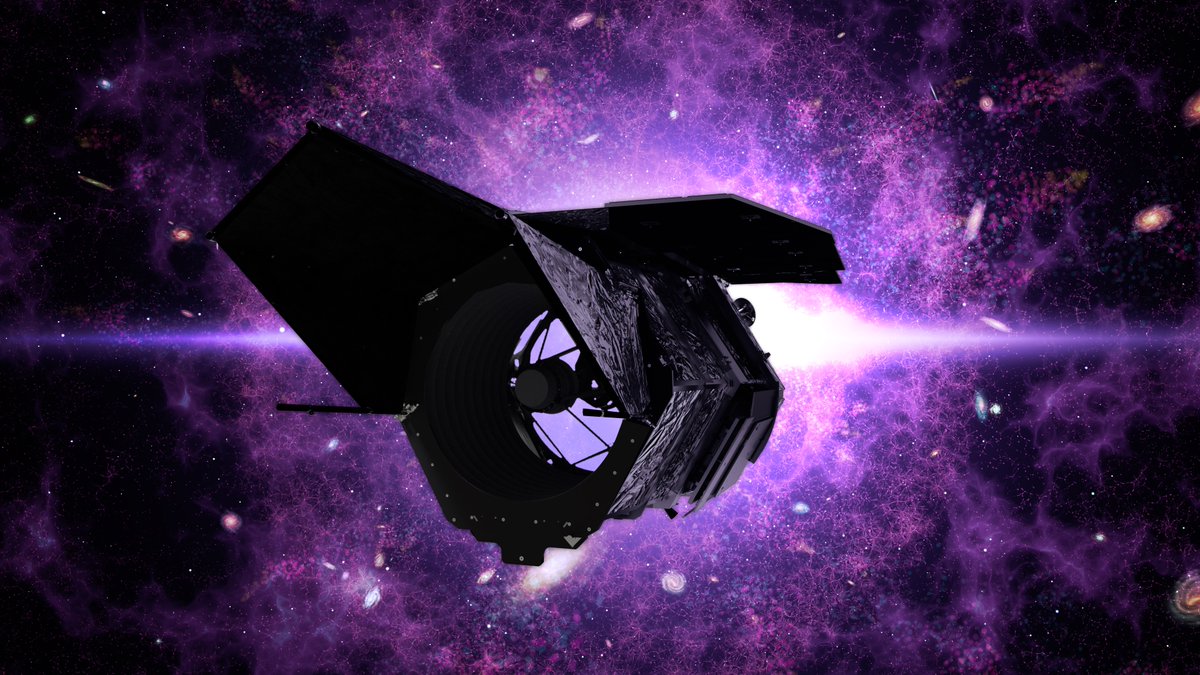
Join NASA’s Night Sky Network on Thursday, Oct. 22, at 5:00 p.m. PT (8:00 p.m. ET) for a livestream all about Roman! Learn about the telescope and how it will unveil the cosmos in ways never before possible. The event will also be recorded. Details: https://t.co/t74qWWo5iy
Day meets night at the lunar terminator. 🌗
The @NASAArtemis II crew highlighted this shadowy frontier during their close encounter in April. Now it’s your turn to explore! No spaceship needed.
With its quick reflexes, flexible scheduling, and multiwavelength vision, our Neil Gehrels Swift Observatory has made discoveries with nearly every NASA space telescope during its 22 years in space.
As the mission winds down, let’s see how Swift’s collaborations have helped us unravel the mysteries of the cosmos.
🔽
A powerful launch. Big questions about life in space 🚀
Now on the @Space_Station, four NASA investigations will study brain cells, crop disease, astronaut health monitoring, and antibiotic-resistant bacteria.
What we learn could help protect crews and support future exploration.
https://t.co/DQ2KF6aNxz
One step closer to boots on the Moon! 🌙
To prepare for Moon Base, NASA needs to know what physical tasks crews can handle immediately after landing—and Artemis II provided some insight.
Soon after splashdown, the crew suited up and tackled mission-critical tasks, demonstrating successful performance within hours of their return.
From the Artemis II crew, to the lunar science team, to you. 🌒🫶
Six months have passed since humanity’s most recent visit to the Moon, and a huge library of data from their journey is now available to explore. Get the story: https://t.co/VTUbJMrjIa
AVATAR-Org1 launched this morning and is on its way to @Space_Station! 🧠
Following AVATAR’s journey around the Moon on @NASAArtemis II, this new investigation will study lab-grown brain tissue to better understand how spaceflight affects human health.
https://t.co/KWkgW8PAwT
Fitness goals don’t stop in space 💪
During their mission, @NASAArtemis II astronauts used a compact device, the flywheel, similar to a rowing machine, for daily exercise. Using the device helped the crew maintain muscle strength on their mission.
Ready to make an impact!?
The @NASAArtemis II crew spotted lunar impact flashes, brief flickers from space rocks hitting the Moon. Their data matched reports from Earth-based volunteers. Grab your telescope and join the Impact Flash! project today: https://t.co/8dNuEj8qL8
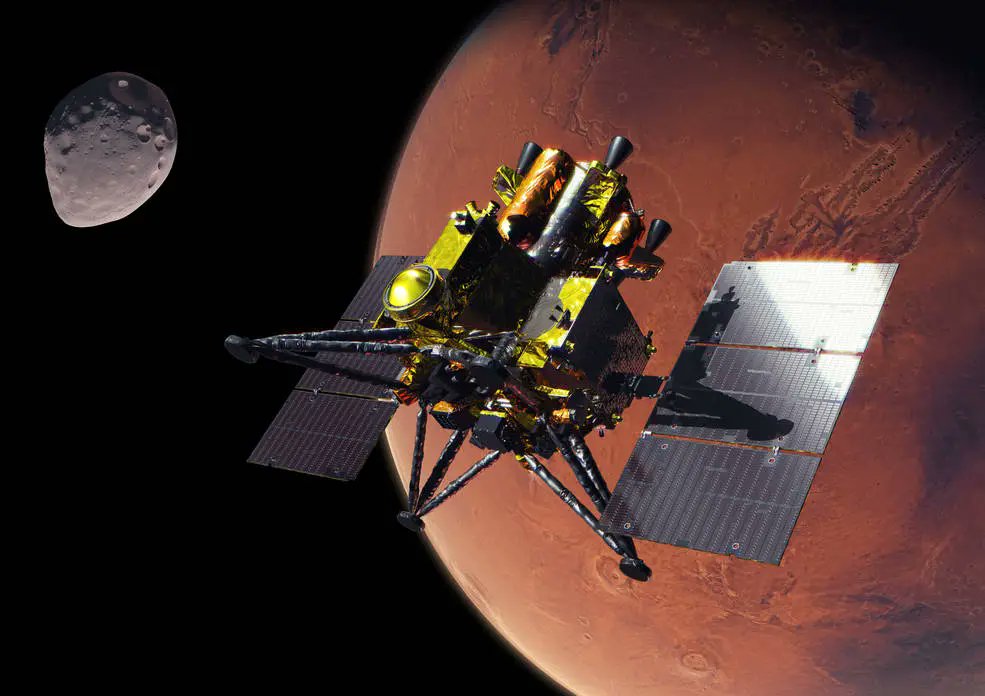
Media are invited to join NASA for a teleconference at 4 p.m. EDT, Thursday, Oct. 15, to preview the agency’s contributions to @JAXA_en's Martian Moons eXploration (MMX) mission, which will explore the Red Planet's moons and return a sample of Phobos.
https://t.co/ZERtlgRCcW
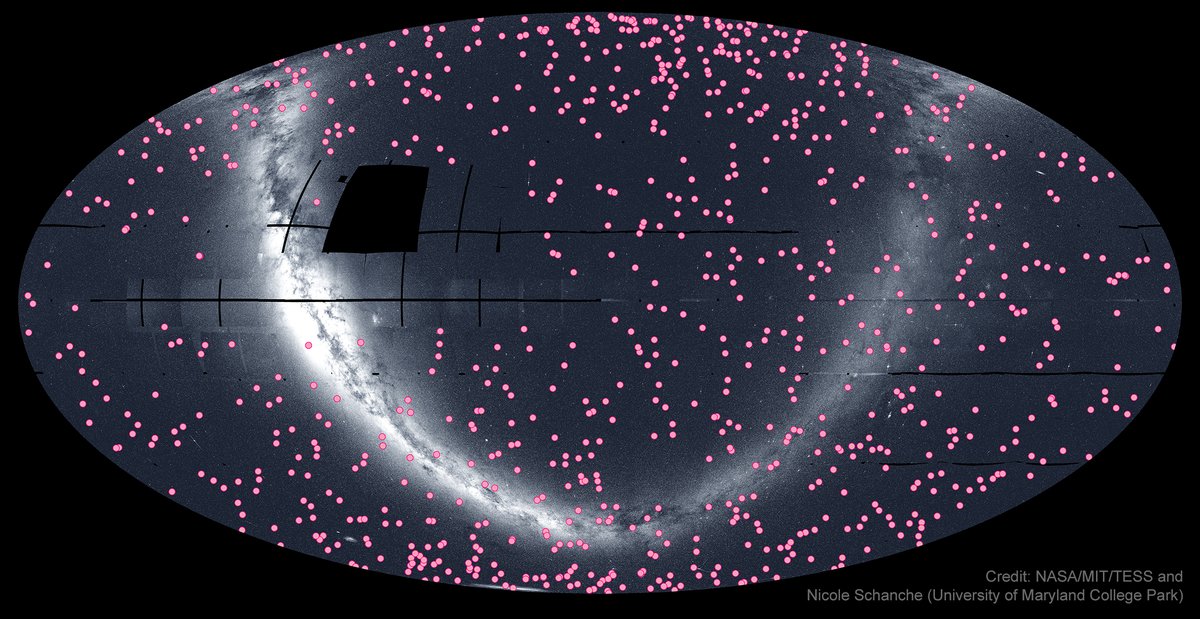
Our planet-hunting TESS mission has reached an exciting milestone: over 1,000 of the exoplanet candidates it has discovered since its 2018 launch have been confirmed!
Let’s explore some of these intriguing worlds beyond our solar system … 🧵
The data is out. So what happens next?
Scientists, researchers, students, and curious minds around the world can dig in, ask new questions, and collaborate to deepen our understanding of the Moon. What we learn today can help inform future lunar missions as we explore the Moon and prepare to go farther.
A huge library of Artemis II data just dropped! Science is a relay race, and today marks the latest in a long series of handoffs. 814 GB of observations. 996 new images. 521 min of never-before-released crew audio.
Dig in: https://t.co/VTUbJMrjIa