Wheels up for NASA’s X-59. ✈️
In its first wheels-up flight, the aircraft revealed its sleek, streamlined design—key to reducing sonic booms to a quiet thump.
See how this milestone moves us closer to quiet supersonic flight over land:
https://t.co/GZ6BvYWwX3
From serving our nation to shaping the future of flight. ✈️
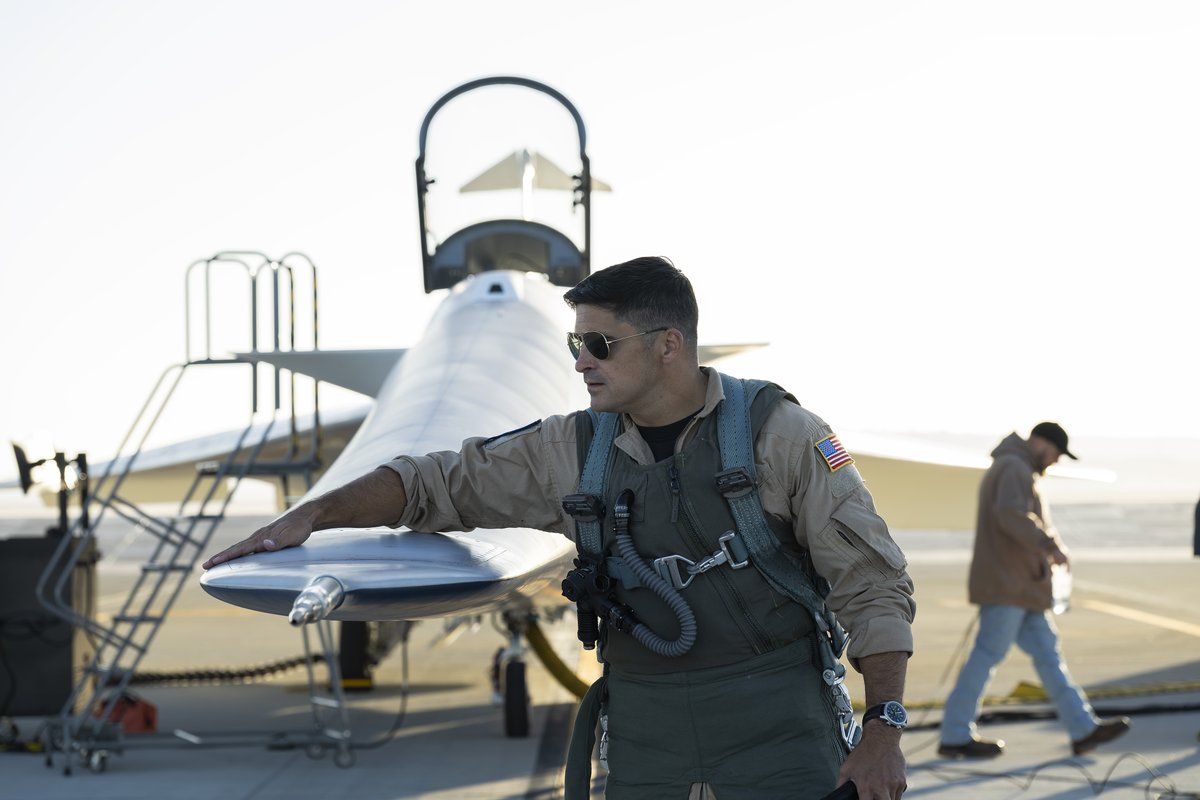
This #VeteransDay, we honor X-59 test pilots Clue, Nils, Mike, and all veterans helping advance NASA’s Quesst mission.
🇺🇸 https://t.co/kh8lqybyK7
⚡ Technology Success: University of Illinois Urbana-Champaign
Check out how students are helping advance the future of flight! ✈️
Through NASA-supported research, students are developing innovative technologies for a hydrogen-powered passenger aircraft, including electric propulsion systems and the world's first electric motor to use superconducting coils in its rotor.
🔗 https://t.co/L6Ny8weSCl
Flying high!
Today, our X-59 quiet supersonic X-59 aircraft traveled from Birmingham, Alabama, to Daytona Beach, Florida. The aircraft aims to fly faster than sound with just a gentle thump rather than a sonic boom — helping usher in a new era of faster air travel.
We're prepping to feature X-59 at MAX POWER and will provide updates soon!
Very pleased to announce our newest X-plane, the X-70 Fractal, is joining the @NASAaero fleet to research and develop advanced flight control technology far beyond anything tested in a crewed aircraft. She will take flight under the @NASA banner within the next two years. The science fiction future we imagined as children is ours to build... and I promise, there will be more 🇺🇸
🚨 BREAKING: Introducing X-70 Fractal, @NASA's newest experimental aircraft!
This crewed, modular aircraft will allow the agency to rapidly swap out internal & external payloads to help keep pushing the frontiers of aviation technology! @nasaadmin
Details: https://t.co/uSF1VRgdQE
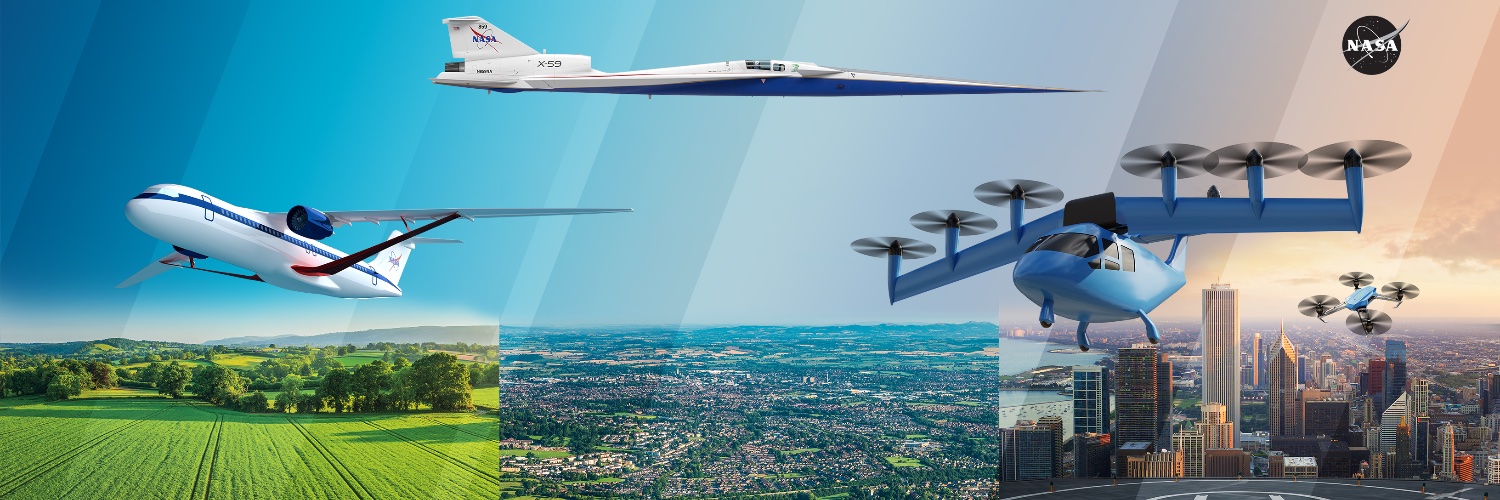
The aircraft lineup just keeps getting bigger. ✈️
MAX POWER, a new aerospace expo, is set for Nov. 7-8 @NASAKennedy — featuring flyovers and static displays, including NASA’s F-15, F-18, T-38, and ER-2 aircraft.
Details on how to join us: https://t.co/TLLfVBgYnZ
From NASA student researcher to drone entrepreneur! 🚁
Gavin Gardner credits NASA’s University Student Research Challenge with helping him develop the technical and business skills that contributed to co-founding AG3 Labs.
Read his story: https://t.co/A3ah9BVmF2
One year. New heights. Faster speeds. ✈️
Since its first flight on Oct. 28, 2025, NASA's X-59 has continued pushing the boundaries of aviation.
See how far we've come in just one year!
https://t.co/N7ew2vnCtI
#NASAaero#Quesst
NASA test pilot Mike Lippert completed his first flight in the X-59, marking his first time flying an X-plane.
After years flying high-performance aircraft and months preparing for the mission, Lippert completed high-altitude test points and handling evaluations to support the X-59 flight test campaign.
"For as long as I can remember, I've dreamt of doing exactly what I got to do today."
🔗: https://t.co/jpa9kIQn8a
What can a glowing wing tell us about the future of flight? ✈️
At NASA Langley, researchers used unsteady pressure sensitive paint for the first time on a large-scale, freely moving model in Langley's Transonic Dynamics Tunnel, turning changes in airflow into data researchers can see.
Learn more: https://t.co/RregMzKVQo
Video credit: NASA
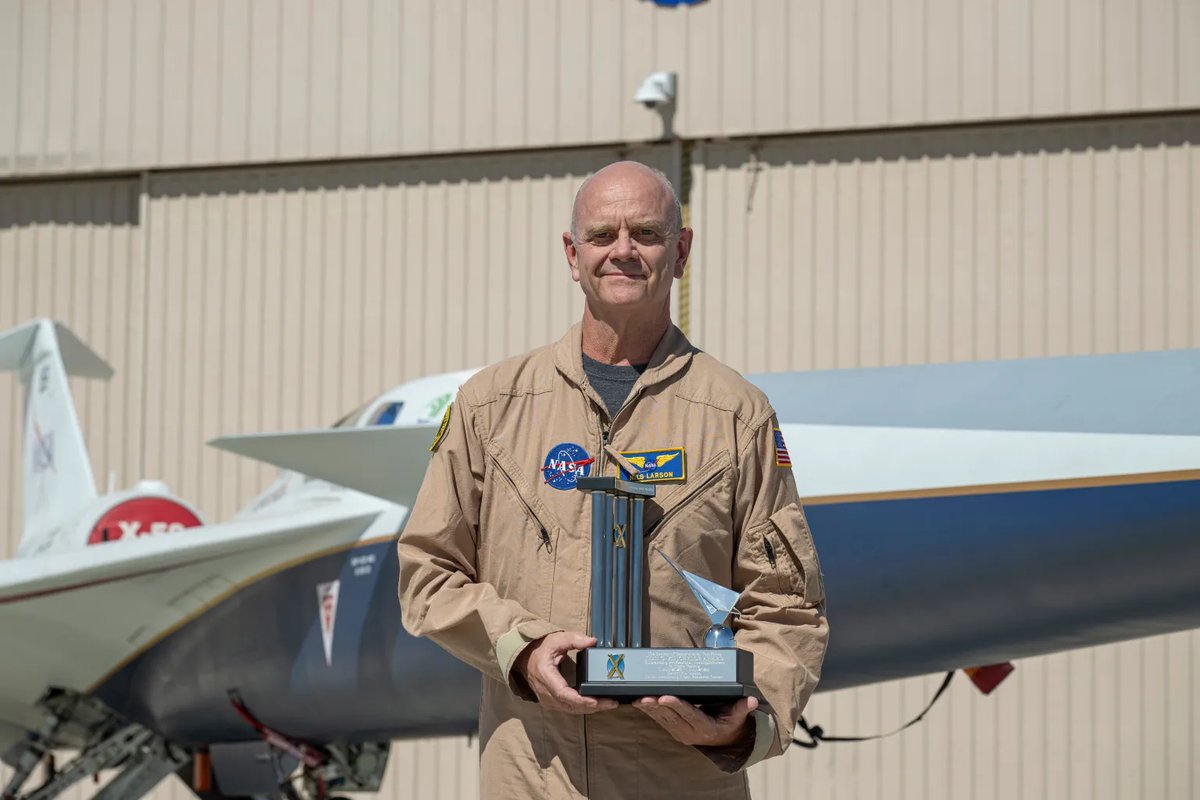
🏆 A historic flight. A prestigious honor!
NASA's X-59 lead pilot Nils Larson recently received the Iven C. Kincheloe Award for his role in the aircraft's first flight and expanding its flight envelope. ✈️
https://t.co/0z4QZ7uamE
🧊✈️ NASA is tackling a rare but persistent aviation hazard: icing that occurs when aircraft encounter unusually large, supercooled water droplets in clouds.
Researchers are conducting tests to help industry better understand this phenomenon.
🔗 https://t.co/M54CVOlXLd
Talk about diving into your work! ✈️🔧
Keeping NASA’s X-59 flight-ready sometimes means going headfirst into its engine inlet. See how technicians use “duct diving” to inspect critical components of our quiet supersonic aircraft.
https://t.co/FdbC7bQbI4
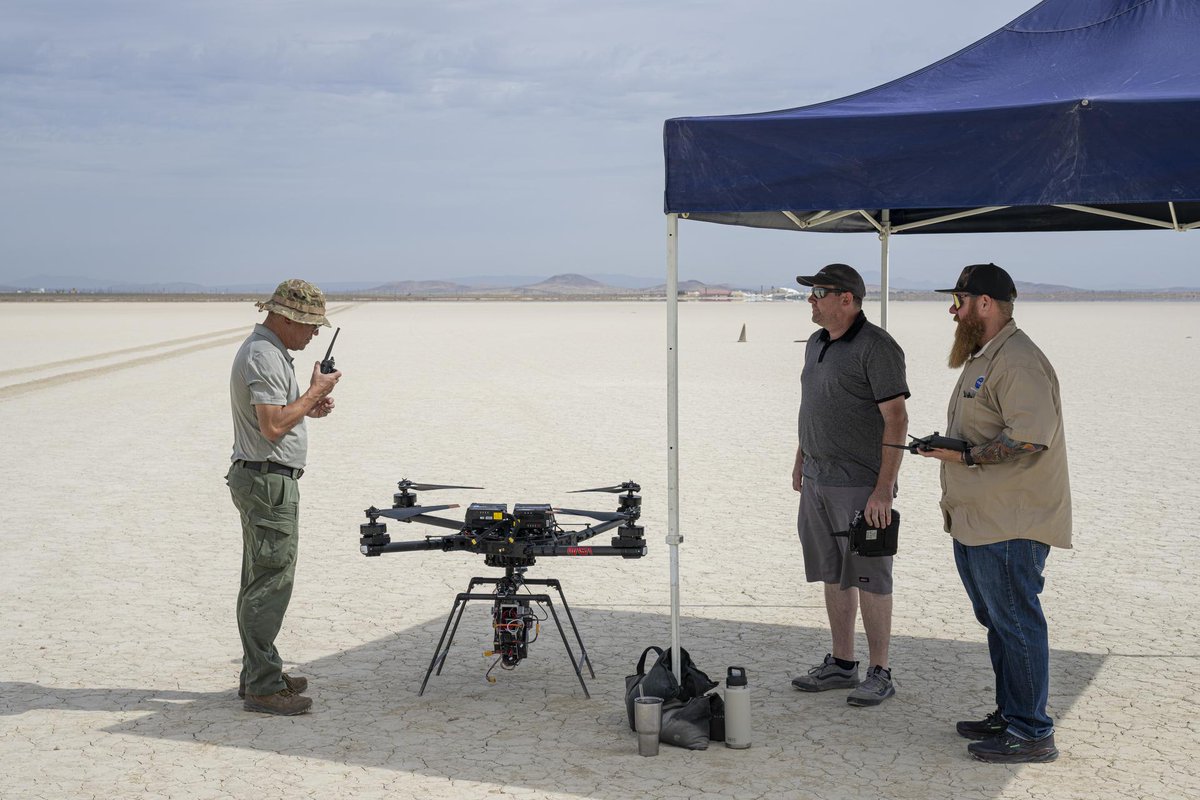
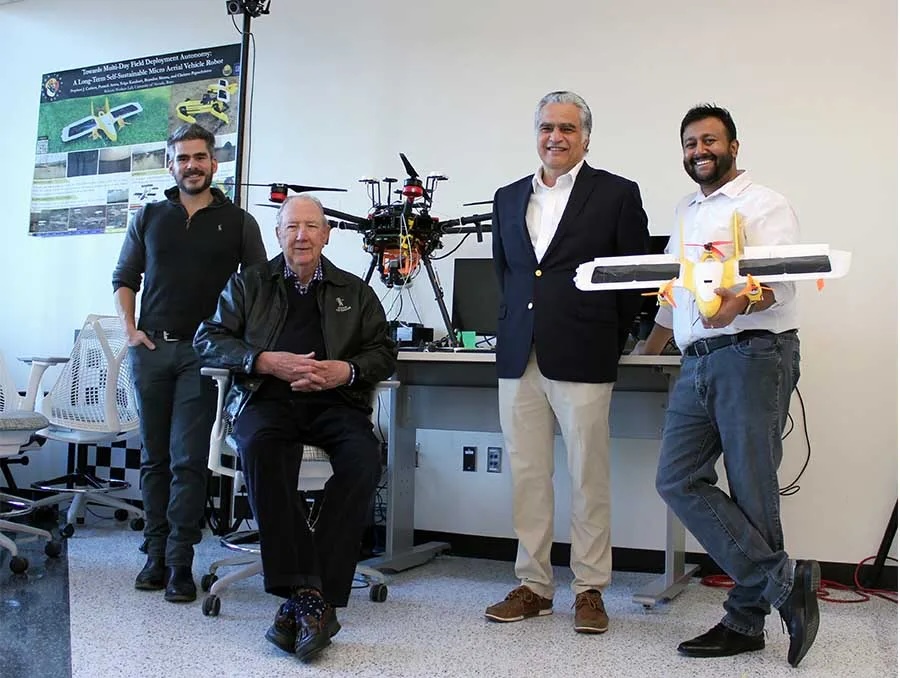
✈️ A passion for model aircraft turned into a career advancing flight research at NASA.
Meet three members of the team putting that passion to work at NASA Armstrong’s Dale Reed Subscale Flight Research Laboratory: https://t.co/UNwAkJ0giw
A double birthday celebration! 🎉
@NASA and @EdwardsAFB in California teamed up to honor NASA Armstrong’s 80th and America’s 250th with STEM activities, a NASA flyover with sonic boom, and remarks from astronaut Matthew Dominick. 🇺🇸 ✈️
Explore more about Armstrong's 80th: https://t.co/WoQxyzdQHP
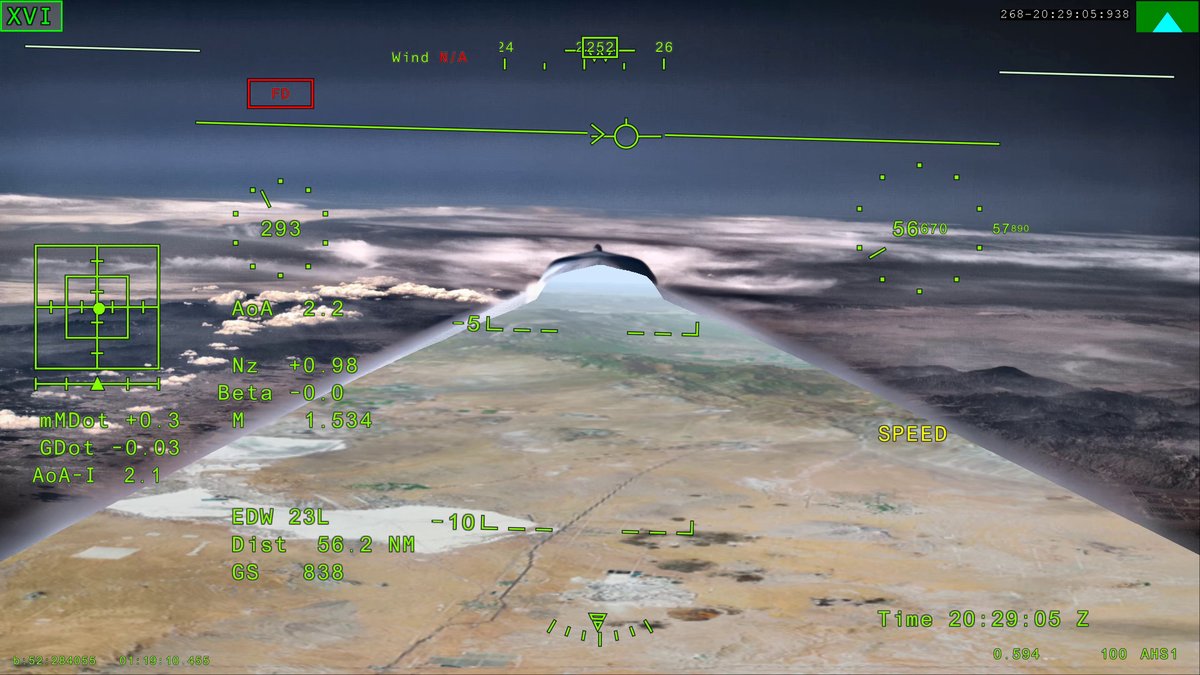
✈️ Six flights. One week. Fastest speed to date.
NASA’s X-59 completed its busiest week of flight testing yet — and reached Mach 1.53, approximately 1,010 mph, its fastest speed to date. 💨
See how the team is expanding the aircraft’s flight envelope: https://t.co/9bOQOTCApB
🎓 Success Story: University of Nevada, Reno
Check out this unexpected impact. ✈️
Through NASA's University Leadership Initiative, researchers worked on advanced simulations and testing for airborne systems that sparked the launch of a new Aerospace Engineering program. 🚀
🔗 https://t.co/idIGwGTZHc
We’re celebrating NASA research test pilot David “Nils” Larson, who earned the 2026 Iven C. Kincheloe Award from the Society of Experimental Test Pilots for outstanding accomplishment in flight test! ✈️ 🌟
From the X-59’s first flight to its first flight reaching Mach 1.4 and 55,000 feet altitude, Nils’ pioneering work drives aerospace innovation forward.
Congratulations, Nils, on an inspiring achievement!
🔗: https://t.co/P8XnDSfsW0
Smoother skies ahead✈️
NASA is developing technologies that are modernizing and digitizing the commercial flying experience, from the departure to the sky to the arrival. Learn more: https://t.co/hOEAoHtLBY