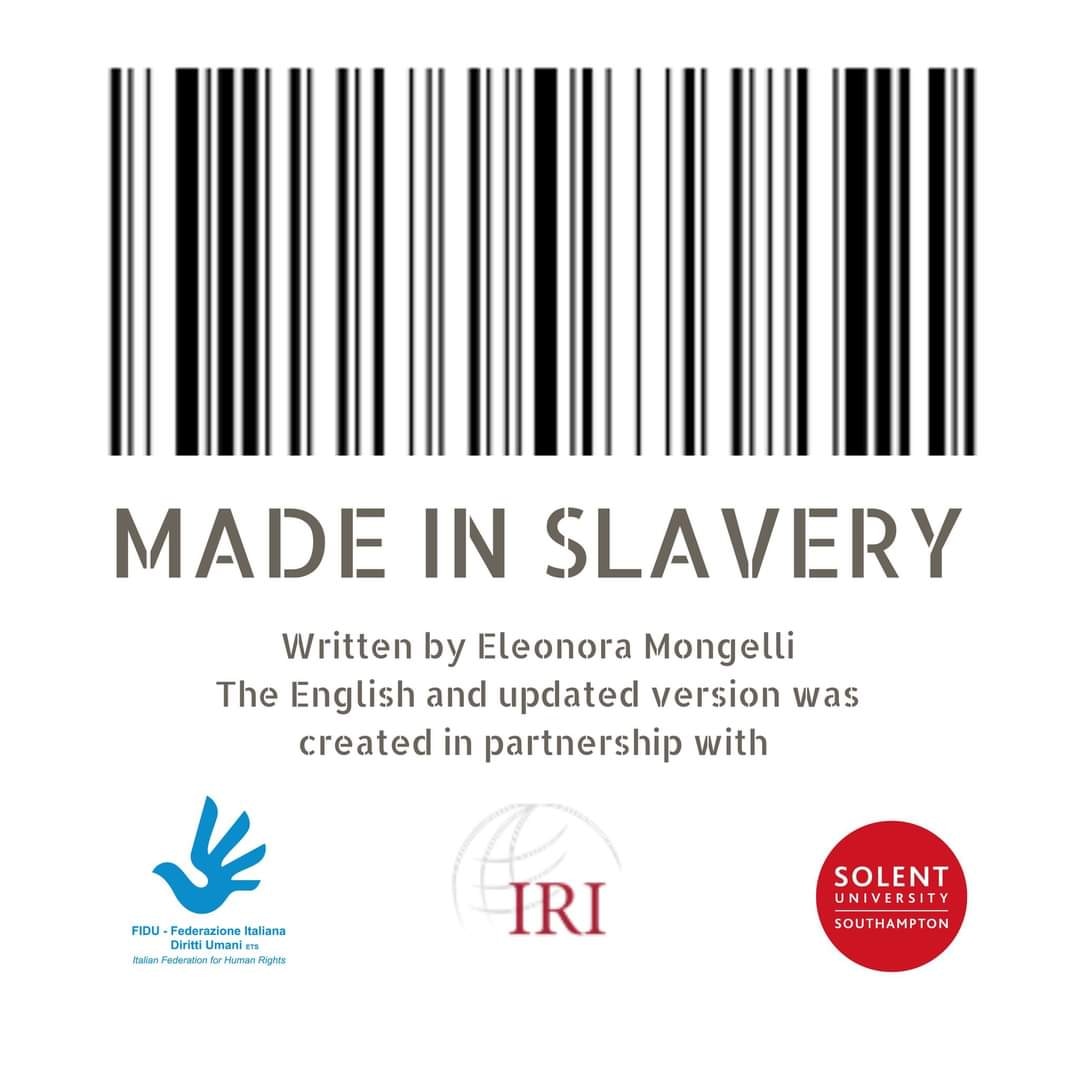
🙏 to those who have already listened to our podcast #MadeInSlavery on the 🇨🇳PRC’s intricate schemes to leverage 🌏market brands while detaining, brainwashing and enslaving #Uyghurs in #Xinjiang.
It’s time we hold those responsible for this crime against humanity accountable.
Oggi ho avuto l'onore di intervenire a Roma a una conferenza sulle repressioni transnazionali organizzata dalla @FIDU_ETS .
È un tema che molti continuano a sottovalutare, perché sono abituati a pensare che le dittature reprimano le persone all'interno dei propri confini. Ma da tempo non è più così.
Il regime di Putin lavora sistematicamente sugli esuli. L'obiettivo è semplice: far tacere chi se n'è andato. Perché Putin ha bisogno dell'immagine di un sostegno unanime alla guerra, al regime. Chi non rientra in questa narrazione deve scomparire dallo spazio pubblico.
Raggiungerli fisicamente è più difficile, ma gli strumenti di pressione non mancano.
L'Interpol come arma. Un procedimento penale per “discredito dell'esercito” – magari per un post su Bucha – può aprire la strada a richieste di ricerca internazionale. I Paesi europei oggi non estradano verso la Russia, ma possono fermare una persona e avviare verifiche. Nel frattempo, l'interessato e la sua famiglia vivono nell'incertezza per settimane o mesi. Esistono inoltre Paesi che estradano. Questo significa che ogni viaggio diventa un esercizio di valutazione dei rischi: rotte, scali, aeroporti, giurisdizioni.
L'etichetta di terrorista. Il “discredito dell'esercito” è chiaramente una norma politica e molti giuristi occidentali lo comprendono. Il terrorismo è diverso: è un'accusa grave in qualsiasi ordinamento e richiede controlli approfonditi. A questo si aggiunge l'inserimento nelle liste di Rosfinmonitoring, che circolano nel sistema bancario. Nel migliore dei casi si incontrano problemi con i pagamenti; nel peggiore, vengono chiusi i conti. L'isolamento finanziario diventa uno strumento di pressione.
L'eliminazione fisica. Solo negli ultimi mesi sono stati sventati attentati contro attivisti russi in diversi Paesi europei, tra cui Francia, Germania e Lettonia. Non si tratta di paranoia o teorie del complotto. All'interno dell'FSB esistono strutture dedicate alle operazioni contro gli oppositori all'estero. Ne abbiamo visto il lavoro in passato e ne vediamo la continuità oggi.
Le famiglie come ostaggi. Telefonate ai genitori, perquisizioni, intimidazioni contro i parenti rimasti in Russia: sono pratiche comuni. Il messaggio è semplice: tu sei partito, loro no.
Il risultato di tutto questo è un livello di autocensura difficile da misurare. Nell'epoca dei social media basta colpire in modo esemplare una persona perché migliaia o milioni di altre scelgano il silenzio. E funziona. È per questo che il regime continua a investire in questi meccanismi, anche mentre l'economia rallenta e la guerra consuma sempre più risorse.
Alla conferenza si è parlato non solo della Russia, ma anche di Belarus, Iran, Cina e altri regimi autoritari. E c'è un elemento che colpisce: queste dittature imparano le une dalle altre. Non è una coincidenza, è uno scambio di esperienze.
Ma dietro tutti questi meccanismi c'è qualcosa di cui si parla meno.
Le repressioni transnazionali non riguardano soltanto l'Interpol o i tentativi di assassinio. Riguardano il modo in cui vivi ogni giorno.
Non sai sempre con chi puoi parlare apertamente e con chi no. Chi è davvero dalla tua parte e chi potrebbe essere un infiltrato. A chi puoi affidare una confidenza e a chi no.
La comunità degli emigrati non è una bolla sicura. È uno spazio che il regime cerca deliberatamente di penetrare e avvelenare dall'interno.
È una forma particolare di vigilanza permanente. Non vivi nel terrore costante. Vivi in una tensione di fondo costante. Giorno dopo giorno. Diventa parte della normalità.
E forse è proprio questo l'obiettivo principale: non uccidere, non arrestare, ma rendere la vita dell'opposizione abbastanza estenuante da spingere la maggioranza a scegliere il silenzio.
Per questo chi continua a parlare non lo fa soltanto per convinzione politica. Lo fa anche per resistere.
Perché se restiamo in silenzio, Putin ha già vinto.
E noi non vogliamo che vinca.
La Repressione Transnazionale è una modalità con la quale i regimi reprimono all’estero dissidenti, attivisti, cittadini. Per le loro idee, che sono l’arma più potente contro la dittatura. Un bell’incontro oggi grazie alla @FIDU_ETS
Questa mattina sono intervenuta su Radio Inblu2000 per un focus sui bambini ucraini deportati, trasferiti con la forza o trattenuti dalla Russia nei territori temporaneamente occupati.
https://t.co/KNDSRzndvB
"Il Cremlino paga gli opinionisti nei talk show italiani", allarme dei Servizi. Così la propaganda russa entra nella nostra tv di Tommaso Ciriaco, Giuliano Foschini, di Tommaso Ciriaco, Giuliano Foschini via @larepublica_pe
Sarebbe bello sapere chi.
Nelle ultime ore ho subito un tentativo di violazione del mio account Signal riconducibile, secondo gli elementi tecnici emersi, a una campagna coordinata attribuita ai servizi segreti russi dell’FSB contro politici, giornalisti, ricercatori e funzionari europei.
Il fatto è particolarmente grave perché su Signal transitano conversazioni e corrispondenze con dissidenti, colleghi eurodeputati, funzionari governativi e fonti sensibili. Colpire questi canali significa tentare di monitorare, intimidire e infiltrare il dibattito democratico europeo.
Nelle stesse ore un attacco analogo ha colpito anche un ricercatore indipendente che mi aveva recentemente presentato uno studio sugli incontri tra lobbisti e rappresentanti di interessi russi e bielorussi a Bruxelles. Google gli ha notificato che una entità governativa aveva tentato di accedere al suo account.
Nelle prossime ore i servizi competenti del Parlamento europeo analizzeranno i miei dispositivi per verificare eventuali compromissioni o fughe di dati. Inoltre ho presentato una denuncia alle autorità italiane.
Non siamo davanti a episodi isolati, ma a un’operazione sistematica di guerra ibrida contro le istituzioni europee.
Russia’s return to the Venice Biennale is a disgrace to those who enabled it, in defiance of democratic values, moral responsibility, and principled international response to Russia’s brutal war against Ukraine.
Silence and the ignoring of Russia’s crimes in times of war cease to be a position outside politics and instead become a form of complicity.
One cannot turn a blind eye to the fact that culture in Russia is inseparable from its militaristic regime. The Russian pavilion at the Biennale, with ties to Russia’s military-industrial complex and political leadership, is further evidence of this.
Russian culture at the Venice Biennale is inseparable from Russia’s war crimes, its systematic terror, and its policies aimed at the destruction of Ukraine’s national identity.
We are grateful to everyone who supports Ukraine and opposes the normalization of Russia’s war, crimes, and propaganda.
We call on those who support Russia’s return to the Venice Biennale to remember the names of Ukrainian artists killed by Russia and confront the reality of what they are justifying: war, death, human suffering and destruction.
🔗Full statement: https://t.co/IAuuHHtNyw
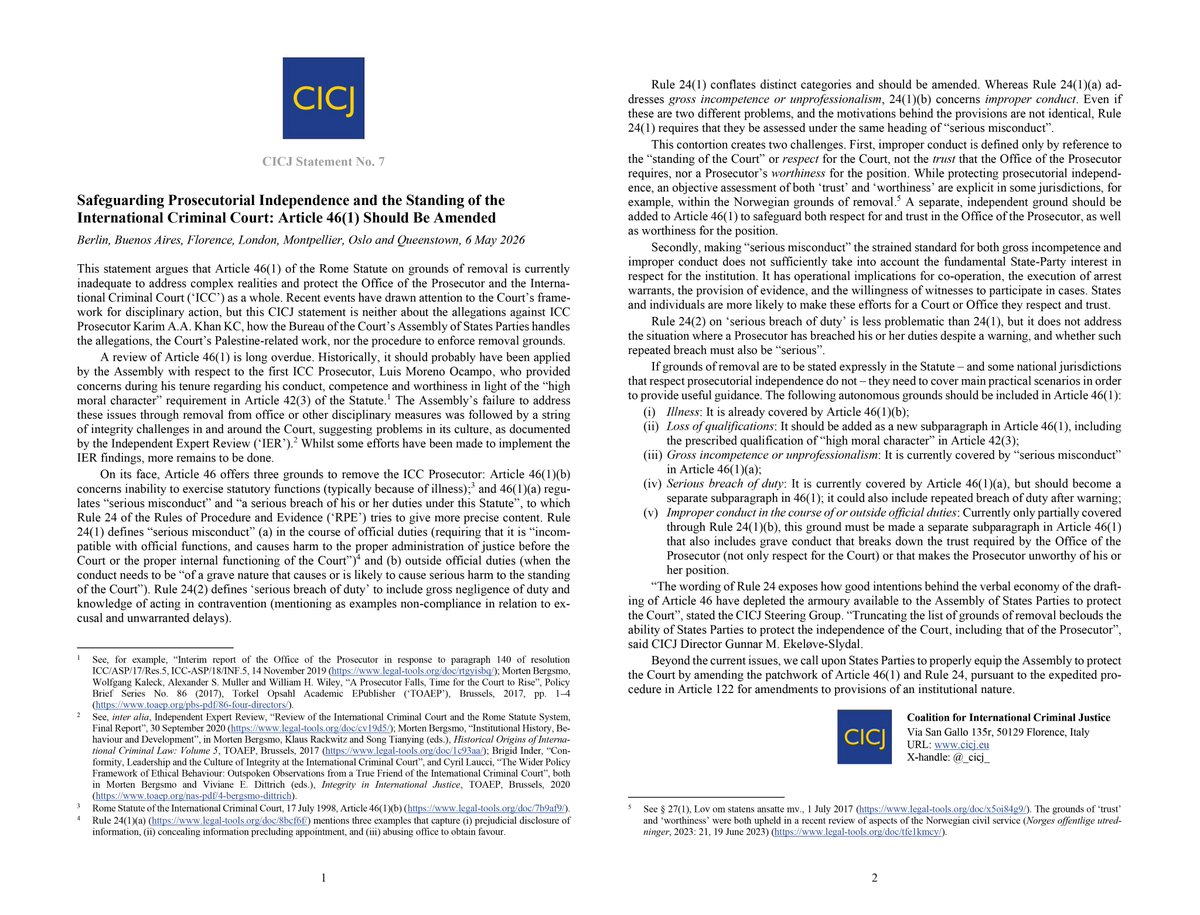
‘Safeguarding Prosecutorial Independence and the Standing of the International Criminal Court: Article 46(1) Should Be Amended’, #CICJ Statement 7 (https://t.co/O2efxIYyvx): The Assembly of States Parties of the @IntlCrimCourt must be properly equipped to protect the Court.
The Italian Federation for Human Rights (@FIDU_ETS) welcomed the ECtHR Grand Chamber’s Yasak v. Türkiye judgment, saying it confirmed concerns over the criminalization of lawful activities in Turkey.
Antonio Stango (@AntonioStango) spoke to Turkish Minute about the ruling’s significance.
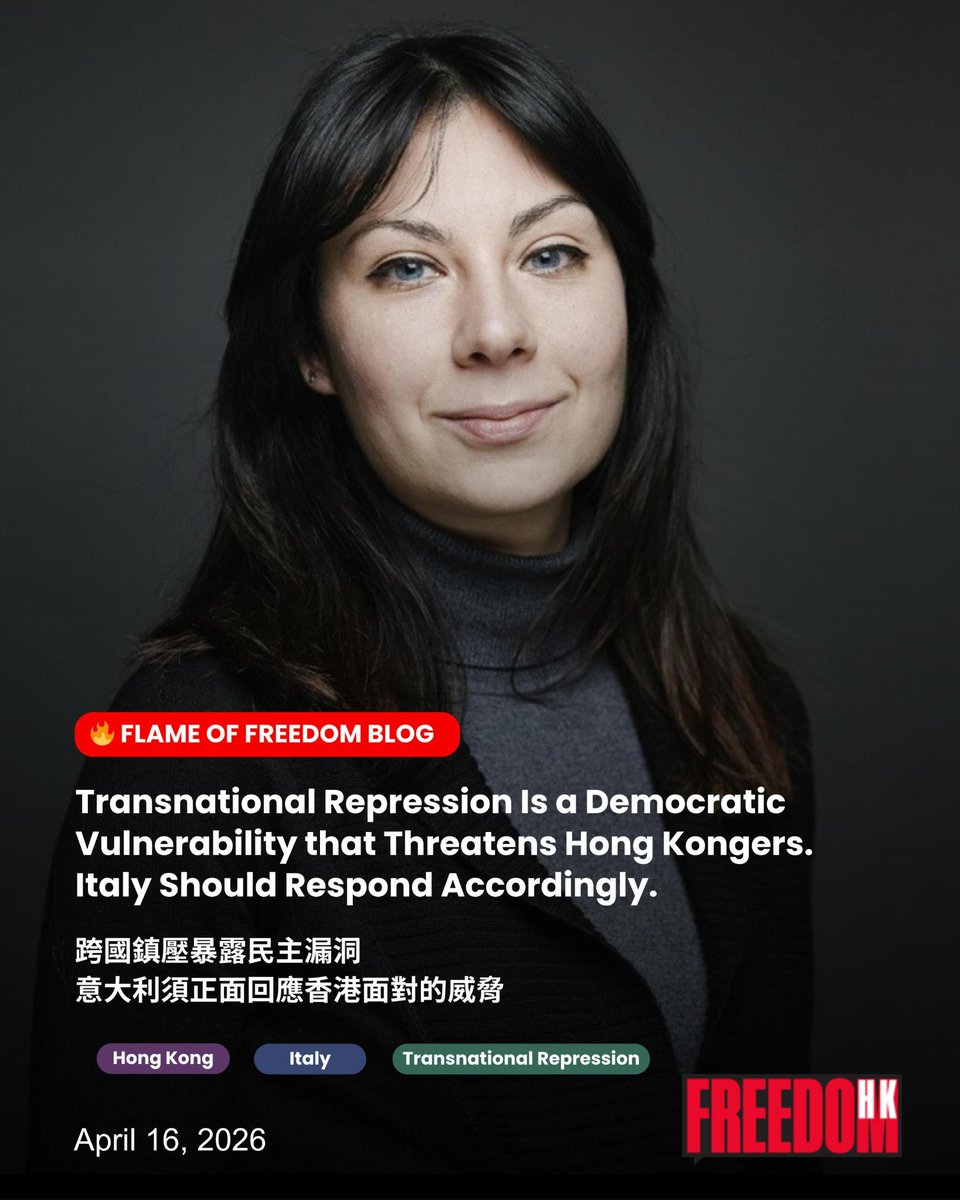
In questa op-ed per @thecfhk rifletto sulla necessità di riconoscere la repressione transnazionale come vulnerabilità democratica e non come fenomeno marginale, evidenziandone il legame con l'information suppression e altre minacce ibride, nonché le ricadute sul Paese ospitante.
Padiglione russo alla Biennale, l'Unione europea formalizza lo stop a un finanziamento da 2 milioni. La Commissione: "Gli eventi finanziati dai contribuenti europei devono promuovere democrazia, dialogo, diversità, libertà di espressione" https://t.co/XA3r5em7GP
Ma è normale che a Bologna si tenga il festival di RT, canale tv russo finanziato dal Cremlino e sanzionato dall’UE, in cui diversi propagandisti possono dileggiare indisturbati le nostre istituzioni? P.s. cantano pure “Bella Ciao” mentre Putin bombarda i civili ucraini.
Condanne per Memorial, perquisizioni alla @novayagazeta_en, una ulteriore stretta su quel lumino di libertà che c’è in quella dittatura orrenda. L’Italia condanni senza reticenze
#Urgent:
A young protester, #AmirhosseinHatami, was hanged this morning. He was one of seven protesters sentenced to death in a single case in Tehran that we have previously documented. Like the others, he was subjected to torture and sentenced based on forced confessions in a grossly unfair trial before the Revolutionary Court. He had been arrested during the January 8 protests in Tehran.
In the past two weeks alone, three protesters and four political prisoners have been executed, and hundreds more remain at imminent risk.
We must not allow the ongoing war to overshadow the Islamic Republic’s atrocities against the Iranian people! #nodeathpenalty
We are facing a very real and imminent risk of mass executions of political prisoners in #Iran. The international community must act with urgency. The European Union, in particular, has an important role to play and should use all available diplomatic tools to help prevent further executions and protect the lives of those at risk!
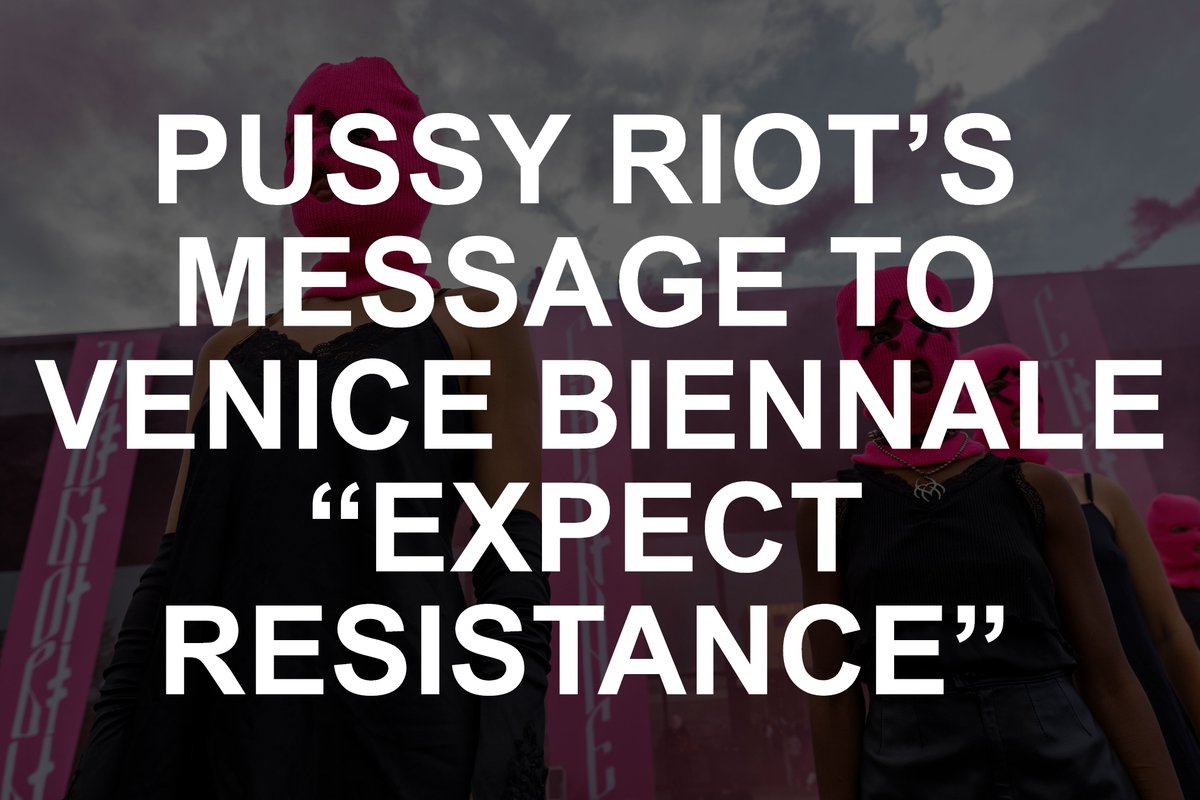
For the first time in several years, putin’s Russia is returning to the Venice Biennale. Representatives of the Biennale say the decision does not depend on them — here is why that is not true…
The Biennale consists of the main international exhibition and national pavilions. One of them is the Russian pavilion. However, although the building belongs to Russia, it is located in the Giardini, which are the property of the Italian state and the city of Venice, and it functions only through agreements with the Biennale. The president of the Biennale is appointed by the Italian government.
The Russian pavilion is not an embassy: it is not sovereign territory and does not have diplomatic status. This means that the Italian government, the authorities of Venice, and the Biennale itself can say “no” to Russia if they choose to.
If Russia participates in the Biennale, it means this is a political decision by Italy.
What is Russia bringing into the heart of Europe? There is no full list yet, but here is one example — the State Academic Russian Choir named after A. V. Sveshnikov. Regular guests of the propaganda channel Russia 24, they have been personally awarded a commendation by the war criminal putin.
Responding to criticism, Russian government official and shit-eater Mikhail Shvydkoy said:
“Eternity prevails over momentary concerns; culture prevails over politics… Unfortunately, not everyone is capable of understanding this.”
Yes — Ukrainian children who have lost their parents and their homes will indeed not be able to understand that.
Shvydkoy openly celebrates:
"This is further proof that Russian culture is not isolated, and that attempts to 'cancel' it – undertaken for the past four years by Western political elites – have not succeeded."
This is not culture outside politics, but politics disguised as culture.
The participation of official Russia in the Biennale is a serious blow to Europe’s security. Since the start of the full-scale invasion of Ukraine, cultural “soft power” has become part of Russia’s military doctrine and an instrument of hybrid warfare. The Kremlin has long used culture as a continuation of foreign policy — and as a way to legitimize the regime abroad.
It is the cultural expansion of imperial Russia into the heart of Europe.
We should not step on the same rake twice. We remember that in 1934, for example, Hitler and Mussolini enjoyed art together at the Biennale. In 1942 the Biennale was dedicated to military art, while the exhibition catalogue contained not a single mention of World War II. It is nothing new that totalitarian regimes use art to normalize their power.
Pussy Riot has a message for these bloodthirsty propagandists - Expect Resistance. We will drown out the noise you export - death, tragedy and lies.
We want to express unconditional support for Ukraine, for the victims of Russian war crimes, for Russian political prisoners, and for Ukrainian prisoners of war.
The best citizens of Russia are either sitting in prison for anti-war gestures or have been killed — while Europe opens its doors to putin’s officials and propagandists.
Nadya Tolokonnikova
La Russia ritorna alla Biennale di Venezia. Ma chi curerà la mostra?
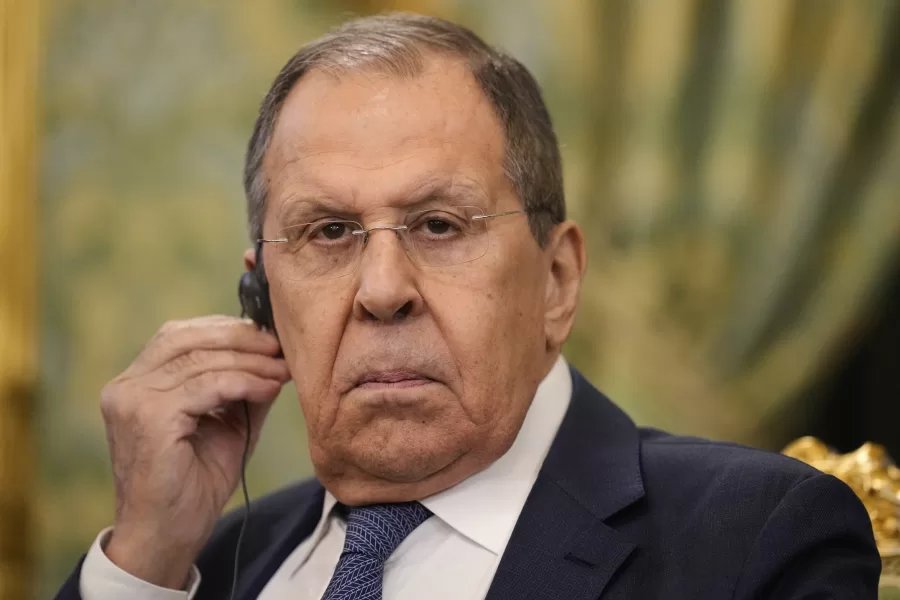
Ovviamente la figlia di un ex agente KGB, poi FSB, oggi vice direttore di Rostec, azienda che sviluppa le armi che vanno al fronte. Anastasia Karneeva ha anche aperto un'azienda con la figlia di Lavrov. 🤔