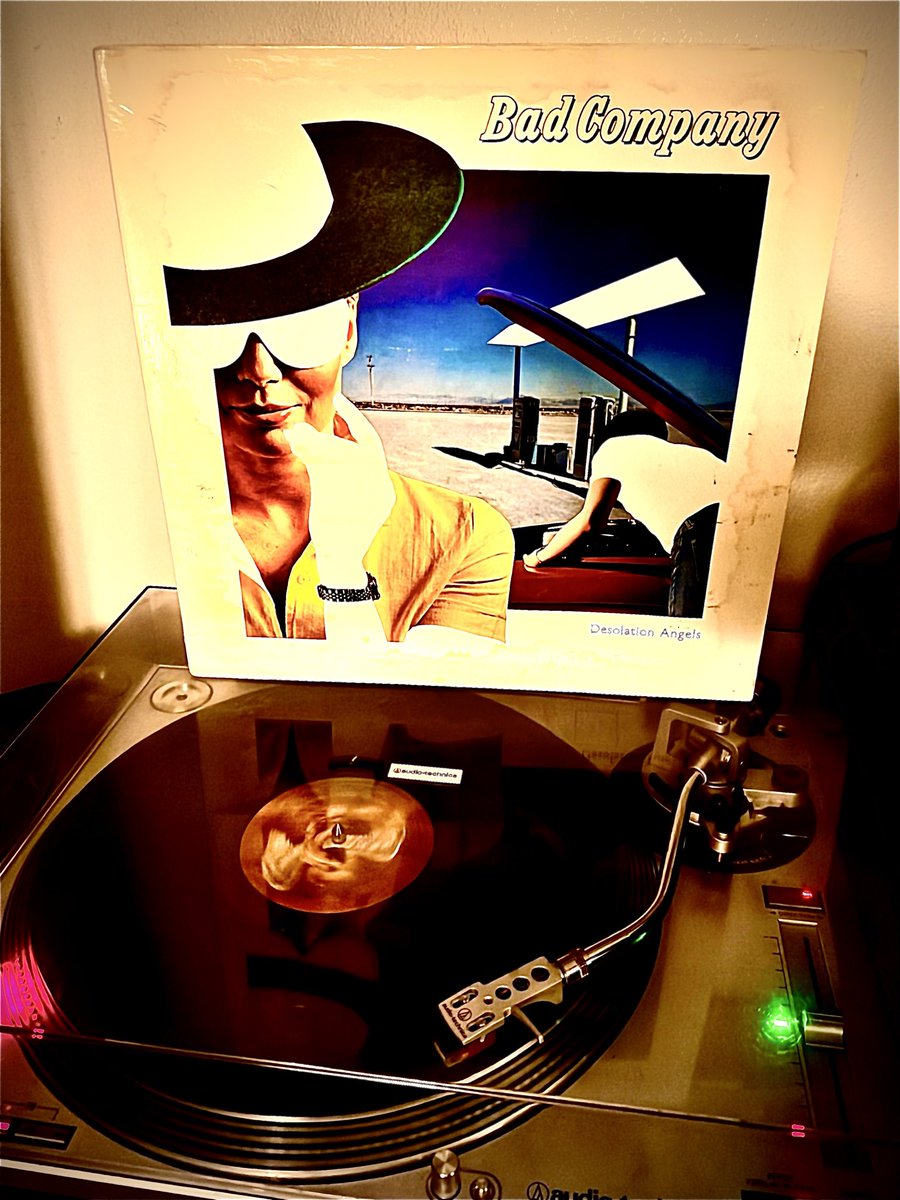
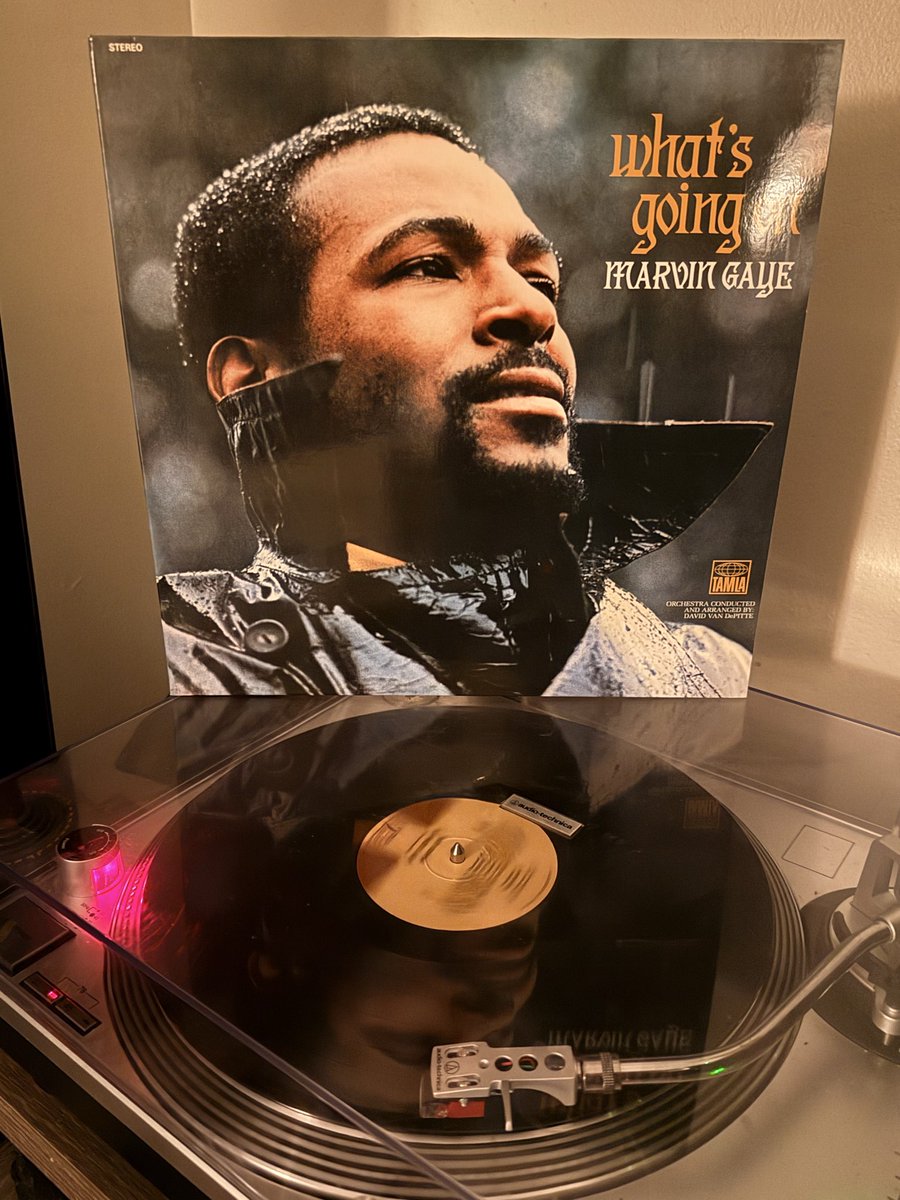
On this album the band integrated synthesizers, strings, and intricate acoustic layers into their heavy-rock DNA, completely revitalizing their songwriting.
What do you get when you mix symphonic orchestration with deep-fried R&B?
Barry White and his Love Unlimited Orchestra set the mood for countless romantic evenings in the 1970s. They just don’t write it like that anymore.
Quarterflash is a fascinating case study in early-80s musicianship. Coming out of Portland, Oregon (originally under the name Seafood Mama), they landed a massive hit right out of the gate with "Harden My Heart."
The earthy sound of this album is largely due to Mellencamp’s backing band, particularly violinist Lisa Germano. Her expressive fiddle playing didn't just provide background decoration; it acted as a second vocal line, weaving around Mellencamp's raspy vocal delivery.
Recorded during their 40th-anniversary tour, this record captures Brian Setzer, Lee Rocker, and Slim Jim Phantom playing with the seasoned precision, but still carrying the hungry, ferocious energy of teenagers playing a dive bar. #briansetzer#straycats
The album cover art was created by Andy Warhol. Mick Jagger bit Warhol's hand while the artist was preparing the concepts. Warhol loved the bizarre, aggressive energy of the moment so he decided to use photographs of the band members biting each other for the final design.
Willie and Leon didn't spend weeks overthinking the arrangements; they treated the studio like a late-night jam session. They recorded nearly 30 songs in just a matter of days, simply calling out chords to each other and letting the tape roll.
The frantic rhythm of "Maniac" was almost entirely an accident. When Michael Sembello was recording the demo, his wife accidentally left a cassette recorder playing a completely different song in the background. He loved the frantic energy of the mistake and locked it in.
When fans think of Fleetwood Mac, they often picture the romantic drama and theatricality of Stevie Nicks and Lindsey Buckingham. But Christine McVie was the true anchor, the beating heart, and the hit-making engine of that band.
Continuing my photography lessons. This time capturing architecture and focusing the eye on geometry of the subject.
I cranked up the contrast and black point, then lowered the saturation to black and white.
What do you think?
The retro cover art is a 1953 painting titled Room on Fire by artist Peter Phillips. The band loved how the painting perfectly captured the claustrophobic pressure cooker they were living in while writing the album in NYC, feeling like everything could catch fire at any moment.
Finding something new to say about The Nightfly is like trying to find a hair on Donald Fagen’s meticulously mixed master tapes. Released in 1982, it is widely considered the “perfect" album. #DonaldFagen#Vinyl#NowPlaying#Records