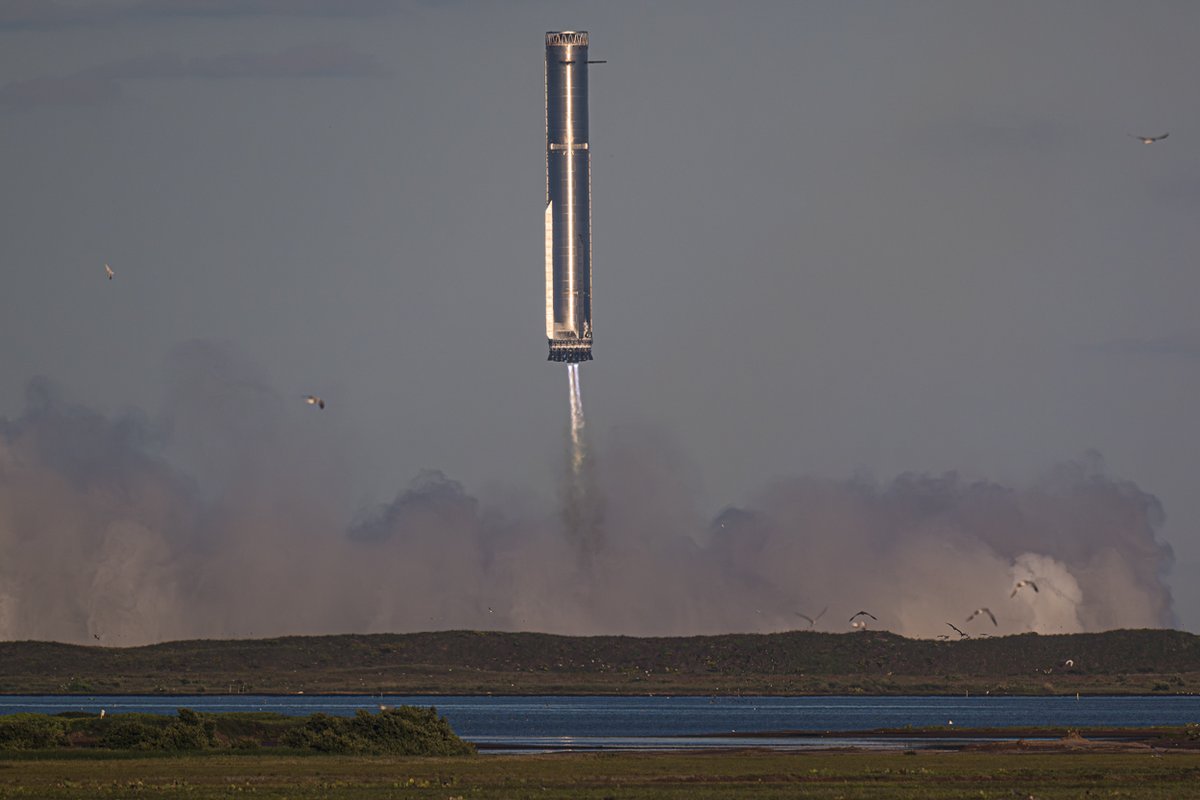
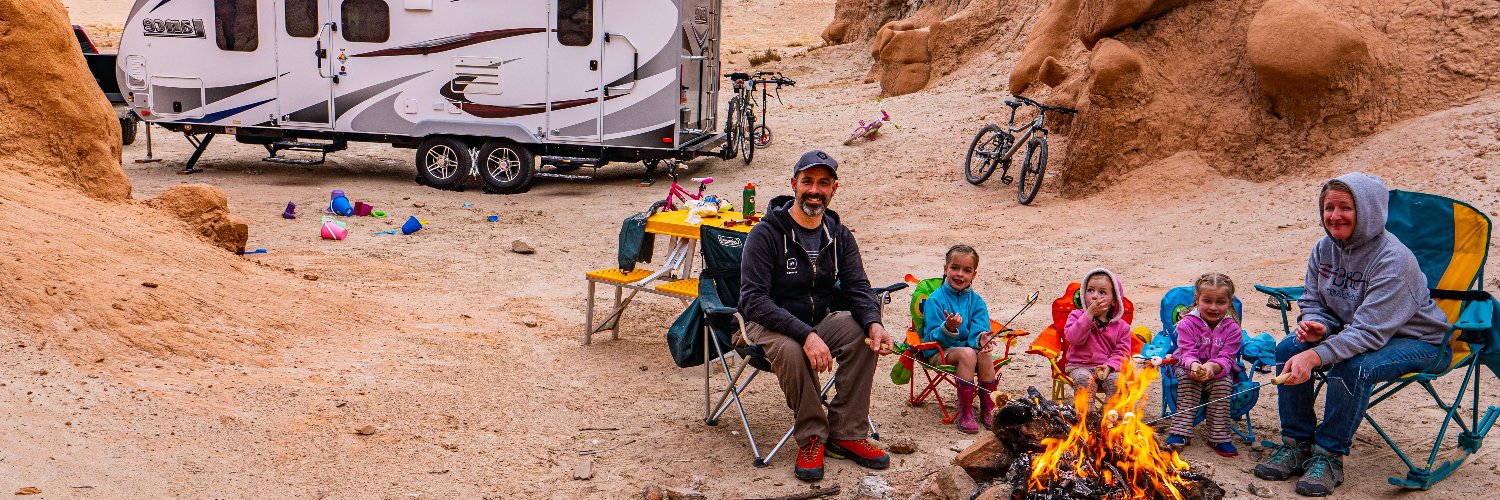
We headed to the Fruita Group Campground in Capitol Reef National Park for a canyoneering friends reunion, towing our solar trailer 200 miles in near 100°F heat. The campsite has no electricity, so our trailer powered the whole group. It ran the mini-split air conditioner, cooked for everyone on the induction cooktop, griddle, hand mixer, crock pot and Instant Pot, charged phones, and ran Starlink Wi-Fi for camp. I started the trip with the battery at 0%, and it never dropped below 21% the whole time, without a generator. At the end I share what worked, what I'd change, and how solar panel size compared to battery capacity played out on this trip.
We towed our solar trailer 200 miles to Capitol Reef in 100°F heat. The group campground has no electricity. I started the battery bank at 0%, and it never dropped below 21% the whole trip. No generator. The trailer powered the whole group.
160 miles to Vernal, UT used 54.69 kWh in our Model S. We camped in the car, then left it charging from a standard 15 anp outlet while we spent 4 days rafting the Green River. Not every remote trip needs a fast charger at the destination.
@KipCanHelp Grok Bot actually wrote a script that runs the API integration automation between Victron and Tesla's APIs so that it minimizes Grok Bot processing credits. Super amazing!
Putting portable solar panels on the car is a fun test and given enough time could add a useful amount of range. Similarly I installed 2,650W of solar on our travel trailer and experimented by only charging our 2015 Model S from March through October. Result: 3,468 miles, and TeslaFi logged 1,586 kWh into the car. Not a direct comparison but a data point nonetheless. https://t.co/LYNXhQ7v2e
A Tesla Model 3 owner turned his car into a solar car and gained about 7 miles of range in 90 minutes. The North Carolina driver laid several portable solar panels across the roof and trunk of his silver Model 3. Solar panels cannot plug directly into the car, so he connected them to a portable power station, which then charged the Tesla through a standard cable. The experiment worked, but the results show why solar panels on a car are more of a backup than an everyday solution. At that pace, a full sunny day might add only around 30 to 40 miles in ideal conditions. Another YouTuber estimated that fully charging a Tesla from a solar trailer could take around ten days. Still, the setup could be useful for camping trips, off grid adventures or emergencies far from a charger, where even a few free miles can make a real difference. For everyday driving, home solar paired with a Tesla Powerwall is a far more practical way to charge with sunlight, since a rooftop system can generate enough energy to cover most daily commutes.
@KipCanHelp I manually adjusted the amps in the Tesla app from Jan 2022 through Sep 2026. Generally I'd match the average output of the solar panels for the day and let the RV battery be the buffer. Then I used Grok Bot to automate it and that is working very well! https://t.co/9qgpSgWCiE
$590 was my DIY Model S hitch, trailer-light wiring and rear-seat cooling project, excluding parts I already owned. It let us tow our small boat, haul household loads and carry bikes without borrowing a truck each time. That was my 2020 project cost.
Felt that in our older Model S too. Over 4,450 miles and 7 states we averaged about 2.5 hours of driving for every hour of Supercharging, versus closer to 3 to 1 when it was new. Charging overnight where we stayed didn't count, since we weren't waiting on it. https://t.co/TqA8gq8LOT
My first road trip in my 2016 Tesla. At first I was loving just how it’s significantly smoother and more comfortable than anything else I’ve ever driven. Unfortunately after the 2nd or 3rd charging stop, that’s the only positive thing I have to say. Love the car…but absolutely hate long distance trips with a deep passion.
143 miles of rated range gained in 37 hours from a standard household outlet in Nauvoo, IL. Slow? Absolutely. But our Model S was parked while we explored the area. We gained 88 miles in the first 24 hours. Charging speed matters less when the car has time to sit.
18 kWh uphill, 13 kWh back down: towing our fishing boat the same 30 miles each way with our Model S. That was 600 Wh/mile going to Deer Creek Reservoir Utah and 433 coming home. The boat was the same. The model S is very capable at towing. Range is always the main limitation.