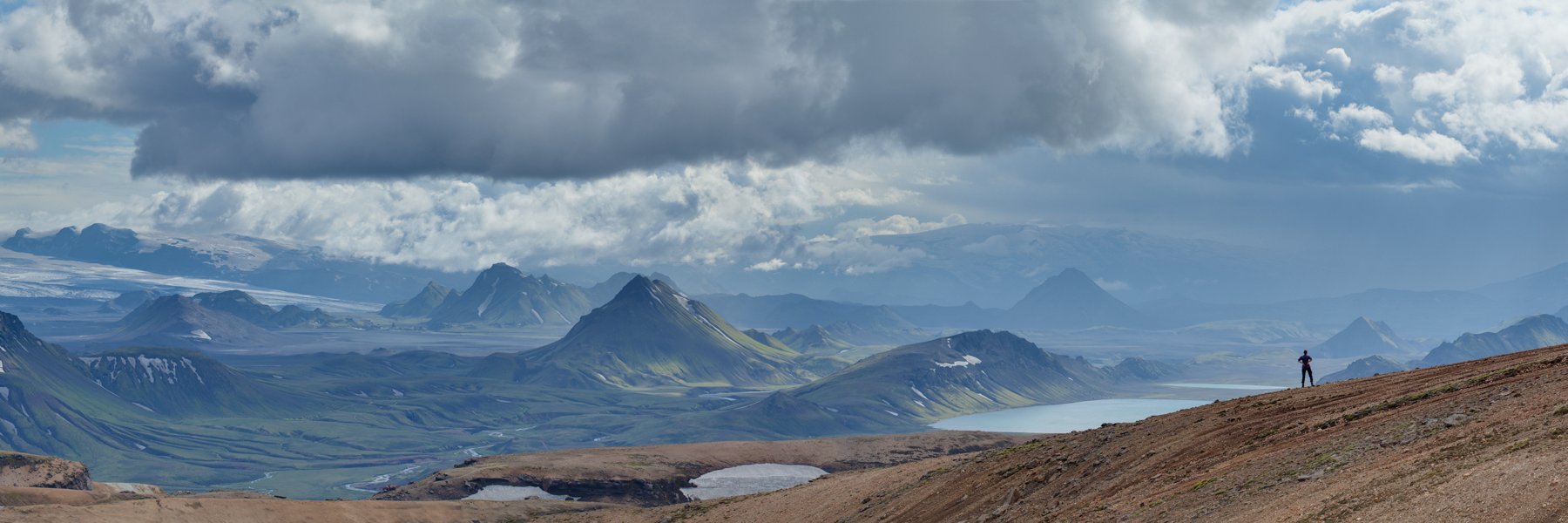
So nice that this paper came out this week on responses to experimental warming of soil microbes in the high Arctic! Great memories of the fieldwork, and I learned a lot! :) https://t.co/8TfGdVdVyX @BAS_News@NHM_Denmark
https://t.co/YDL5EeCzE7
Come and join our Botany group at the Natural History Museum of Denmark as a new PhD student, using genetics to investigate plant diversity and pollination networks in Greenland!
Deadline July 4th. https://t.co/uRzAvWr65W
Please retweet this post in your networks! :)
The vision of #automated#pollinator#monitoring has come true! By embedding the #deeplearning algorithm in the recording process, we can track timing and duration of individual insect visits to flowers and reduce bias in abundance estimates @HjalteMann
https://t.co/aGVErQ0mLV
Our 11-year global soil sampling effort eventually published as a publicly open dataset: "The Global Soil Mycobiome consortium dataset for boosting fungal diversity research"
Many thanks to all contributors!
https://t.co/G6Odm7GW8P
It's not every day you find an email in your inbox with a poem based on your research! I was honoured that my latest paper on moss biogeography inspired Sam Illingworth to make this great poem https://t.co/zovc1mageE! Thank you, @samillingworth!
https://t.co/MqchgZDo5u
@EvelinePinseel @Antarcticmoss Thanks Eveline! Also in relation to your previous great(!) work on diatoms it's interesting to see the biogeographic patterns of other microscopic/spore-dispersed organisms, and how and through which mechanisms they can distribute to many places on the planet!
"Cosmopolitan" moss travelling the world on wind currents! Remarkable overlap of global wind patterns and biogeographic structure in one of the world's most widespread plants https://t.co/jBCwy9KNjF #NHM_Denmark#ucph#BAS_News @Antarcticmoss
📌Clavelito antártico llegó al Continente Blanco posterior a la última glaciación. Investigación realizada por científicos del Reino Unido y de Chile concluyó que el origen de la flora vascular antártica es relativamente reciente.🇨🇱 🇬🇧🇦🇶👉 https://t.co/ewuLyM7Klk #QuedateEnCasa
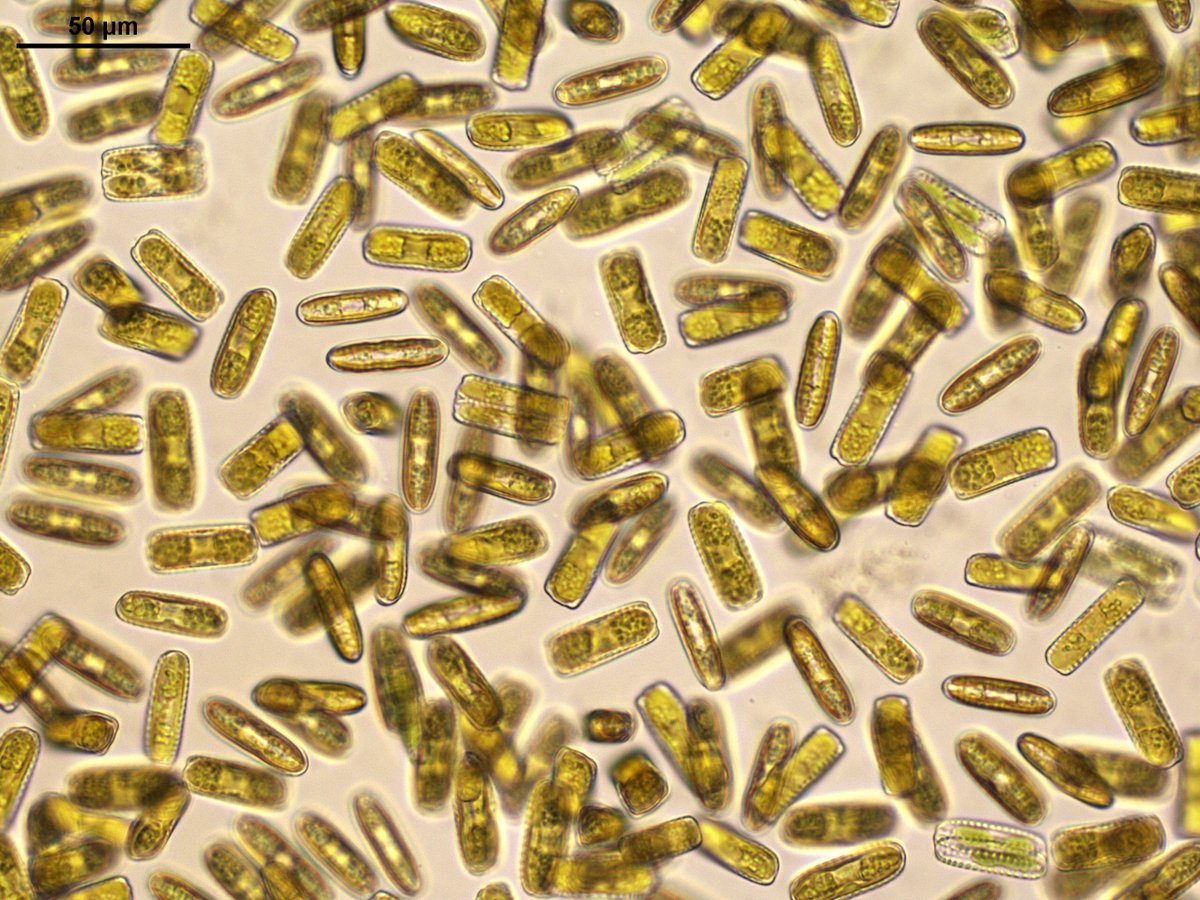
Great study by @EvelinePinseel published today in @NatureComms https://t.co/ubHBz4nuSd reveals how the evolution of globally occurring microorganisms is highly driven by dispersal and speciation in isolation.
An incredible feat, with >1500 environmental samples across the globe!
Evolution of microorganisms is highly driven by global dispersal & formation of distinct species in isolation. BAS ecologist Dr Elise Biersma @EliseBiersma contributes to new study led by Dr Eveline Pinseel @EvelinePinseel, published today in Nature Comms: https://t.co/eWarZmKOaV
"Found on nearly every continent except for Antarctica” is a common distribution of many plant families. Yet, despite is frozen status, Antarctica is home to a uniquely hardy flora. Find out more about the botany of this frozen continent
❄️🌾🌾❄️
https://t.co/2I6tYyG5xn
Back from Arctic fieldwork and start of my new job at the Natural History Museum of Denmark and the University of Copenhagen to study the evolutionary history of plants in Greenland!
I'll also keep working at BAS until spring 2021 on Antarctic projects.
https://t.co/rYSzKtXNxn
Happy to see the new map of Greenland and the Arctic is out! Amazing work by Laura Gerrish! Thanks to the @Arctic_Office and @BAS_News for the opportunity to be involved in the science part of the map!
BBC News - Greenland map captures changing Arctic in fine detail. And follow the NERC Arctic Office website link in this BBC story to get your own copy of the map https://t.co/D2KT1xydSX
Applications to carry out small-scale research projects in #Antarctica in the 2019/20 season are invited from UK-based researchers. Closing date 4th March 2019 Find out more: https://t.co/zdUXEniyPl @NERCscience@UKRI_News