@Geekazoid Thank you! It would be good to test the lipid gene-set in other data. The effect may be somewhat circular as the GERAD data was part of Kunkle, from which the lipid gene-set was derived. Or testing a different lipid gene-set derived from experimental data. #ARUKConf21
Looking forward to #ARUKConf21 today! 🎉
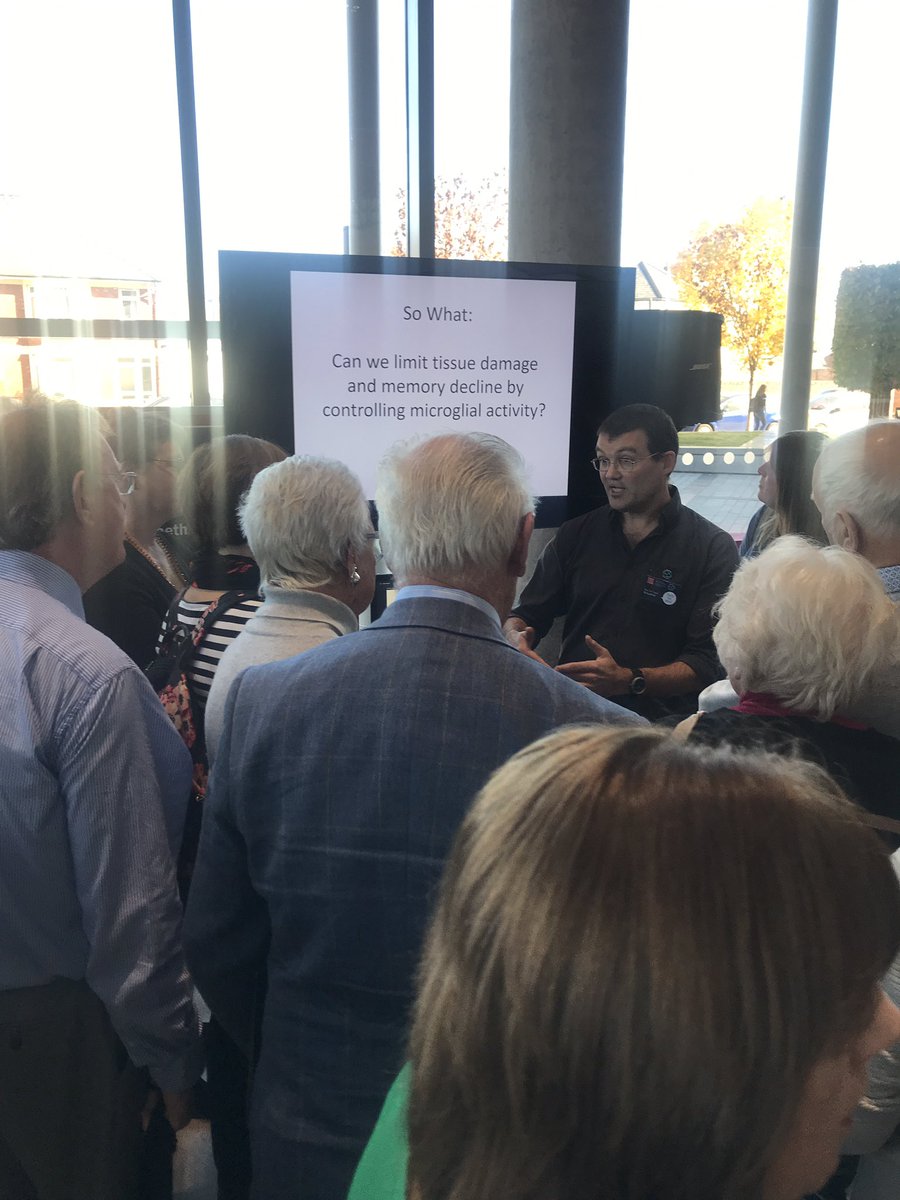
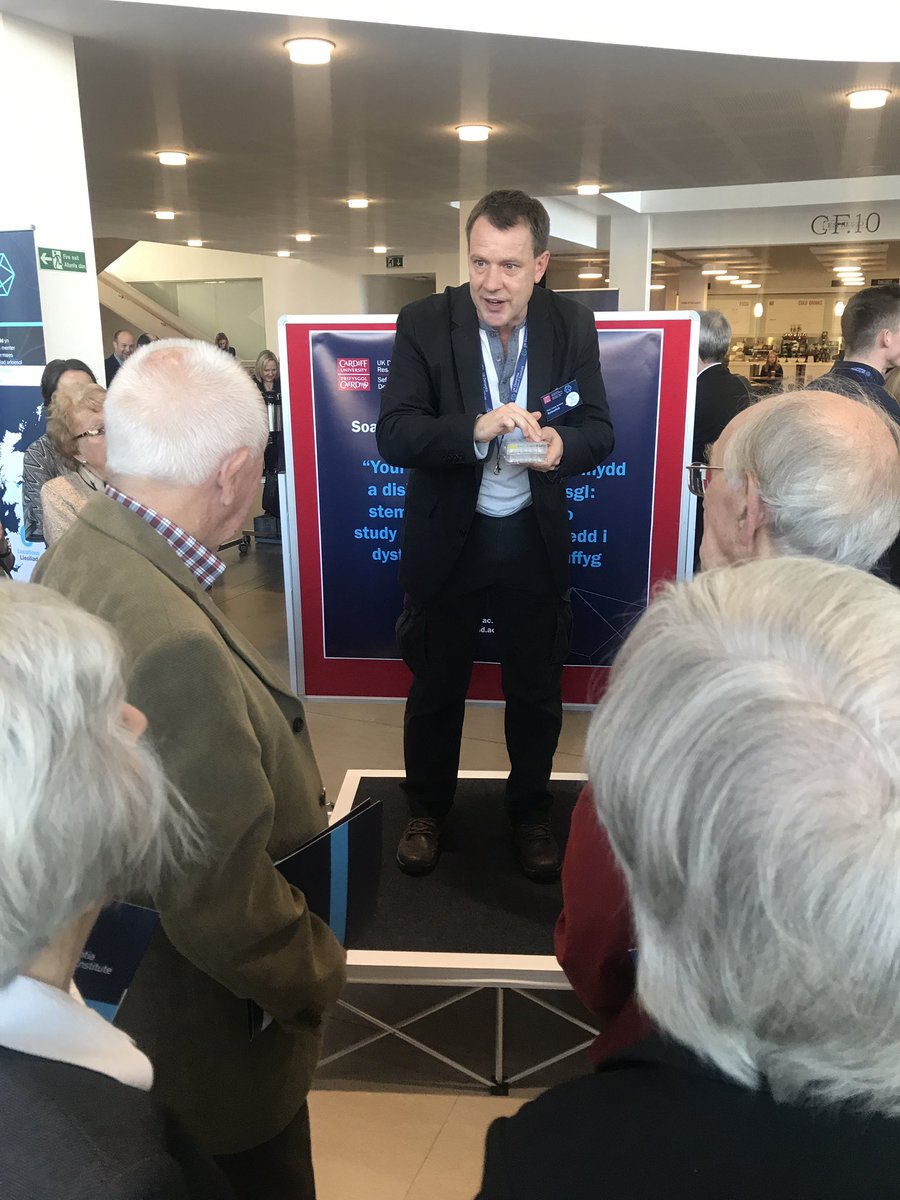
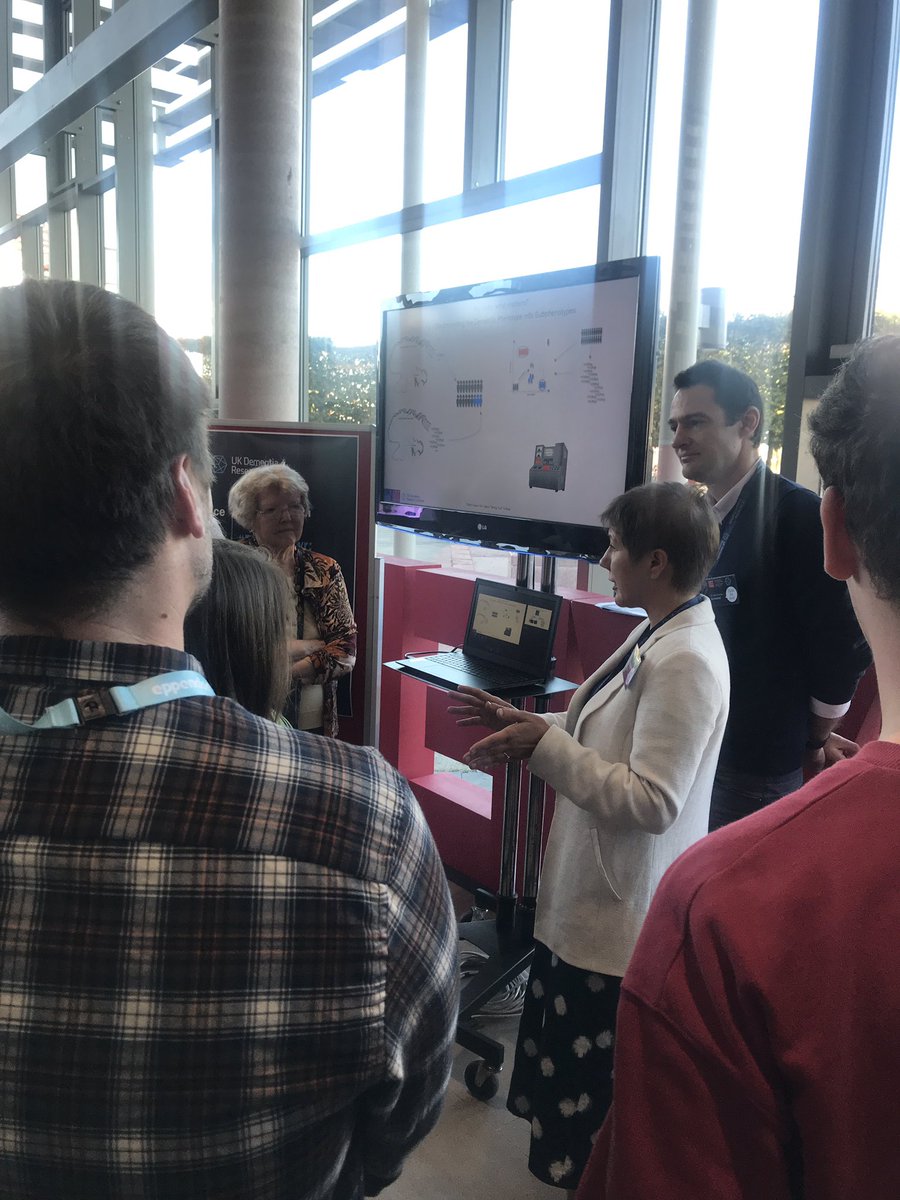
Be sure to catch Dr Emily Baker (@EmB1105) from UK DRI at Cardiff 🏴 at 10:45:
👉"To what extent can microglia, synapse and lipid genes be used to inform drug discovery"
"I think the most exciting thing is that geneticists are inviting mathematicians like me to work with them & quite often even to lead projects." 🧮
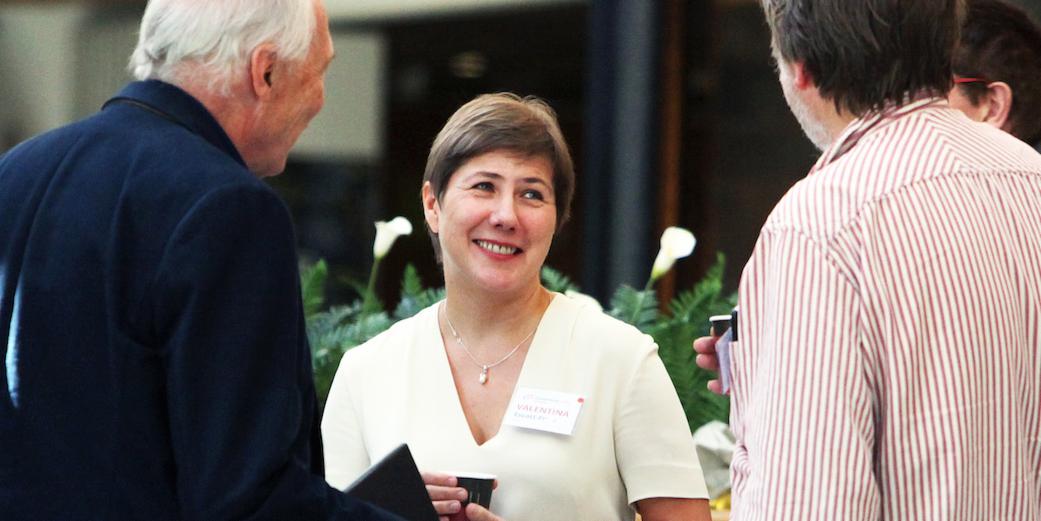
🗣️New interview with Prof Valentina Escott-Price, UK DRI at Cardiff
➡️https://t.co/A7pyQOiRN6
@Regeneron@uk_biobank 50k WES presented as late breaking results #ESHG2019! around 2% individuals with ACMG actionable findings. some novel genes with LOF burden. https://t.co/cmCAmjEeAu
Help us reach 10,000 signatures on our petition calling on government to commit #just1percent of dementia’s £26bn cost toward dementia research.
Sign and share and help us get an official response from government!
👉 https://t.co/CTi1HglSDf
Gene based Analysis in HRC Imputed Genome Wide Association Data Identifies Three Novel Genes for Alzheimer's Disease https://t.co/Od3ucVeAZx #biorxiv_genetic
The IGES Communication Committee's highlight from the June issue of Genetic Epidemiology is "POLARIS: Polygenic LD-adjusted risk score approach for set-based analysis of GWAS data" by Emily Baker and others.
https://t.co/burcoRyJ8h
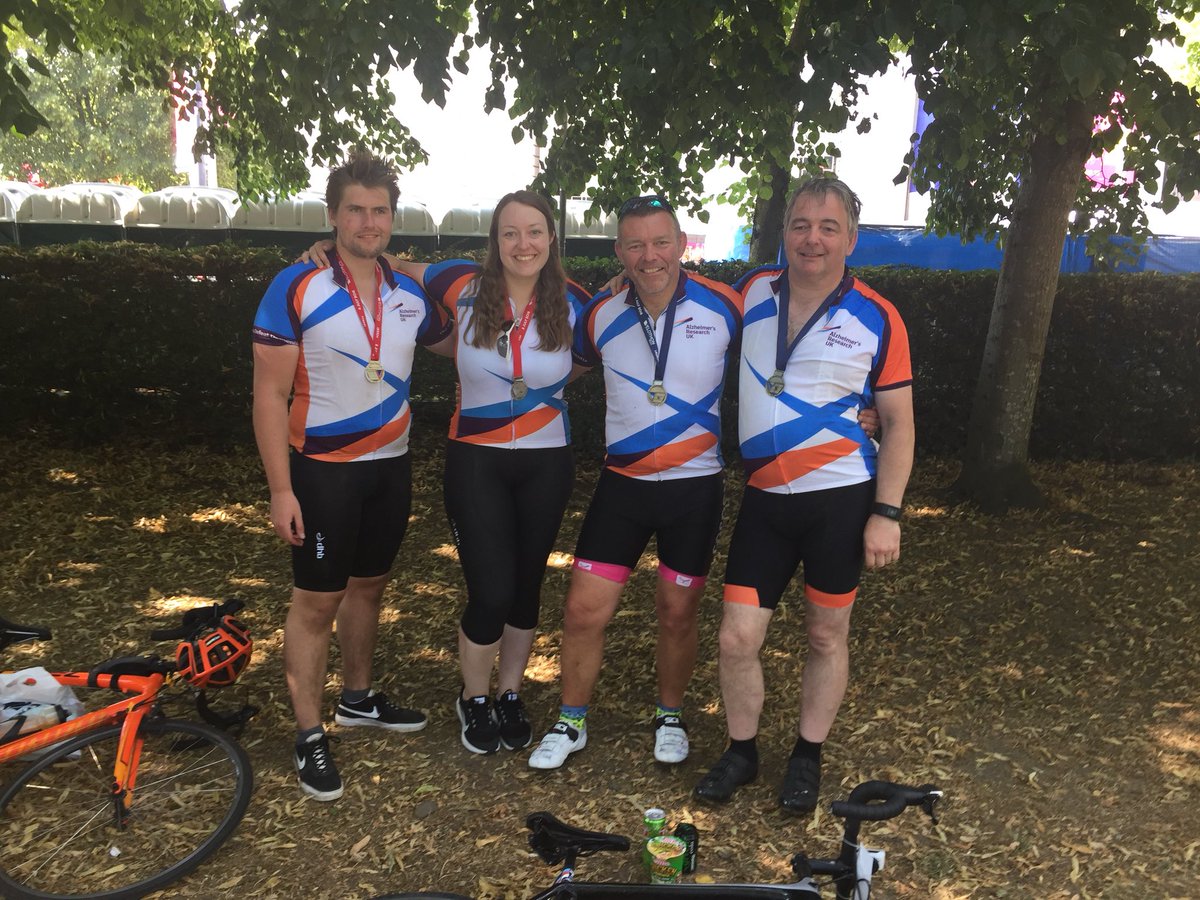
I will be cycling 140km for the Velothon Wales in support of Alzheimer's Research UK, if you are able to give anything towards this worthy cause, it would be hugely appreciated!! https://t.co/wDAKgbPREa
This orange has the power to change perceptions of dementia. But it all starts with you. Please watch and #ShareTheOrange, the film we made with @BryanCranston