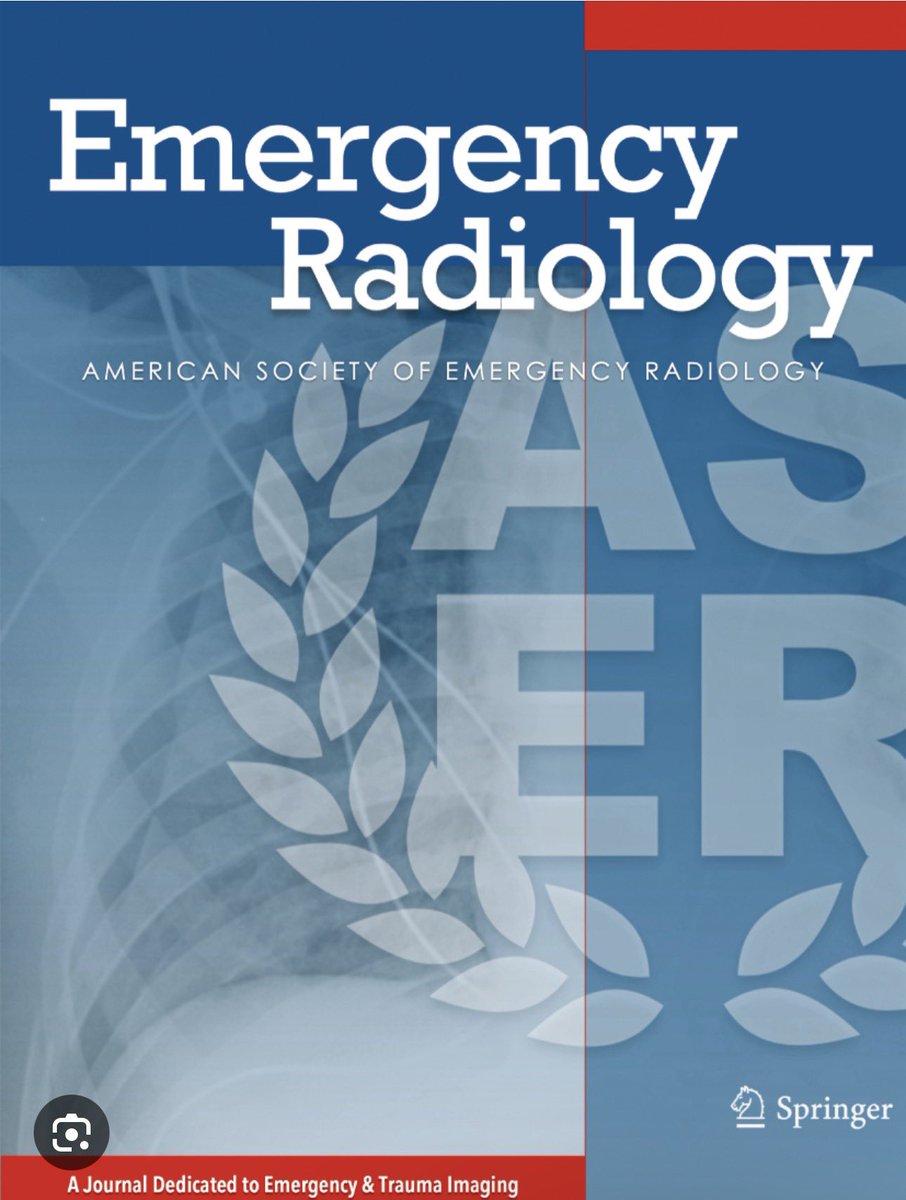
Read full-text, open access my latest #EmergRad#research on “ Emergency radiology subspeciality: thematic analysis & future perspective”, just published with @SpringerNature in Emergency Radiology @ERadSociety.
https://t.co/wlfSflBzfX
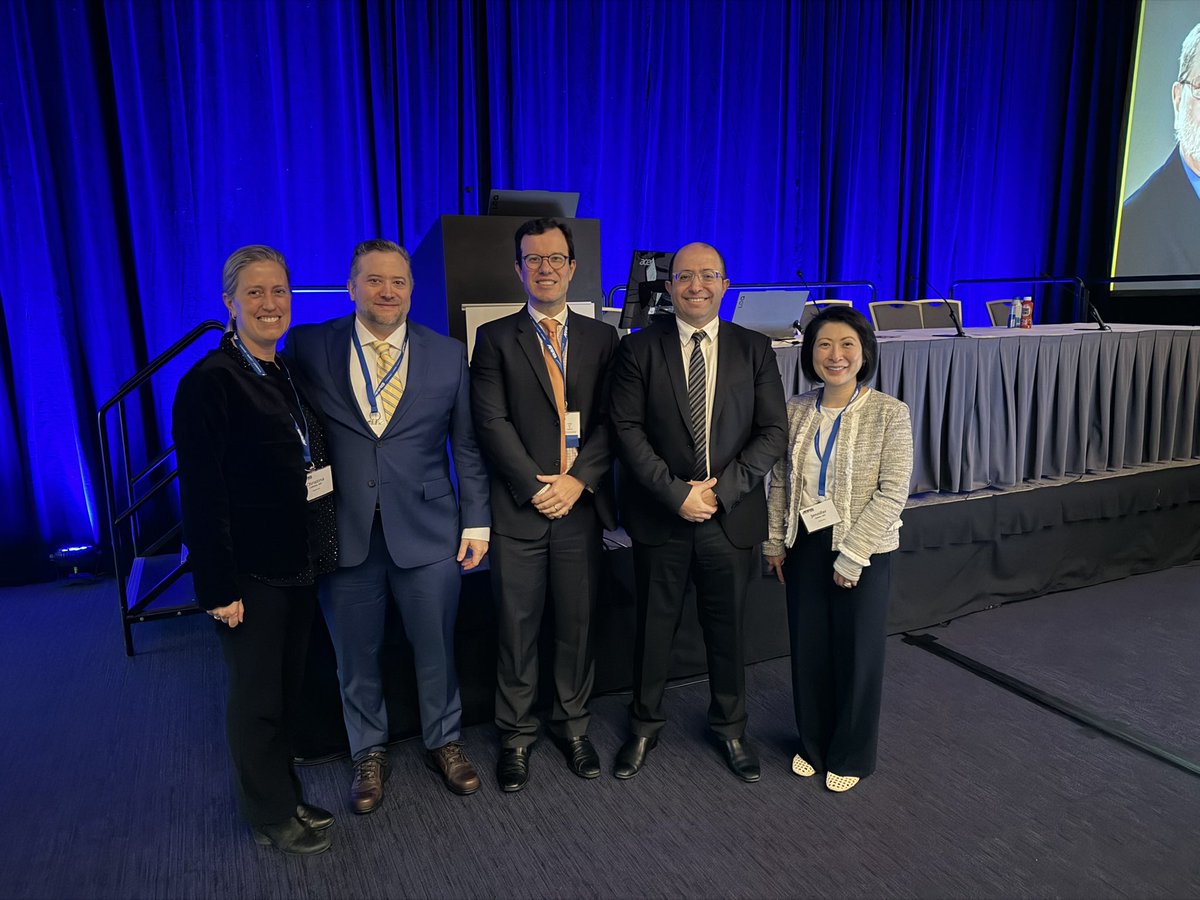
Very interesting take on AI role and threats from @zeynep today at #RSNA2025 plenary session.. Great viewpoints on how we view and predict the future of #AI.
@RSNA
✨ Exciting news!
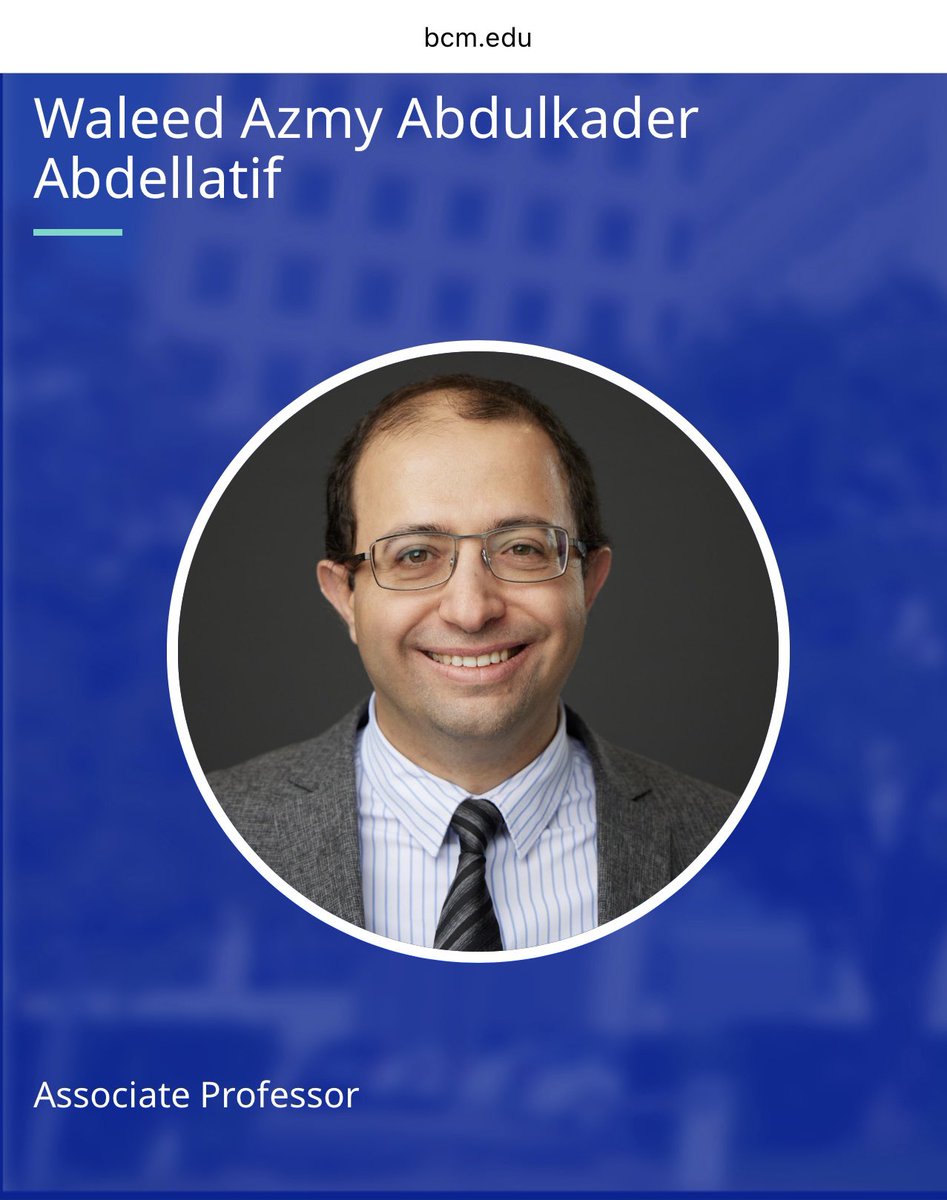
I’m thrilled to share that my promotion is now official: Associate Professor of Radiology at Baylor College of Medicine.
Grateful for the mentorship, collaboration, and support along this journey — and looking forward to what’s ahead!
@bcmhouston
Join us at the ASER 2025 Annual Meeting, October 6–9, in Denver, Colorado! Showcase your work and connect with leaders in emergency radiology.
📅 Important Dates
May 12 – Abstract Deadline
June 20 – Notification
Submit applications at https://t.co/Wsla92ylbB
During Easter 1982 the bacteria that causes most stomach ulcers and can lead to gastric cancer was first discovered.
Robin Warren (left) and Barry Marshall (right) tried and failed to grow the organism several times. It was only when the agar plates were left in the incubator by mistake during the Easter holiday that numerous colonies of the bacterium developed. It became clear that a new bacterial genus had been isolated, which was eventually named Helicobacter pylori.
In 2005, Marshall and Warren were awarded the Nobel Prize in Physiology or Medicine for their discovery: https://t.co/8s8TWpF1jh