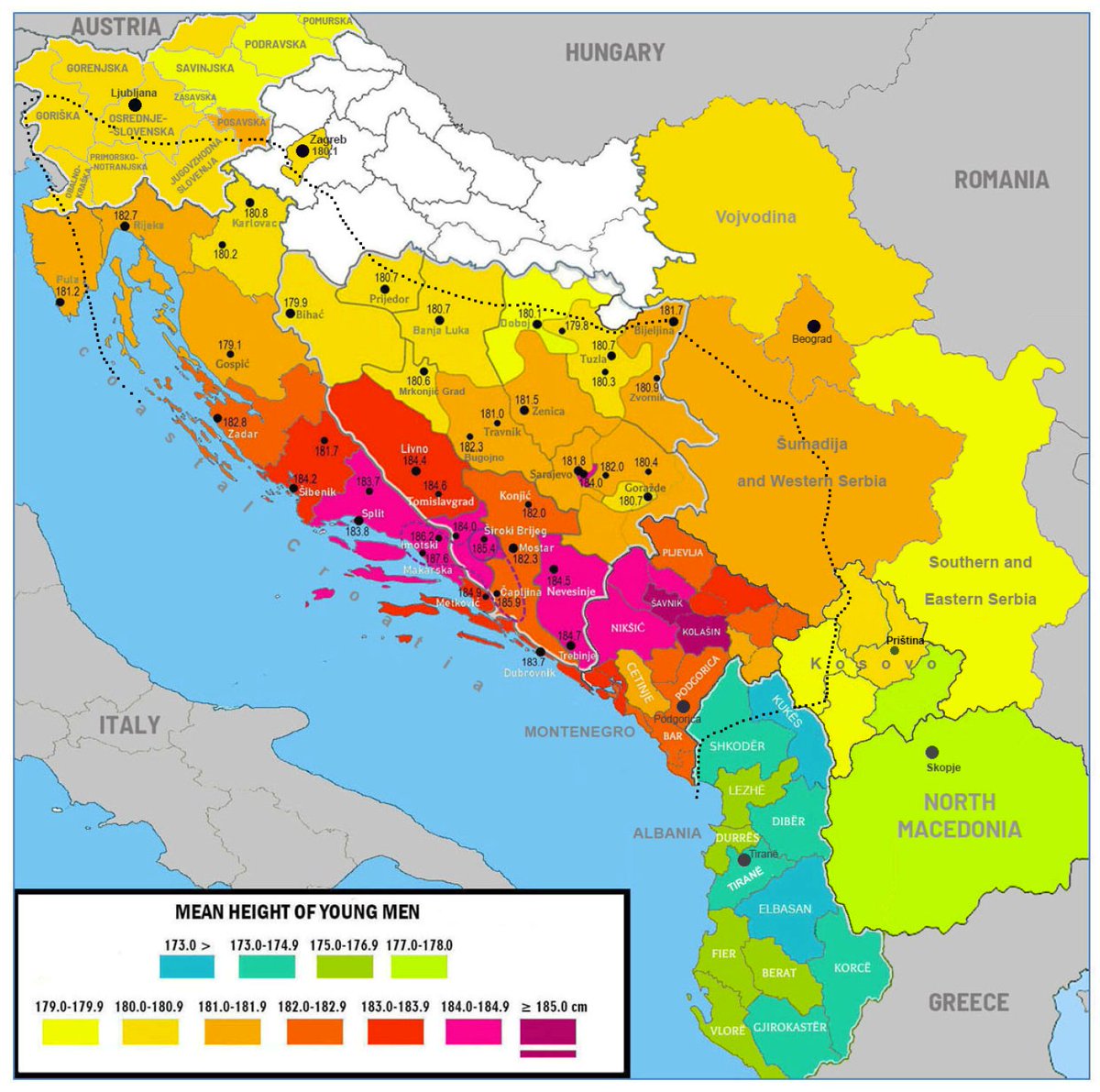
In 2022 a team of Czech and Montenegrin anthropologists published the most comprehensive height survey ever conducted in the Western Balkans. They measured 47,158 people across Bosnia, Herzegovina, Croatia, Montenegro, Albania, and Kosovo.
The result overturned an assumption that had stood for fifty years. The tallest 18-year-olds in the world are not Dutch.
They are from Montenegro. The average 18-year-old male in Montenegro is 182.9 cm. In Dalmatia, 183.7 cm. There is a continuous belt running from the Adriatic coast through Herzegovina into central Montenegro where average male height exceeds 184 cm. In some towns it is over 187 cm.
This is the highest mean stature ever documented in any human population.
The strange part is that the Balkans are not rich. GDP per capita in Montenegro is roughly a fifth of the Netherlands. Protein intake is well below Western European levels. By every conventional metric, the Western Balkans should be producing average heights similar to Bulgaria or Romania.
Instead they are producing the tallest men on earth.
The explanation is genetic. Y-chromosome haplogroup I-M170, present in over 70% of men in Herzegovina, correlates with male height across all 55 European and Near Eastern populations the researchers tested. Wherever the haplogroup is common, the men are tall.
The haplogroup is descended from the Gravettian culture of the Upper Palaeolithic. The Gravettians were big-game hunters. They specialised, for roughly 15,000 years, in killing mammoth, bison, reindeer, and aurochs across Europe. They ate, in caloric terms, almost exclusively animal products. The most meat-heavy diet documented in the European archaeological record. Hundreds of generations of selection pressure for converting animal protein into skeletal stature.
When the megafauna disappeared, most Gravettian populations dispersed and intermarried with incoming farmers from the Near East, who carried different haplogroups associated with shorter stature. The Western Balkans, isolated by the Dinaric Alps, retained an unusually high proportion of the original hunter genetics.
The men of Herzegovina are the genetic descendants of mammoth hunters who spent the Ice Age eating fat and meat in quantities no modern population approaches.
They are still tall, on a sub-optimal modern diet, because the genes were selected for height by 15,000 years of animal-based eating.
If their nutrition reaches Northern European levels, the prediction is that average male height in central Herzegovina will reach 190 cm within two generations. Six foot three. As an average.
The Dutch built their height in 150 years on dairy.
The men of the Dinaric Alps built theirs over 15,000 years on mammoth.
And the variable, in both cases, was the animal.
.@GeorgeSzamuely: With massive propaganda, disinformation campaign led by all the major media outlets—the BBC, CNN—suddenly everybody hated the Serbs. The Serbs were the first victims of this media campaign, media disinformation, demonization, followed by sanctions, followed by, you know, terrorism—use of these fascist elements from Croatia, Islamist elements—to create terrorism, the fear of terrorism, and then finally, you've got the bombing. So this was all pushed against the Serbs in this very, very small period of time.
On this day in 1999, NATO began bombing its illegal bombing campaign of Yugoslavia without permission from the UN Security Council.
Between 1200-2500 civilians were killed and 5000 were wounded. During the 3 months of bombing, NATO dropped between 10-15 tonnes of depleted uranium bombs.
After years of supporting right-wing nationalist forces to undermine and weaken the integrity of Yugoslavia, NATO begun its campaign to break up the socialist state. Though it claimed to be intervening to stop ethnic cleansing, the Assistant to US Secretary of Defense Strobe Talbott revealed the real reason for the war:
"It was Yugoslavia's resistance to the broader trends of political and economic reform, not the plight of Kosovar Albanians, that best explains NATO's war.”
NATO openly bragged about its destruction of Yugoslavia’s infrastructure, with its spokesperson Jaime Shea proudly saying in 1999 “And the fact that the lights went out in 70% of the country…we can turn the power off whenever we need to and whenever we want to.”
Between the 24th of March and 5th of June 1999, 78 industrial sites and 42 energy installations in Yugoslavia were damaged by bombing or missile strikes. The air strikes destroyed over 20 chemical and petrochemical installations, accounting for around 70% of Yugoslavia’s oil-processing capacity.
Croatian authorities remove Cyrillic from Orthodox Serb gravestones – ** CULTURAL GENOCIDE** in progress!
Why the ongoing persecutions, hatred & attacks on Orthodox Serbian heritage?
Chilling reminder: Croatian Ustasha killed 700k+ Serbs, Roma and Jewish people in WW2.
#UN
“I never saw anything like this before…”
We followed @JoakimNoah to Belgrade, Serbia to experience one of basketball’s greatest rivalries: Partizan vs. Red Star.
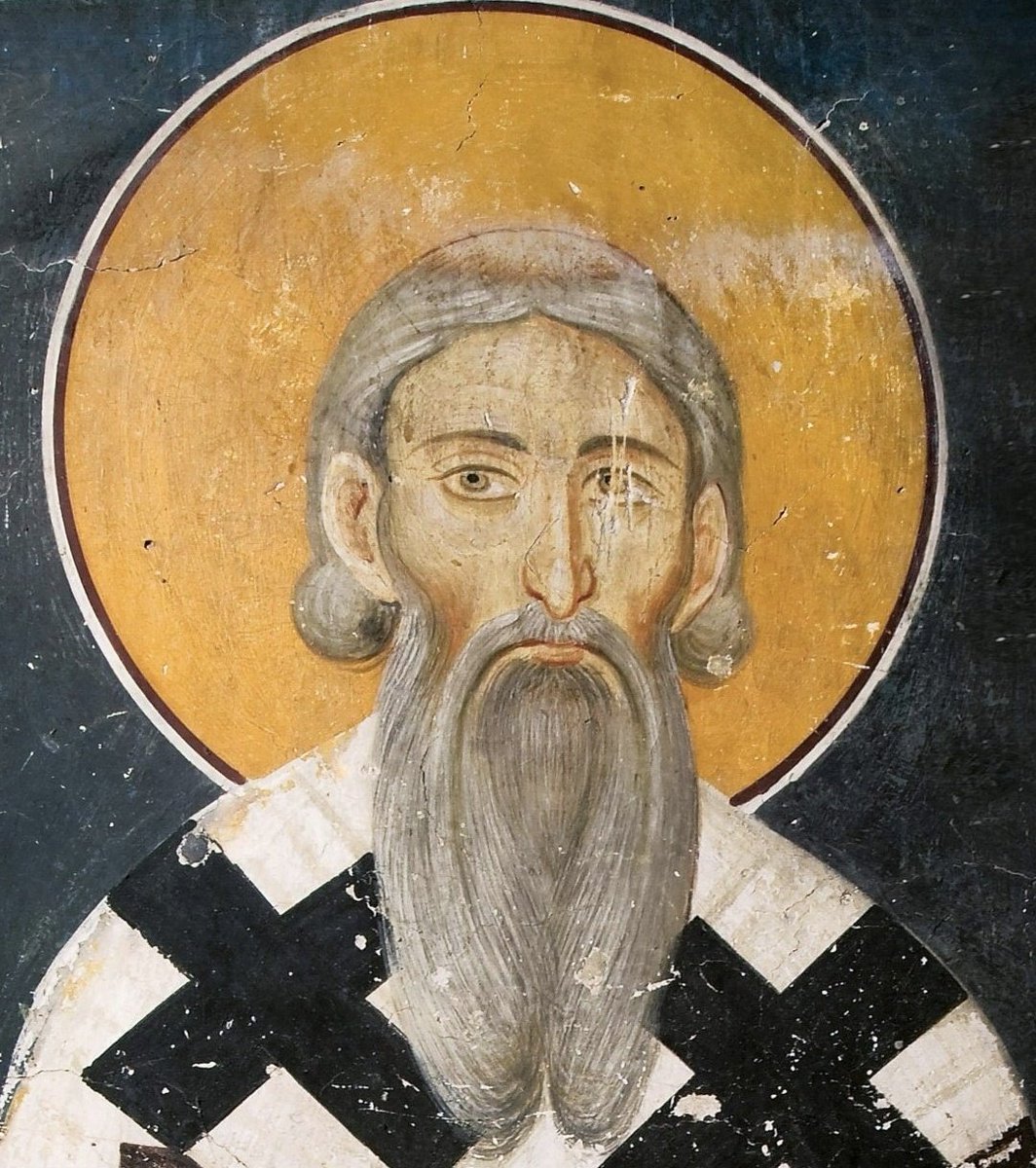
Today we celebrate Saint Sava, a Serbian Prince and Orthodox monk, the first Archbishop of the autocephalous Serbian Church, the founder of Serbian law, and a diplomat.
He is widely considered one of the most important figures of Serbian history.
The fruits of Croatia's expulsion of the Krajina Serbs in 1995. In municipalities where Serbs once lived, there has been a profound demographic collapse.
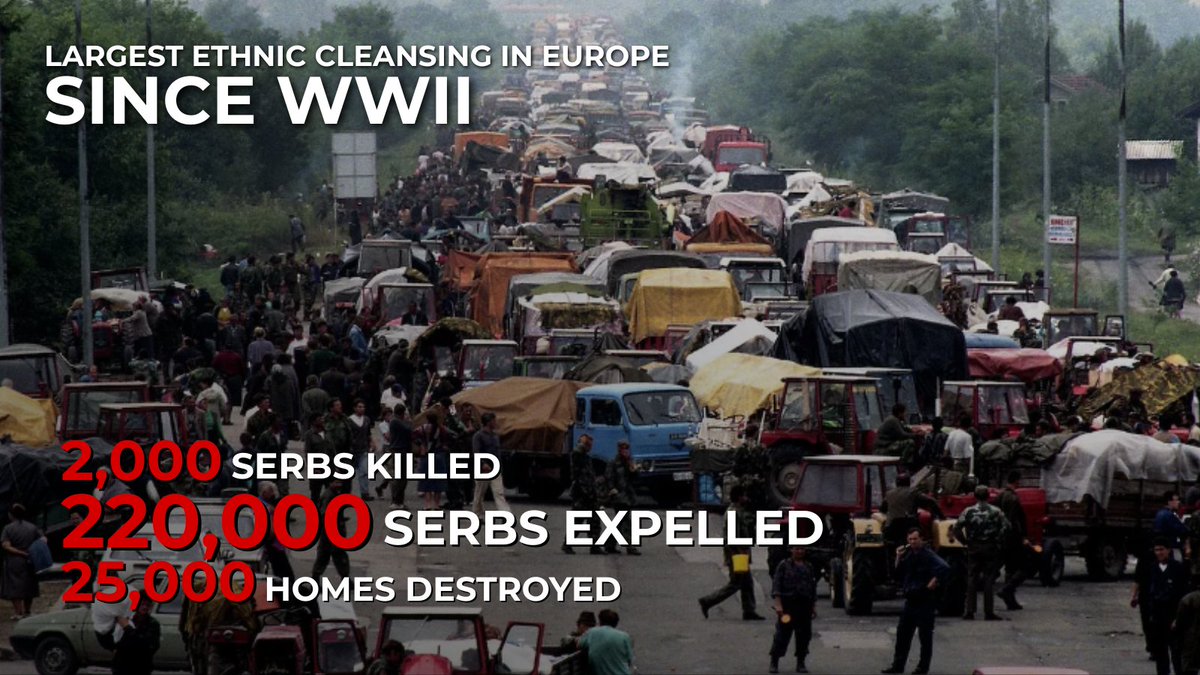
30 years ago, “Operation Storm” marked the biggest ethnic cleansing of Christians in Europe since WWII. ☦️🙏🏼
2,000 Serbs killed, 220,000 expelled, 25,000 homes destroyed.
Each year, Croats mark this atrocity with parades, not mourning. That alone says everything.
#Serbia Today marks 30 years since the Croatian Operation "Storm" — the largest ethnic cleansing in Europe since World War II.
2,000 Serbs were killed.
220,000 Serbs were expelled.
25,000 homes were destroyed.
Сваког четвртог августа у српским душама настане болна тишина. Тај четврти август је све, само не обичан датум – он је рана на памћењу, вапај за завичајем, слика дугих и бескра��них колона људи који су остављали своје куће, своје њиве, своје гробове, носећи са собом само живот и молитву.
Сви ми Срби смо у тим колонама. Неко као изгнаник, неко као онај који памти, али свако као онај који носи дио тог бола. Тада су се поновиле старе сеобе, али овај пут не само пред очима нашег народа, већ и цијелог свијета који је вјеровао да је та епоха давно окончана. И поново је један народ морао да крене у непознато, са истих оних огњишта која је крвљу и храброшћу својих предака одавно учинио својом постојбином.
Наш народ је кроз вијекове упознао прогон и страдање. Многи су хтјели да нас избришу са мапе памћења – рушили су нам манастире, палили села, забрањивали име и језик. Али све што су рушили, ми смо изнова подизали. И све што смо пропатили ми смо памтили. Трудили се да се крећемо ка бољој и љепшој будућности, држећи се провјерених традиционалних вриједности и учења наше свете Српске православне цркве.
Сјећајући се данас страдалника Крајине, изговарамо тиху, али јасну поруку: опстали смо, трајемо, знамо своје коријене, а посебно чувамо сјећање на све који су за живот и будућност потомака подарили свој.
On August 2, 1941, Croats burned Tesla’s family home and the church where his father served, killing 91 Tesla relatives and hundreds of Serbs.
Today, Smiljane has no Teslas and no Serbs
Yet Croats claim Tesla as their own and put him on their Euro coin
Hypocrisy at its worst.