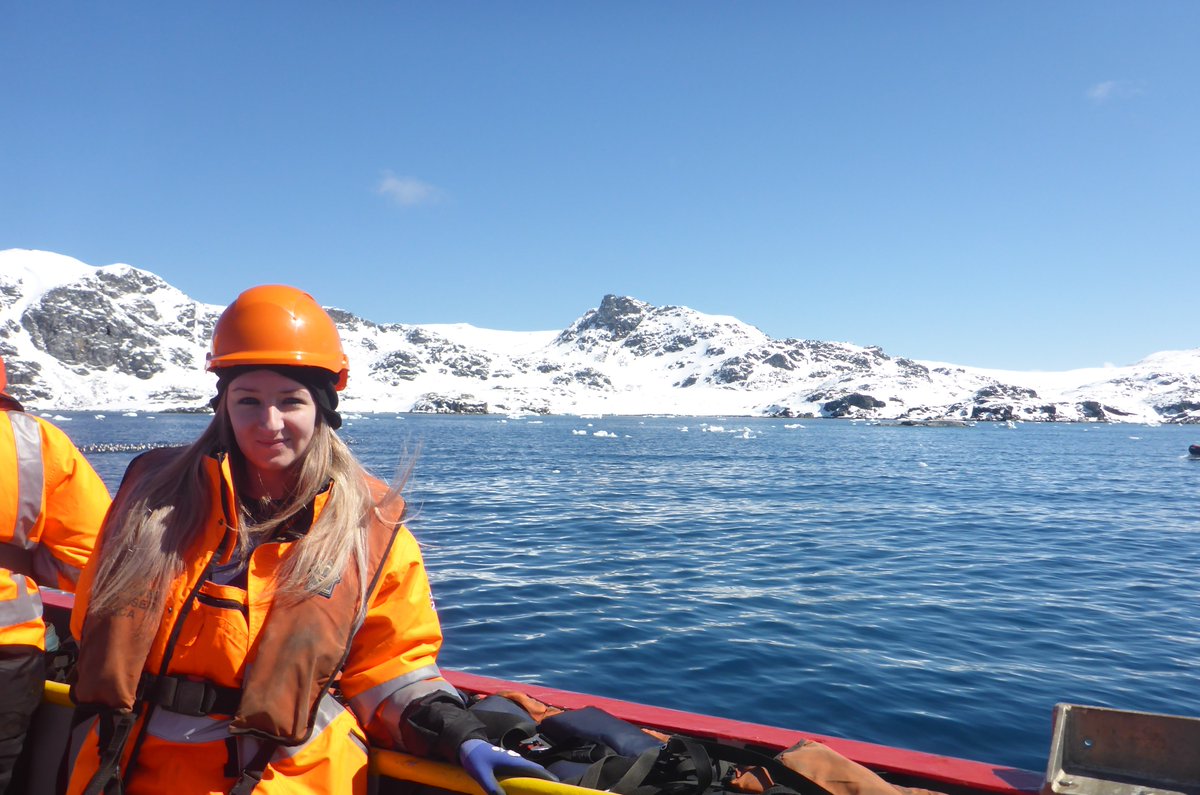
Marine ecologist 🔎plastic/environment interactions in #SouthernOcean#Antarctia @BAS_News. Wolfson College Research Associate @WolfsonCollege @Cambridge_Uni
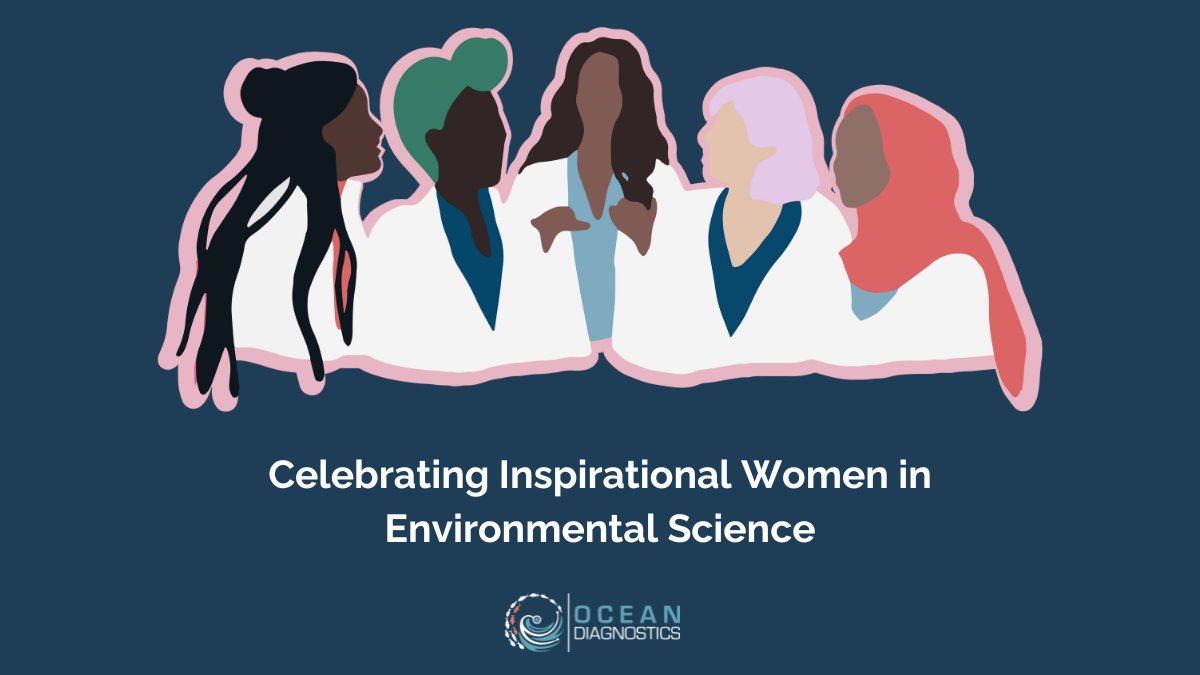
This #InternationalWomensDay we celebrate the incredible women working to solve plastic pollution through science, policy development, community engagement and more. 🙌 We are honoured to learn from and work with you all to protect our planet. 🌎💚🌈 #WomenInSTEM#Gratitude
It's still #WorldKrillDay 🦐 So what better time to tell you about plastic pollution affecting these tiny climate heroes?
Our scientists have been hunting for a huge quantity of microplastic...
...and they found it: at every depth, and inside krill.
👉 https://t.co/ysmoJnbEaF
#NewStudy finds #microplastic#flux decreases 69% from 50 m to 150 m in the Southern Ocean: https://t.co/Ef8nR4dp6F
Studying this movement at depth may provide insights into the distribution and fate of #plastics in our oceans.
@EmilyRowlands89@BAS_News @annaposacka
📢#NewPublication: "Vertical flux of microplastic, a case study in the Southern Ocean, South Georgia." This study investigates the vertical sinking of #microplastics (50 - 150 m). Find it on our publications page: https://t.co/fSsvtKJPHK
@EmilyRowlands89@BAS_News @annaposacka
Wildlife has declined an average of 68% since 1970 (@WWF). #Biodiversity loss is a threat, but with #eDNA, researchers can monitor ecosystems, environments and endangered species. Check out our upcoming eDNA devices: https://t.co/8GSPdnOmyV
#BiodiversityDay#BiodiversityDay2023
In the early 2000s, NERC-funded researchers first sounded the alarm on microplastics in our oceans.
Nearly 20 years on, we're still uncovering the extent of microplastic pollution - now confirmed in one of the most important marine food chains on the planet
Isla's flag has reached Antarctica! Dr. Bowden has just received photographic evidence that the flag designed by the Year 7 student has winged its way across the world to the the Singy Research Station. https://t.co/M5CUwd53LJ @UKPolarNetwork@fiona_616@HattAinsley
Antarctic iceberg A-76A the biggest remaining piece of A76 and largest berg floating in the world's oceans. It's hard to capture the size or beauty but we try @BAS_News @ExeterMarine
#Microplastics from Antarctica, collected aboard @BAS_News were brought to Ocean Diagnostics for analysis. The collaboration led to enhanced Raman spectroscopy polymer identification methods: https://t.co/n5woMkHHxD @UniofExeter
#Microplastics from Dr. Rowlands’ @BAS_News survey expedition were brought to Ocean Diagnostics’ lab for analysis. While working alongside the team in Victoria, Dr. Rowlands analyzed #plastics. This knowledge exchange resulted in enhanced Raman techniques: https://t.co/cjxFVpBEMB
Many #microplastics in the ocean sink to depths not commonly sampled by researchers. Dr. Emily Rowlands of @BAS_News & @UniofExeter sought to undercover some of this #microplastic mystery in Antarctic waters. Samples were analyzed by Ocean Diagnostics: https://t.co/zK7F5PdVTa
The fate of ocean #microplastics is largely unknown. Microplastics at different depths may account for missing ocean plastics. @BAS_News researcher finds a higher microplastic flux at 50m & 100m in Antarctic waters. Ocean Diagnostics analyzed the samples: https://t.co/YaEZbd3MN5