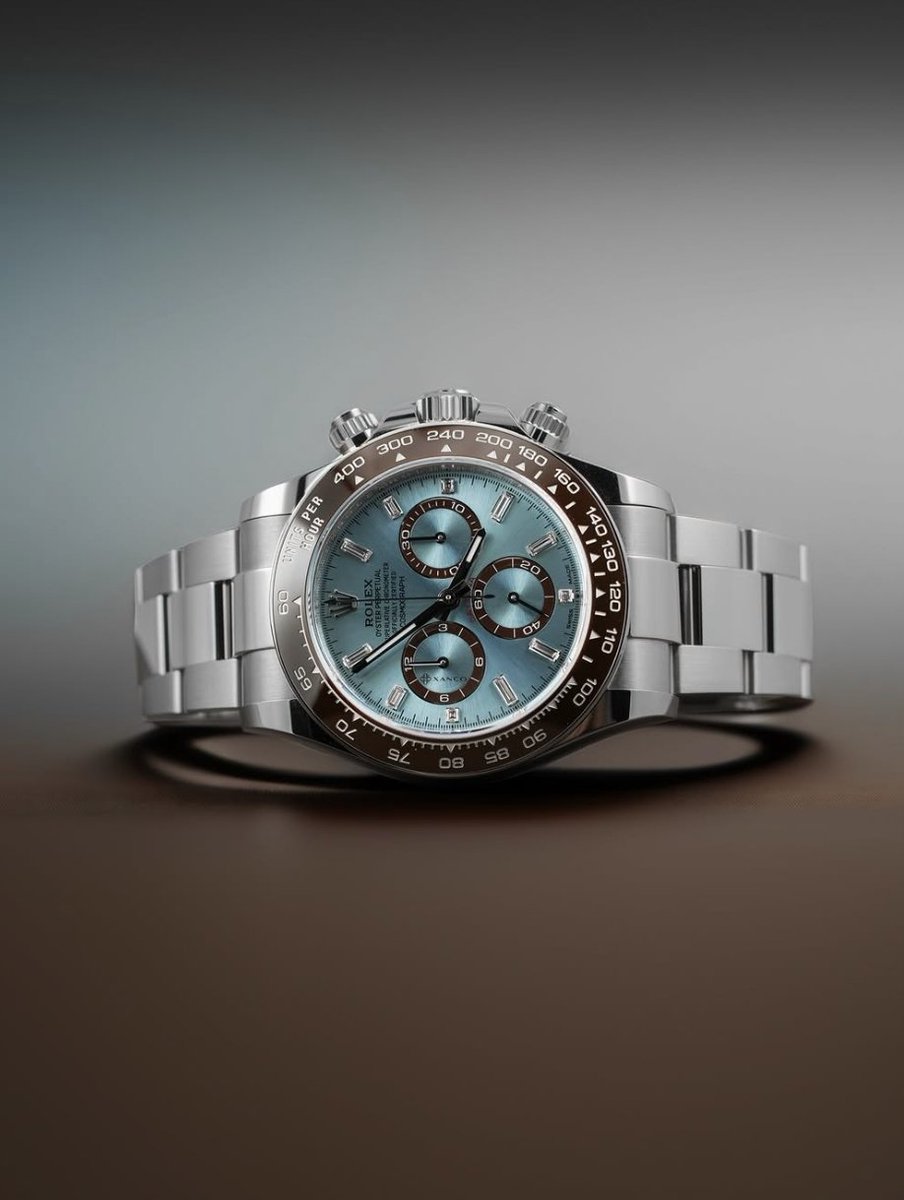
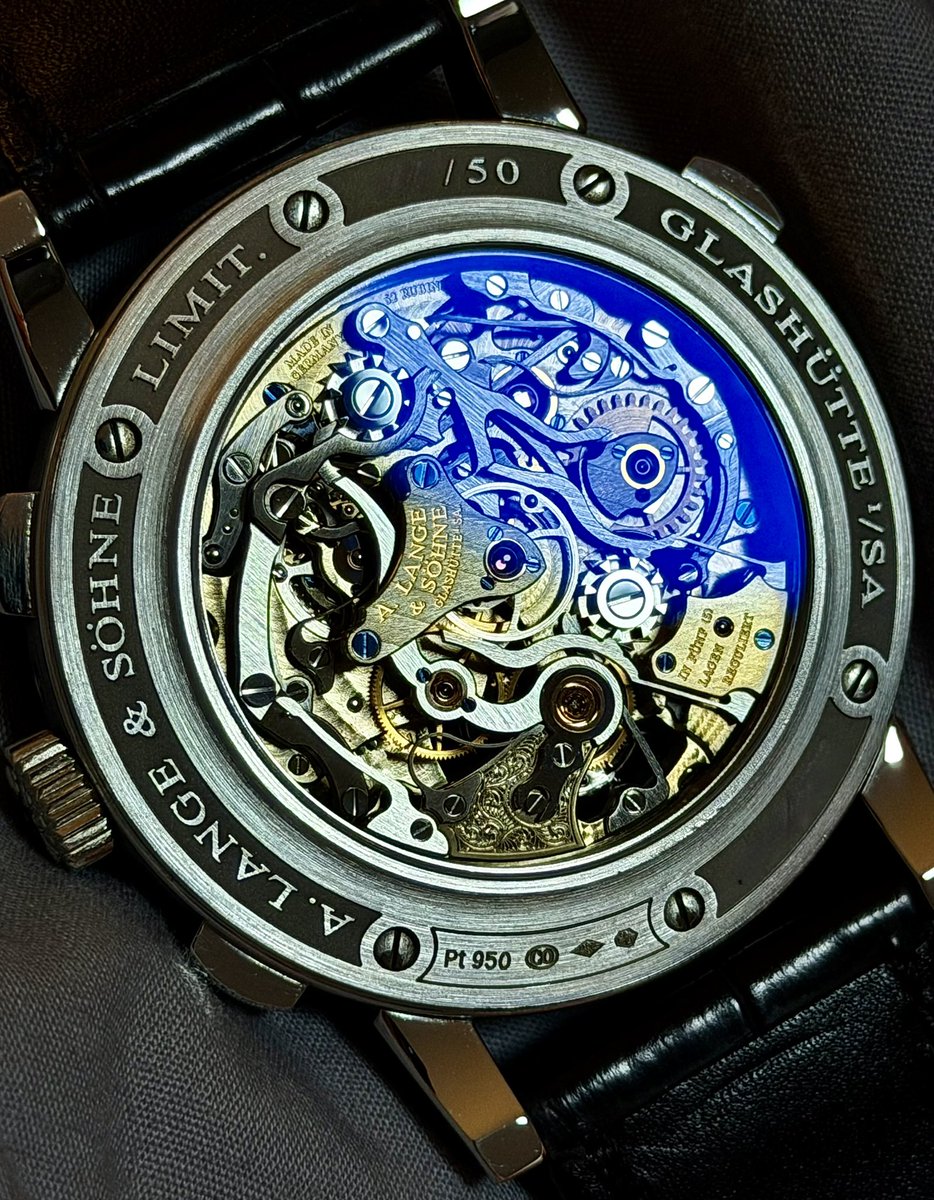
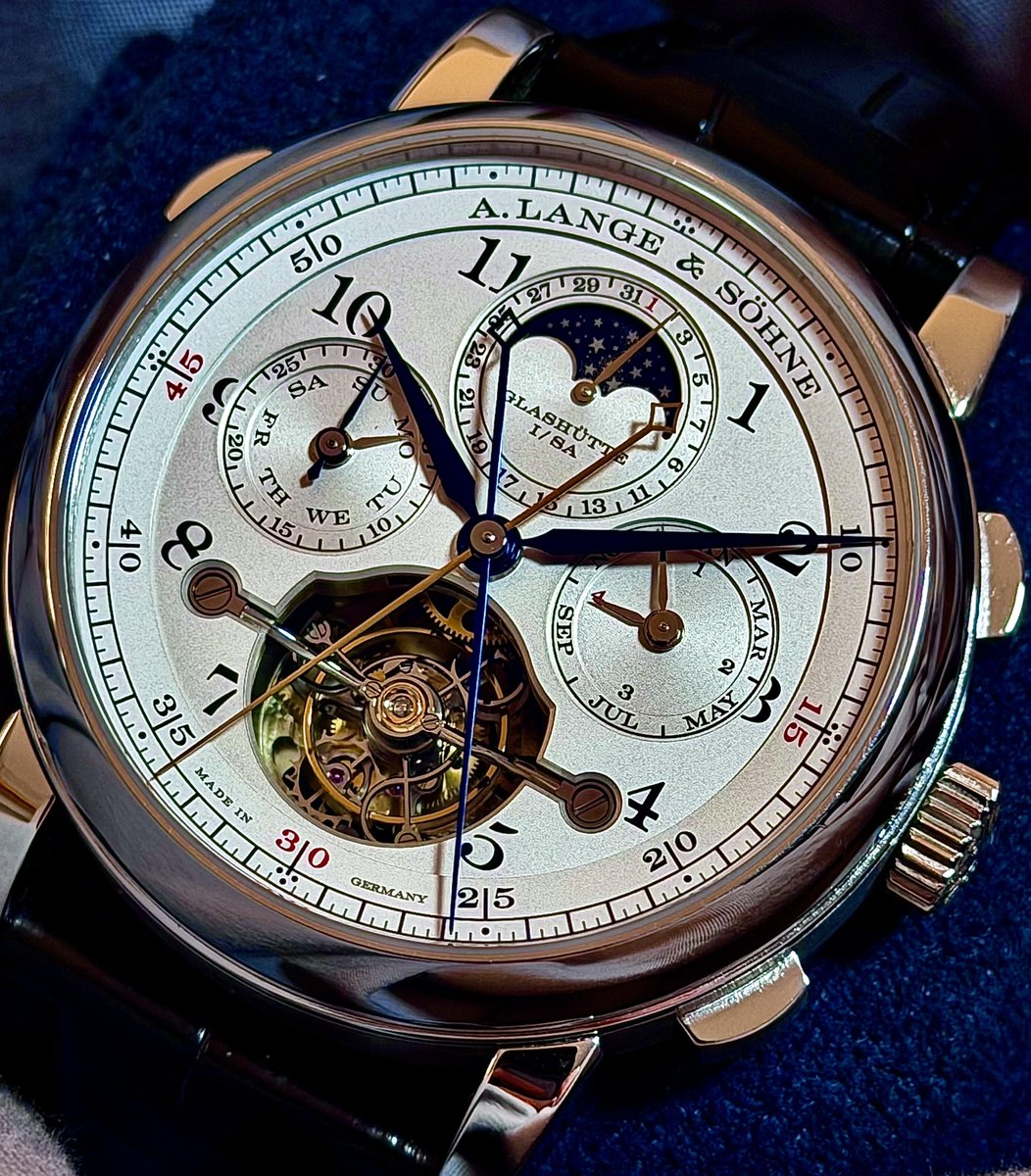
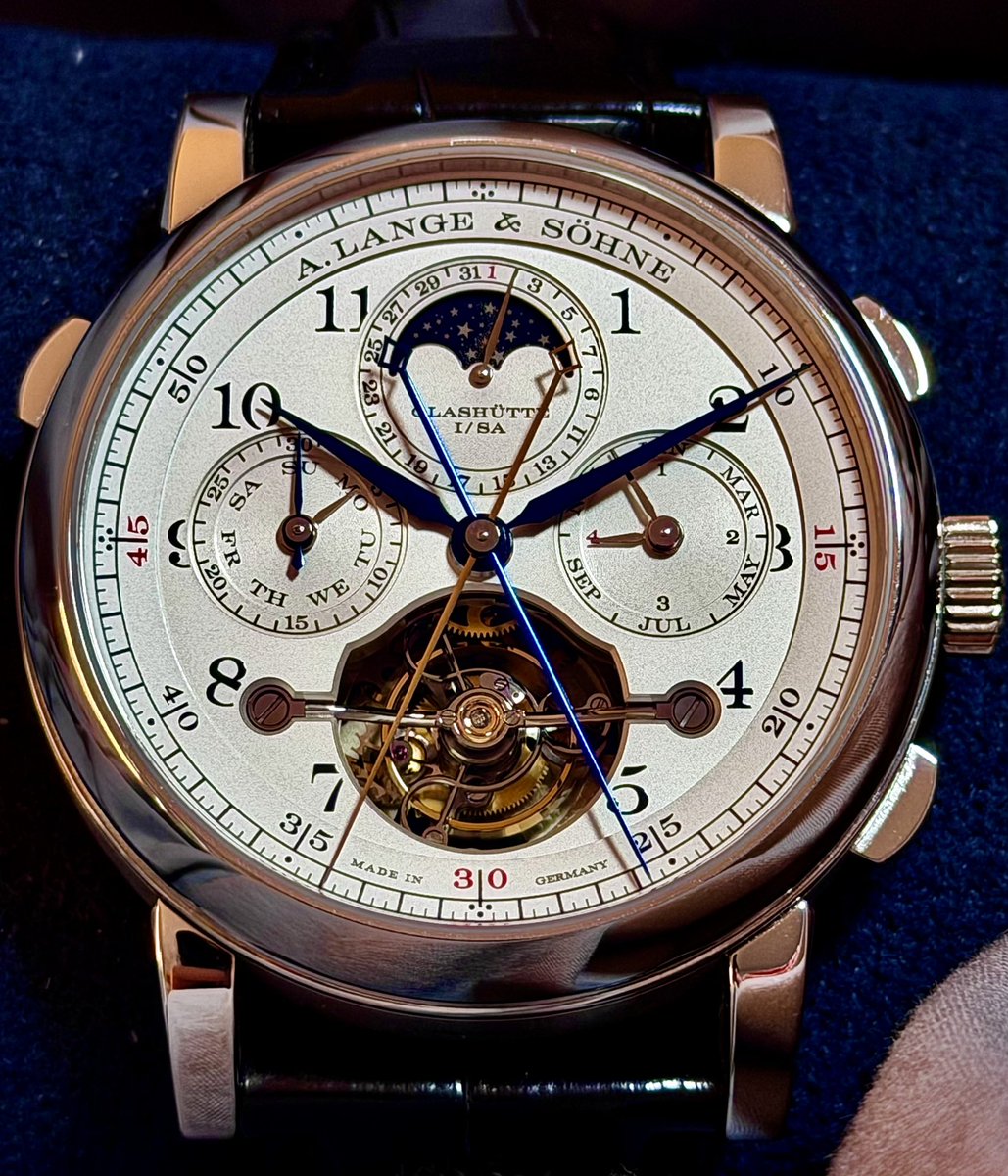
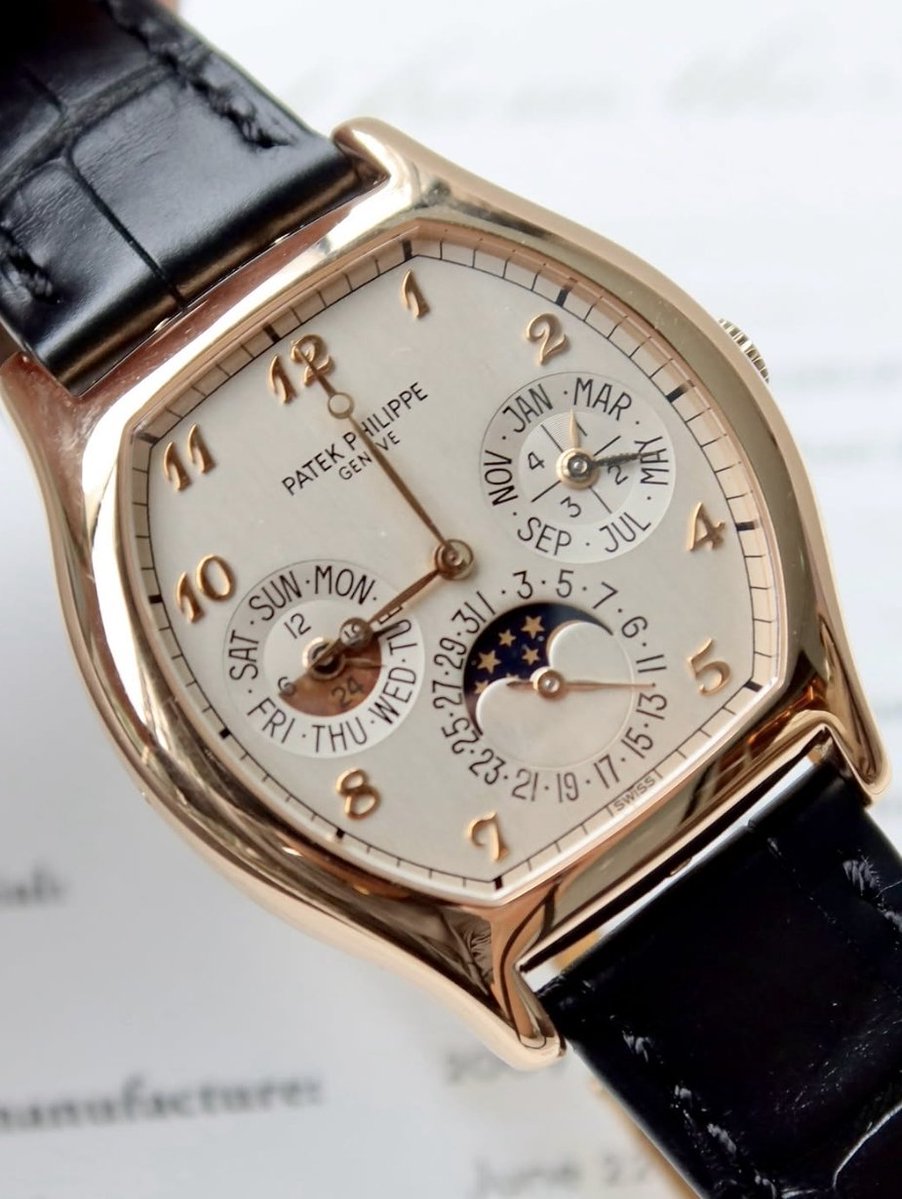
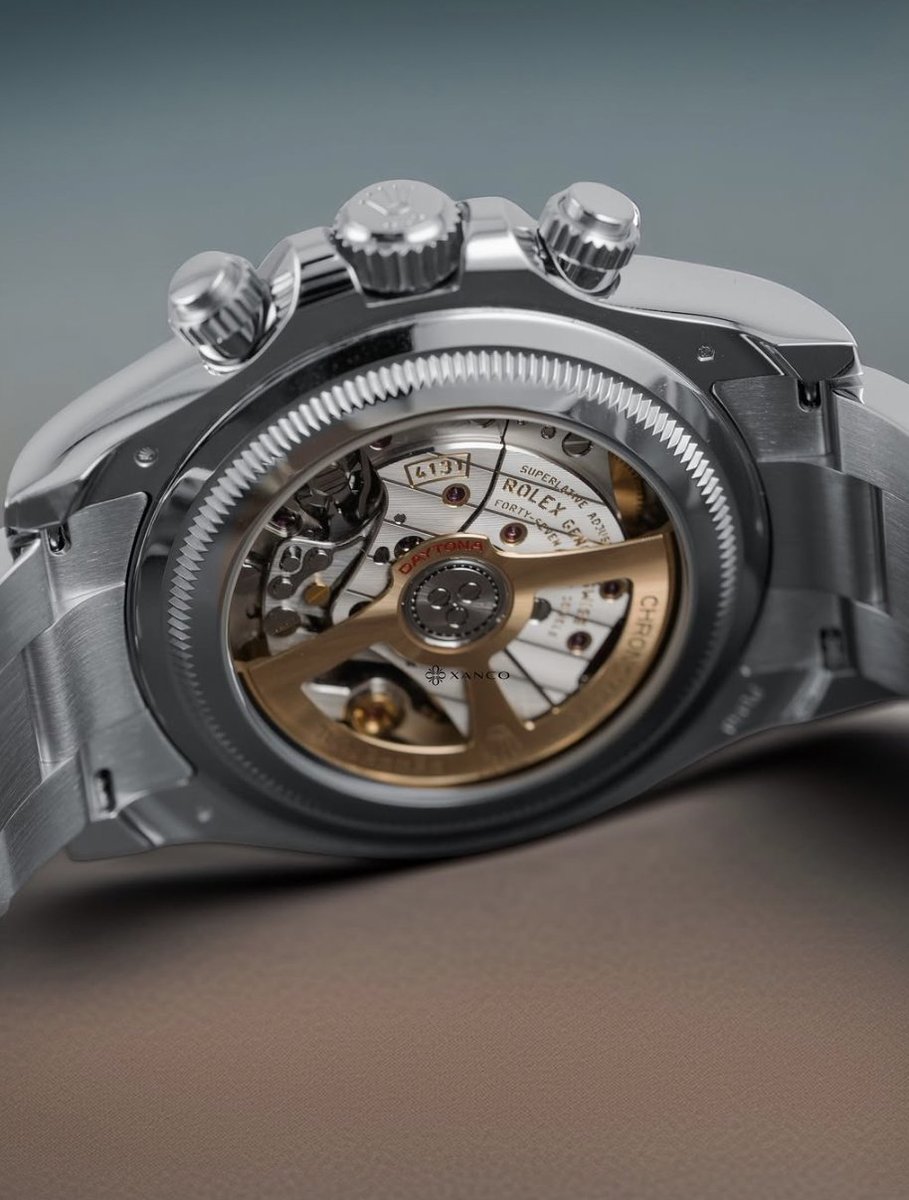
Rolex Daytona Ref. 126506 with diamond hour markers
This without the diamonds is the best Daytona, much better than the ones that sold for almost $50 Million
Good morning, watch lovers.
Rain in the forecast all week.
And Monday was already a long one.
I wish I had the power reserve of a good watch… but I’m an older model, so I run down pretty quickly.
Don’t work too hard, everyone!
Have a great day!
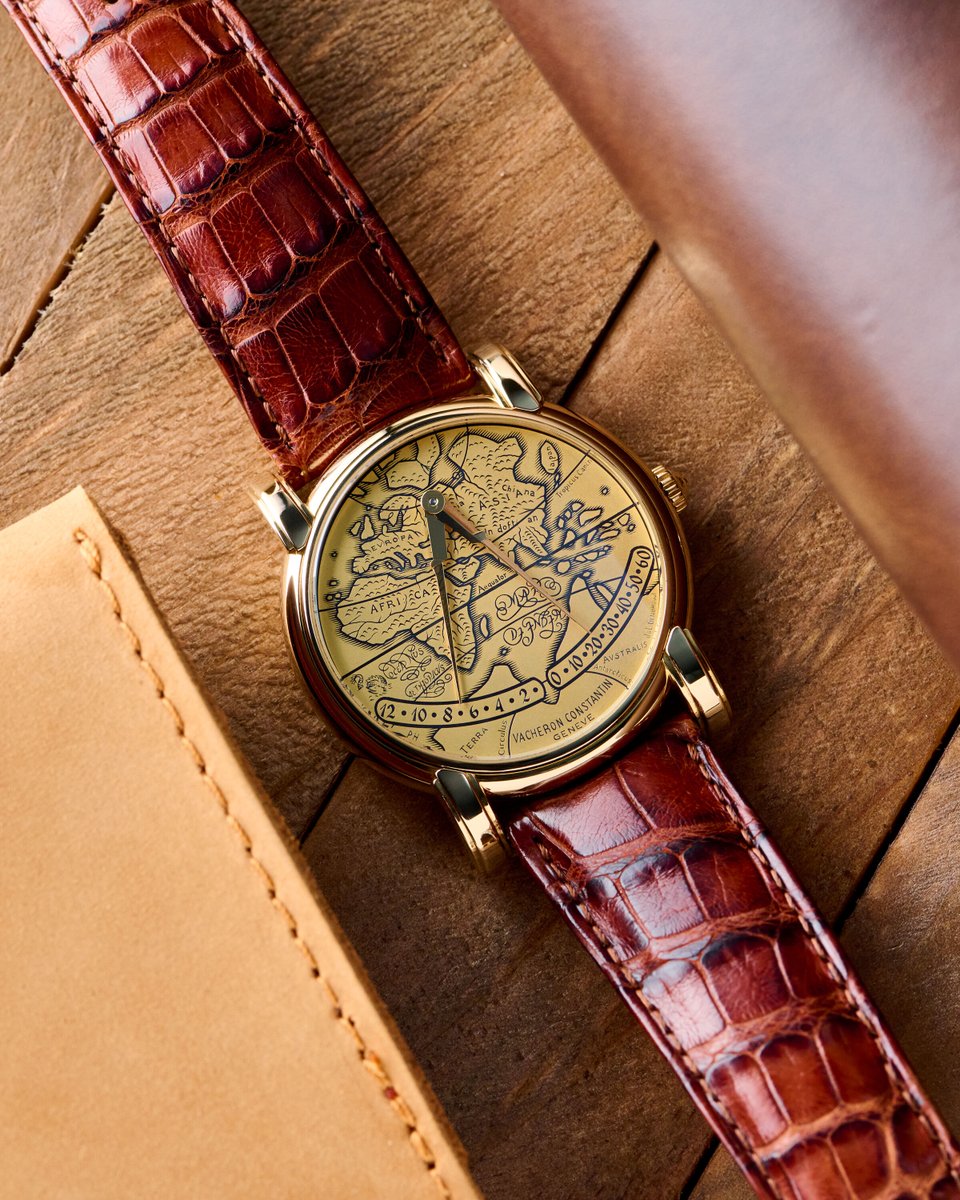
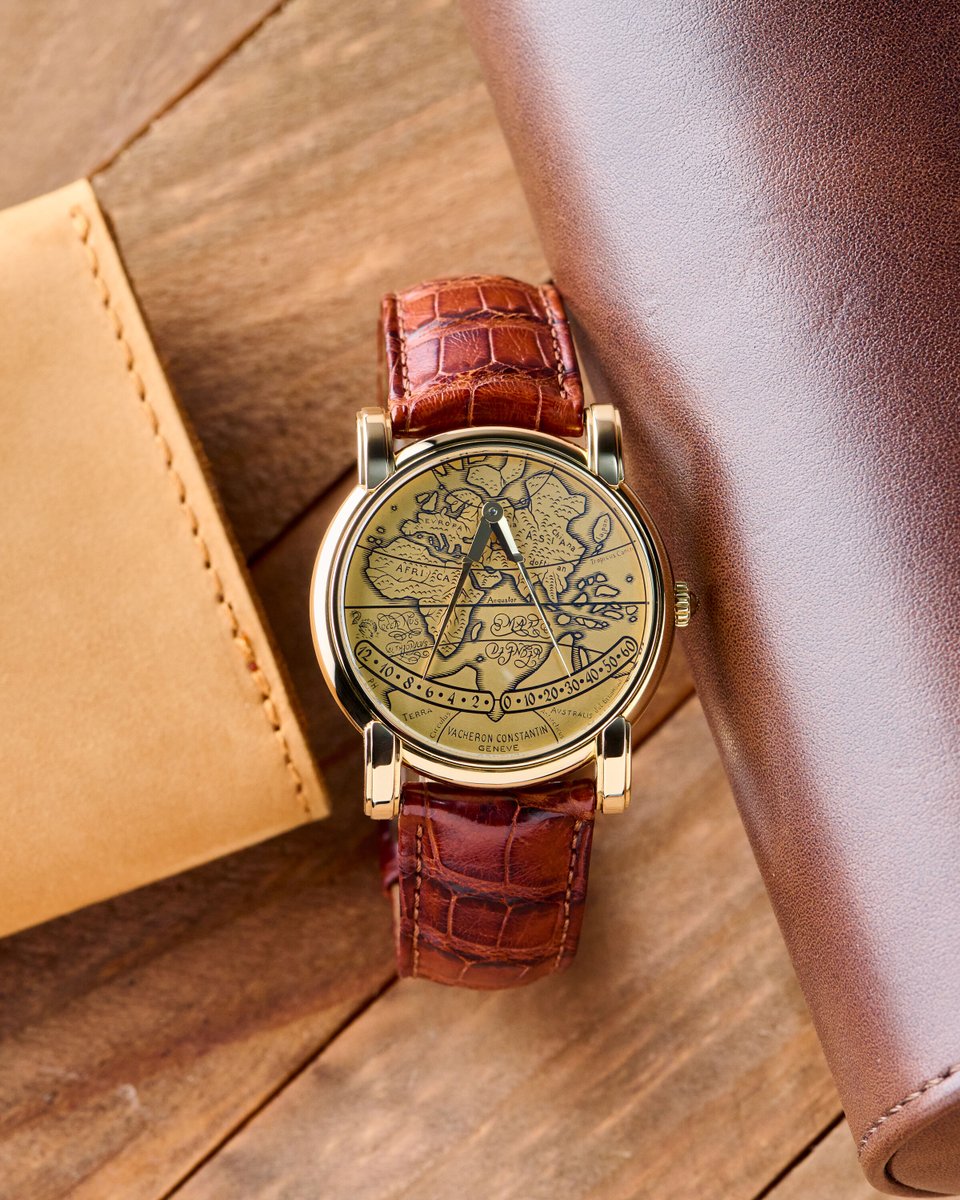
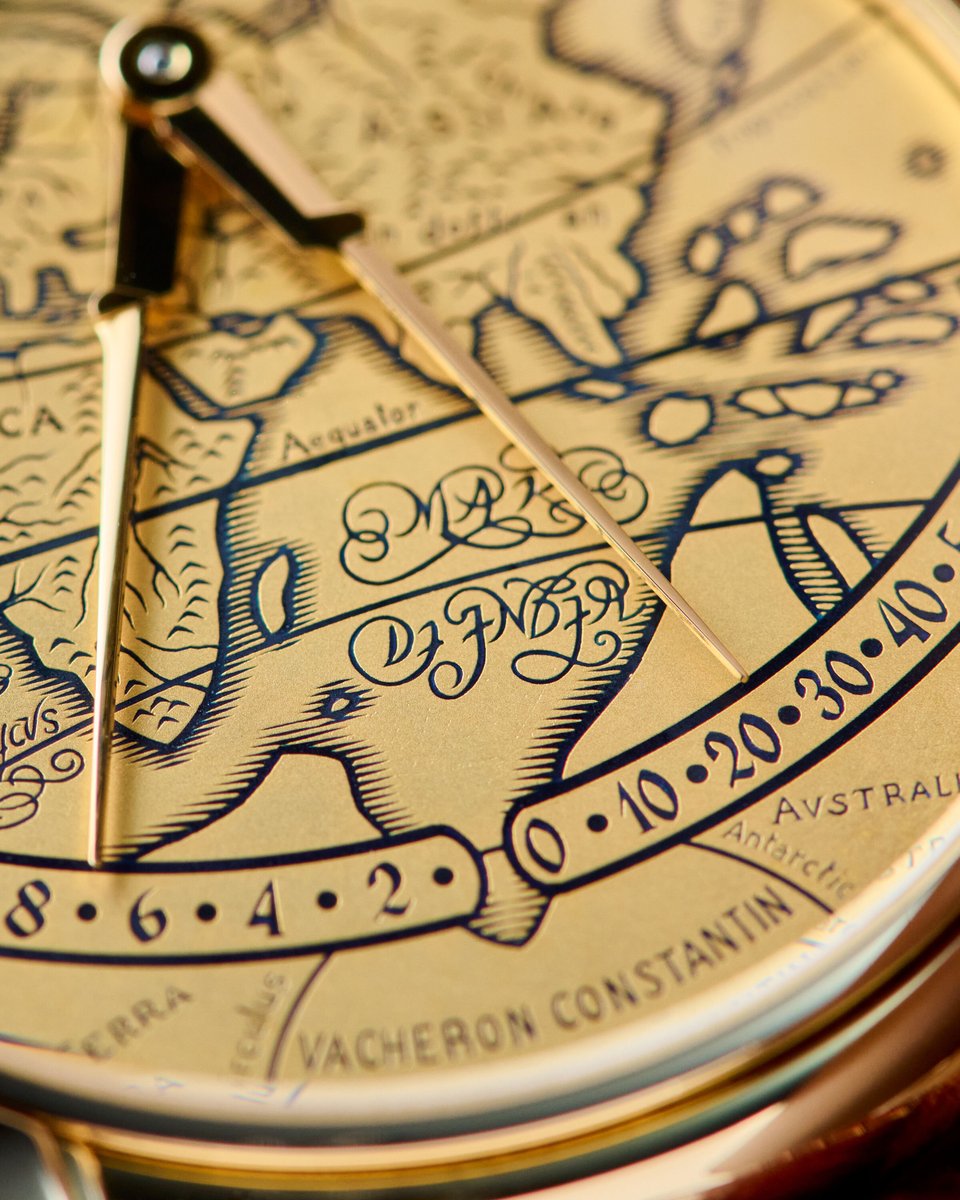
The hands on this watch aren't just hands, they're the arms of a map divider, opening and closing.
Vacheron Constantin didn't come up with this model on their own. It was conceived and designed by the Belgian independent watchmakers and master enamelers Jean and Lucie Genbrugge.
The hands pivot from a single point near twelve rather than from the centre of the dial, and they sweep two separate arcs across the bottom half. Hours on the left, one to twelve. Minutes on the right, zero to sixty. Both are retrograde. The hour jumps, the minute drags its way along the arc and then snaps back to zero at the top of the hour, which is the moment the two legs close on each other like a compass lifting off a chart.
Underneath them is a solid 22 carat gold plate, with the continents engraved into it and filled with black enamel. Not printed. Cut. The source is a map Gerardus Mercator drew in 1587, and the engraving keeps his Latin, so you can read EVROPA, AFRICA, ASIA and TERRA AVSTRALIS on the dial, along with Aequator and Tropicus Cancri running across it.
The man behind all of it was Jean Genbrugge, who was a watchmaker and an enameller. He developed the bi-retrograde module in the early 1990s and took it to Vacheron, who reworked it for production. He and his wife Lucie then made the dials themselves at their atelier in Broechem, Belgium. Roughly twelve days of work went into each one.
The date is not an accident either. Mercator died in December 1594, and the watch arrived in 1994 for the four hundredth anniversary. Turn it over and that is engraved on the rotor, "1594 Gerard Mercator 1994", visible through the sapphire caseback. The case is a revival too with a stepped bezel and overhanging fluted lugs taken from Vacheron's Geographique of the late 1940s. Thirty six millimetres, 8.4mm thick, on the calibre 1120 with the retrograde module on top. Vacheron planned to build fifty. They stopped at 638, ten years later.
Available now.