Kipindi nakaa maeneo ya Kimara bucha, kuna mzee mmoja Daktari [Surgeon] alikuwa ameshastaafu kazi yake Muhimbi LAKINI bado kuna muda alikuwa anakuja kuchukuliwa kwa ajili ya kwenda kusaidia, hasa zikitokea, "Complicated cases".
Yule mzee ni mtu wa watu bila kujali cheo chake, alikuwa hakosi kuja kijiweni kupata kawaha na kutu-challenge vijana.
Nilivutiwa sana kwa haiba yake, na siku moja nilibahatika kukaa naye benchi moja katika mazungumzo ya hapa na pale nikamuuliza swali,,
"Daktari una shauri gani kwa vijana ili kufanikiwa kwenye, "Career zao".
Akatabasamu na kusema kwa lafudhi yake ya Ki-chaga, "Learn to endure the boring part of your work".
Akasema, "Kila kazi iwe ya kuajiriwa au kujiajiri ina sehemu ambapo ina-bore. Bila ustahimilivu huwezi kufika mbali. Na namna nzuri ya kutazama unachokifanya ni kuchukulia kama unatoa, 'Contribution' katika maisha ya wengine au jamii.
Akasisitiza, "Kwa mfano, Mimi nilipojua kuwa mchango wangu ilikuwa ni kuokoa maisha ya watu wengine, ilinipa msukumo wa kufanya kazi yangu mpaka nikafika hapa nilipofika sasa".
Takeway: "Endure boredom in your work".
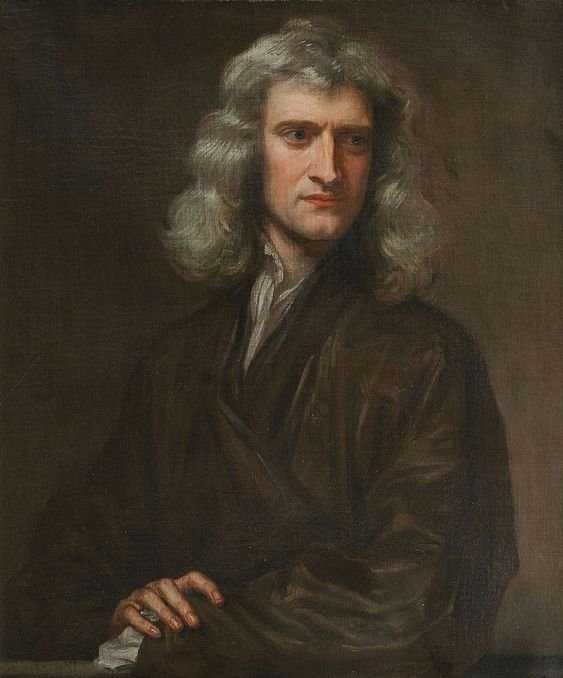
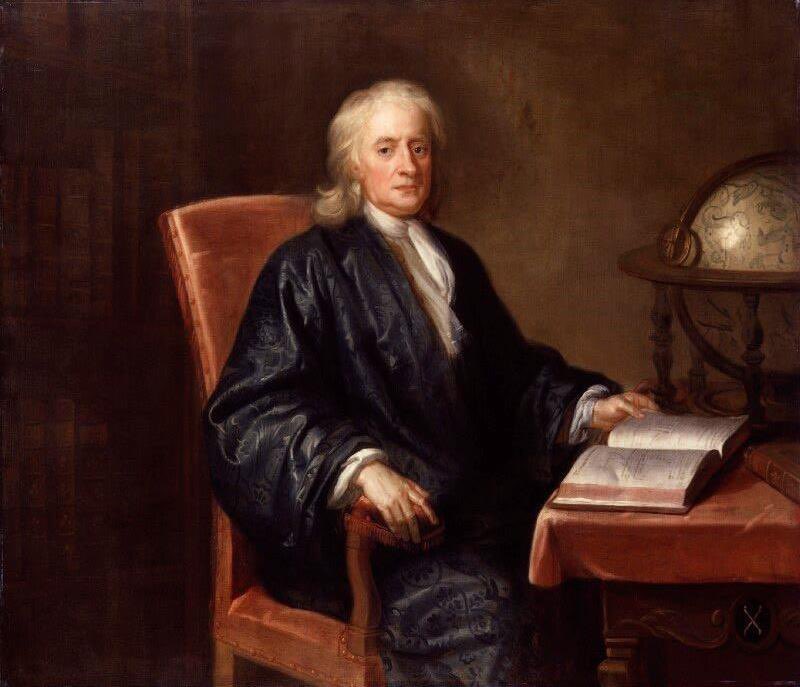
Sir Isaac Newton's insane study routine ✍️
“He worked seven days a week, 18 hours a day, and he pushed himself even further”
Newton got admitted to Trinity College, Cambridge in the year 1661. In the year 1664, he got a scholarship to study for four more years to finish his MA but in the same year, England was hit by Bubonic plague due to which the University was closed for two consecutive years. Due to this reason, Newton had to go back to his home in Woolsthorpe. These two years turned out to be the most productive and mind-wrenchingly stressful years for Newton. During these two years, he spent most of his days, most of his hours, studying in a room with nothing but lighting candles, loads of books, and notes around. It is reportedly said that he used to get so engrossed in his works that he would forget and skip his meals. During this period, Newton used to spend 16–18 hours a day working and studying in his room totally undistracted. He came up with the theory of gravitation, his significant works in optics, and he also invented calculus during these bubonic plague times at his home. According to biographer Gale Christianson, Newton’s working habits were pathologically addictive and for him, there was no end to the day. He would just keep going on and on and on until he felt exhausted to death.
In the 1680s, when Newton was rigorously working to publish his lifelong works in his book Principia Mathematica, as mentioned by one of Newton’s employees, he would often go to sleep at 2 or 3 in the morning. He barely attended any social events or participated in any recreational activities.