Compassionate revolution in crisis care. Has cats. Writes stuff informed by lived experience of mental illness, using services and working within them. she/her.
@Chescamarina When working from home for a mental health crisis line, this is my goto grounding exercise in between calls. Nothing helps you shake off all the pain and despair and get back to the present like dancing madly, wilder the better.
@adamfare1996 Because my behaviours were apparently about ‘managing emotion rather than concerned with weight and shape’. In other words, I was too complex.
@StMHNDanielle I’ve written about how actually to be independent, we first need to learn dependency. Its not a dirty word, although it is used like one in the current culture in MH services.
https://t.co/1FdrtYHlLX
@cb8_er I’m wary of reinforcing the message that someone deserves pain. I’d rather encourage kindness and safety (for me and others). But 5 years ago I might have found this helpful, a lesser evil, a method of harm reduction? But we should tell people they deserve kindness regardless.
@ClinpsychLucy So true. So often individuals are pathologised and their context is entirely ignored. Removed from their context (social, economic, cultural) most people appear mad.
@revgpp@Veedkerr I am personally very grateful for mental health chaplains. During hospital admissions, you were the ones who listened and sat with me and my confusion and pain. Thank you for what you do.
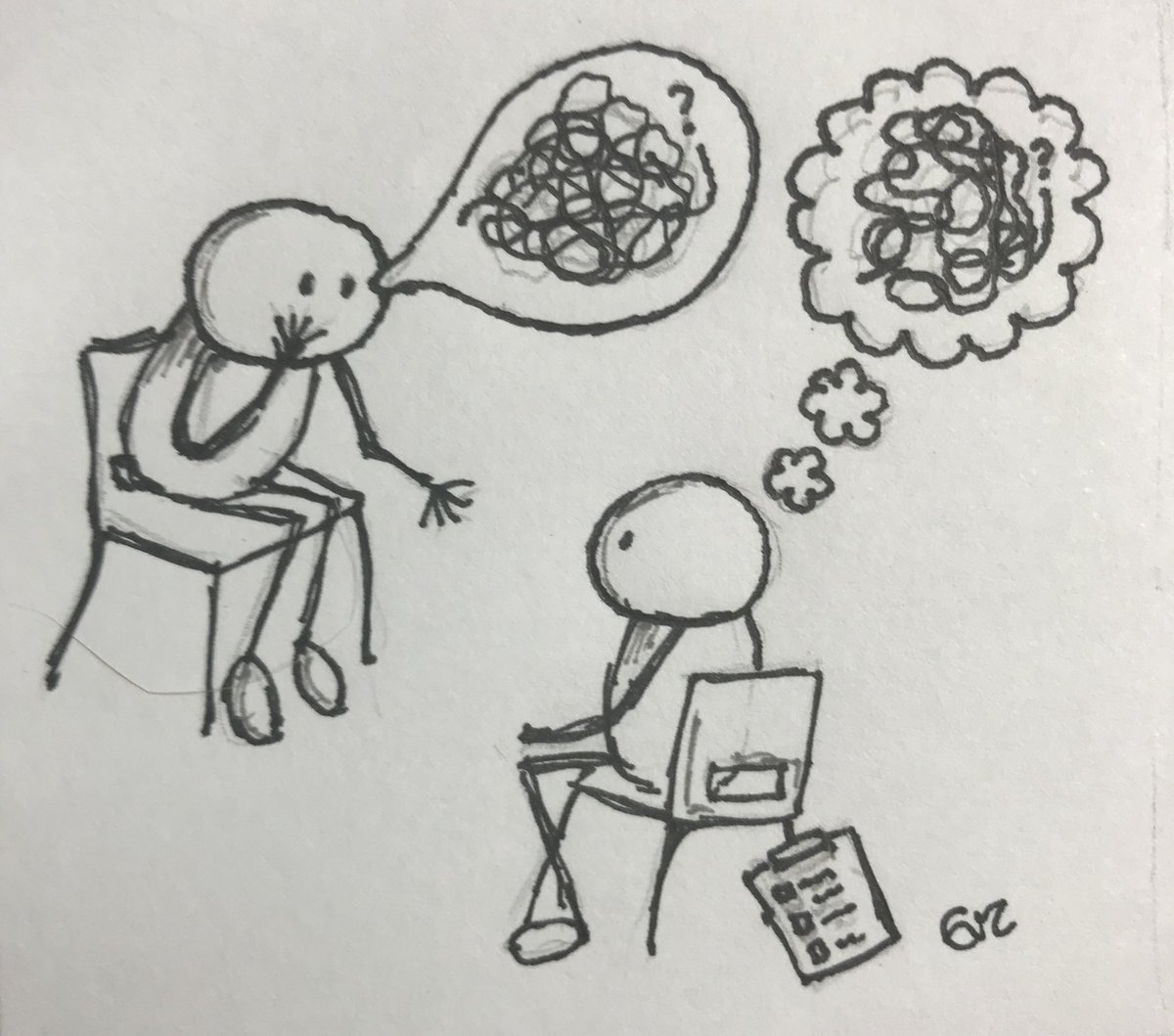
The overlooked intervention: Listening with empathy and compassion. In being heard and understood, we find our edges, our value, our agency and our self-solidity. This should be our primary expertise, before risk assessment, before skills coaching, before behaviour modification.
@toriotero I agree. To be working in the best ways you know of to help people, and then to be vilified for this hurts. Real change requires compassion for all involved. Attacked people understandably respond defensively, drowning out opportunities for listening and learning on both sides.
@toriotero Yup. Negating professional expertise helps no one. Can’t we work in partnership? Compassionate culture for all? I wonder if the weaponising of LX is an explosion of years of pain unheard. It’s hard not to shout when you’ve just found a voice, as counterproductive as this may be.
Trying to write about reducing re-traumatising dynamics in MH services, but rage keeps making a mess on the page, threatening to invalidate my argument, because to complain about pain is to risk being dismissed as non-compliant, avoiding responsibility, my speech just a symptom?
@MyNewMummyLife @SurvivorsNotPD @BPDTestimony @ShieldingG Ouch. ‘Ending their own misery’??Because using ‘skills’ and ‘taking responsibility’ makes the pain disappear? No - it makes people disappear from services because they’re betrayed and invalidated. The aim seems to be to get rid of people rather than hear their pain.
@shansMHjourney Ambivalence is so often part of feeling suicidal. I’m a collection of different parts, and having a part that desperately seeks help does not cancel out the intensity of the despair of the other parts. We need to listen to the whole person, without making ridiculous judgements.
@cmackenzies @LalocheziaG @suzypuss I’ve had similar experiences and the message I took away (whether intended or not) was that it didn’t matter whether I took my life or not. I felt they didn’t care. It does matter, and you matter, and I’m so sorry you had this experience.
@DrGipps@RRitunnano True. The context from which I write is one that emphasises outcomes and ‘doing to’ people, over and above connection and ‘being with’ people. I - somewhat thoughtlessly - have used the terminology of intervention because this is what appears to be valued by the system.
@cmackenzies @LalocheziaG @suzypuss Absolutely. Sometimes I wonder if this is services avoiding responsibility (avoiding really engaging with someone’s pain and distress) under the guise of positive risk taking, as a result of lacking the skill to have those collaborative conversations about risk.