Energy Matters is a team of energy industry veterans and technical experts. We help companies conserve energy, reduce costs, and convert to clean energy.
Billing for competitive supply products
Competitive suppliers can bill you for their supply product in one of two ways:
1. A consolidated-bill option, in which your competitive supplier uses your electric utility's company's monthly bill; and
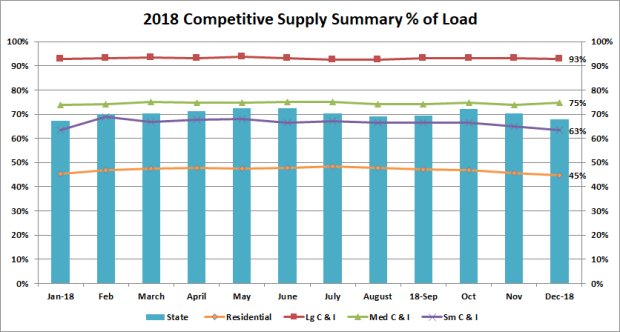
In 2018, less than half of Massachusetts homes get electricity generated under contract with a third party, while more than 90% of large energy-consuming businesses obtain their supply from DPU-licensed third parties.
Coal and oil each account for less than 1% of New England’s power generation fuel mix. Natural gas is at 41%. But when temperatures plummet and the use of natural gas for heating rises, coal and oil use soars. https://t.co/X5yt0Tb0TJ
Agrivoltaics are dual-use solar installations. They enable farmers to grow crops and pasture animals while generating clean energy. Massachusetts is leading the way.
https://t.co/CKlrHNgX5D
NH's Public Utilities Commission OK'd a plan for a network of small batteries in homes, owned by the utility or third parties, to lower peak hour system demand. It aims to lower costs for all ratepayers and save host customers with a time-of-use rate.
https://t.co/hdEU5EO7lw
The Community Solar Act was just introduced in New Mexico. It could make New Mexico the 20th state to allow community solar development.
https://t.co/2RcJPZQrQi
A November 2018 national survey of 1,202 adults' views on combatting climate change found 57 percent of Americans are willing to pay a $1 monthly fee; 23 percent are willing to pay a monthly fee of $40. https://t.co/dupW3RthfD
Texas may be the center of the U.S. oil and gas industry, but the latest data shows that the state's competitive energy market is increasingly favoring clean energy over fossil fuel alternatives. https://t.co/ygYrI64MzE
A bill filed at the Massachusetts Statehouse would update the state’s 2008 Global Warming Solutions Act by setting new emissions level requirements: 50 percent below 1990 emissions levels by 2030, 75 percent below by 2040, and net zero emissions by 2050.
https://t.co/I54DliKaxS
Adding 1,500 jobs, clean energy is a $13.2 billion dollar industry in Massachusetts, representing 3 percent of Mass GSP. The industry grew for the 8th straight year and has grown nearly 84 percent since 2010. The 2018 Clean Energy Industry Report https://t.co/dl06fKxwbB
Our 2018 Battery Price Survey has found that the volume-weighted average price of a lithium-ion battery pack is $176/kWh - the price has fallen 85% in real terms since 2010 due to tech improvements resulting in higher energy density at the cathode material, cell & pack level.