@BarbaraBleiman Such a good book - we did is as a tutor time read, and the boys couldn't get enough. A handful went and borrowed it from the library as they didn't want to wait!
🌟🧠Neurodiversity Celebration Week 🧠🌟
There are many strategies to support neurodiversity in the classroom. Have a look at the strategies below to support those with ASD, ADHD, Dyslexia, Dyspraxia, DLD and Tourette's.
#NeurodiversityCelebrationWeek#Neurodiversityweek#NCW
A similar resource to the one before, but this time for GCSE English Language Paper 2 https://t.co/4MJTBlM1rs A past paper with guidance for students in Year 11 to follow 📝
READING FOR PLEASURE has such a powerful impact on kids, it should be at the heart of everything you do with them every day. Show how them how much YOU love books. Read books to them, talk about books with them, help them find books to love. It will change their lives! #literacy
We need to be prepared to be surprised!
‘Simply reading challenging novels aloud, and at a fast pace in each lesson, repositioned ‘poorer’ readers as ‘good’ readers, giving them a more engaged, uninterrupted reading experience over a sustained period.’
Who, in education, wouldn’t love to have results like these?
This is what happened with the ‘Just read’ research project from the University of Sussex.
The cohort as a whole made 8 months progress in their reading comprehension and the ‘poorer’ readers made an impressive 16 months progress by the end of the trial.
When teachers were asked what they thought was the reason for the improved outcomes, for the most part, they were surprised.
They hadn’t thought the lower prior attainers could cope.
Too often there’s a tendency to think that pupils with low starting points can’t access demanding work.
We need to be prepared to be surprised, because they can!
I’ll be discussing the findings from ‘Just reading’: the impact of a faster pace of reading narratives on the comprehension of poorer adolescent readers from the Univesity of Sussex, in a webinar on Tues 18 March 4-5pm, also recorded
Access with a group or annual subscription. https://t.co/KeWAgNo8Cl
Reading this by Louise Rosenblatt, I was reminded of @AndrewEMC's blog on why it's important to include YA and children's fiction in KS3 curriculum. https://t.co/UaKqUFTVZR
@goodreads Young adult fiction. Fantasy (Impossible Creatures); Mystery (Inheritance Games, A Good Girl's Guide to Murder); Coming of Age stories (When Our Worlds Collided, Crossing The Line, or anything by Kwame Alexander!) ... I love a good verse novel, too! Recommendations??
40% of people in the UK haven’t read a book the past year, according to a YouGov poll. Pretty grim. At a time when it feels like reading and literacy has never been more important in my adult life.
https://t.co/lQI95uR3y0
***CATCH UP PROCESS***
Thread 🧵
A few people have asked me about our catch up process to support students when they return from a period of absence. This is how we approach it…
The first step is through our morning routine supported by tutors who are provided with attendance data from the previous week.
This happens on a Thursday for years 7-8 and a Friday for years 9-10.
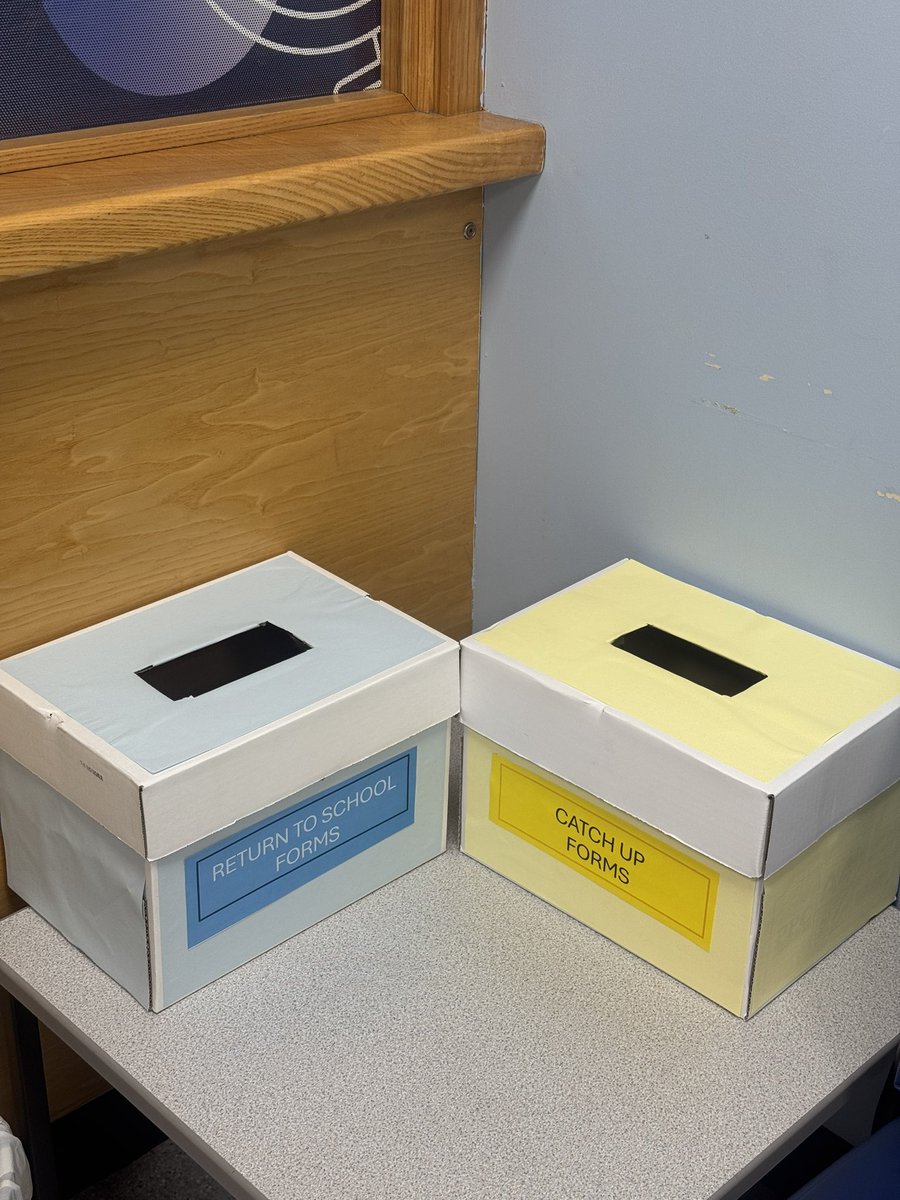
If a student has been absent during that week the tutor will issue a return to school form and a catch up form.
The return to school form is completed by the student and they return it to a box in reception.
1/2
Every time you encourage a child to read a book, you will change their lives - sometimes a little, sometimes a lot. But child by child, book by book, we can change the world. Children who read become adults who think - and will build a world that’s better for EVERYONE. #literacy
The truth behind the myths of exclusion
Saw a great session from Andrew Smith today on one of his hobby-horses: the accurate and truthful reporting of exclusions in England. There were so many gems in it I think it’s useful to summarise it here as a reference thread. I’ll refer back to this the next time anyone needs to see them. 🧵
@Mr_AlmondED@BarbaraBleiman I'd agree with that, but supporting student understanding doesn't invalidate their 'reading' any more than listening to someone else reading does (to my mind, at least). I completely understand where you're coming from, though!