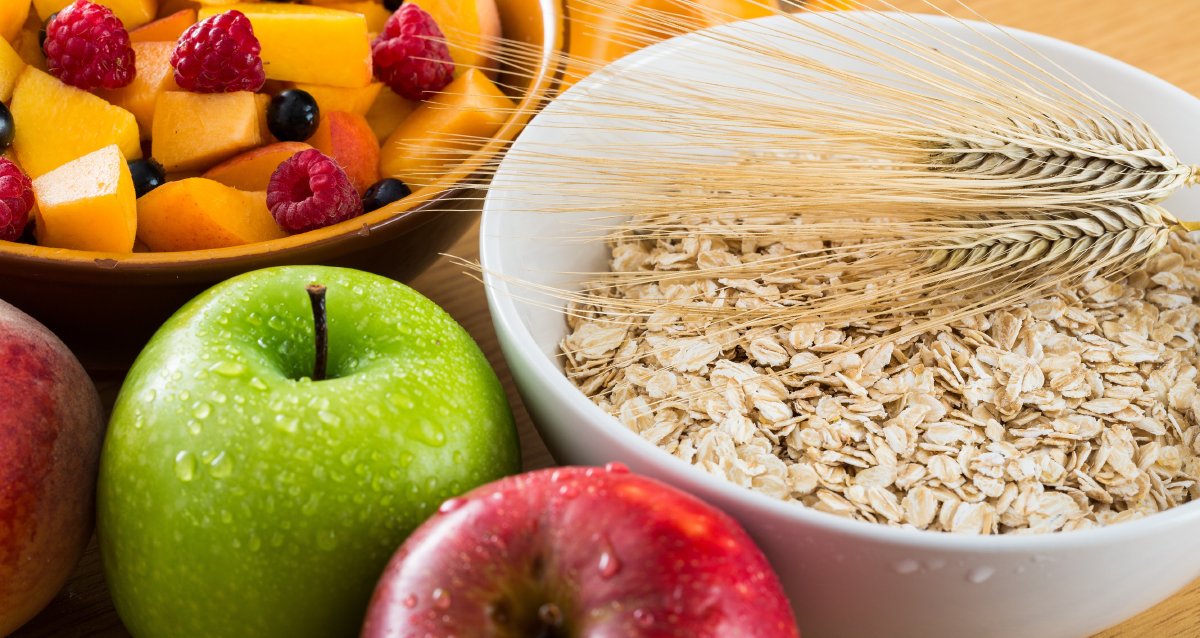
Foods like oatmeal, apples, prunes, and beans are high in soluble fiber, which keeps your body from absorbing cholesterol. More tips to lower cholesterol: https://t.co/P9iDm7f8VO
If you have extremely low levels of B12, you could develop mental problems, including confused thinking, memory loss, and dementia. https://t.co/EWTuzQJIJA
Research suggests that just a few minutes of walking outside may enhance mood, memory, and the ability to absorb new information. https://t.co/DNbyDAYdCJ
One large banana has about 490 milligrams of potassium. This nutrient can remove sodium from your body and relax blood vessel walls, which helps manage blood pressure. https://t.co/a2CzSbyWLP
People who lived alone with pets had slower rates of cognitive decline based on those test results when compared to people who lived entirely alone. https://t.co/WQsNUl3rBm
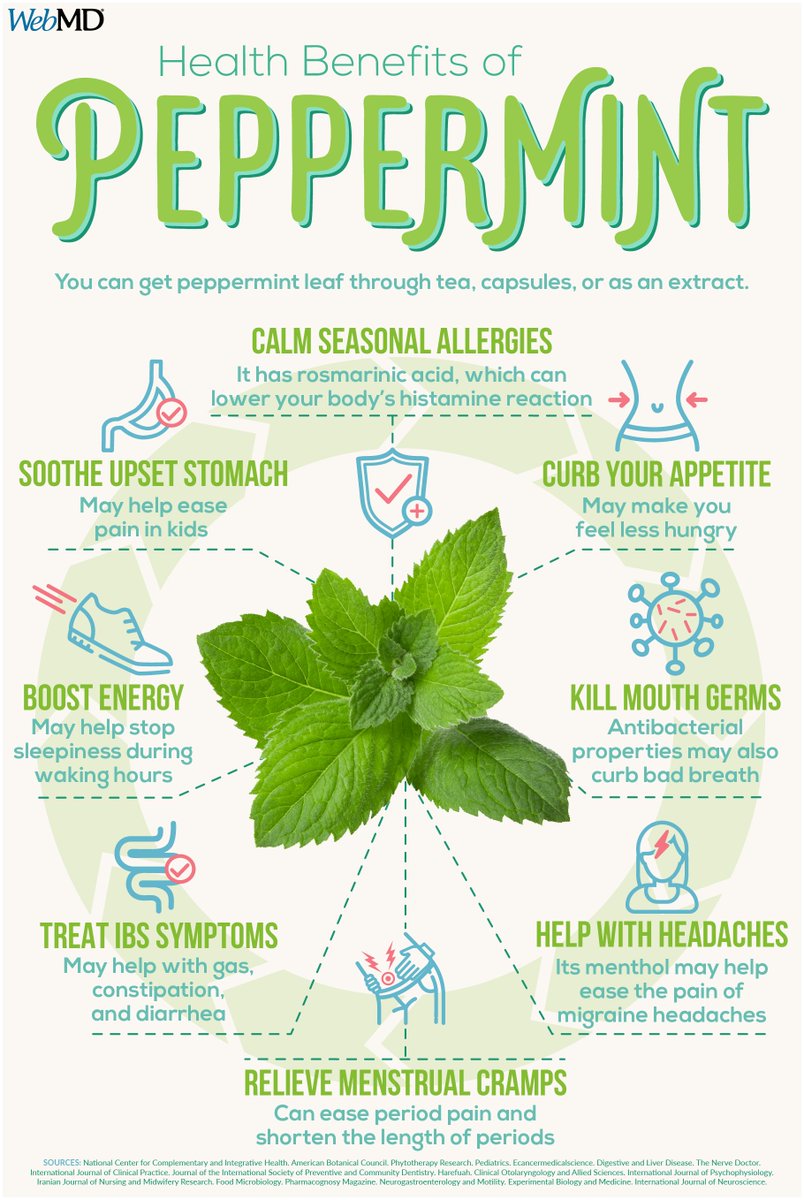
Did you know ancient Greeks, Romans, and Egyptians used mints, including peppermint, as medicine thousands of years ago? Peppermint wasn’t recognized as a distinct subspecies until the late 17th century. https://t.co/rKyoRiiGe6
Eggs aren't just protein-packed -- they're nutrient-dense! One egg has selenium, phosphorus, choline, vitamin B12, AND multiple antioxidants! 🥚 https://t.co/cNcYfC6b3K
One study found that meditating for 2 months increased gray matter in parts of the brain that control emotions and learning. It may also ease inflammation in the brain and protect against Alzheimer’s disease. https://t.co/6sxF8l20Z3
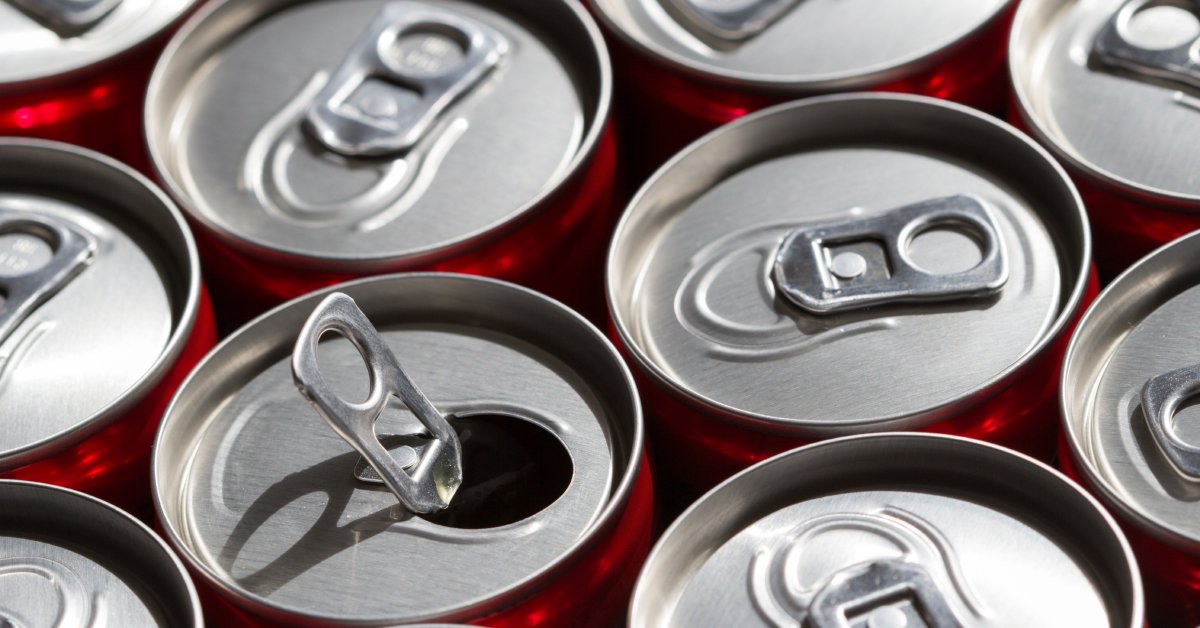
Did you know the more sodas and energy drinks you consume, the quicker the cells in your tissues age? Learn 11 other foods that can age you. https://t.co/cKVpr22ouj
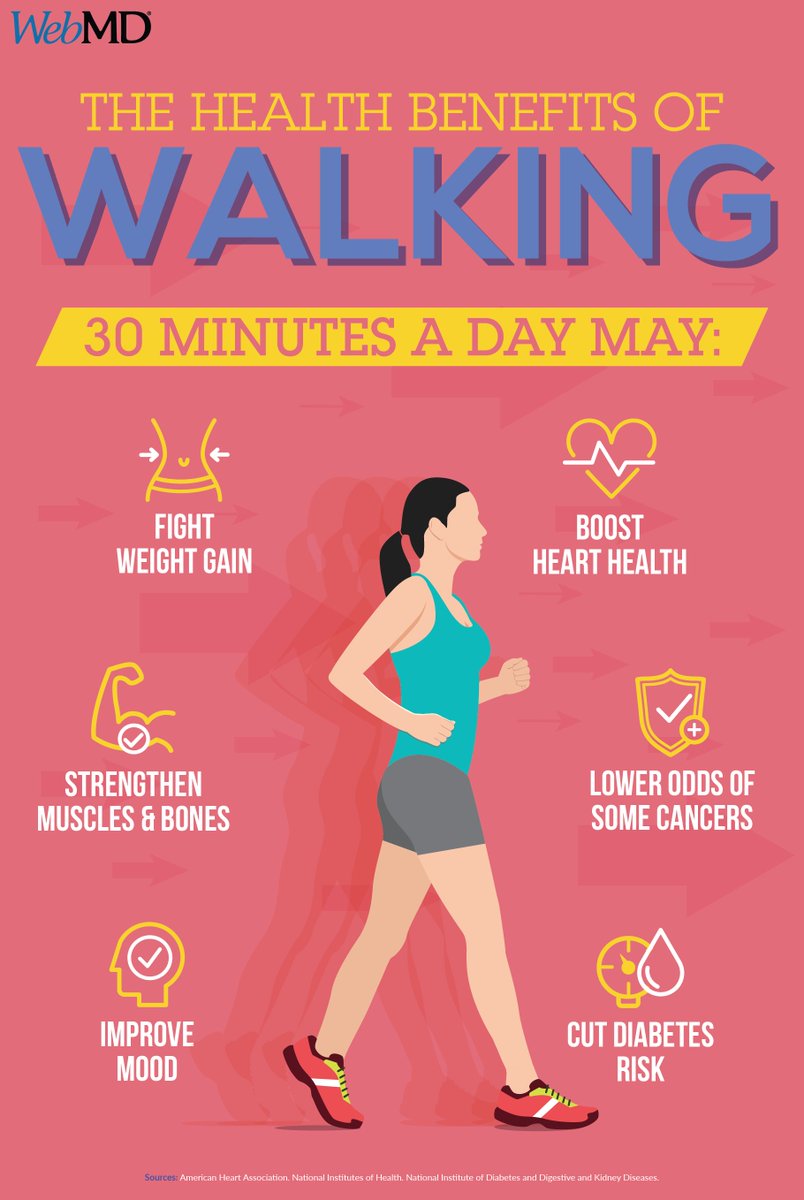
According to at least one study, walking just 5.5 miles per week is enough to lower your risk for heart attacks, strokes, and heart failure by as much as 31%! https://t.co/83F1UV7sBb
The #hypothalamus plays a large role in coordinating the array of neuronal signals that are responsible for keeping the body in a stable state.
A recent issue of Science unpacks this key brain region’s impact on physiological and behavioral homeostasis. https://t.co/mzFnXQ49IN
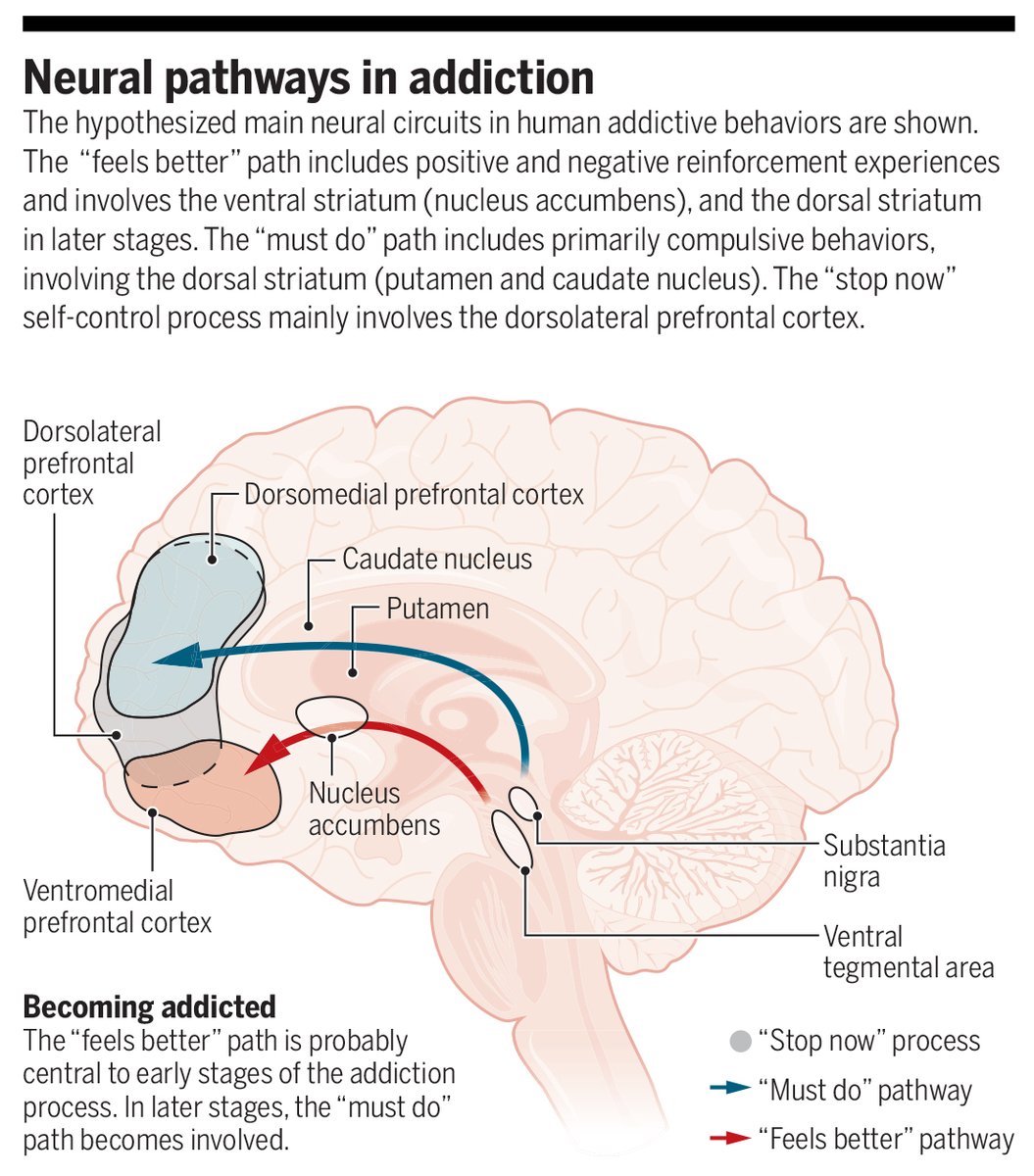
Can internet use become addictive?
A #SciencePerspective discusses the addictive potential of the #Internet and how it can be best conceptualized and evaluated. https://t.co/LdupznhfiD #ScienceMagArchives
The #hypothalamus plays a large role in coordinating the array of neuronal signals that are responsible for keeping the body in a stable state.
A recent issue of Science unpacks this key brain region’s impact on physiological and behavioral homeostasis. https://t.co/i7yhL0iESH
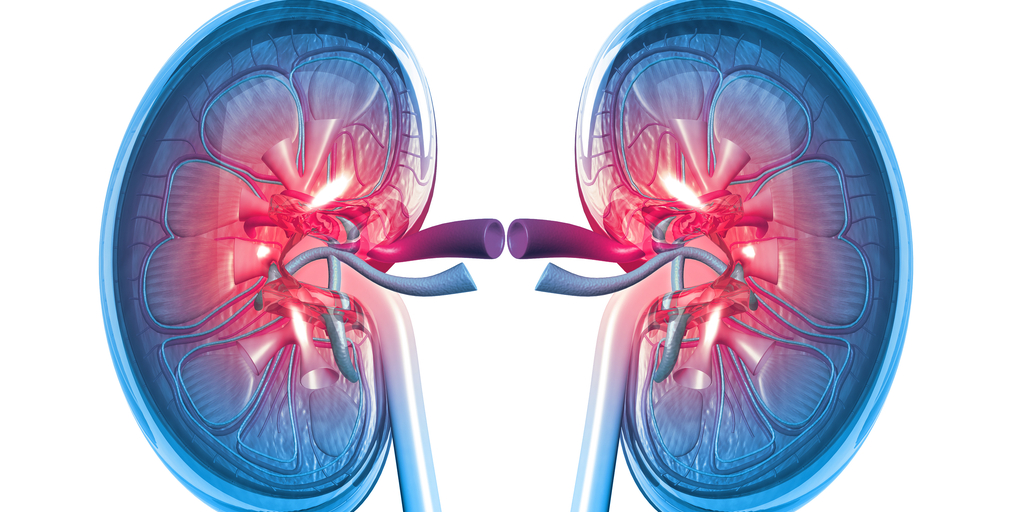
Your kidneys process everything you eat or drink, including anything that’s bad for you, like lots of fat, salt, and sugar. Find out how to keep these important organs in tip-top shape. https://t.co/ZX3perHzNr
Innate and adaptive immune cells in the central and peripheral nervous systems could offer scientists a treasure trove of clues about the origins of #ParkinsonsDisease and future treatment strategies, argues a new @ScienceTM Viewpoint. https://t.co/4gDQTDlZft
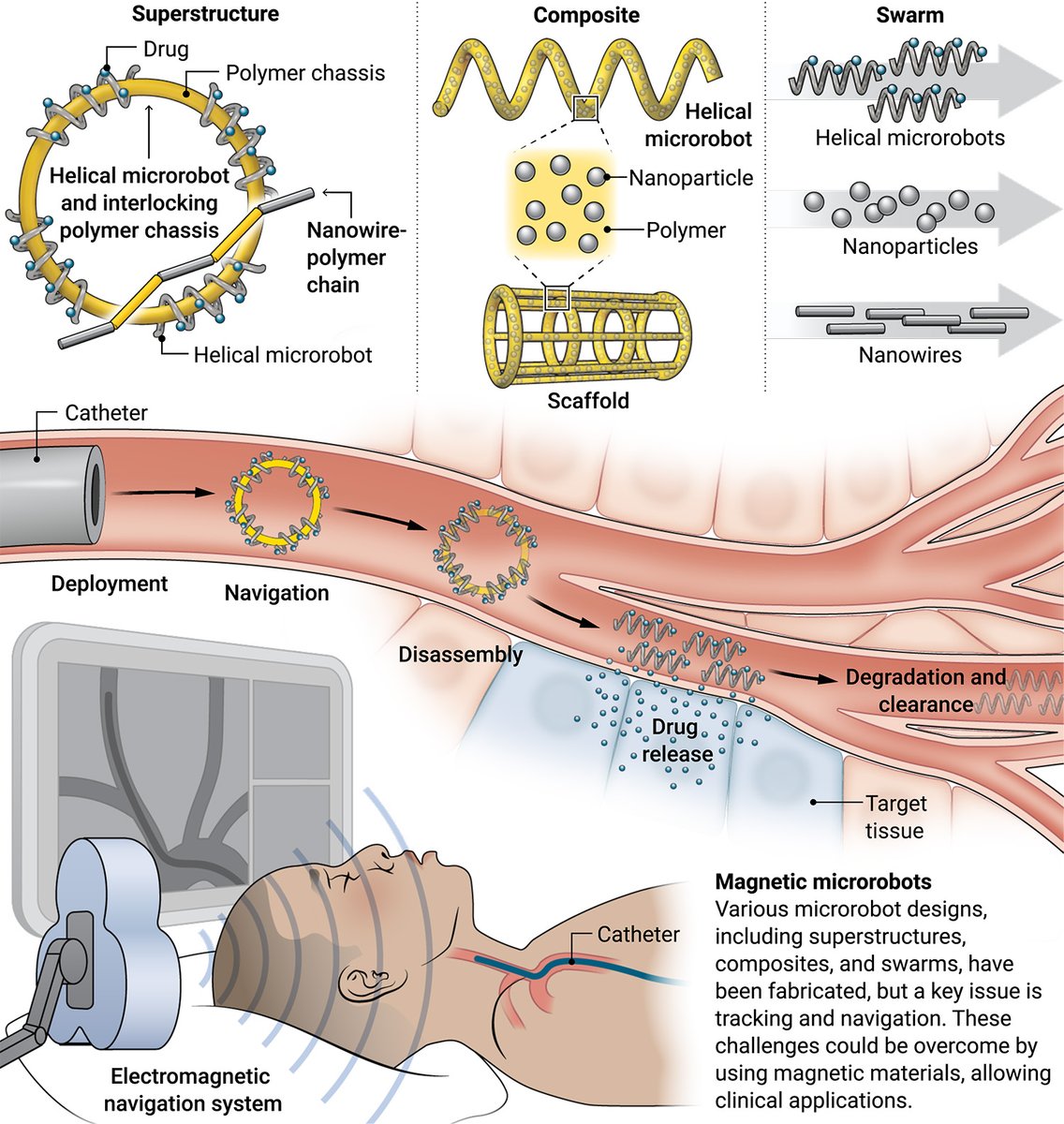
A new #SciencePerspective takes a look at the use of biomedical microbots to deliver drugs rapidly and precisely to where they are needed instead of throughout the entire body.
Learn more: https://t.co/vV0uX7DsmF