Julia Titi (64-91 AD), daughter of Emperor Titus. Augusta at 15, her face on Rome's gold coins. Ancient writers claimed she lived as her uncle Domitian's mistress - and died by a forced abortion he ordered. He declared her a goddess. His ashes were secretly mixed with hers.
Charles II of Spain (1661–1700), the last Habsburg king — "The Bewitched." Generations of inbreeding left him sick, weak, and childless. His reign saw Spain's decline; his death ended the dynasty and sparked the War of Spanish Succession, reshaping Europe. #CharlesII#Habsburg
Louis XVI (1754–1793) — a king overtaken by his time.
Well-intentioned but indecisive, he ruled during the collapse of the French monarchy and became the Revolution’s most famous victim.
A crown lost to history, not ambition.
#LouisXVI#FrenchRevolution#EuropeanHistory
Dante Alighieri (1265–1321) — the mind that shaped medieval Europe.
Author of The Divine Comedy, he turned exile into immortality and laid the foundations of modern Italian literature.
A poet who mapped Hell, Purgatory, and Heaven — and human conscience itself.
#Dante#Poetry
Elizabeth I (1533–1603) — the Virgin Queen who defined an era.
She stabilized England, defeated the Spanish Armada, and led the Elizabethan Golden Age.
Power built on intellect, restraint, and political brilliance.
#ElizabethI#VirginQueen#TudorEngland#ElizabethanAge#AI
Stagecoach Mary: The Legend of the Wild West 🤠
She delivered mail faster than any man, shot straighter than most, and feared no outlaw.
Stagecoach Mary Fields — the first Black woman mail carrier in U.S. history.
#StagecoachMary#WildWest#History#WomenInHistory#BlackHistory
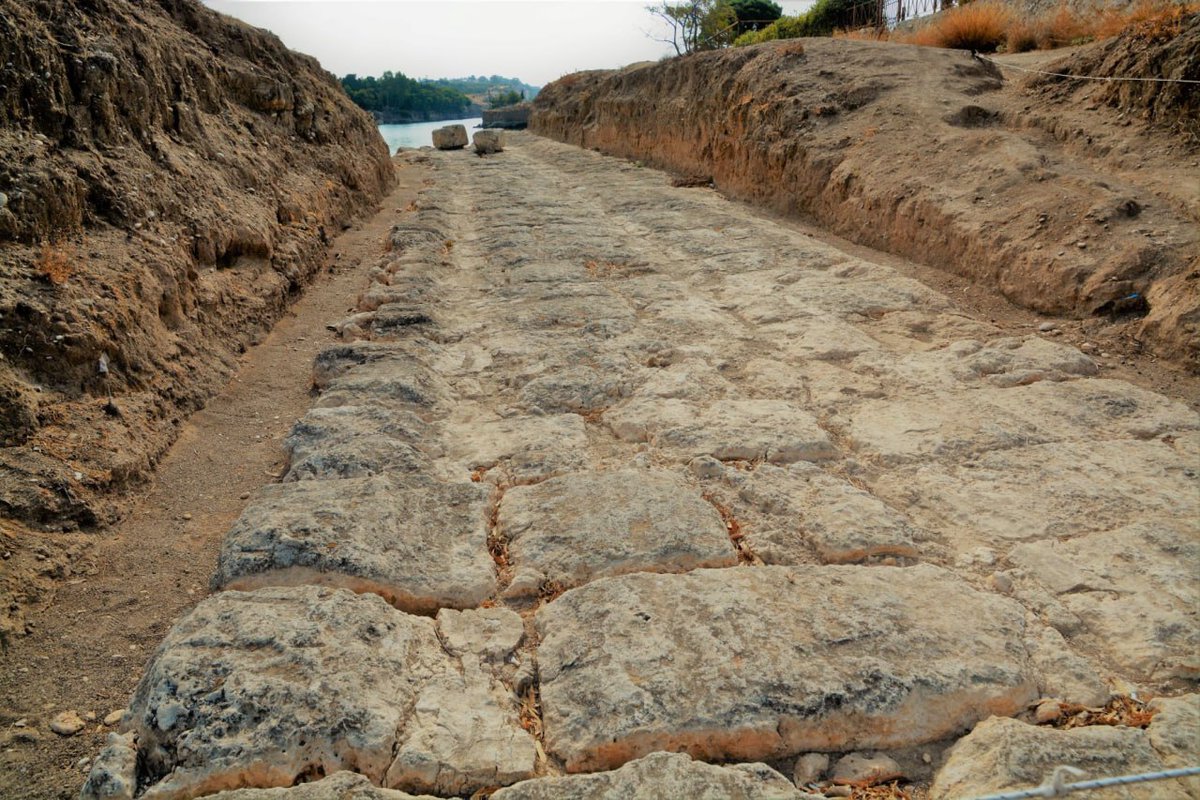
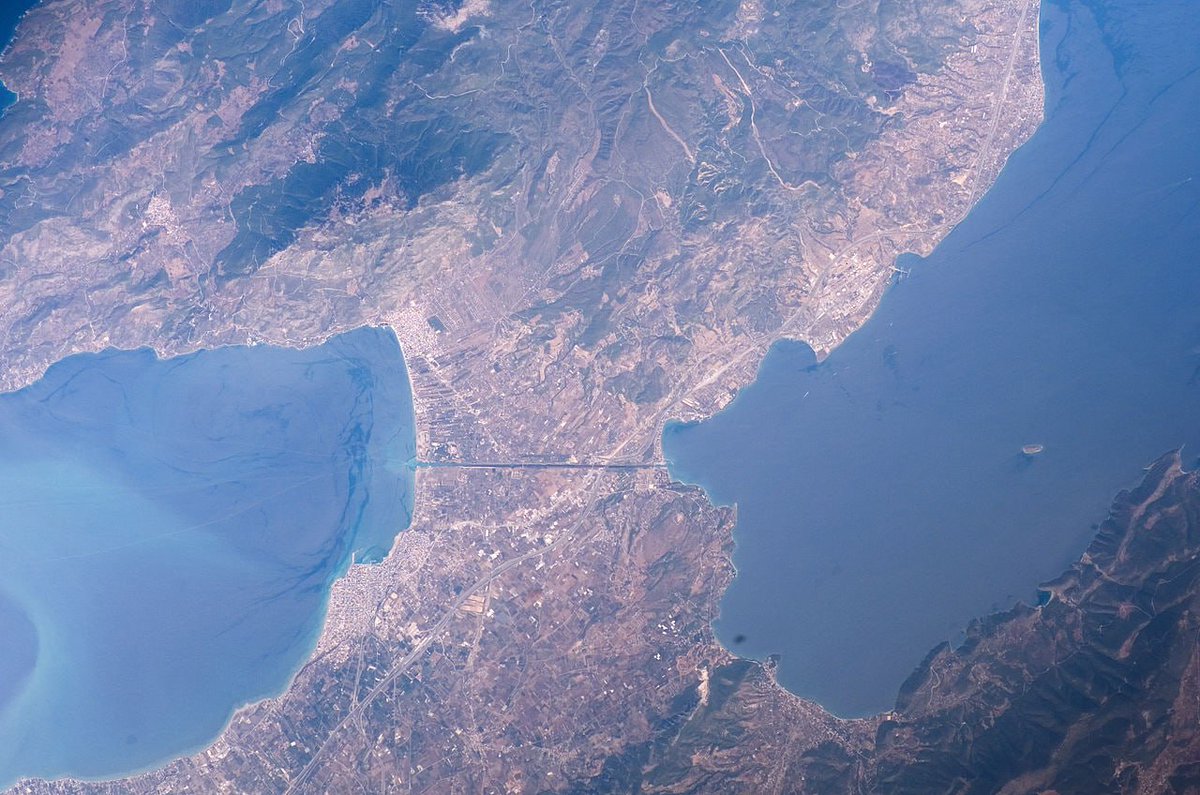
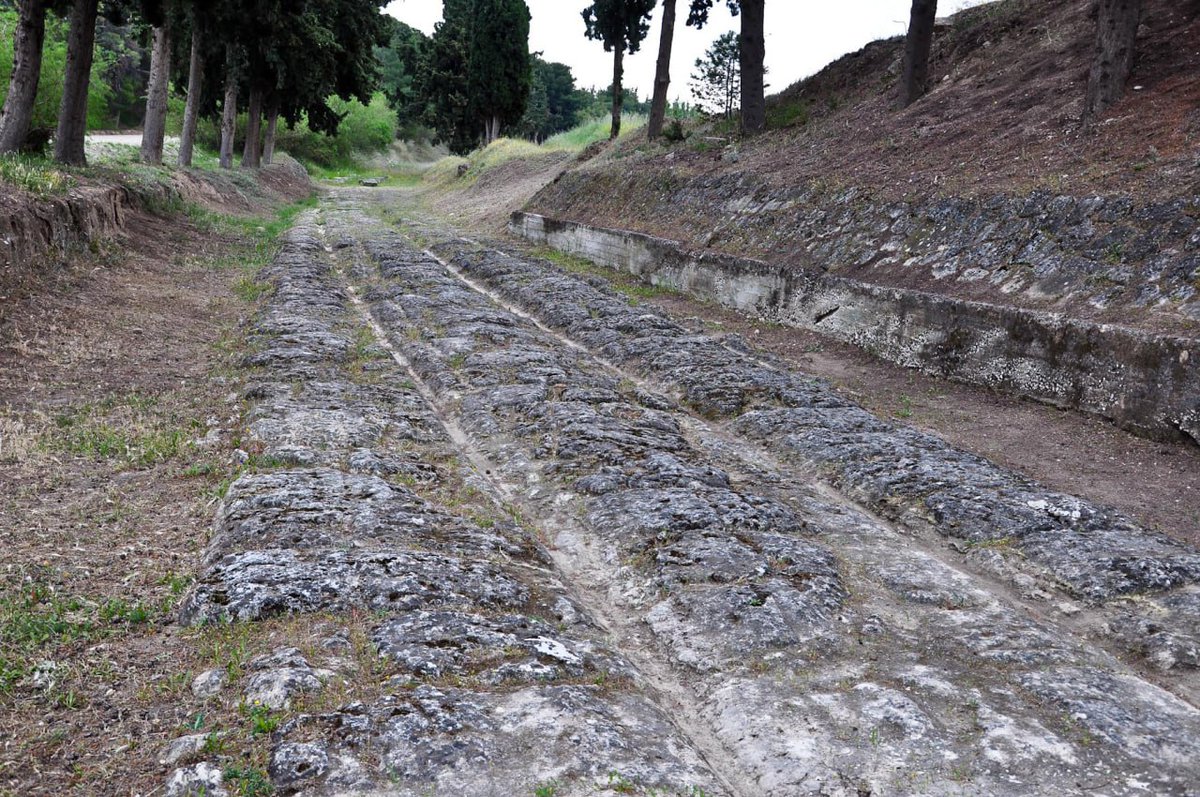
The Incredible "Iron" Road of Antiquity – The Diolkos
In the 6th century BC, the Greeks shortened the route between the Ionian and Aegean Seas from 400 km to just 6–8.5 km by constructing a stone-paved road across the Corinth Isthmus, used to transport goods and entire ships.
The crossing took only 3–4 hours! This inspired the ancient Greek saying "as fast as a Corinthian" (Aristophanes). Not only merchant ships but also entire naval fleets used the Diolkos. After his victory at Actium, Octavian Augustus ordered 260 warships to be hauled across.
Today, 1,100 meters of the road have been excavated. It was stone-paved with carved tracks, preventing heavy ships from slipping on inclines or curves. Interestingly, its track width—160 cm—is nearly identical to modern railway gauges!
Who pulled the ships? Teams of up to 200 men and oxen—ancient Greek "boat haulers."
Surprisingly, the history of railway transport began here—on the Diolkos, 2,500 years ago!
#Archaeology #History #AncientGreece
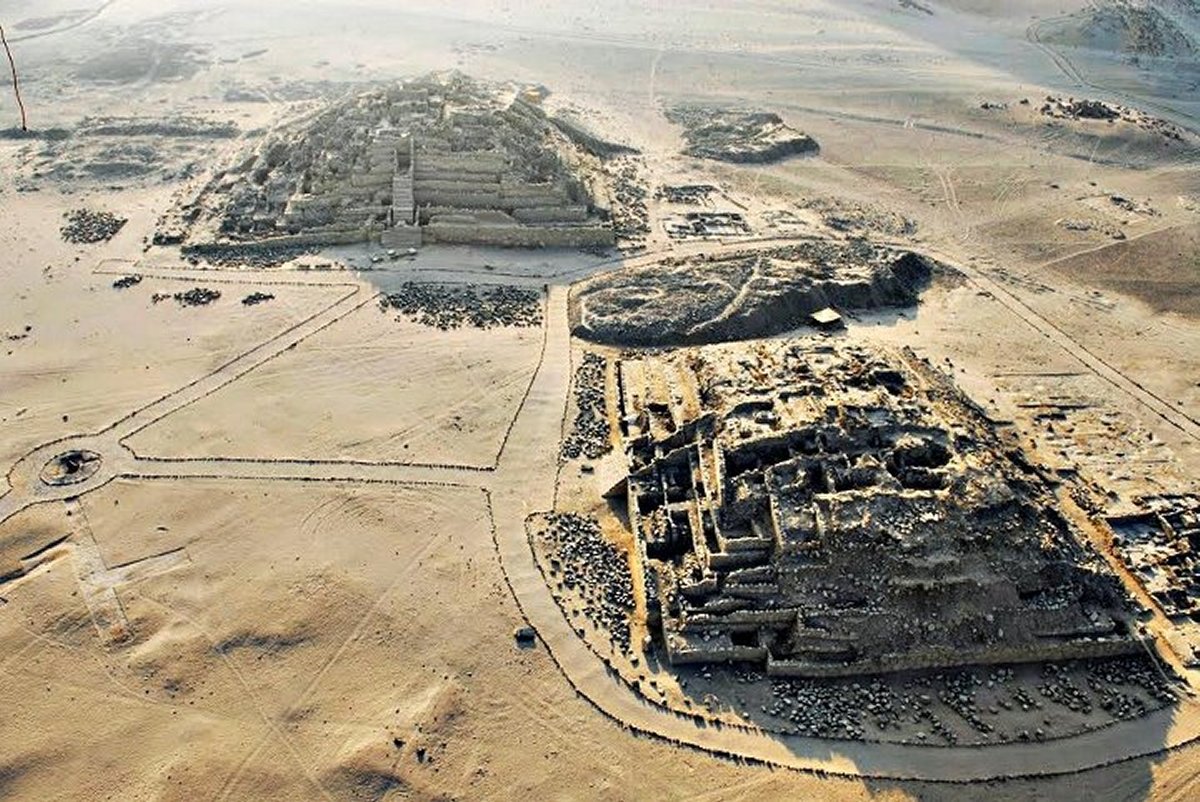
The Sacred City of Caral – The Oldest City in the Americas
Caral was the main city of the earliest civilization in the New World. It is located in Peru, in the Supe Valley, 182 km from Lima, 23 km from the coast, and at an altitude of 350 meters above sea level. At 5,000 years old, it is considered the oldest city in the Americas and one of the oldest in the world.
The city thrived from 3000 to 1800 BC before it was eventually abandoned. The reason remains unknown, but war is ruled out – a possible explanation is soil depletion and water scarcity due to river course changes.
🔹 No cemetery has been found, leaving the burial practices a mystery.
🔹 No fortifications, no warrior cult, and no signs of human sacrifices, unlike Mesoamerican civilizations.
📍 Archaeological site, Peru
#History #Archaeology #AncientCivilizations
The Most Expensive Shield in History
This ceremonial shield of Nader Shah (Shah of Persia, 1736–1747) is made from rhinoceros hide and encrusted with spinel, emeralds, diamonds, and rubies.
🔹 Diameter – 46 cm
🔹 Central spinel – one of the largest in the world, 225 carats
🔹 Largest emerald – 140 carats
🔹 Diamonds – ranging from 6 to 8 carats
The four emeralds surrounding the central stone cover the screw holes that secure the shield’s straps.
📍 Exhibit at the National Jewelry Museum of Iran, Tehran
#History #Archaeology #Treasures
Achaemenid Persian Fully Golden Ceremonial Sword (4th–5th Century BC)
This luxurious solid gold sword dates back to the Achaemenid Persian Empire and was likely used for ceremonial or ritual purposes.
📍 Exhibit at the National Museum of Iran, Tehran
#History#Archaeology #AncientPersia
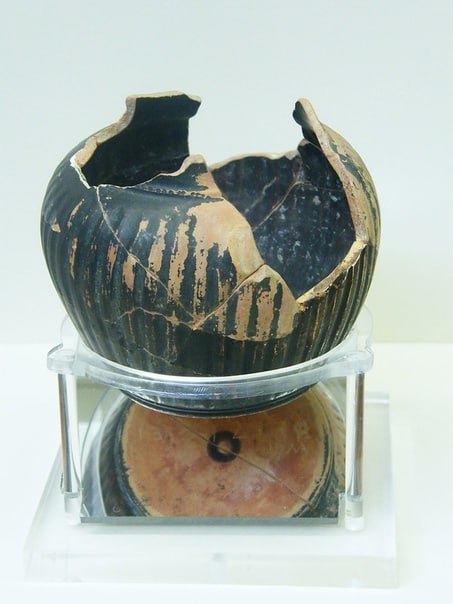
The Cup of the Great Phidias
In the museum of Olympia (Greece), this broken, humble vessel holds a place of honor.
Why? The inscription on its bottom reads: ΦΕΙΔΙΟΥ ΕΙΜΙ – “I belong to Phidias”. This cup was found in Phidias’ workshop, meaning it is very likely the personal cup of one of the greatest sculptors of Ancient Greece—the creator of the Wonder of the World, the Statue of Zeus at Olympia, as well as Athena Promachos, Athena Parthenos on the Acropolis, and the sculptural decoration of the Parthenon.
📍 Exhibit at the Archaeological Museum of Olympia, Greece
#History #Archaeology #AncientGreece
The claim that the Ottoman slave trade was larger than the Atlantic slave trade is not supported by historical facts. The Atlantic slave trade involved at least 25 million people transported to the Americas, whereas the Ottoman Empire enslaved around 2.5 million people over three centuries. Additionally, the nature of slavery in the Ottoman Empire was different: there were no large-scale plantation systems like in the Americas. Slavery primarily involved servants, eunuchs, guards, and educated individuals such as accountants, scholars, and merchants. The Ottomans mainly traded Slavic people rather than Africans, and their legal status was different. By the 19th century, the Ottoman Empire faced a crisis when it realized that its merchant fleet was controlled by Greeks and crewed by Slavs, contributing to the empire’s decline.
Harriet Tubman (c. 1822–1913) was an escaped slave, abolitionist, and Underground Railroad conductor. She led over 70 enslaved people to freedom and later helped free 700 more during the Civil War. A fearless activist, she fought for equality until her death.
🔥 #HarrietTubman #Freedom #History