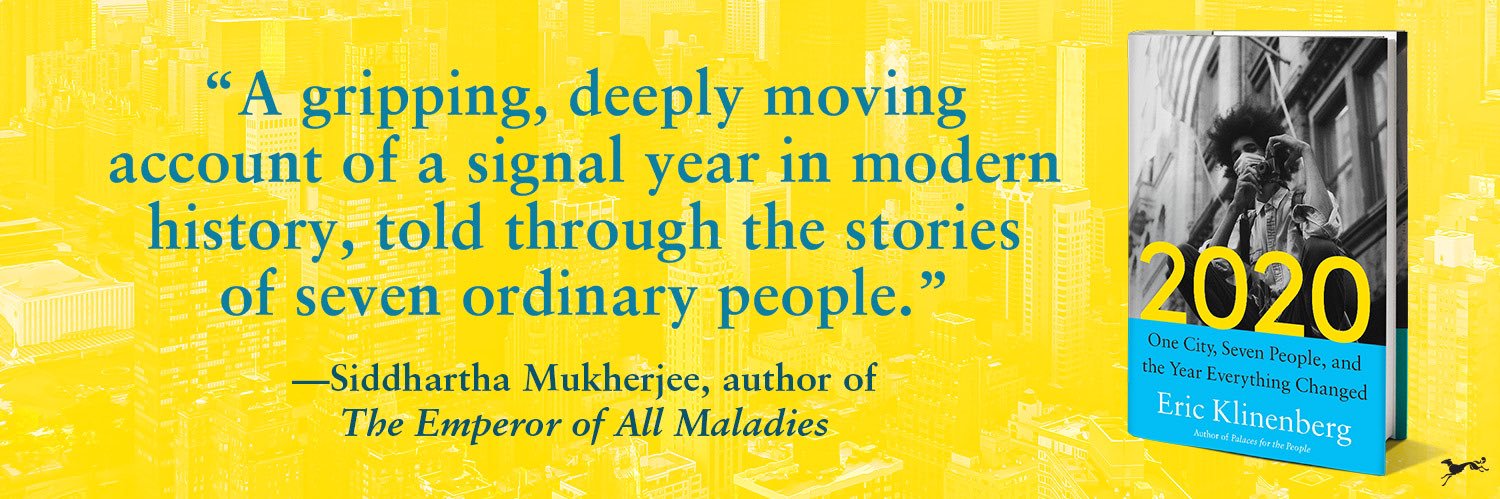
Four years ago today, the @WHO declared COVID a global pandemic. We were wrong about what happened to America in 2020, and we've yet to register how much it has changed us, as individuals and as a society. 🧵
https://t.co/ZwEJQLTIOL
I don’t think anyone has ever loved sociology more than Michael Burawoy. I know that no one has ever loved their students more, or done so much to bring them together into the kind of community every scholar wants.
What a beautiful life. What a devastating loss.
Why are economists in the US today uniquely able to exercise such sway over the state? What kind of policies would we get if legislators paid attention to the other social sciences, too?
Brilliant essay from @caitlinzaloom in @nybooks https://t.co/luPQJtP7Fn
@row_ie_argument Yes, with the caveat that excess deaths is probably a better measure of heat fatalities, and heat-related death data surely understate the impact. There's a long discussion on the science of counting heat deaths in Heat Wave if you want to go deep. https://t.co/pD0TijRAtm
1995: Chicago Heat Wave. 739 dead.
2005: Katrina. 1392 dead. $125b in damages.
2012: Sandy. 254 dead. $70b in damages.
2025: Los Angeles Wildfires. Deaths & damages TBD.
Disasters don't change climate policies.
People, politics, and movements do.
What do we do now?
We’re going to hear lots of stories about which people, policies and rhetoric are to blame for the Democrats’ defeat.
Some of those stories may even be true!
But an underrated factor is that 2024 was an absolutely horrendous year for incumbents around the world 👇
Americans have a will not to know what happened here during 2020, and our collective denial of the nation’s bungled response to that year’s cascading crises is a massive political gift to Donald Trump.
It’s time for a reckoning. Four years ago the US was in a lethal free fall.
TRUMP: I'd like to begin by asking a very simple question. Are you better off now than you were four years ago?
CROWD: *Noooooooooo!*
TRUMP: The answer is no
(They must really like out of control pandemics)
Mexico City is building out a new form of social infrastructure: Little Utopias, each one a gathering place, a playroom, a gym, a senior center, a service hub, a restaurant, a cultural haven, and a recovery space. What a brilliant idea. https://t.co/YWMF7GWtTu via @citylab
I wrote about the power of climate feedbacks for @NewYorker. The piece came out today, just as #Hurricane Milton became a Category 5 storm. https://t.co/lrgyqy9eqc
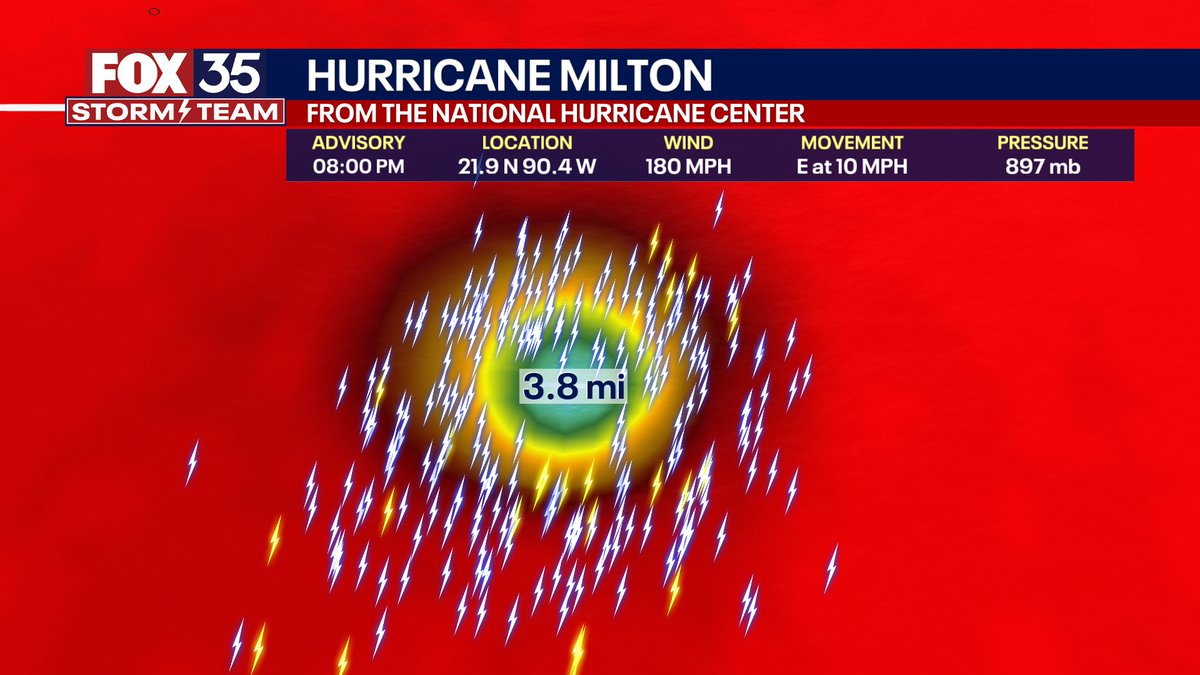
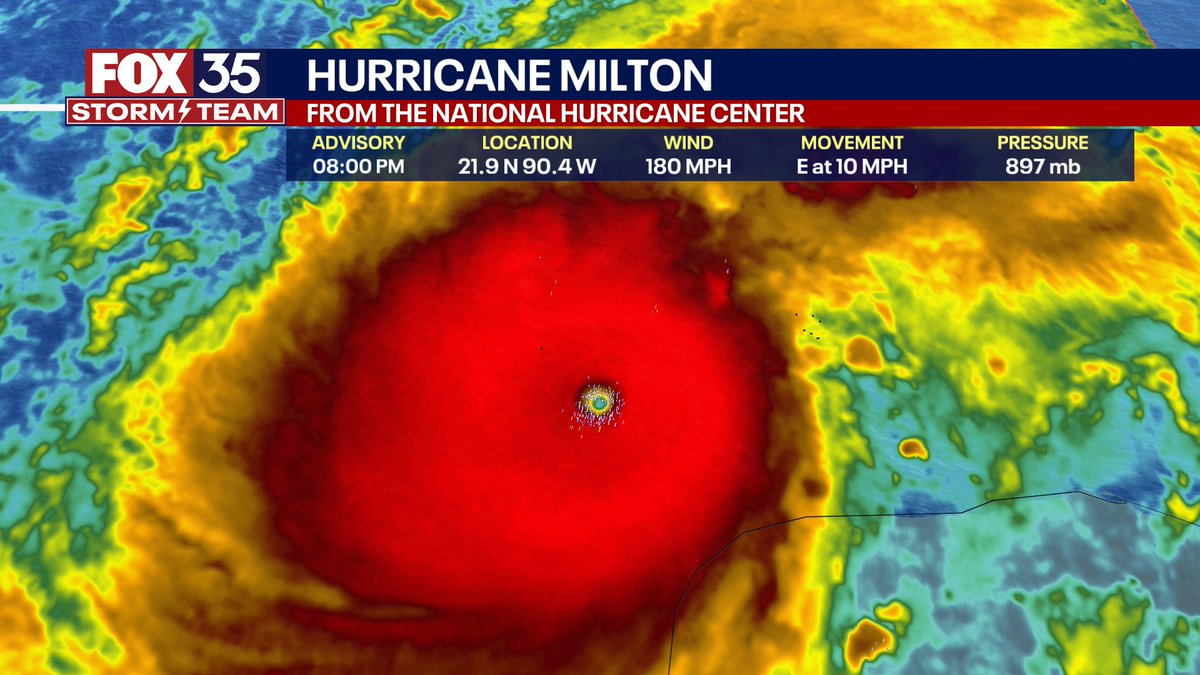
8PM EDT: This is nothing short of astronomical. I am at a loss for words to meteorologically describe you the storms small eye and intensity. 897mb pressure with 180 MPH max sustained winds and gusts 200+ MPH. This is now the 4th strongest hurricane ever recorded by pressure on this side of the world. The eye is TINY at nearly 3.8 miles wide. This hurricane is nearing the mathematical limit of what Earth's atmosphere over this ocean water can produce.
As the planet warms, storms like Helene will only become stronger and more frequent. They will hit places, like the mountains of North Carolina, that were never exposed to such extreme weather.
We can't afford to elect more climate change deniers.
https://t.co/kSrfk957Q4
My friend went to Chimney Rock to help with the ground effort recovery. He just sent me videos. The town is gone. And this is what it looks like across dozens of mountain communities.
Helene is officially the 2nd deadliest hurricane in the last 50 years.
A short and simple proposal for saving lives as the planet warms: We need to name heat waves. It won’t even cost a dollar. @nytopinion podcast https://t.co/EOO3p2dRzu
@Ethnography911 @espn The thing is, like you, I’ve watched more 🎾 on TV than is healthy or sane, and I can’t recall ever hearing that before, even when the roof is closed at Ashe.