For any of my scientists out there seeking a scheduled time to exercise and needing mental balance. I know what it's like to feel overwhelmed with responsibilities and having time for fitness and quiet time, buy the Scientist Life Toolkit on https://t.co/jcZBlVUQC2
For any of my scientists out there seeking a scheduled time to exercise and needing mental balance. I know what it's like to feel overwhelmed with responsibilities and having time for fitness and quiet time, buy the Scientist Life Toolkit on https://t.co/jcZBlVUQC2
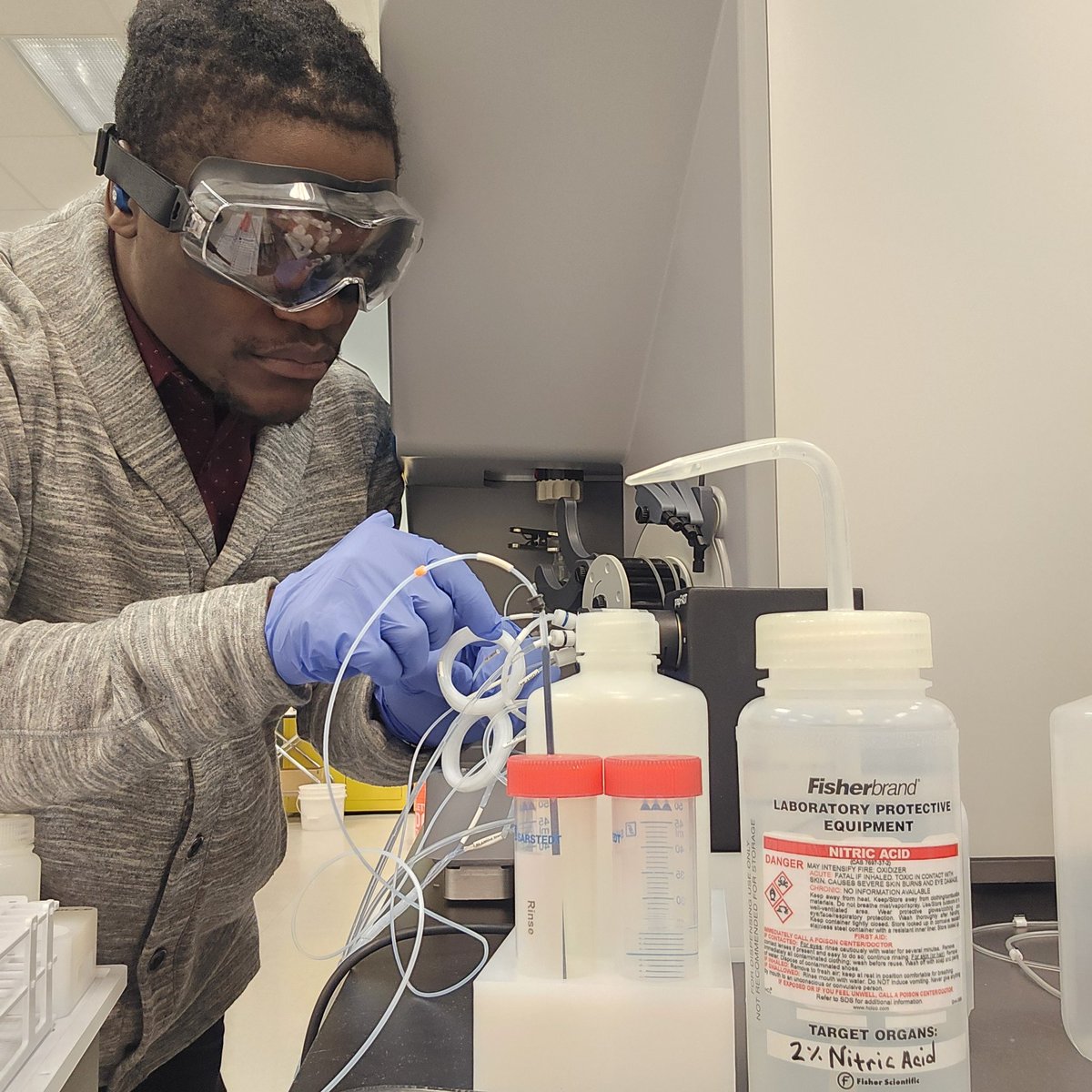
Hey #BlackinChem my name is Earl White. I'm a Geochemist who studies isotopes of carbon, hydrogen, and sulfur to determine gas genesis from the subsurface and near-surface. I also study the chemistry of production waters co-produced with oil & gas. #BlackInChemRollCall
Learning to map in ArcPro as a chemist is exciting! I had a little experience in school, but learning how to explain isotopic changes in my industry using maps still requires a lot of resources for me to understand.
@ScientistsLift When the inlet port on my Tedlar bags won't fit securely on the swaglok, and I have to find another rubber seal. That one minor inconvenience can delay my gas collection by 30 minutes.
Publix banned dogs and I feel them.
Outside of a service dog, why the fuck you touching groceries other people buying with them nasty ass hands you just petted your dog with? Like be for real.
@LHaywoodScience I know that feeling! I didn't really understand radical chain initiation when I first learned it. I tutor students in Chemistry and math, and I make it intentional to break things down for them by using physical models and incorporate real-world applications.
@GraysonSanner @cenmag So first off that student isn't white. I'm specifically mentioning 'black and brown' because our students aren't always afforded the same opportunities to learn these skills at an early age.
Outside of the lab, I'm a tutor/mentor, I teach drones & Robotics to black & brown students, and I build rockets in my free time. I'm heavy into fitness, and I also enjoy hiking and rock climbing. #UniqueInChem#BlackInChemWeek2023
@bria_laraeXO Hmm interesting, it's sad to hear people are being discouraged from taking classes that could actually spark their curiosity because it could be 'too hard' for them.
@BlowTheWhittle@BlackInChem I 100% agree! Unfortunately sometimes the extra help is right in front of them and they still don't take advantage of the opportunity. That always has me scratching my head🤔
@BlowTheWhittle@BlackInChem This is very true. The stigma is that our children don't read.
The issue (among others) is that the school system doesn't provide the students books that show characters who live similar experiences to them. External resources are so important
@BlackInChem Right! Chemistry is literally everywhere, and those real- world concepts can be applied in the classroom to connect the theory to reality.
@BlowTheWhittle@BlackInChem It is, and our kids are the ones who suffer the most. By the time we get to middle and high school we're so far behind until most students lose the drive push forward.
#ChemistryHasAProblem our black students aren't provided exposure to various areas of chemistry in grade school, and they aren't taught chemistry in an environment that is conducive to their learning styles.
DO interview your potential advisor if you apply for a PhD or postdoc.
This can save you years of pain, lost dreams and wasted time.
❗ Most students are focused on receiving the offer. But this is the biggest mistake one can make when looking for a position.
▫️
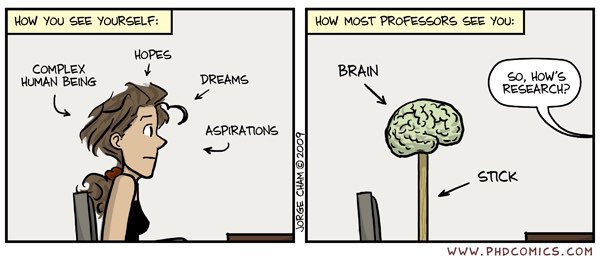
NOT every lab is friendly and has a good mentor in charge. In fact, most professors don’t know how to mentor (as mentorship is not prioritized in academia).
AFTER you get an offer, you can avoid possible problems during your PhD/postdoc through this:
1️⃣ Interview your advisor about the approaches and opinion on:
1. Research advising (how your advisor understands it and how it’s done in the group).
2. Mentoring and personal development during PhD/postdoc.
3. Collaboration - how they do it and what role students/postdocs play in it.
4. Development of your independence and confidence in research.
5. Your participation in conferences and workshops (how often and which types of conferences).
6. How they prepare research publications – authorship, quality, time per manuscript, contributions, etc.
.
2️⃣ Make sure you can talk to the current students one on one (online or in person):
1. Ask about the group culture and support from the advisor
2. Hear their opinion on publication practices and conferences
Ultimately, don’t leave until you understand how you can fit in this group.
.
3️⃣ Talk to alumni (at least 3-4 people):
1. Check out the advisor’s website and find a list of alumni.
2. Google the names of those who went into academia and industry (to hear both sides).
3. Reach out via email or LinkedIn, explain your intentions and politely ask for a quick call.
.
🔴 Why is it important?
Because your advisor is the ONE who can shape your professional skills, motivation and perception of science.
Because the right mentor FORGES your critical thinking and vision.
And a careful search of such an advisor is the starting point.
#AcademicTwitter #AcademicChatter #phdvoice