🚨 Her speech returned—but the danger remained.
A 58-year-old woman suddenly loses the ability to speak and develops right-hand weakness. Within 20 minutes, both symptoms disappear.
She has no fever, no known atrial fibrillation, and no significant carotid stenosis. Transesophageal echocardiography reveals a small, highly mobile mass attached to the aortic valve.
During surgery, the team discovers this delicate, sea-anemone-like lesion.
❓ What is the diagnosis—and how can such a tiny lesion cause a potentially devastating stroke?
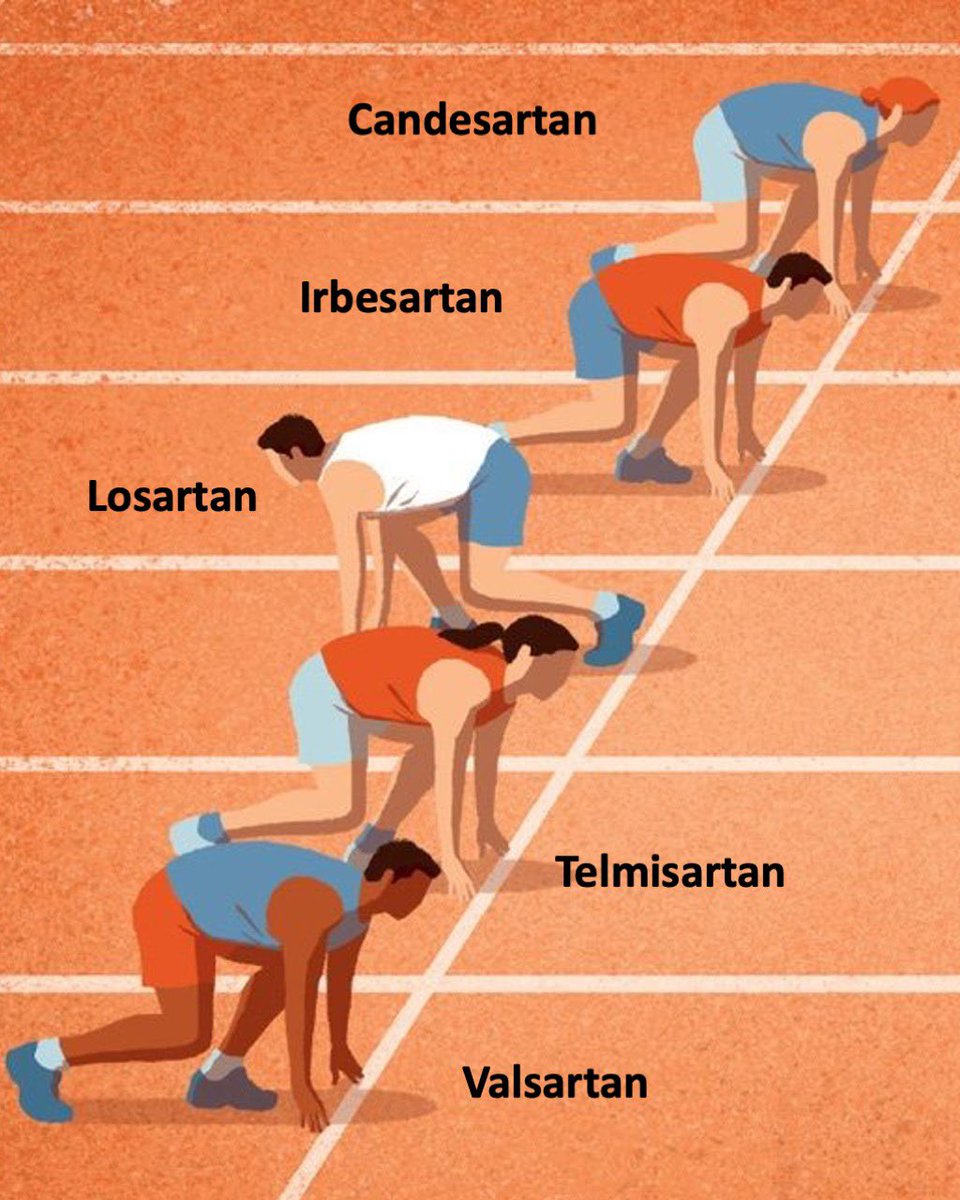
📍 Losartan - only ARB with uricosuric effect - inhibits URAT1 transporter in proximal tubule - blocks urate reabsorption - increased uric acid excretion - lowers serum uric acid; this is a unique molecular property of losartan itself, not a class effect - other ARBs (valsartan, telmisartan, irbesartan) lack this uricosuric action
📍 Clinical relevance - preferred antihypertensive in hypertensive patients with gout/hyperuricaemia - treats blood pressure + simultaneously lowers urate; particularly valuable in patients on thiazides/loop diuretics (which raise uric acid) - losartan partially offsets diuretic-induced hyperuricaemia; the uricosuric effect resides in losartan itself, not its active metabolite E-3174