#Ethiopia Many tried to spread propaganda to stop people from voting, but Ethiopians chose participation over division and democracy over conflict.
#EthiopianElections2026#ኢትዮዽያ_ትመርጣለች
The Mahmadya(Mohamedia) Residential Village ~$1B mega project in Addis Ababa Sarbet Mechare Meda area by MIDROC is redefining urban living with luxury homes business hubs and public spaces
They talk We build 🇪🇹
#Ethiopia#MIDROC
Ethiopia is a great nation with immense potential, rich history, and a bright future. It measured against the world's most successful and developed countries, such as Singapore, Dubai (UAE), Saudi Arabia, the United States, the United Kingdom,
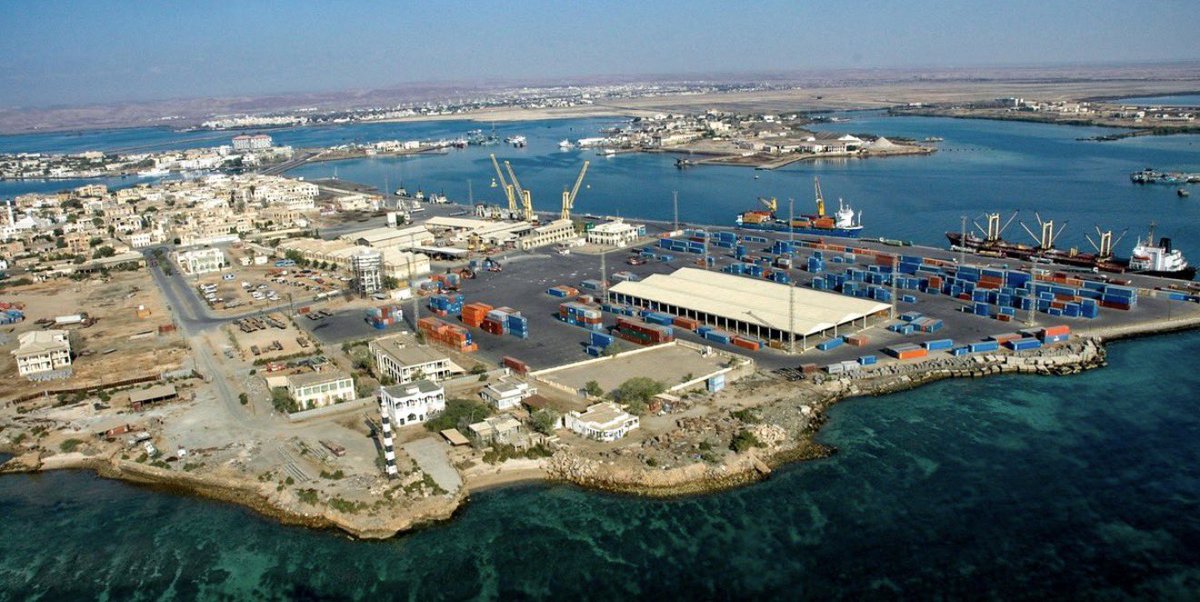
If Ethiopia 🇪🇹 strengthens access to the Red Sea through ports like Assab or other regional corridors, it could significantly reshape the Ethiopian economy over the next 20 years. Here’s how.
1. Ethiopia Could Become East Africa’s Logistics Hub
Ethiopia sits at the center of a region with over 400 million people (Ethiopia, Sudan, South Sudan, Somalia, Kenya).
With strong Red Sea access, Ethiopia could become a regional trade gateway for:
• Sudan
• South Sudan
• Somalia
• parts of Central Africa
This would create:
🚚 logistics companies
🚆 rail corridors
📦 warehousing hubs
🚢 container shipping services
Much like Dubai became the logistics hub of the Middle East.
2. Export Industries Would Expand Rapidly
Lower shipping costs make exports competitive.
Major Ethiopian exports that could grow dramatically:
☕ specialty coffee
🌾 agricultural products
🥩 livestock and meat exports
👕 textiles and garments
🏭 manufactured goods
For example, Ethiopia already produces some of the world’s best coffee, and faster Red Sea shipping routes could dramatically expand global market reach.
3. Industrial Parks Could Explode in Growth
Ethiopia has already built multiple industrial parks designed to produce goods for export.
With better port access, Ethiopia could become a manufacturing hub for global supply chains, especially for:
• textiles
• leather goods
• pharmaceuticals
• electronics assembly
Many companies are moving manufacturing out of Asia to Africa, and Ethiopia is a prime candidate.
4. Massive Infrastructure Development
Ports trigger entire economic ecosystems.
Over the next two decades Ethiopia could see:
• new highways
• railways connecting Addis Ababa to ports
• logistics free zones
• cargo airports
• industrial cities
These projects create millions of jobs and stimulate economic growth.
5. Ethiopia Could Become an Energy Export Power
Ethiopia is investing heavily in hydropower and renewable energy, including the massive Grand Ethiopian Renaissance Dam.
With Red Sea access, Ethiopia could export:
⚡ electricity
⛽ refined fuels
🔋 green energy
to nearby countries in the Middle East and Africa.
6. Tourism and International Travel Would Increase
Improved connectivity could boost tourism:
• Red Sea coastal tourism
• Ethiopian historical tourism (Lalibela, Axum, Gondar)
• conference and diplomatic travel in Addis Ababa
Addis is already Africa’s diplomatic capital, hosting the African Union.
7. Ethiopia Could Become One of Africa’s Largest Economies
Ethiopia already has:
• one of Africa’s fastest-growing economies
• the second-largest population in Africa
• huge agricultural resources
• expanding infrastructure
Access to the Red Sea would unlock the full potential of these advantages.
Economists believe Ethiopia could become one of Africa’s top three economies within the next two decades if logistics barriers are reduced.
What This Means for the Next 20 Years
If Ethiopia fully connects to Red Sea trade routes, the country could experience:
📈 faster GDP growth
🏭 major industrialization
🚢 expanded global trade
🌍 increased foreign investment
In simple terms:
Ports unlock prosperity
#GERD is a story of Ethiopian resilience in action. There is nothing we can't do and no obstacle we can't overcome when #united. War destroys not only the physical infrastructure but also kills collective will. Unity constructs, conflict destroys. Peace and unity for #Ethiopia!
Ethiopia 🇪🇹 officially started construction of Bishoftu International Airport (BIA).
Prime Minister Dr. Abiy Ahmed led the groundbreaking ceremony.
The $12.5 billion project will become Africa’s largest airport. At full capacity, it will handle 110 million passengers and rank among the world’s top 10 largest airports.
BIA will make Ethiopia a global air hub like the UAE, Saudi Arabia, and Qatar.
The airport is owned by Ethiopian Airlines, Africa’s largest and most profitable airline, flying to over 142 destinations worldwide.
Melkam Genna! 🎄✨
May this holy season of Christ’s birth bring peace to your heart, love to your home, and hope to your path. Wishing all Orthodox Christians in Ethiopia a blessed and joyful Christmas. 🙏✨
In Calub, Somali Region, we inaugurate the first phase of the Ogaden Liquified Natural Gas Project, with an annual production capacity of 111 million liters. At the same time, we launch the second phase, which will add a capacity of 1.33 billion liters per year. Beyond liquified natural gas, this facility also contributes significantly to energy generation, with a production capacity of 1,000 megawatts.
Importantly, the plant is not just a gas facility. It serves as a cornerstone of our food sovereignty efforts by providing essential input for fertilizer production. It also supplies critical resources for our energy and crypto-mining initiatives. Without a doubt, all the mega projects we inaugurated today in the Somali Region, collectively valued at USD 10 billion including associated infrastructure, will be carried through to completion, as we have always been committed to finishing what we start.
Africa's largest hydroelectric dam, the Grand Ethiopian Renaissance Dam (GERD), on the Blue Nile is scheduled to open Tuesday to major fanfare in Ethiopia. https://t.co/Zzyvrnb2lW