Most Rails apps store balances.
Production systems store transactions.
I wrote a practical guide to building a minimal, production-ready double-entry ledger in Rails.
https://t.co/w5BQb9Gngs
That viral post wasn’t magic.
It was the result of 80+ previous posts that trained my thinking and writing.
The jump is just the moment the market finally notices the work that was already done.
Keep shipping.
What goal are you currently grinding through the flat part on? 👇
3 months ago I started posting on LinkedIn.
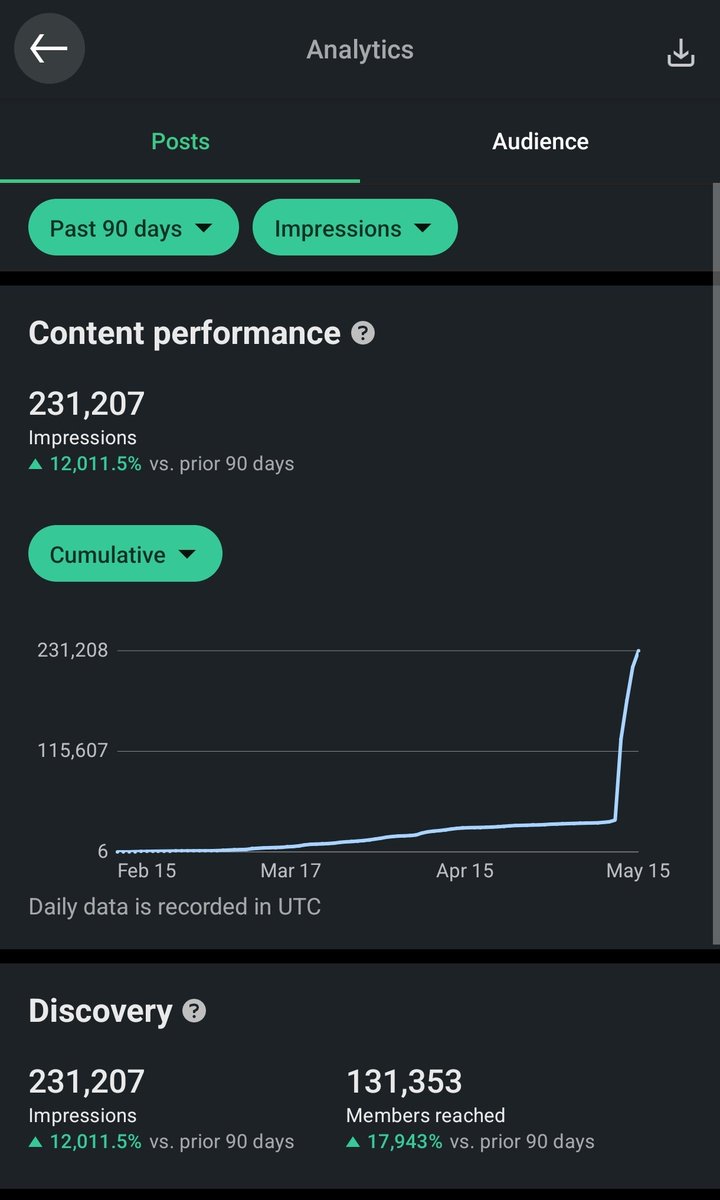
For most of that time — almost nothing. Slow growth, tiny numbers, quiet feedback.
Then one post exploded.
Look at the analytics: 231k impressions in 3 days. The curve was flat for weeks… and then went vertical almost overnight.
Don’t stop when the curve is flat.
The explosion doesn’t come to those who quit on day 87.
Keep depositing into the system.
Compound interest eventually shows up in public.
@durov E2E usually holds only until you introduce backups as a separate trust boundary.
In production systems, the “secure core + insecure edges” pattern shows up surprisingly often.
@tshemsedinov Я не раз сталкивался с такой ситуацией:
команды внедряют ИИ, чтобы ускорить работу, но уже через несколько месяцев тратят больше времени на разбор кода, чем на разработку новых функций.
Узкое место незаметно смещается с написания кода на его понимание.
@levie Headless sounds great until you try to make 5+ agents reliably act on the same system. That’s where contracts, idempotency and failure handling suddenly matter more than the model itself.