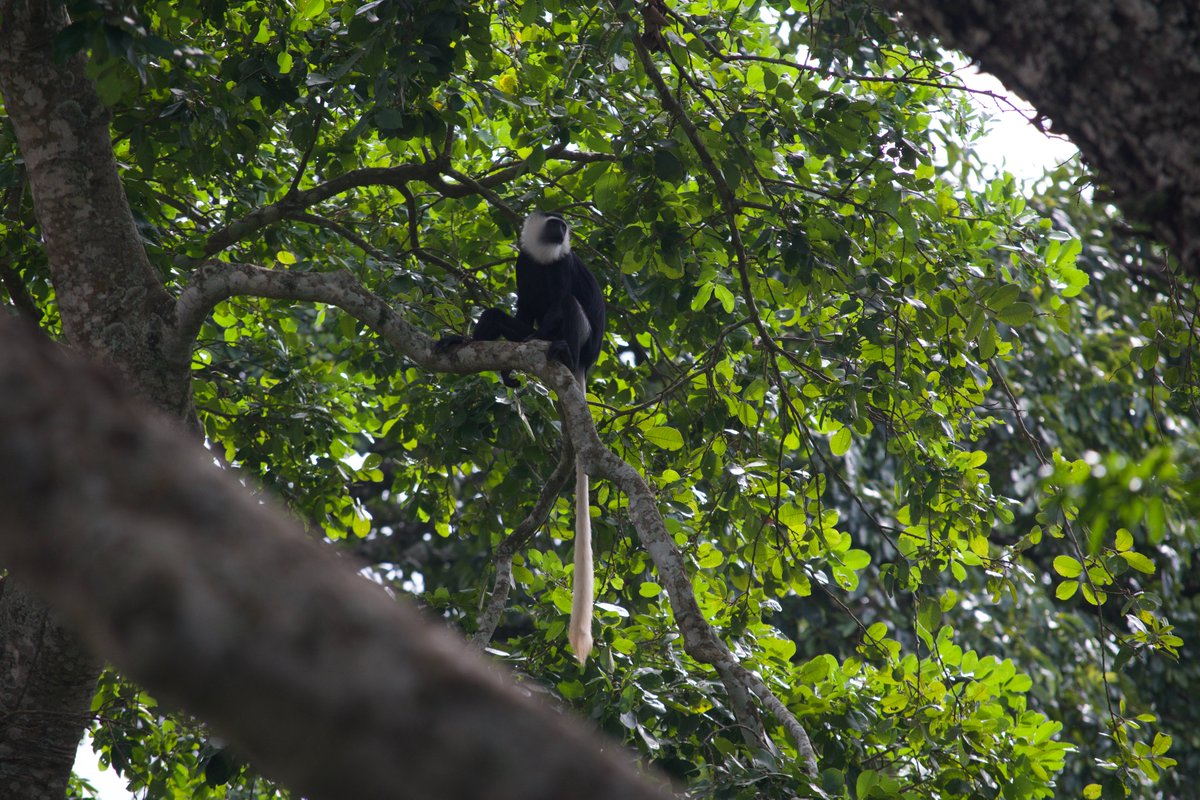
🐒 Meet the ursine colobus. Today's #MonkeyMonday comes from grantee @KidColobus. Sara Lucci is a PhD candidate at @UTSAanthro who is studying early life adversity and the gut #microbiome. Read on 👇
Congrats to Sara Lucci @KidColobus for being awarded an @NSF DDRIG to investigate early life adversity and gut microbiome characteristics in our study population Colobus vellerosus at BFMS
Thanks to @Teichroeb_Lab for spearheading the effort reporting on the “Non-reproductive sexual behavior in wild white-thighed colobus monkeys (Colobus vellerosus)”. You can read our article here: https://t.co/MsBrvSz3Ru
We just published the first data on same-sex sexual behaviour in the African colobines, and only the second report of masturbation in this taxon, with a report on Colobus vellerosus. https://t.co/wNwyvDXfxa
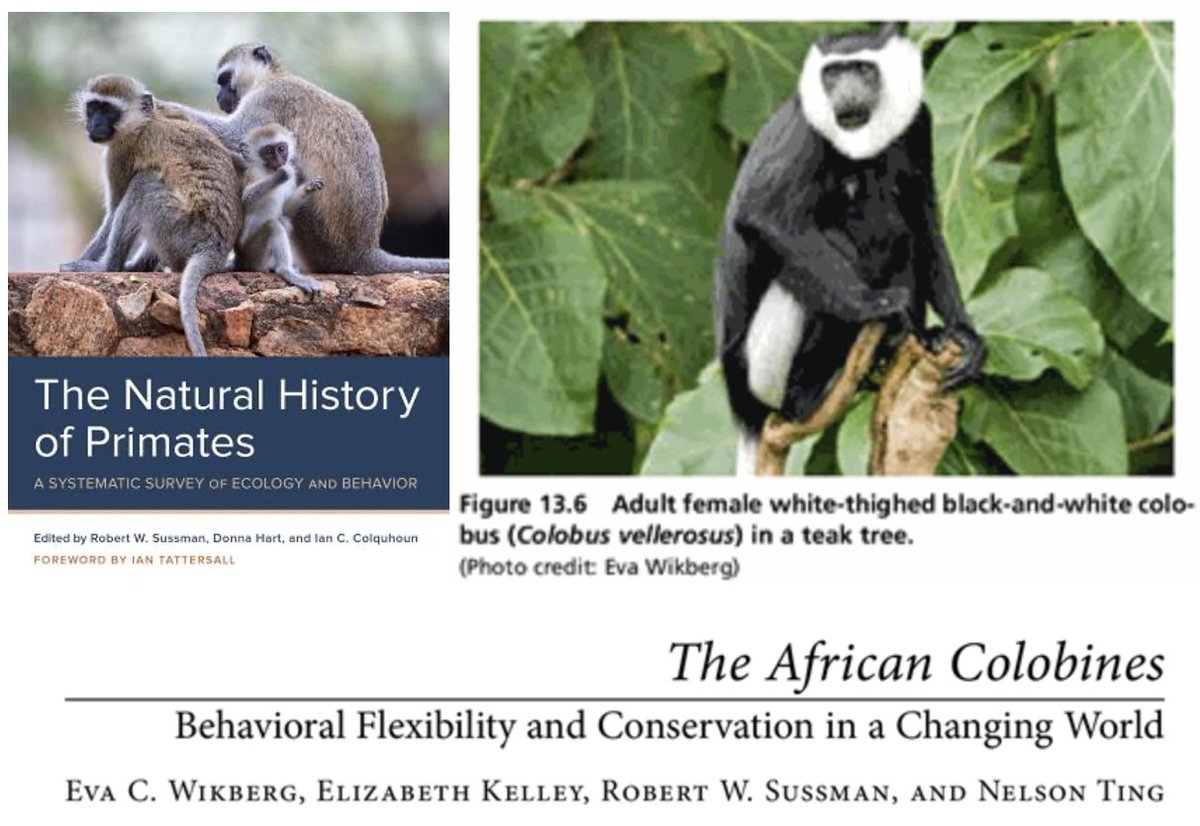
I am so excited to see our African colobines chapter in The Natural History of #Primates @RLPGBooks where Kelley, Sussman, and I highlight behavioral flexibility and conservation in a changing world
@PozziLab @KidColobus @KidColobus presented preliminary data on the association between gut microbiome composition and social instability related to male immigration and takeovers in the colobus, and she will continue to investigate the long-term effects during her dissertation research
@PozziLab Daily travel distance decreased with population density during a 9-year period, possibly because of increased neighborhood pressure. Emily will continue to investigate if changing ranging patterns may compensate for changes in food availability with increasing population density.
@PozziLab @F_A_Campos @UTSAanthro I was excited to follow up on the results about increased female intergroup aggression over time shown in the slide here that I presented at my first #TABA meeting four years ago with this year’s presentation about the benefits of being a high-ranking group.
Here is a free access view only link to “Should I stay or should I go now: dispersal decisions and reproductive success in male white‐faced capuchins (Cebus imitator)”: https://t.co/mCNaIw4g8d
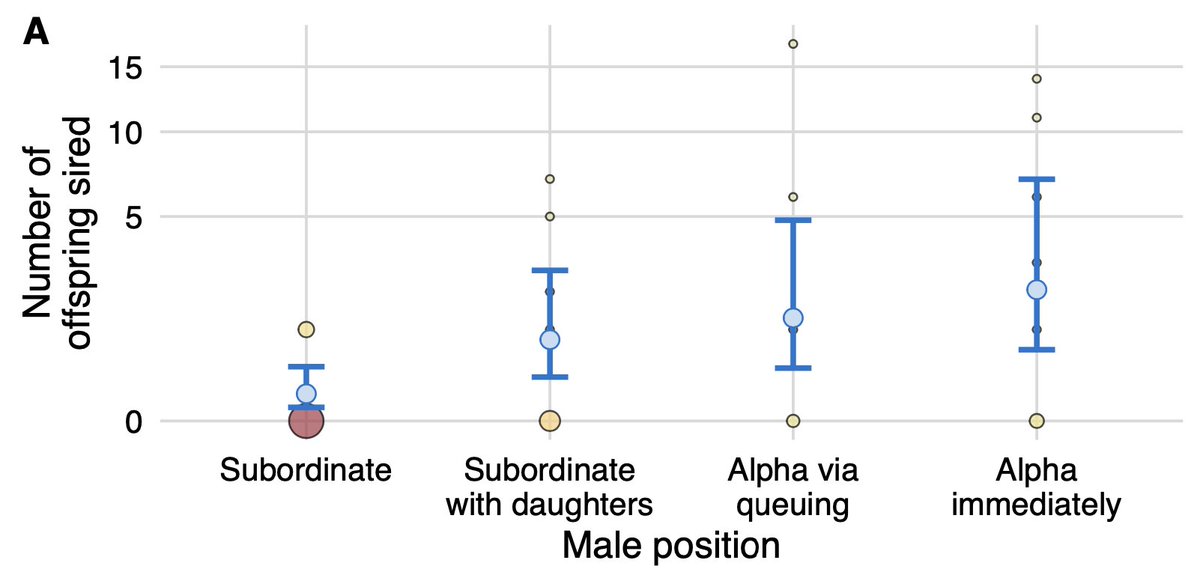
Subordinate male capuchins who queue for reproductive opportunities are as successful in producing offspring as alpha males that aggressively takeover a group, which may explain why male capuchins cooperate despite high reproductive skew.
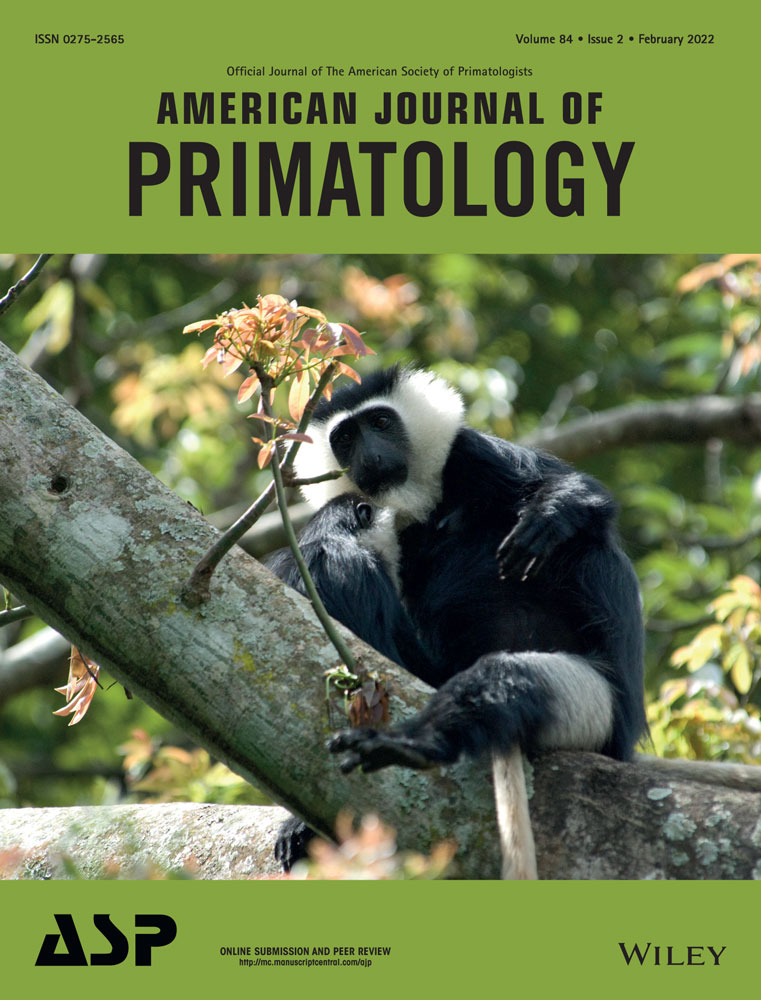
#colobus vellerosus Marla is showing off her #personality on the #AmJournalPrimatology cover by doing a one-leg (cheating) stiff-leg (aggressive) display while her infant is nursing
Joint intergroup aggression by #Colobus vellerosus females increases with strong grooming bonds and decreases with male participation and group size: https://t.co/ABnaax0p3P
Congrats to Bright Adu Yeboah for being awarded the @TheLeakeyFndtn Baldwin fellowship for his PhD studies in Environmental Anthropology at #UTSAanthro: https://t.co/iDVdeVa9gB
Congrats to Emily Glotfelty for finishing her MA thesis investigating changes in food availability and ranging over 20 years when the BFMS population of the #criticallyendangered#colobus (Colobus vellerosus) increased from 200 to 450 individuals