To believe this, I would have to believe that more and better test-cheating software, deepfakes, AI girlfriends, and general social breakdown were the key to beating China, and that I should give a damn if so.
Conversely, the stuff that might make a marginal difference in beating China, like drone targeting software, should be running on secure data centers in military locations and developed under official auspices by people who aren’t humanity-hating sociopaths and H1-b visa holders.
And it would be more credible if the people doing any of this (who largely do not exist at present) and/or the people making this argument (who do, and are not the same) were actively engaged in reviving American industry, which is the thing that will make the -actual- difference against China - instead of creating a digital Dutch Disease while attempting to prop up the dollar reserve system that de facto forbids it.
The idea that China thinks it’s bad that we’re accelerating our way to pod life needs a rethink.
@AnalyticaCamil1 The current administration would lose trying to do a first strike because some dipshit would bet a million dollars on Polymarket an hour before the orders went out.
I was thirty-something years old when Iranian students dragged me into a room and told me I wasn't going anywhere. Four hundred and forty-four days later, I walked out. I've spent the decades since trying to make sense of what happened — and what keeps happening — between our two countries.
So don't talk to me about Iran like it's an abstraction. I lived inside that confrontation. I felt it.
Which is why I'm not ready to write off this ceasefire, even though everything about it is maddening.
Negotiations in Pakistan may produce nothing. The talks could collapse before they get started. I've seen American diplomacy with Iran fail more times than I can count, and usually for the same reasons — too much pride, too little patience, and Israel holding a match in the corner of the room.
But here's what I know in my bones: another war won't break Iran. We just tried. It didn't work. Iran doesn't break — it absorbs, it adapts, and it waits. I watched that stubbornness up close for 444 days.
What bothers me most isn't that Iran is winning this moment — it's that we handed it to them. Tehran's framework is running these negotiations. Iran still controls the Strait of Hormuz. Still collecting tolls. Trump looked at their proposal and called it workable. I never thought I'd see the day, but here we are.
Iran wants everything on the table — sanctions, enrichment rights, American troops out, and a deal that covers what's happening in Lebanon and Gaza too. That's a lot to swallow. And Israel, which wasn't invited to this conversation, is already making clear it has no intention of being constrained by it.
That's the part that worries me the most. Because if Israel keeps bombing and Washington can't or won't stop it, none of this holds.
And yet — and I say this as someone who has every reason to distrust Tehran — I don't think we go back to all-out war. Not because anyone has suddenly gotten wise, but because the math doesn't work. A second round ends the same way. Iran still controls the Strait. The global economy still flinches when Tehran flexes.
What we're heading toward isn't peace. It's something smaller and more precarious — two countries silently agreeing not to destroy each other today, with no paperwork and no guarantees.
I know what it's like to survive on something that fragile. For 444 days, that's all I had.
So two weeks ceasefire. Good. Part of me wonders if Pakistan leaned back on one its nuclear arsenal, patted an armed icbm, and asked us, "You sure 'bout that? You should be sure.""
Dear Mr. Armin Papperger, CEO of Rheinmetall,
When you referred to Ukrainian drone manufacturers as “Ukrainian housewives with 3D printers” you revealed just how deeply the European defense establishment still fails to understand the nature of modern warfare.
This is not about emotion. It is about battlefield reality. Here are the facts your industry refuses to acknowledge:
In 2025 alone, Ukrainian drones carried out 819,737 confirmed strikes. They caused 90 percent of all Russian combat losses, more than all other weapons systems combined.
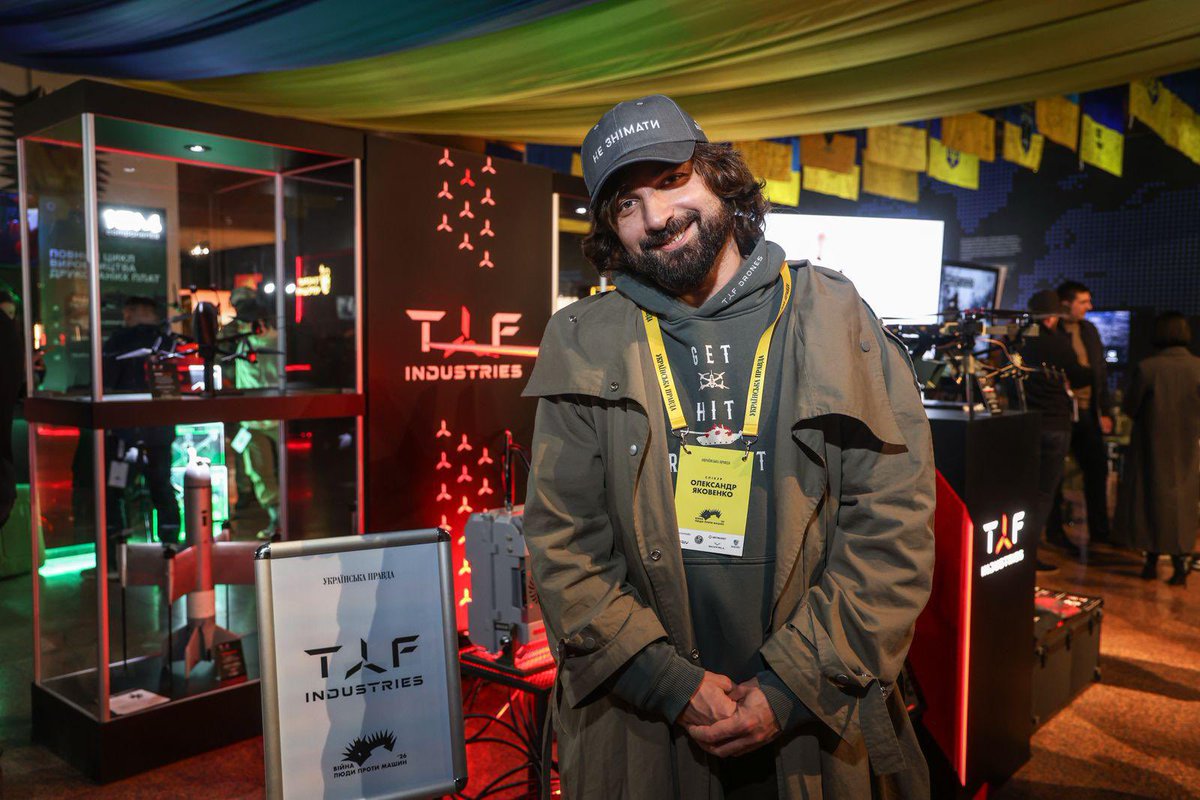
TAF alone produces up to 100к FPV drones monthly. In any given 90-day period, my company’s products alone achieve more confirmed strikes than your entire fleet of equipment has across its full combat history in every conflict. And most importantly, I built this company and achieved these results in two years, not fifty. Think about that.
Our drones generate more kinetic effect in three months than your flagship platforms have in half a century.
Why? Because the battlefield has changed, and your business model has not.
•Russian electronic warfare has made GPS-guided Western munitions such as Excalibur and GMLRS nearly ineffective.
•Expensive and complex systems designed for wars with air superiority and traditional peer-to-peer combat have become easy prey for drones costing $500, attacking them from above.
•The cost-to-effect ratio has been turned upside down: one 120 mm Rheinmetall shell or one anti-tank missile costs more than a dozen of our drones, and yet our drones still win.
This is not a “Lego game.” It is industrial Darwinism in real time. We iterate every week. We print parts in basements and ship 100к strike systems per month, while your engineers still require three to five years and hundreds of millions of euros in certification costs for even a minor upgrade.
The war in Ukraine is not a temporary anomaly. It is the first true drone-industrial war. And it has already proven that outdated European platforms, no matter how expensive or “serious” they may seem, are becoming less and less relevant unless they integrate the very technologies you mock.
So when you say, “this is not innovation,” I hear something else: “We do not want to admit that the future is being written in Ukrainian workshops, not in Düsseldorf boardrooms.”
#MadeByHousewives is trending for a reason. Because these “housewives” destroy more enemy equipment every month than entire European armies do in full campaigns. And they do it while your industry continues to sell 20th-century solutions at 21st prices.
The invitation remains open, Mr. Papperger. Stop laughing at the kitchen table. Come and learn how tomorrow’s war is actually being fought. Because the next time someone asks, “Who needs tanks in the age of drones?”, the answer may be simpler than you think: Whoever still believes in 1979 will lose to whoever is building in 2026.
With respect, but with facts,
Oleksandr Yakovenko “Ukrainian housewives”
Founder TAF
It's a mixed bag when your people are awarded for their courage but its in defiance of their own rogue government. Congratulations, I guess?
https://t.co/ZZEfXHHskb
This has been a disaster so far:
-No denuclearization deal or even interest to negotiate
-No regime change, in fact we’re renewing support for the regime.
-Strait of Hormuz closed/in-extremis
-Oil shock likely priced into 2027
-9 dead Americans (cant even pass it off as an SMO)
-Iran is baiting the U.S./Arab nations into a costly ground offensive.
Too many people are caught up with the shock and awe and fail to see the looming war of attrition.
Thought we learned this from Ukraine but you’re all still being goaded into the same shit.
Hi, I'm Troy McClure you may remember me from....
The Boatjacking of Supership '79
Calling All Quakers (with Dolores Montenegro)
Christmas Ape
Christmas Ape Goes to Summer Camp
The Contrabulous Fabtraption of Professor Horatio Hufnagel
Cry Yuma
David vs. Super Goliath
Dial M for Murderousness
The Electric Gigolo
The Erotic Adventures of Hercules
Give My Remains to Broadway
Gladys the Groovy Mule
Good-Time Slim, Uncle Doobie, and the Great "Frisco Freak-Out"
The Greatest Story Ever Hula'd
Here Comes the Coast Guard
Hitler Doesn't Live Here Anymore
Hydro, the Man with the Hydraulic Arms
Jagged Attraction
Leper in the Backfield
Look Who's Still Oinking
Make-Out King of Montana
Meet Joe Blow
The Muppets Go Medieval
"P" is for Psycho
Preacher with a Shovel
The President's Neck is Missing
The Revenge of Abe Lincoln
Suddenly, Last Supper
They Came to Burgle Carnegie Hall
Today We Kill, Tomorrow We Die
The Verdict Was Mail Fraud
The Wackiest Covered Wagon in the West
Adjusting Your Self-O-Stat
Alice Doesn't Live Any More
Alice's Adventures Through the Windshield Glass
Birds: Our Fine Feathered Colleagues
The Decapitation of Larry Leadfoot
Designated Drivers: The Lifesaving Nerds
Dig Your Own Grave and Save
Earwigs, Ew!
Firecrackers: The Silent Killer
Fuzzy Bunny's Guide
to You Know What
Get Confident, Stupid
The Half-Assed Approach to Foundation Repair
Here Comes the Metric System!
Lead Paint: Delicious But Deadly
Locker Room Towel Fight: The Blinding of Larry Driscoll
Man Versus Nature: The Road To Victory
Meat and You: Partners in Freedom
Mommy, What's Wrong With That Man's Face?
Mothballing Your Battleship
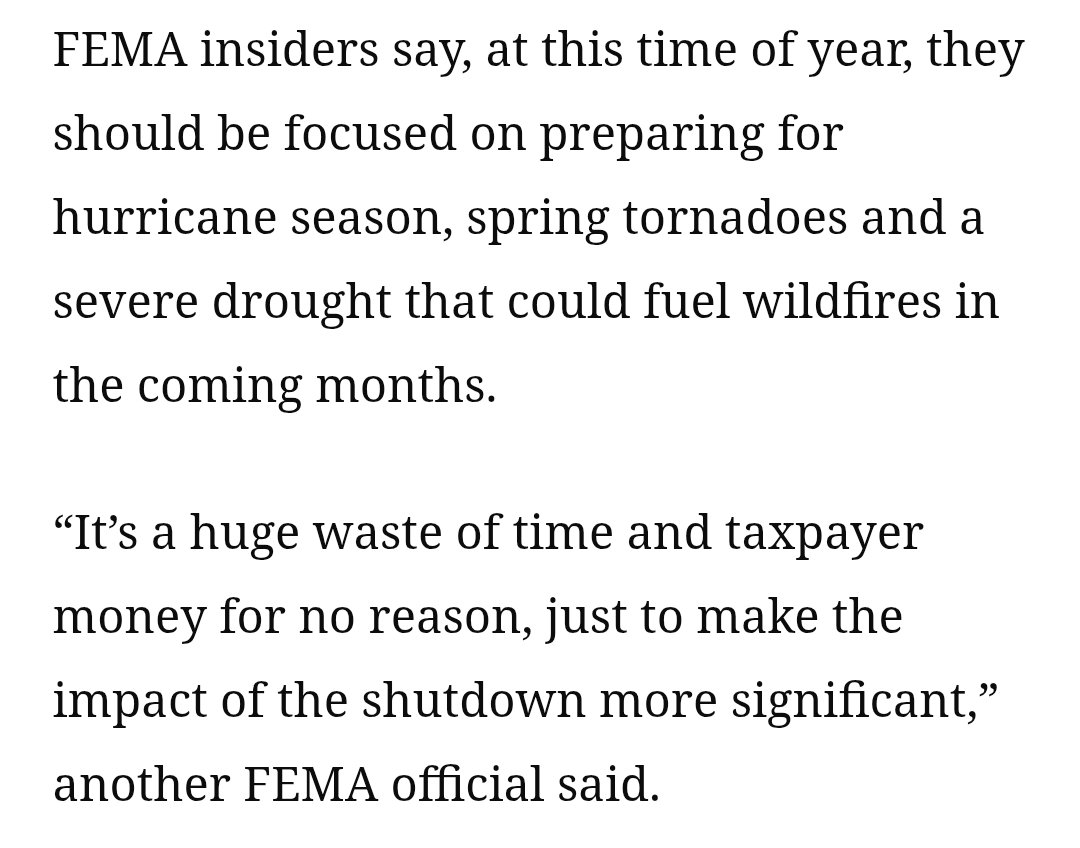
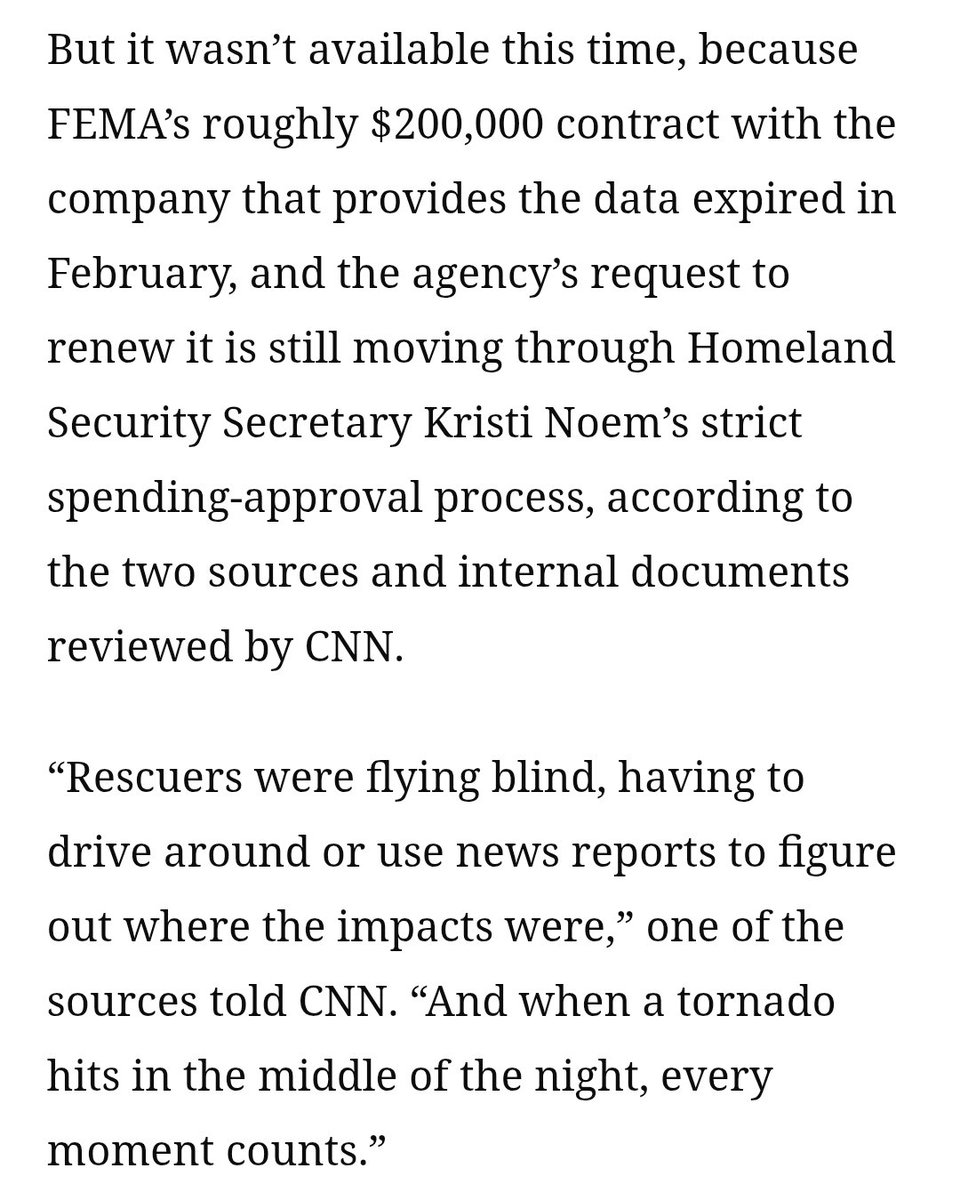
Phony Tornado Alerts Reduce Readiness
Shoplifters BEWARE
Smoke Yourself Thin
Someone's in the Kitchen with DNA!
Two Minus Three Equals Negative Fun!
Young Jebediah Springfield
Welcome to Springfield Airport
Where's Nordstrom?
AfterMannix
Alien Nose Job
Antiques Rodeo
Buck Henderson, Union Buster
Carnival of the Stars
Chair Fancy
Five Fabulous Weeks of The Chevy Chase Show
Handle with Care
I Can't Believe They Invented It!
Let's Save Tony Orlando's House
The Miss American Girl Pageant
Out With Gout '88
Pimp My Armorie!
Public Television Telethon
Son of Sanford and Son
Ten Is Too Many!
Troy and Company's Summertime Smile Factory
Stop the Planet of the Apes, I Want to Get Off!
Video Tour Guide to Rancho Relaxx
So far, this Iran operation is a cascade of worst‑case outcomes.
• Iran effectively closed the Strait of Hormuz, collapsing tanker traffic by 80–90% and sending oil prices from about $65 to over $110 in just over a week.
• U.S. operational costs: ~$1B per day.
• Iranian drone and missile attacks have killed 7 Americans and wounded 18.
• A likely U.S. strike on Feb 28 hit the Shajareh Tayyebeh girls’ elementary school in Minab, killing ~165–175 civilians—mostly schoolgirls aged 7–12z
• Kuwait was expected to have ~18 days of storage before cuts, but began reducing oil output within 2–3 days of the blockade.
• Iraqi oil production from its main southern fields has collapsed by 70%.
• Qatar's Energy Minister Saad al-Kaabi warned Gulf exporters may halt production within days, potentially spiking oil to $150 per barrel within 2-3 weeks.
• U.S. embassy evacuations collapsed into disaster: State Dept delayed approvals 1–4 days, facilities struck, thousands stranded amid closed airspace/airports, slow military/charter rollout.
• Treasury issued a 30‑day OFAC waiver allowing India to continue purchasing Russian oil, reversing years of U.S. pressure discouraging those imports.
• Iran’s Supreme Leader has been replaced by his more hardline son, Mojtaba Khamenei — and with Iran likely heavily protecting him, Trump’s likely push to remove him could take time, prolonging the crisis and its costs.
• The Atlanta Fed’s GDPNow estimate for Q1 2026 growth plunged from 3.0% (Mar 2) to 2.1% (Mar 6) — a 0.9 pp drop in just four days.
• U.S. gas prices jumped from about $2.95 to ~$3.40/gal in a week (≈40–60¢, one of the fastest increases ever), while diesel surged ~50–75¢ to ~$4.30–$4.50.
• U.S. stocks have fallen since Feb 28: S&P 500 −2.0%, Dow −3.0%, Nasdaq −1–2%.
• Despite hopes the strikes might trigger regime collapse, protests so far are nowhere near the scale of the January 2026 nationwide uprising.
• The Fed’s ability to cut rates is constrained even with weak jobs data, as surging oil has pushed up inflation expectations.
I am Jeff Bezos.
I own The Washington Post.
I bought it in 2013.
For $250 million.
That's 0.1% of my net worth.
A rounding error.
A tax strategy.
A civic gesture.
On Tuesday, we laid off one-third of the newsroom.
300 people.
I was not on the call.
I had other commitments.
The publisher was also not on the call.
He had other commitments.
HR handled it.
HR is very good at handling things.
We eliminated the sports section.
Sports was not profitable.
We eliminated the books section.
Books were not profitable.
We eliminated every photojournalist.
Photos can be licensed.
From agencies.
That still employ photojournalists.
For now.
We shrunk the metro desk.
From 40 reporters to 12.
Washington D.C. only needs 12 reporters.
To cover democracy.
Dying.
In darkness.
That's our slogan.
"Democracy Dies in Darkness."
We added it after the 2016 election.
It was very popular.
With subscribers.
Who are leaving.
The Post lost $100 million last year.
That's a problem.
Not for me.
For the people who work there.
Worked there.
The executive editor announced the cuts.
He said we were "repositioning for the future."
Repositioning means layoffs.
The future means fewer journalists.
We closed foreign bureaus.
Foreign news is expensive.
We canceled the daily podcast.
Podcasts require staff.
Staff requires salaries.
Salaries require revenue.
Revenue requires subscribers.
Subscribers require trust.
Trust requires editorial independence.
Editorial independence requires not killing the endorsement of Kamala Harris three weeks before the election.
I killed the endorsement.
In October.
Before the election.
Some people said this was because I wanted access to the incoming administration.
Some people said this was because Amazon has $2 billion in federal contracts.
Some people said this was because I'm building rockets that require government approval.
I said it was about "principle."
Principle is a word that means many things.
To many people.
The subscribers left.
Hundreds of thousands of them.
In weeks.
The opinion editor resigned.
Publicly.
Other journalists resigned.
Less publicly.
The ones who stayed got laid off.
On Tuesday.
The same week I donated millions to Melania Trump's inauguration fund.
That was a coincidence.
A very public coincidence.
The same week Amazon announced 16,000 layoffs.
That was also a coincidence.
A very large coincidence.
Someone asked why I don't just fund the Post myself.
I could.
$100 million is nothing to me.
I make that in hours.
Sometimes minutes.
But that's not how business works.
The Post must be "sustainable."
Sustainable means profitable.
Profitable means fewer journalists.
Fewer journalists means less coverage.
Less coverage means less accountability.
Less accountability means...
Well.
That's the point.
Isn't it?
The laid-off staff rallied outside the building.
On Wednesday.
They held signs.
They gave speeches.
They talked about "the mission."
The mission is journalism.
Journalism is expensive.
I am the richest man on Earth.
Some days.
Depending on the stock price.
The Post's slogan is "Democracy Dies in Darkness."
I'm turning off the lights.
One section at a time.
One bureau at a time.
One photojournalist at a time.
300 people at a time.
But the slogan stays.
The slogan is good for branding.
Someone asked if I care about journalism.
I said: "I care deeply about the role of a free press in a democracy."
I said that.
In a statement.
Written by someone who still has a job.
The truth is simpler.
The Post was a hobby.
Hobbies get expensive.
Hobbies get complicated.
Hobbies require attention.
I have rockets.
I have retail.
I have cloud computing.
I have federal contracts.
I have relationships to maintain.
With the administration.
That my newspaper used to cover.
Critically.
We still cover them.
With 12 metro reporters.
And no photojournalists.
And no sports section.
And no books section.
And no foreign bureaus.
And no daily podcast.
And no Harris endorsement.
But we have the slogan.
Democracy Dies in Darkness.
Very inspiring.
Very marketable.
Very ironic.
Anyway, I remain committed to journalism!
The statement said so.