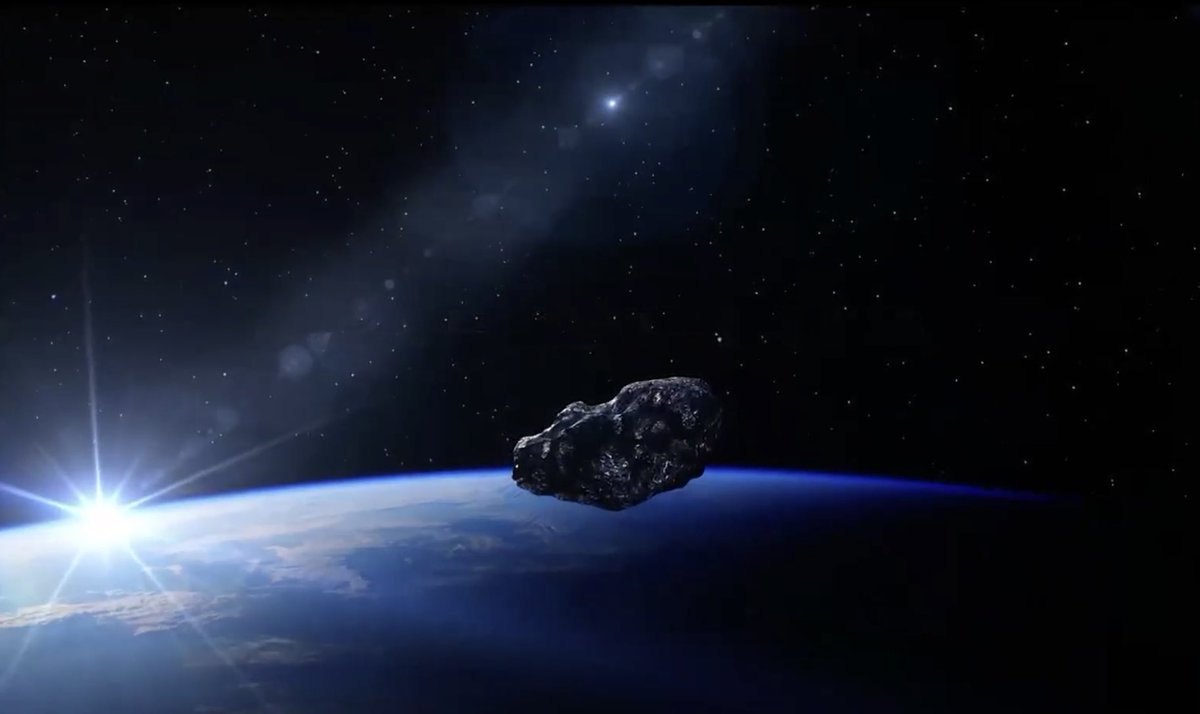
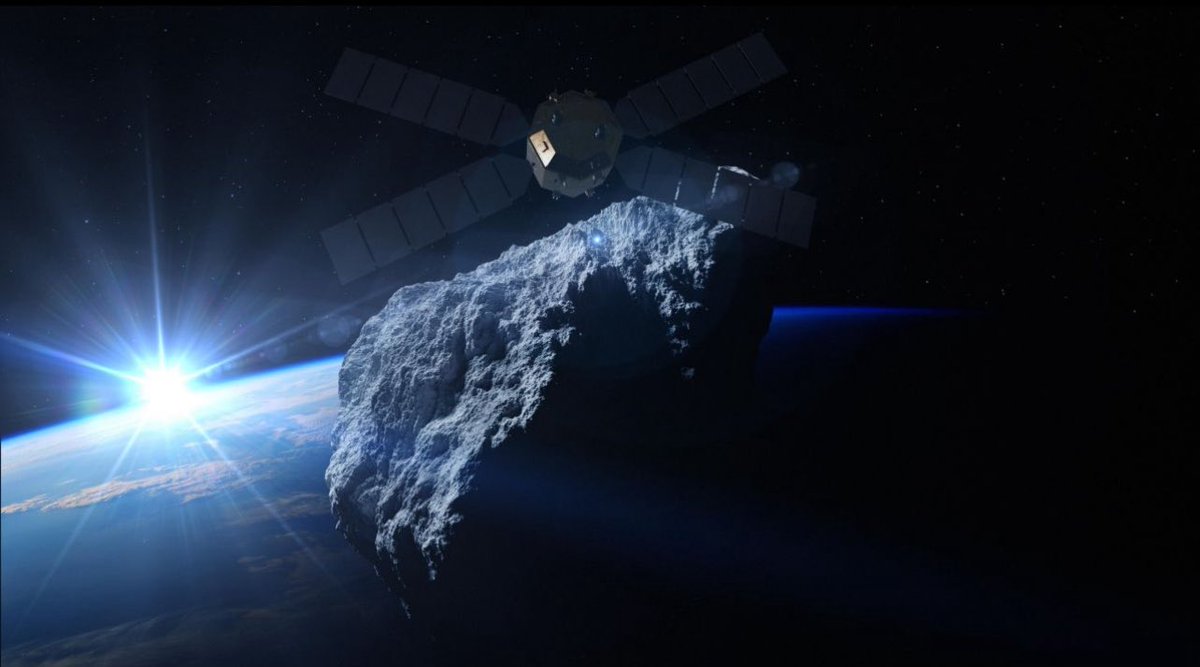
T-3 Years to #Apophis. On April 13, 2029, asteroid Apophis will make one of the closest visible approaches of this century, seen by over a billion people worldwide.
For ExLabs, this isn’t just a moment. It’s a catalyst.
We’re building the deep space mission infrastructure to:
• Execute repeatable deep space missions
• Advance planetary defense capability
• Enable global payload participation beyond GEO
The flyby will capture attention.
The real work is the architecture behind it.
Three years.
Let’s go. 🚀
#ApophisEx #GEO+ #WeCatchAsteroids #PlanetaryDefense
Deep space forces autonomy. At 100M+ km, long comm delays and limited ground intervention mean the spacecraft has to do more onboard, guidance, navigation, control, decisioning, and maneuver execution.
We’re excited to be integrating #SpacePilot autonomy into our vehicle architecture for our #ApophisEX mission.
Now we get to do the fun part, integrate, validate, and start pushing it through real test campaigns on our platform as we drive toward the 2028 mission launch.
https://t.co/kQqRZ4TTTV
We’re building repeatable deep-space mission infrastructure, from spacecraft and autonomy to mission ops.
Our global payload network is growing, and it will enable the next wave of global access beyond orbit.
This new market is the next wave of space infrastructure and opportunity.
AP write-up:
https://t.co/VZbZryAquS
#Apophis #ApophisEX #ApophisEXL #WeCatchAsteroids
An asteroid just passed 300 km over Antarctica, lower than most satellites and beneath the ISS. It was detected only hours before.
At just 2-meters size doesn’t matter at orbital speeds.
This close call is another reminder of why missions like ApophisExL matter.
#PlanetaryDefense #ApophisExL #NearEarthObjects #NEO #ExLabs #WeCatchAsteroids #Asteroid
https://t.co/3arnyh63I7
#Apophis will have another visitor @fleetspace is joining the ExLabs ApophisExL mission! Their geophysical suite will map Apophis in ways never done before. Alongside our global partners, this mission is set to revolutionize deep space access. Let’s go 🌍✨
#ApophisExL #PlanetaryDefense #AsteroidExploration #DeepSpaceAccess #WeAreExplorers #WeCatchAsteroids
https://t.co/3QLTvKLelh
We’re thrilled to partner with Antares to develop the next generation of nuclear-powered spacecraft for GEO+. By combining ExLabs' modular SERV platform with Antares' cutting-edge microreactors, we're building the foundation for high-power, long-duration missions beyond Earth orbit.
#ExLabs #SpaceNuclear #Spacecraft #Nuclear #DeepSpace #NewSpace #Cislunar
ExLabs Receives Space Force Funding Increase to Further Develop System for Advanced Capture Solutions.
Funding boost to accelerate development and expand on-orbit capture capabilities, in partnership with SSC's Servicing, Mobility, and Logistics office.
https://t.co/CsZ4VMwTyt
ExLabs' new facility in Long Beach will be the home of our SERV spacecraft heading to #Apophis in 2028. - Stay tuned for more announcements on the Apophis mission, including our partners, payloads, and additional opportunities for industry.
https://t.co/UMZNH270Vu
Exciting News! ExLabs has been awarded a Space Force Orbital Prime Contract for their groundbreaking Robotic Capture System. This $1.7M Direct-to-Phase II SBIR contract, will focus on Autonomous Capture and Acquisition.
https://t.co/JNG4EHhgTI
#WeCatchDebris#WeCatchAsteroids
A ball pit for spacecraft??
Upon studying data from OSIRIS-REx, scientists discovered the surface of asteroid Bennu is loosely bound and offers very little resistance. In fact, the spacecraft had to use its thrusters to avoid sinking in: https://t.co/FzaEtZDz3t
Artemis program is a new beginning to the long-awaited return to space beyond Low Earth Orbit. Our future is bright with a dedicated industry working and living in space. We're excited for this new class of vehicle and the opportunities it creates.
We are capable.
The prelaunch rehearsal is complete. Soon, #Artemis I will fly on an uncrewed mission around the Moon. Humanity's return to the lunar surface is imminent. https://t.co/SqKtL6kwjT