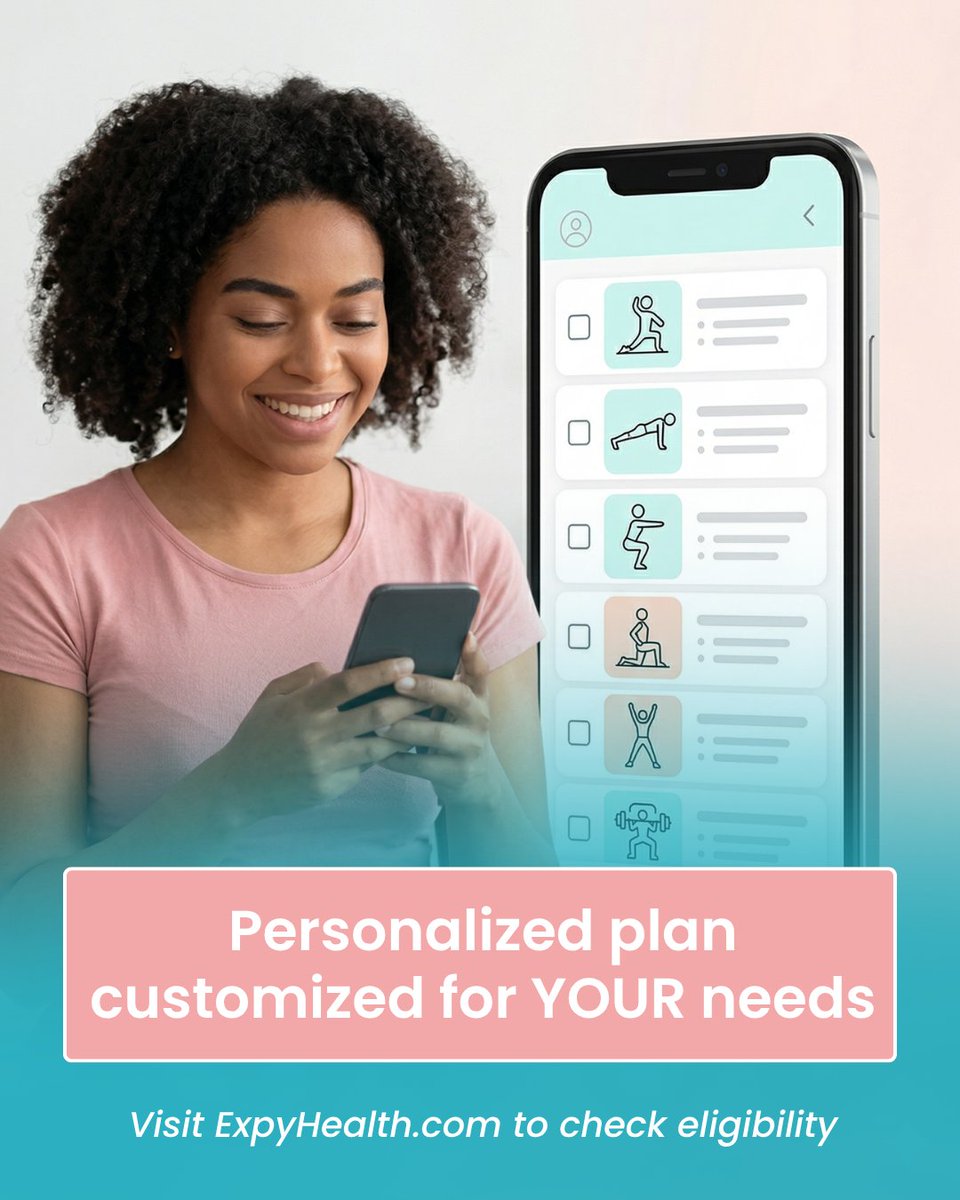
The #ExpyPT mobile app is finally here! 🥳
Download the app for free today to receive a personalized daily plan with interactive activities that empower you to recover and reach your mobility goals from home or anywhere else.
#PhysicalTherapy#Physiotherapy#PainManagement
Weak outer ankle muscles are one of the main reasons sprains keep happening. Ankle eversion strengthens exactly those muscles, seated, simple, and no equipment needed. A licensed PT can build the full plan. Insurance may apply. #ExpyHealth#AnkleRehab
A clinical trial just found that 6 PT sessions twice a week outperformed 15 sessions five times a week for chronic low back pain — on pain, depression, and function. More sessions is not always better. Smarter scheduling is.
#BackPain#PhysicalTherapy#Rehab
One shoulder higher than the other? It could be your dominant side, your sport, your desk setup, or your spine. A licensed PT can help figure out which. #ExpyHealth#PostureCorrection
Weak hamstrings and glutes affect your balance, your knees, and how you move every day. Standing knee flexion rebuilds that foundation. Simple, effective, no equipment needed. Insurance may apply. #ExpyHealth#HamstringStrength
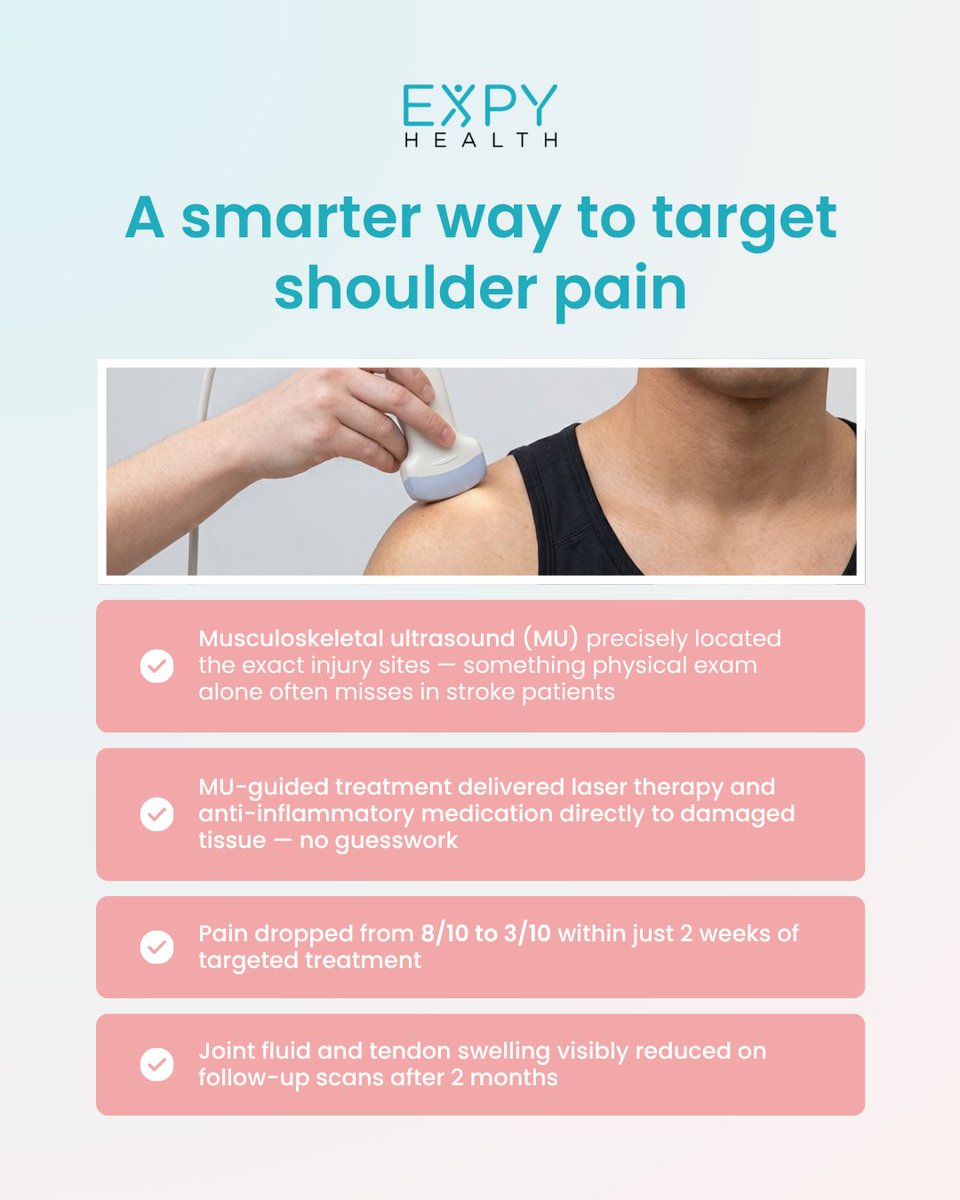
Up to 84% of stroke survivors develop shoulder pain and it's often missed because standard exams can't pinpoint the source. A new case report used real-time ultrasound imaging to guide PT precisely to the injury. Pain dropped from 8/10 to 3/10 in 2 weeks.
#StrokeRecovery
Your knee might hurt because of your hip. Your shoulder pain might start in your neck. Pain isn't always where the problem is. A licensed PT looks at the full picture. #ExpyHealth#PainScience
Low back pain is common, but when it lingers, the focus shifts to what actually helps. Research shows combining exercise with structured physical therapy can improve pain and function more than exercise alone. Recovery is about structure and progression. #LowerBackPain
Not all symptoms need the same response. Some improve with movement, others need evaluation, especially if they persist or feel unclear. Physical therapy can help bring structure and a plan. Starting care can begin with clarity. #PhysicalTherapy#HealthcareMadeSimple
It’s easy to blame posture, but it’s often about how long you stay there. Neck and shoulder tension builds from duration, repetition, stress, and not moving enough. There’s no perfect position, more variety and a few breaks can help. Tag your desk buddy. #PhysicalTherapy#Posture
Some mornings your body doesn’t need intensity, it just needs a little motion. A few gentle movements can ease stiffness and get things going without forcing it. No need to overdo it, just a simple reset to start your day. #PhysicalTherapy#Mobility
After surgery, many people ask what they should be doing. That is where physical therapy helps. It is not just exercises, it is building confidence, improving movement, and tracking progress. #Surgery#ACLRepair#RotatorCuff#KneeReplacement
Technology is playing a bigger role in care, helping track progress and support check-ins between visits. But it doesn’t replace clinical judgment. Effective care still depends on licensed providers. The best approach combines both. #PhysicalTherapy#Technology
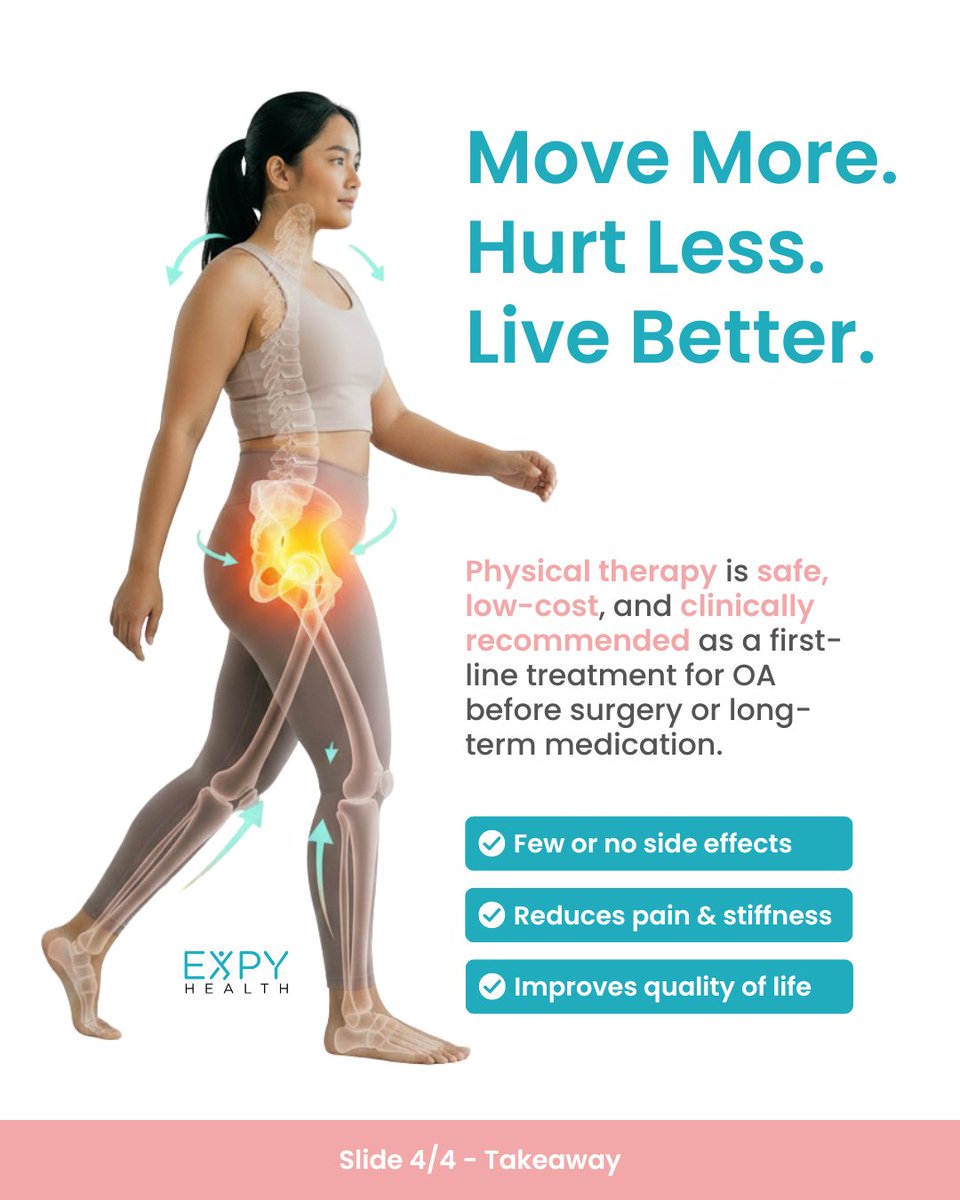
Research confirms regular exercise is one of the best treatments for osteoarthritis. Physical therapy can reduce pain, slow progression, and improve quality of life. The key is the right plan, type, and dose. #PhysicalTherapy#HealthcareMadeSimple#Osteoarthritis
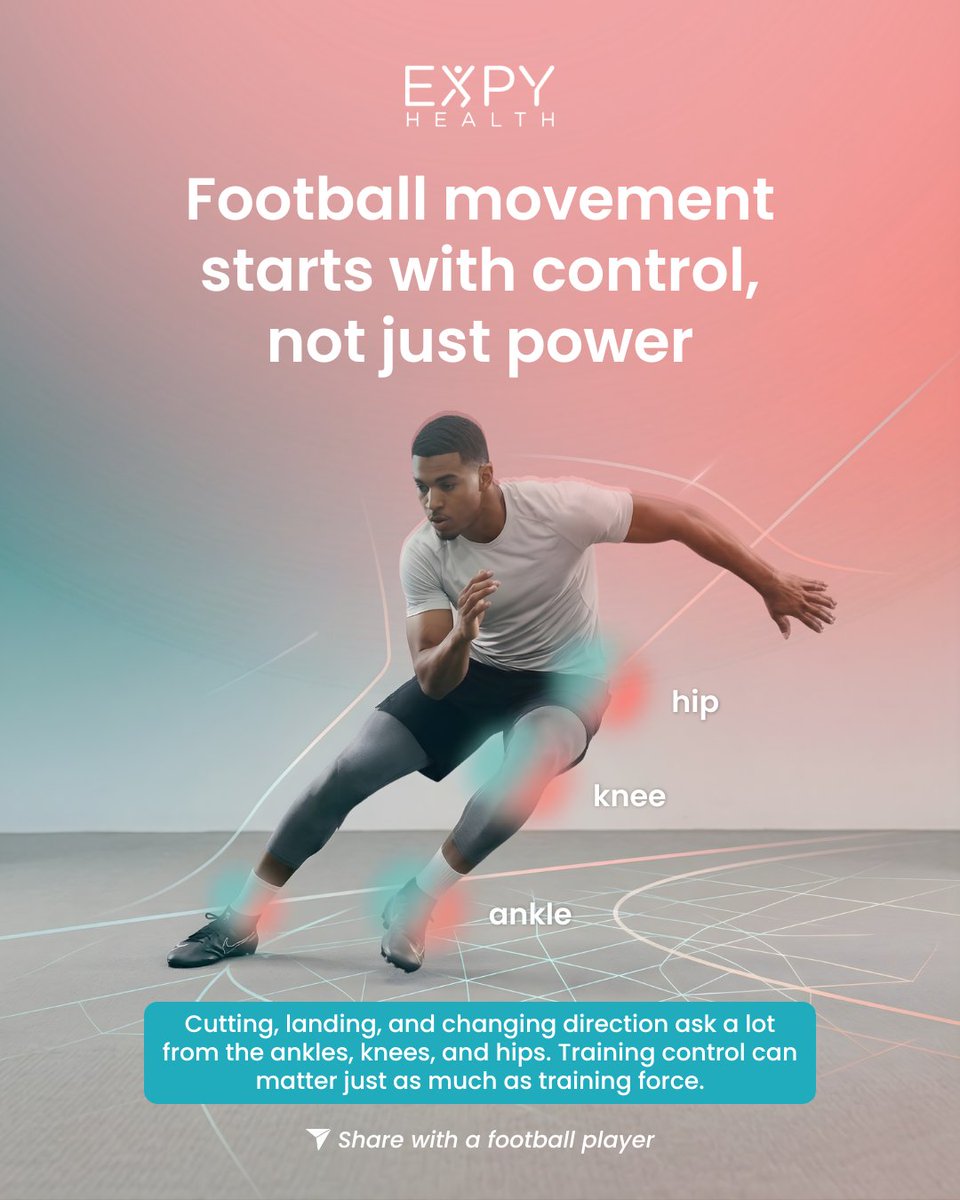
Football is not just about power, it is about control. Every cut, landing, and change of direction challenges your ankles, knees, and hips. Strength matters, but control is what lets you use it. Share this with a football player. #PhysicalTherapy#Football
When a movement feels off, the instinct is to push or stretch more, but small setup changes can make a big difference. Breathing first, stacking joints, and focusing on control can improve how it feels. It’s not about more, it’s about better context. #PhysicalTherapy#Yoga
Low back pain can feel unpredictable, but the back rarely works alone. Your hips, ankles, and trunk all influence how it feels. It’s not just one spot, it’s how everything works together. Seeing the bigger picture can make it feel less random. #PhysicalTherapy#OnlineCare
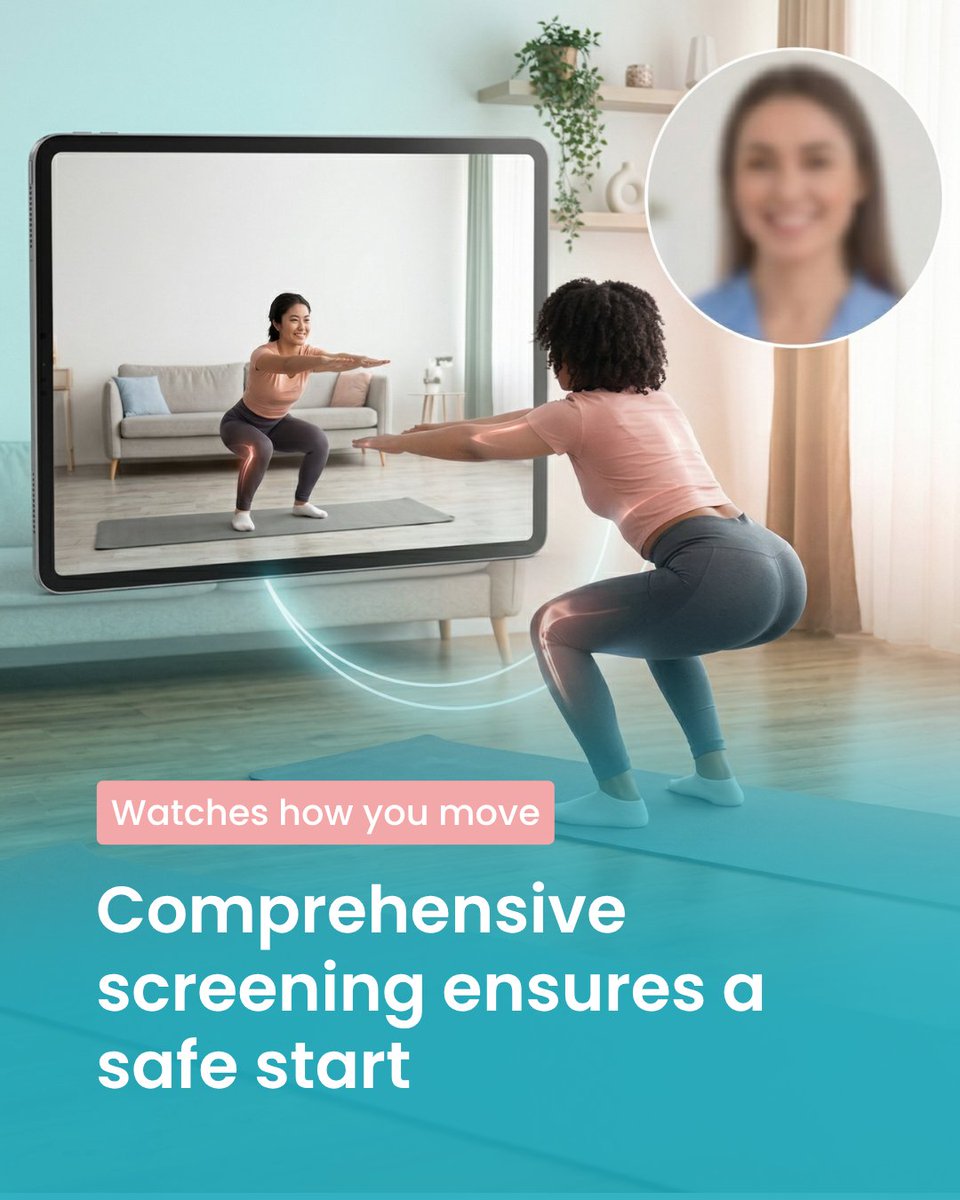
Virtual physical therapy can feel unclear at first. You start with an evaluation, a provider watches how you move, and you get a plan with follow-ups to adjust. It’s real care in a different setting, guided by licensed providers. Check coverage before booking. #PhysicalTherapy
Sitting all day can sneak up on you. A little stiffness here, a little tension there, and suddenly your upper body feels it. It doesn’t take much to reset. A minute of gentle movement for your neck, upper back, and wrists can help break up the day. #PhysicalTherapy#OnlineCare
You don’t need a full workout to feel better. Small movement breaks during the day can help, especially if you sit a lot. A quick walk, a few stretches, even changing positions all count. A little movement done often can reduce stiffness. #PhysicalTherapy#OnlineCare
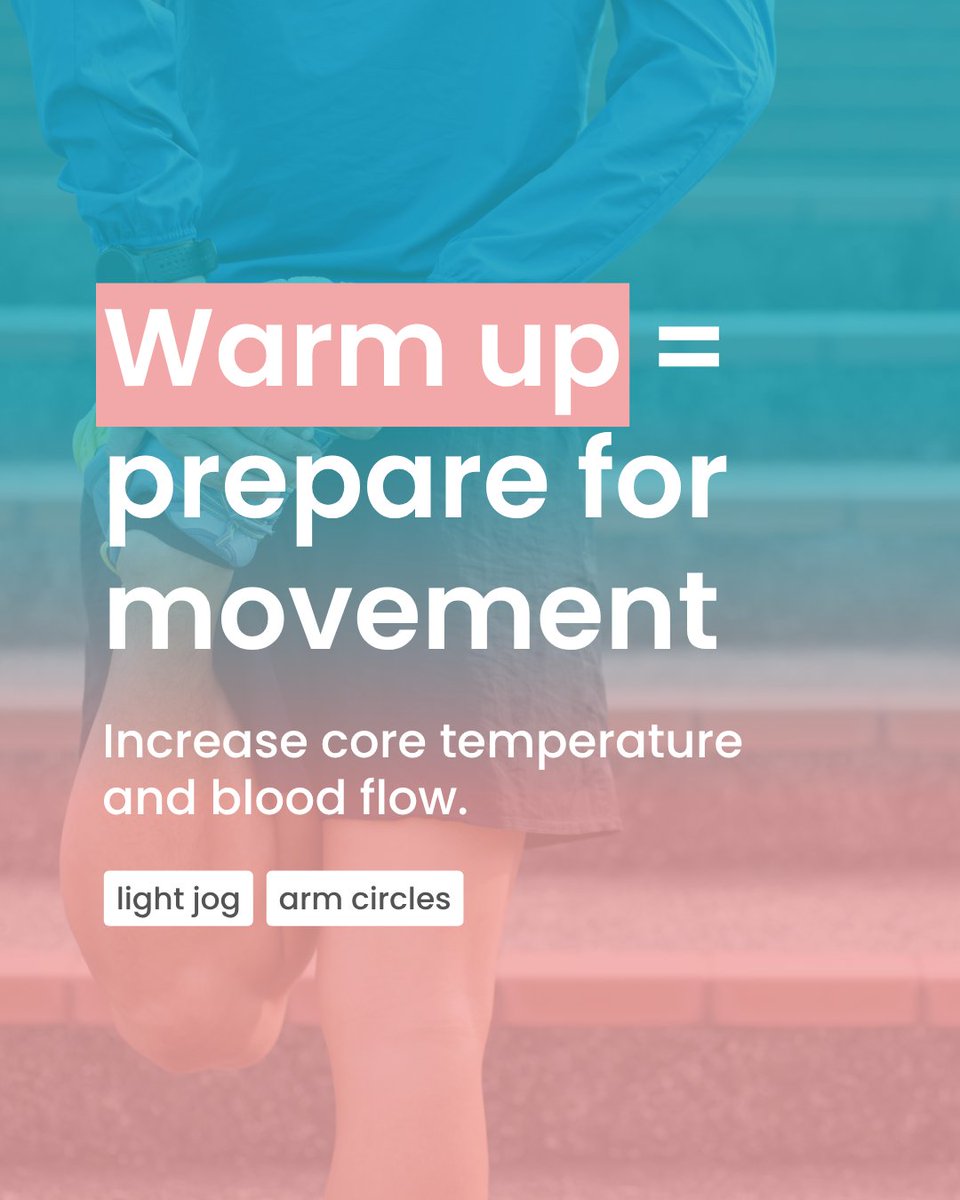
Warm-up, mobility, and stretching get used interchangeably, but they are not the same. A warm-up prepares your body, mobility builds control, and stretching focuses on length. None is better, it depends on what you need. #PhysicalTherapy#OnlineCare