Radioamateur depuis 1995. Passionné par les nouvelles technologies
Technicien radio spécialisée dans l'analyse et la recherche de signaux de brouillage radio.
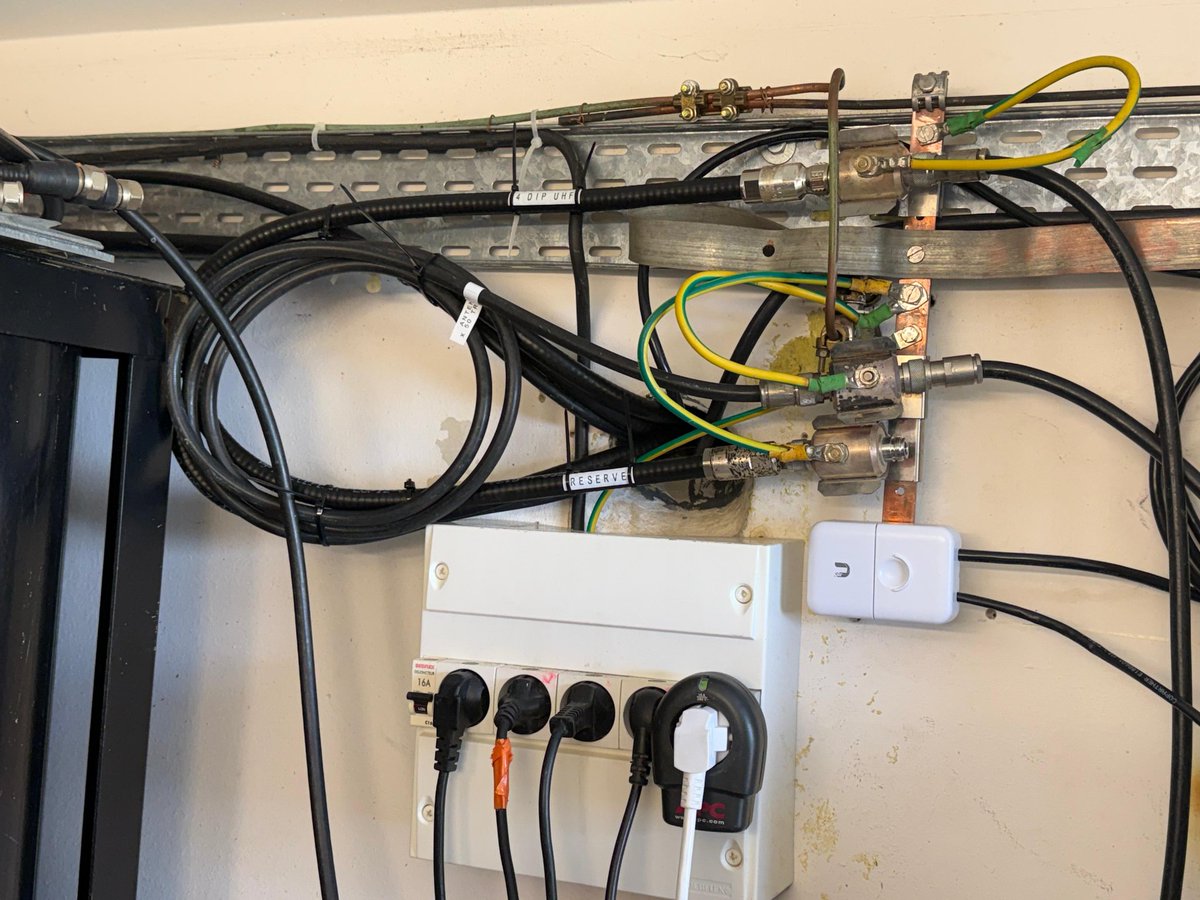
Il y a également un relais UHF en plus du VHF existant.
QRG 439.7125MHz (Voie Descendante) avec -9.4 MHz pour l'attaquer : 430.3125MHz (Voie Montante)
Comme notre convention en region ARA, le CTCSS est à 123Hz.
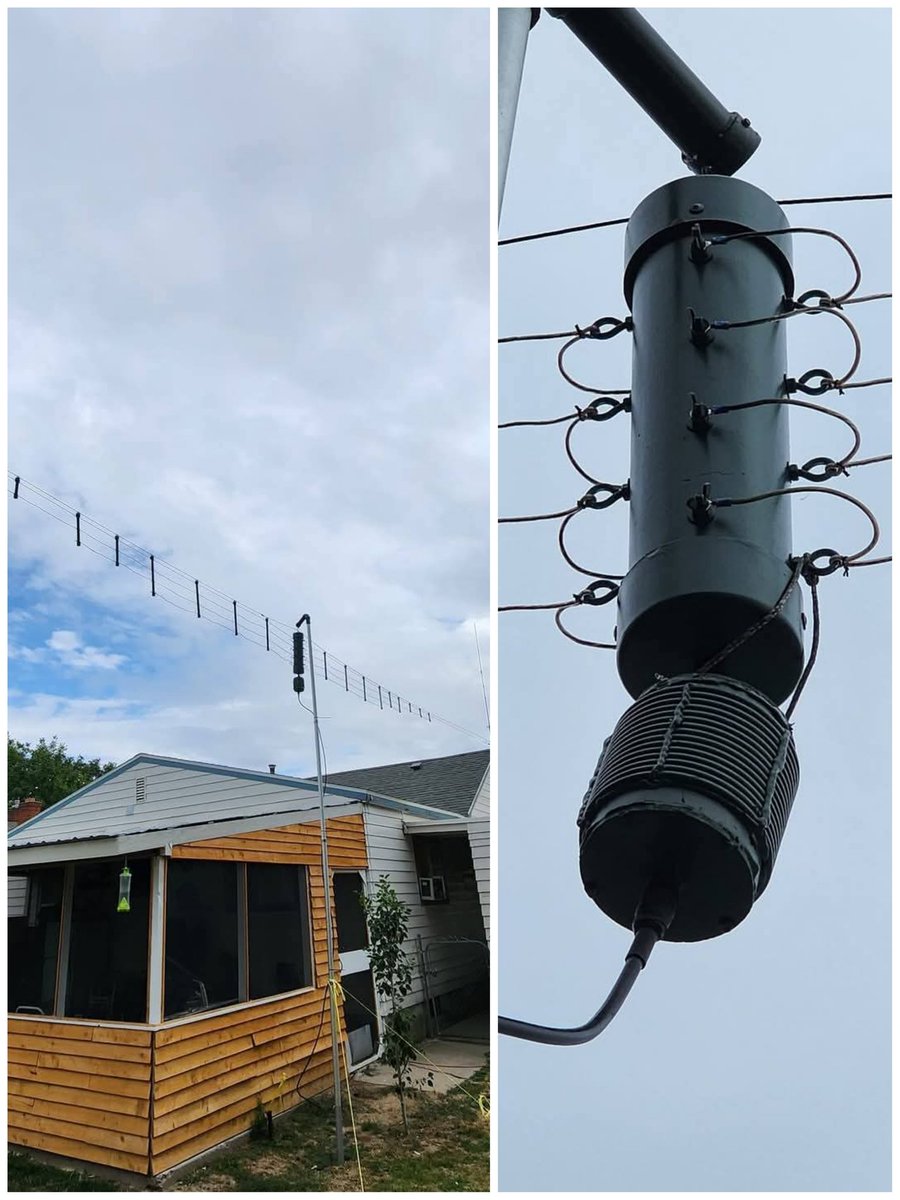
40 Watt dans une antenne Procom (ampheol) de 4 dipôles.
Salut les folower 😉
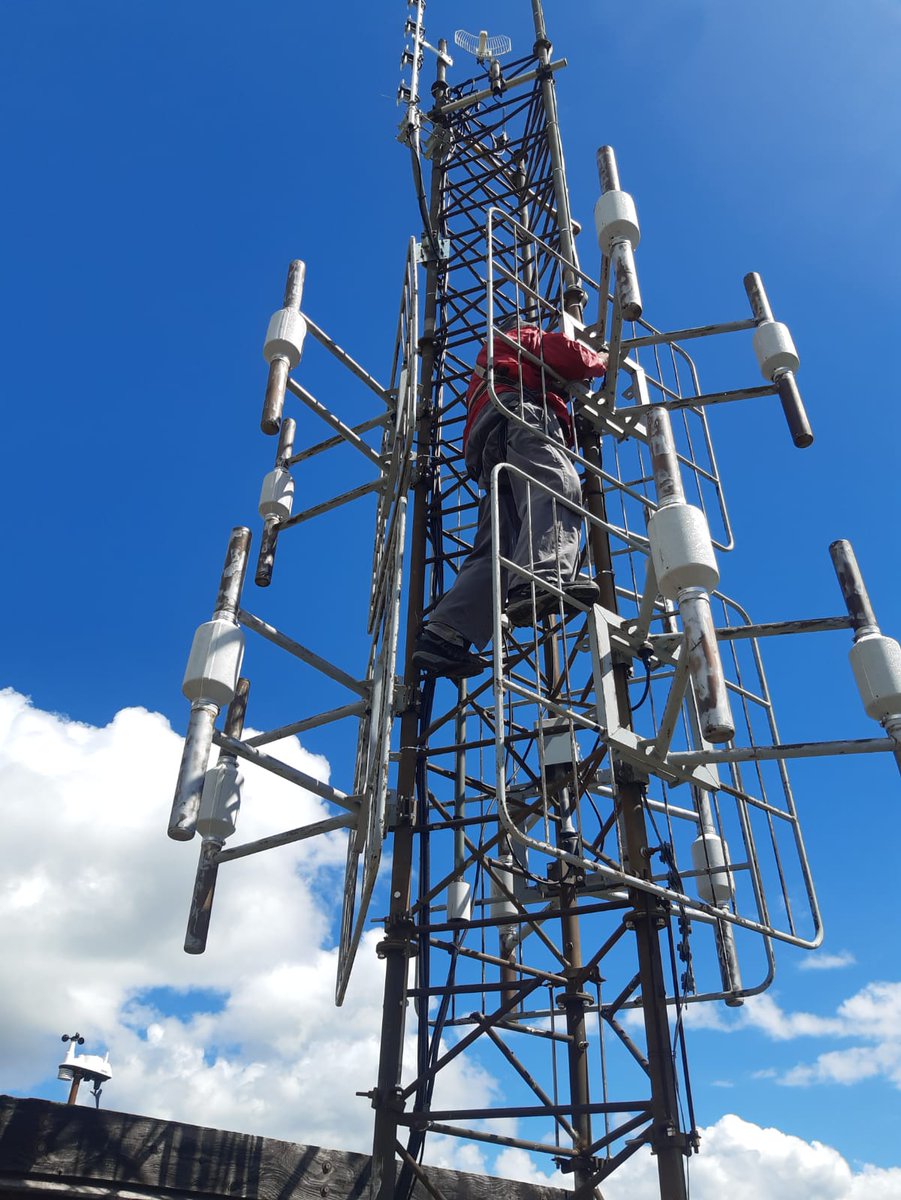
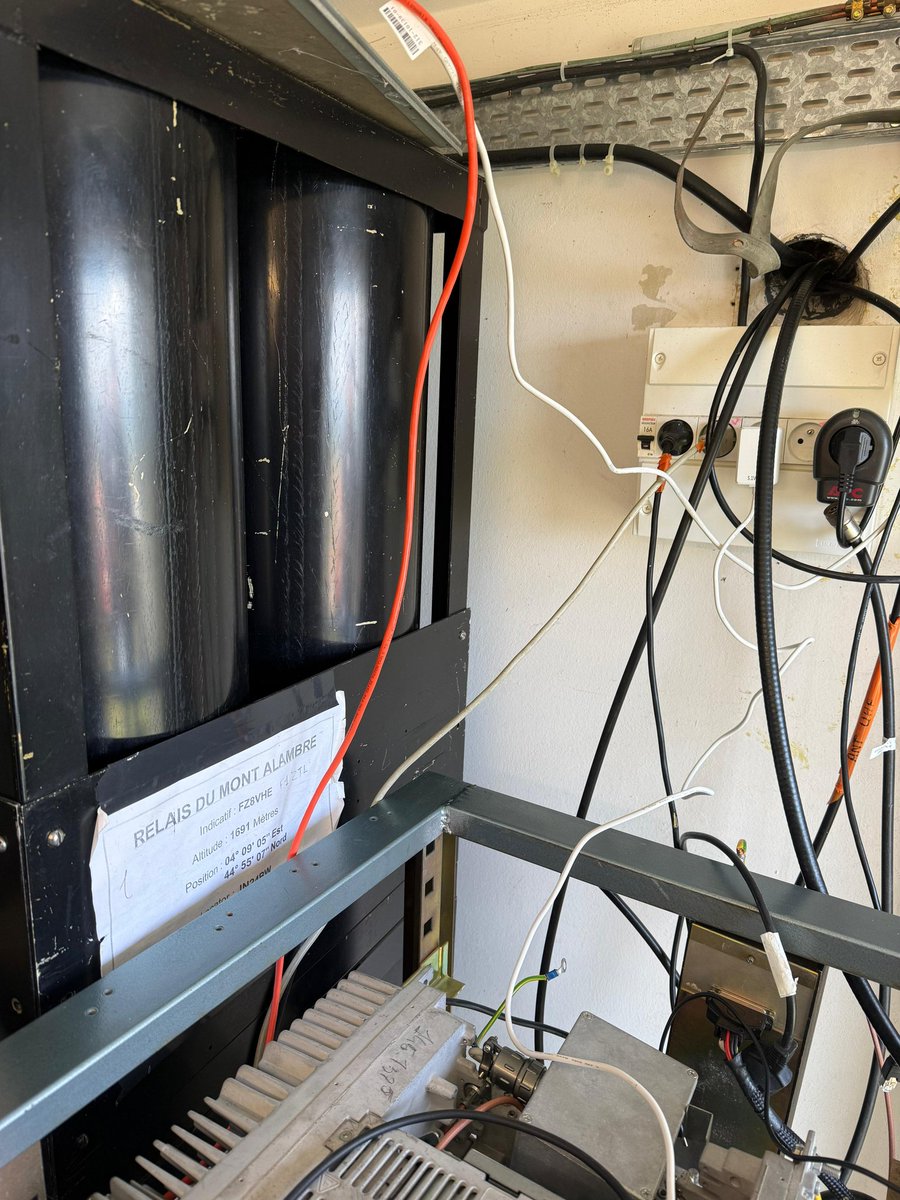
Nous avons récemment refait un passage de maintenance de 3 jours sur le relais du Mont Akambre (43) placé à 1690m.
Il y a un soucis RF sur un des 6 panneaux VHF nous faisons le maximum pour réparer.
Si quelqu'un possède le même modèle nous sommes preneurs😅
@Monwifi_fr Oui. Le Grand Georges 😉
Petite faute de l'interface chaise-clavier ... il s'agit du Mont Alambre (43) Situé sur les hauteurs des Estables 😅
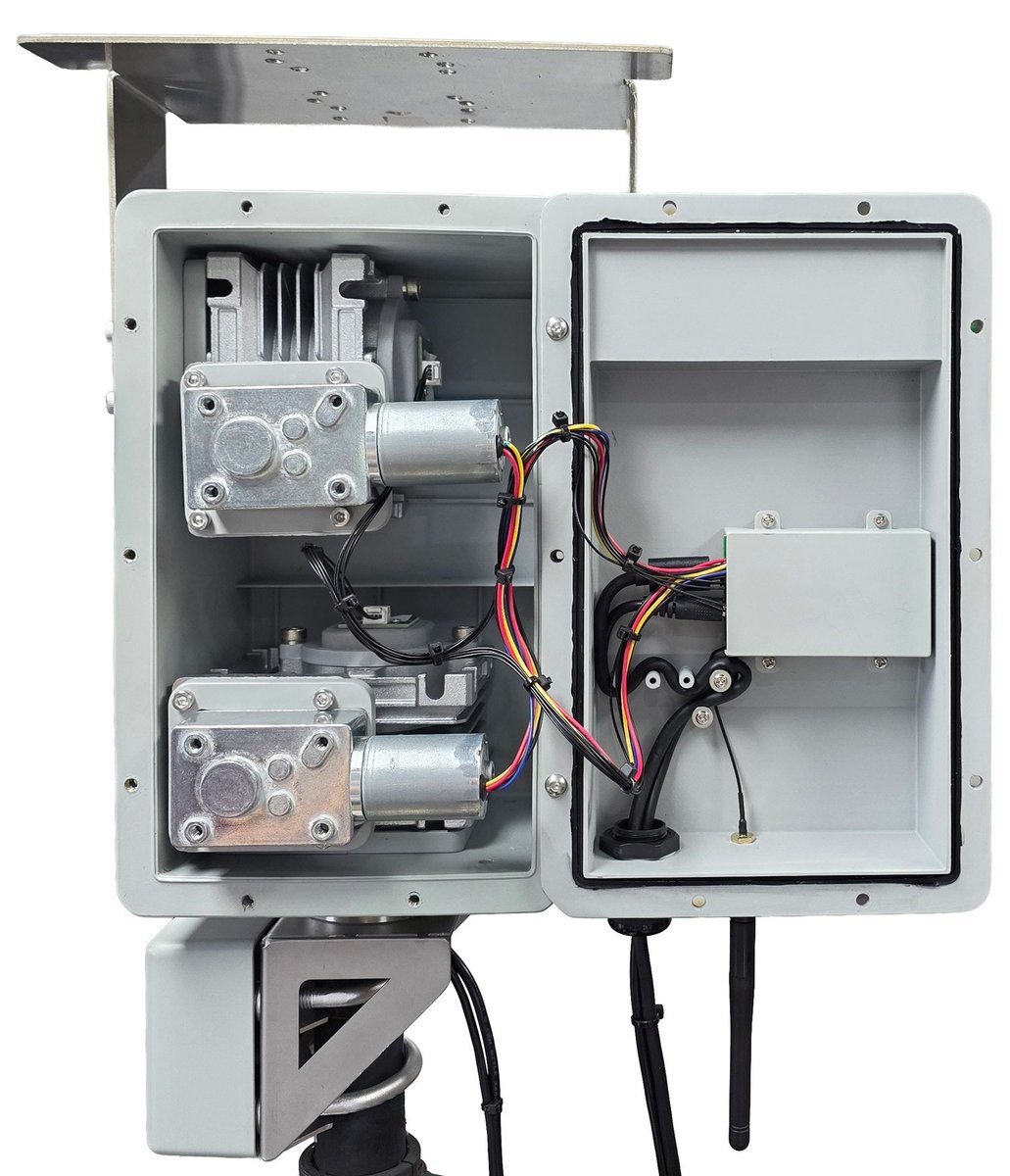
ESP32-S3-based antenna rotator for satellite dishes
https://t.co/Hx8KluEYap
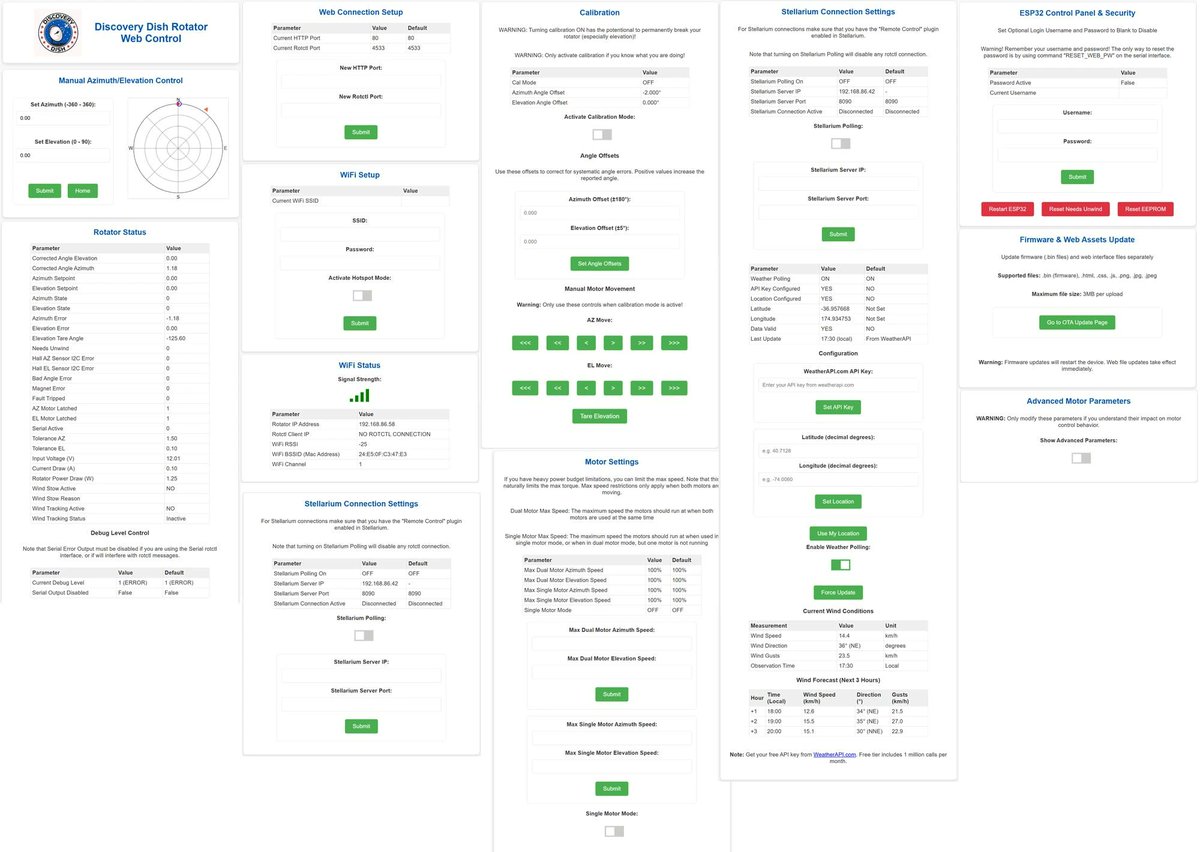
KrakenRF Discovery Drive is a low-cost, plug-and-play, fully weatherproof, automatic azimuth/elevation (Az/El) antenna rotator that works with the company's Discovery Dish and other directional antennas, such as Yagis and Wi-Fi grids, weighing up to 5kg.
It's compatible with SDR and HAM radio ecosystems, and supports the rotctl (Hamlib) protocol over TCP/IP and the EasyComm II protocol over serial. The C++ firmware for the ESP32-S3 control board is open-source.
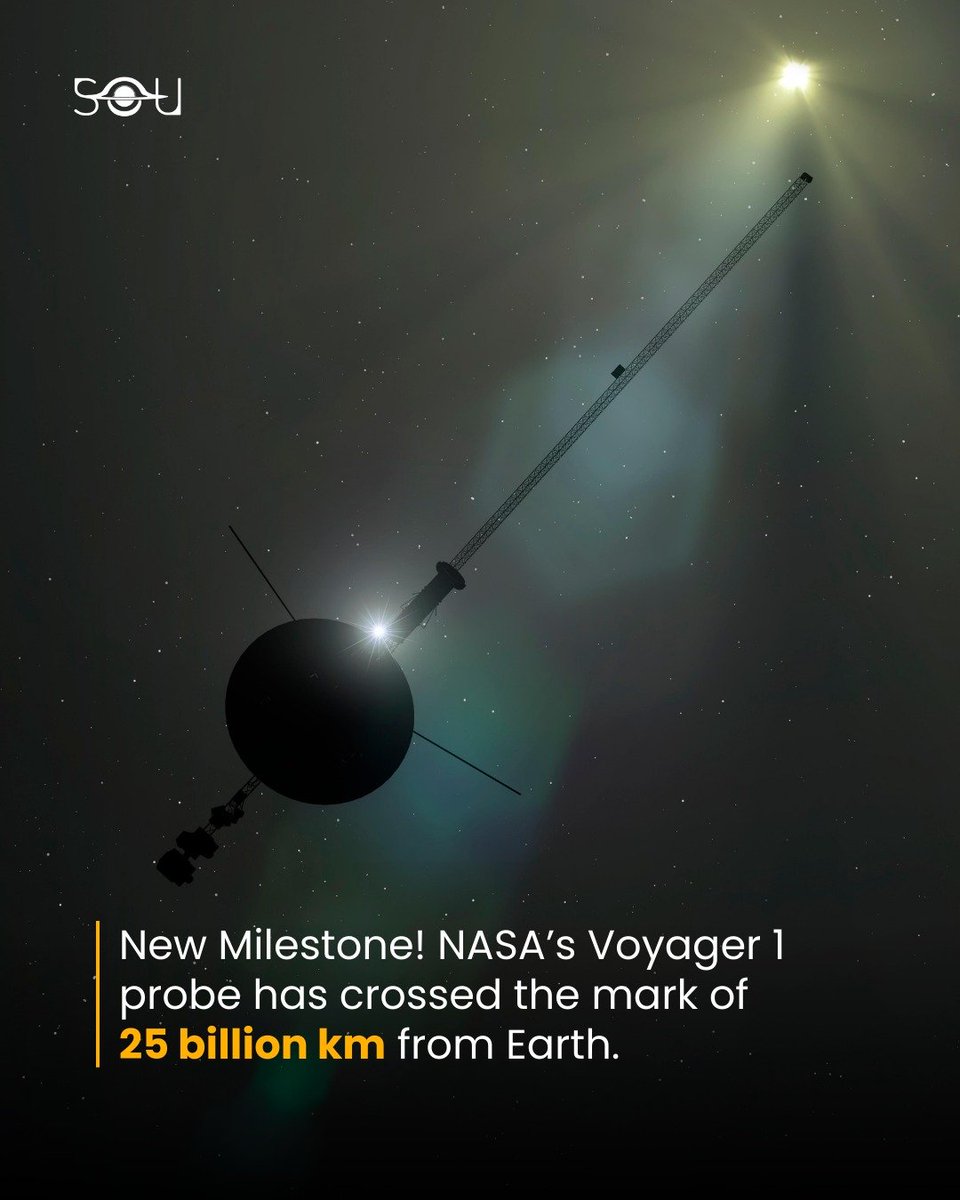
Signals from Earth now take 23 hours and 9 minutes to reach Voyager 1, with the same duration required for a response.
Looking ahead, Voyager 1's next significant milestone will be reaching a distance of one light day (approximately 25.9 billion kilometers) from the Sun, projected for January 2027—coinciding with the fiftieth anniversary of its launch. While it is anticipated that Voyager 1 will still be operational at that time, engineers may need to deactivate some scientific instruments as its radioisotope power sources deplete.
Despite the vast distances involved, these achievements highlight the incredible journey of Voyager 1. For context, Proxima Centauri, the closest star to our solar system, is about 4.24 light-years away, which would take Voyager 1 approximately 74,000 years to reach at its current speed.
🗼 Pylône autoportant de 24m à donner !
En très bon état, à 30km de Nantes (44), appartenant à la radio FM AlternantesFM
⚖️ Poids : 1,1T
✨ État : Très bon
🎁 Prix : Gratuit
RT apprécié pour aider à trouver preneur !
Contact : https://t.co/vH1qJZdRoQ
#Nantes#Pylone
@FG8OJ@f4hwn@pjournel@F4IZC@f5nlg@F4ICI@F4EED en a eu un, je penses qu'il ne conseillera pas.
Il me corrigera mais ; IHM pas pratique, passage en programmation fastidieu...
Fidèles à moi-même, comme d'habitude, je ne te conseillerai pas ICON car on peut dire qu'en ce moment que ça peut te coûter un bras 😅 🧨💥
@HamGeek29 @F6GPX_JeanLuc En même temps le relais R3x à pris la foudre quelques jours avant les JO... donc coupure anticipée .
Je penses que R0x est également encore shutdown....