A good read about moving away from grading 'practice' in the classroom and shifting the focus overall to the mindset of classrooms are for learning and growth. https://t.co/mh1ooAt3M9
“When we look at students through the lens of Maslow before Bloom—then Gardner, Jung, and Goleman—we stop asking only ‘What can they achieve?’ and start asking ‘What do they need, how do they shine, who are they becoming, and how can they connect?’ True education meets the whole child—body, mind, heart, and soul.”
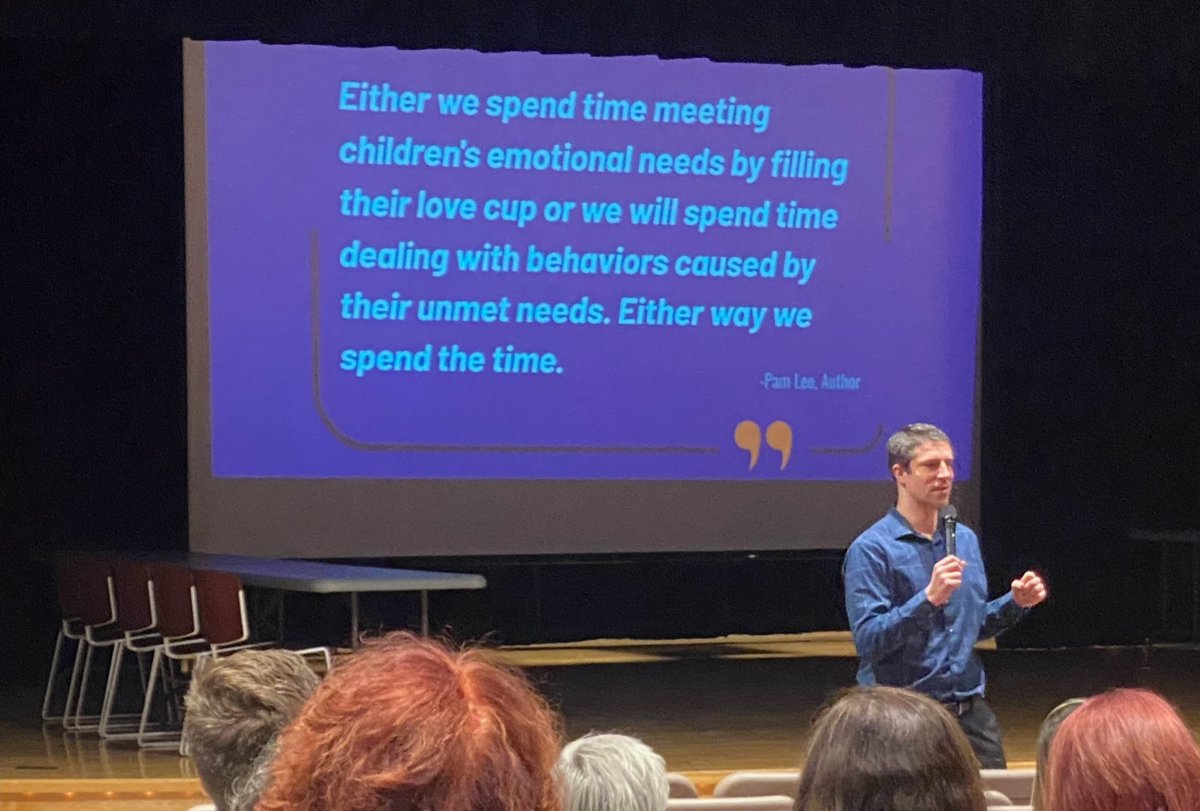
It’s easy to confuse cause and effect—especially in schools, where we often focus on the outward behavior (the effect) without addressing what’s actually driving it (the cause). When we mistake the effect for the cause, we end up trying to “fix” the behavior—through consequences, discipline, or incentives—without ever understanding why it’s happening in the first place. But just like putting a Band-Aid on a fever won’t cure an infection, reacting to symptoms won’t solve the real problem. This is why Maslow Before Bloom is so important: students can’t learn, focus, or behave well if their basic needs—safety, connection, and emotional security—aren’t being met. Behaviors are not the problem; they’re the signal. They are communication. Yet too often, schools punish the symptoms instead of investigating the root causes. Real change only happens when we stop asking, “How do we control this behavior?” and start asking, “What’s this behavior trying to tell us?”
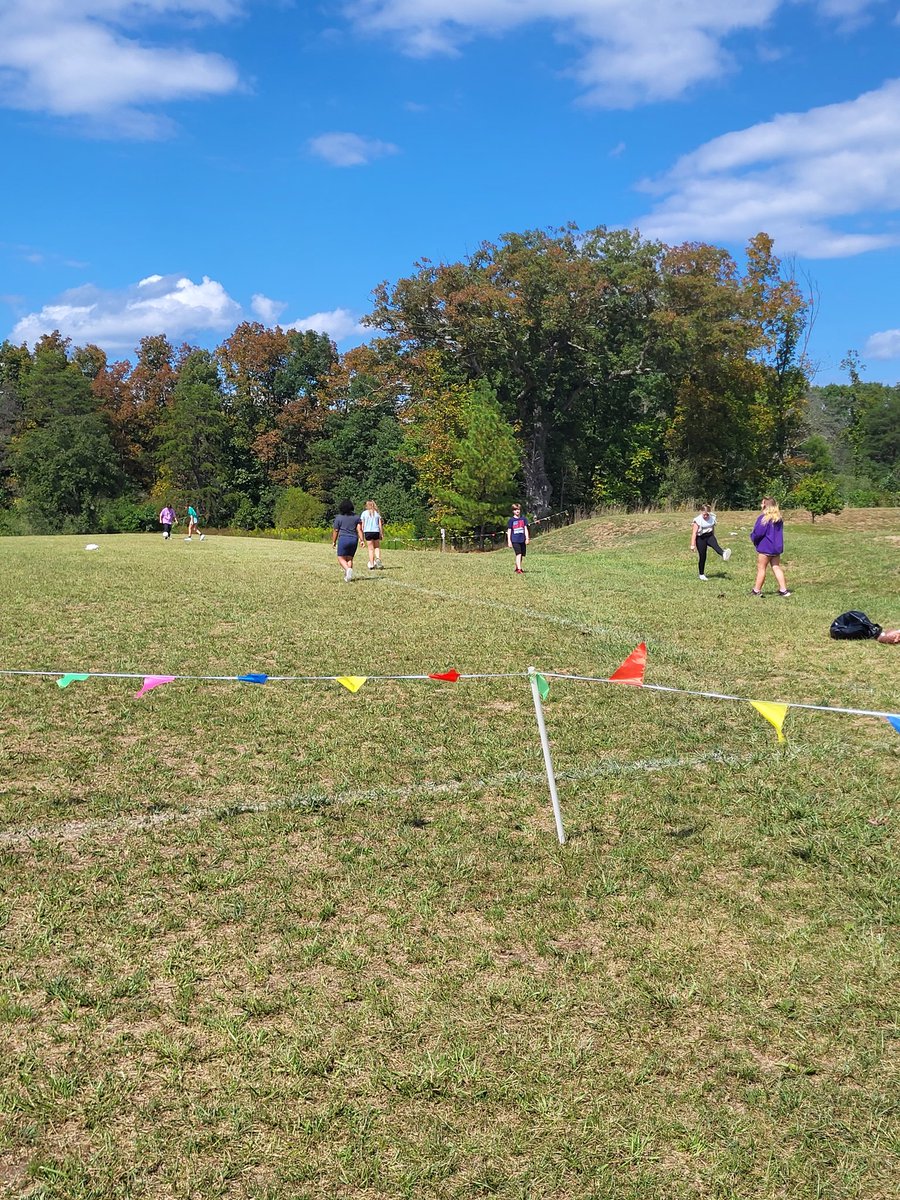
The 2025 version of the FCMS 6th Grade reenactment of Pickett's Charge is in the books. The weather held off for our water balloon reenactment. @DeanFcms@scott_lykins
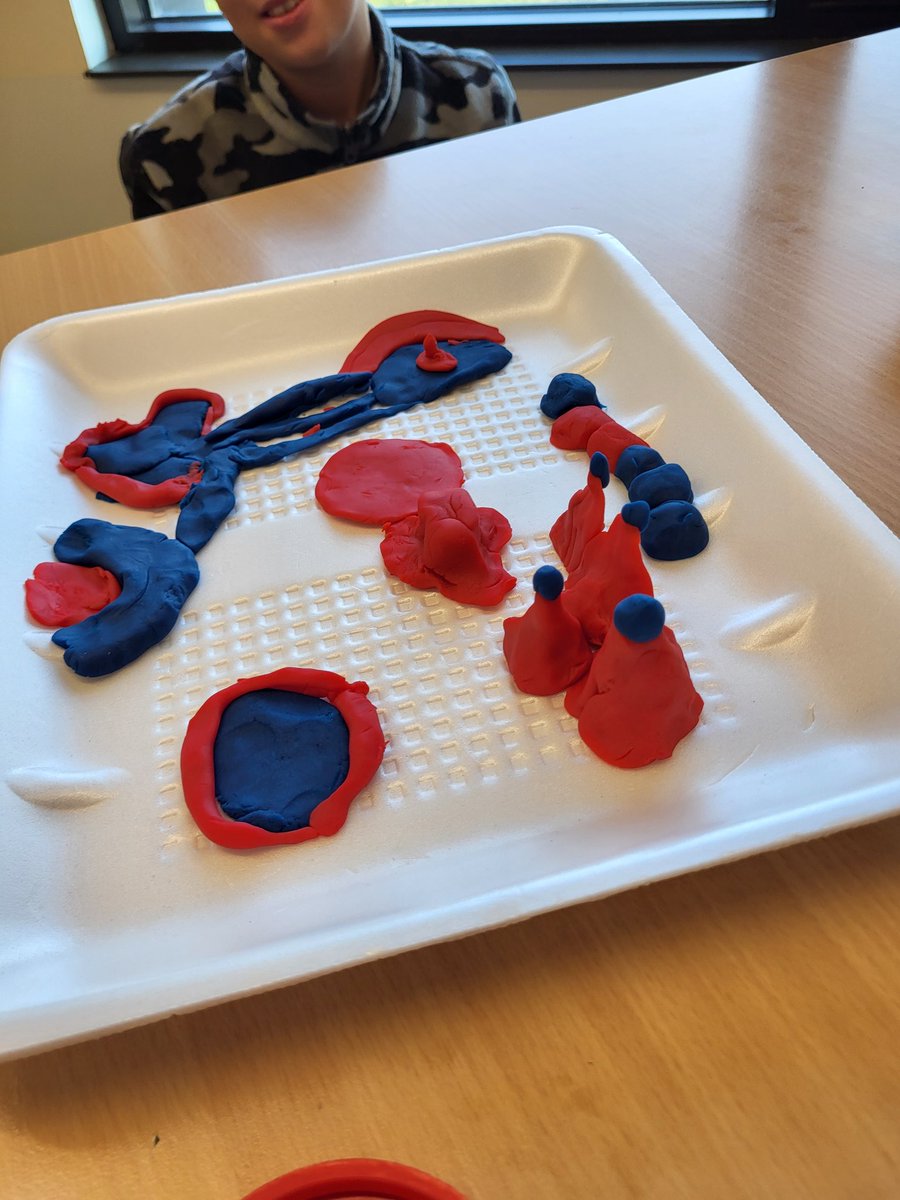
FCMS 6th Grade Scholars work in small groups attempting to create a model of the geographic features using play-doh. @FCMSPrincipal @scott_lykins#FCMSWellBeing4all
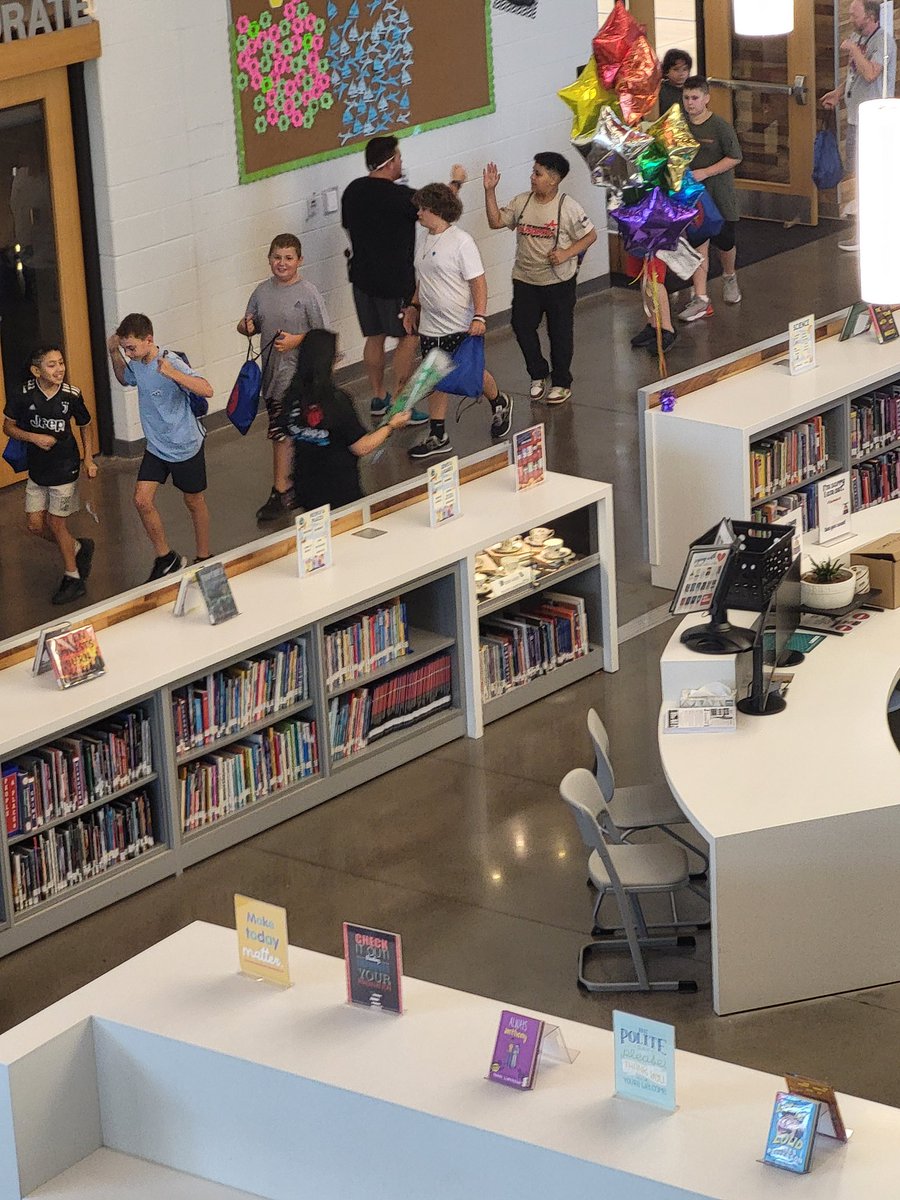
Welcome to FCMS to our new 6th Grade Scholars. A day to explore, get to know, and enjoy what will be your building for the next three years! We enjoyed meeting you! @FCMSPrincipal @scott_lykins#FCMSwellbeing4all
FCMS 6th Grade Scholars reenacting Pickett's Charge and the advantage of the high ground with the Union defending with water balloons. @FCMSPrincipal @scott_lykins#FCMSwellbeing4all#FCMSweconnect
Spent the day being inspired by @tguskey with fellow @FCPSk12 colleagues as he provided thought-provoking ideas in how to make grading and grade reporting more meaningful and authentic for all. Looking forward to this journey!
As part of a group looking at grading practices, I find this timely. The last section on Starting Points for Grading Reform could be the starting point when looking to move from grading practices that are often over a century old. https://t.co/l7ODL4nIBO
First day for 6th grade scholars to choose their own activity for Flex Time at the end of their day. A great day from #FCMSWellbeingforall! @FCMSPrincipal @scott_lykins
NEW: 8 Ways to Help Tweens Take Academic Risks.
@AMLE#middleschool
Tweens think in polarities & will go to great lengths to avoid embarrassment at school, writes @Pfagell. Here are 8 ways educators can help them learn to take academic and social risks.
https://t.co/v7tex6IiY1
@rickwormeli2's latest is essential in thinking about grading & assessing general education students identified as needing supports through the lens of standards based assessment. A good read about grading practices in general not just for these groups. https://t.co/xgh8JEk94N
"Grades are not only statistically useless, they have been acting as academic gatekeepers for millions of students, unjustly sorting, sifting, and selecting which students get to go where and why. " https://t.co/uQshrXRBFT
Just arrived from @RoutledgeEOE & Jason Kennedy @letsquitteachin I am hooked & still in chapter 1! Recommend for everyone, especially for those ready to shift the paradigm away from how school has been done for over a century & focus on designing student learning opportunities!