A correspondence piece announcing the main goals of the European Reference Genome Atlas initiative was just published in @Nature!
https://t.co/DZbPuNYd6q
Join our mission as we work to enable the production of reference #genomes of European eukaryotic #Biodiversity at scale
🧬Express barcoding: NextGenPCR revolutionized COVID detection - now it's accelerating DNA barcoding🐝🐞! See how 2 students barcode 250 flies 🪰 in 6 hrs with equipment that fits on a lab bench: better and faster than morphospecies sorting. Video 1 of 2: https://t.co/FNutc34UIN
Officially approved last year, this year begins our new POLINES project focused on metabarcoding analysis of pollinator biodiversity. So looking forward to the first season 🐝🦟🐞🪰🪳
Our first truly in-depth barcoding gap analysis, based on exhaustive faunistic and taxonomic data, describing real state and the steps needed to improve the status published in @STOTEN_journal. Many thanks to @DNAquaNet who initiated its creation. https://t.co/3tZKbZ0emT
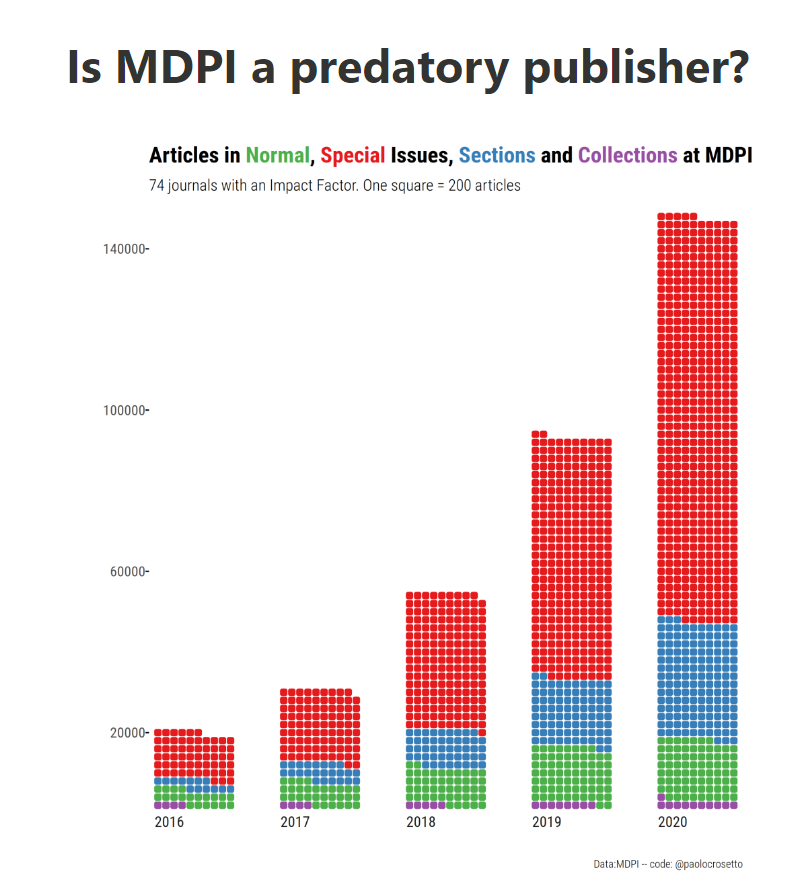
In case you have not seen the excellent blog by @PaoloCrosetto.
And the answer is? It is both: @MDPIOpenAccess uses predatory practices while also publishing quality content.
https://t.co/hRIvB342Cp
Tiny urban forests can help #rewild urban settings and help fight #climatechange. The brainchild of the Japanese botanist Miyawaki is taking his idea global.
We have so many solutions. Let's stop the delays and implement them. #ActOnClimate#climate#forests#nature
Just in time for #EarthDay: proud of this video produced with @dia_logos on cutting-edge methods used by Fryxell & colleagues @CBG_UofG to study insects on farms.
Knowledge mobilization project funded by @UofG_FfT
https://t.co/l5FKT3DtmV