FEDS Notes are research articles by Federal Reserve Board economists, their own views / analysis in economics & finance & international Unofficial account.
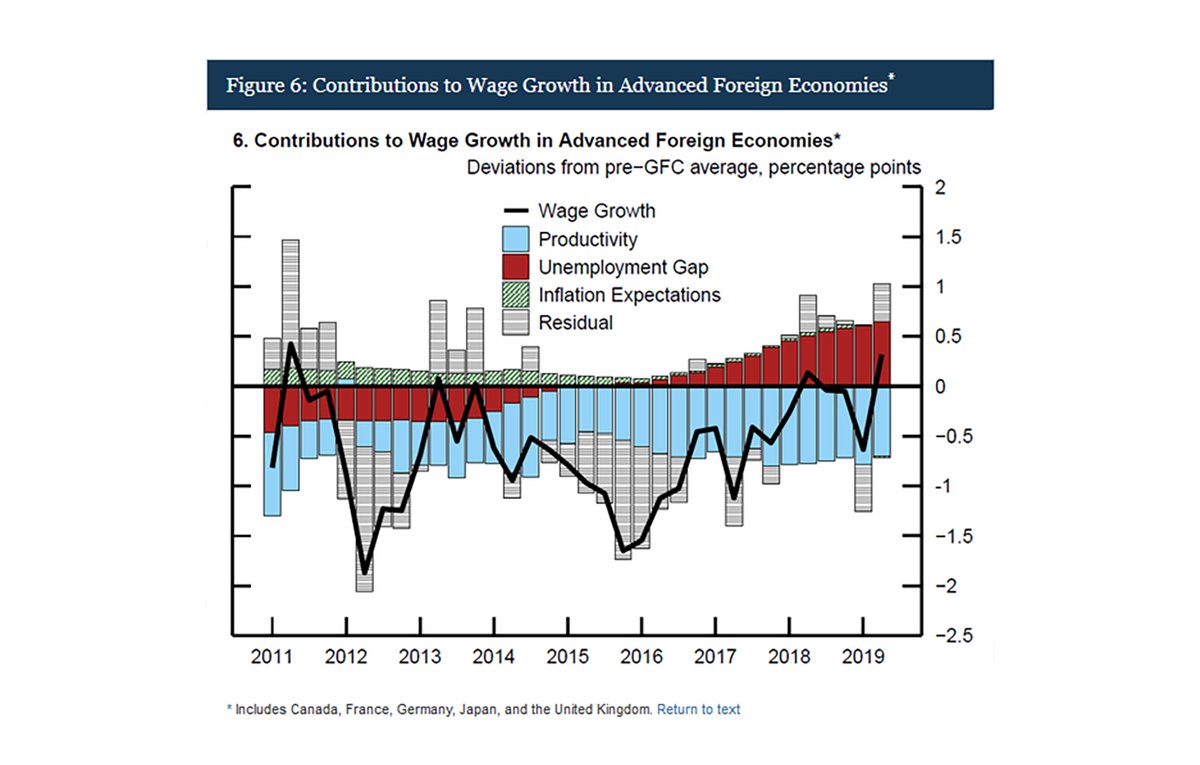
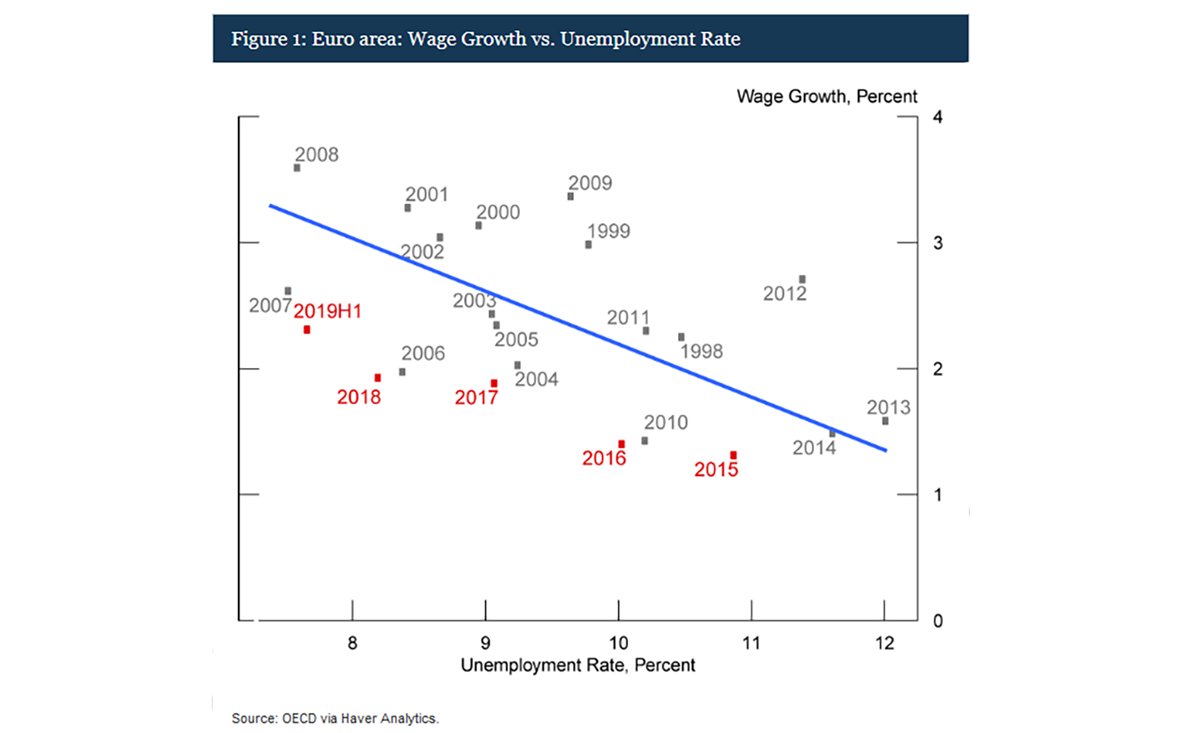
Slower productivity growth and lower natural rates of unemployment explain much of the recent weakness in wage growth. Controlling for these factors, we find that tighter labor markets have put upward pressure on wages (2/2): https://t.co/AZby7GaHJI #FedResearch
Why has wage growth remained relatively subdued in numerous advanced economies, even as unemployment rates have fallen to/near historical lows? A new #FEDSNote analyzes wage growth in Canada, France, Germany, Japan, and UK (1/2): https://t.co/AZby7GaHJI #EconTwitter
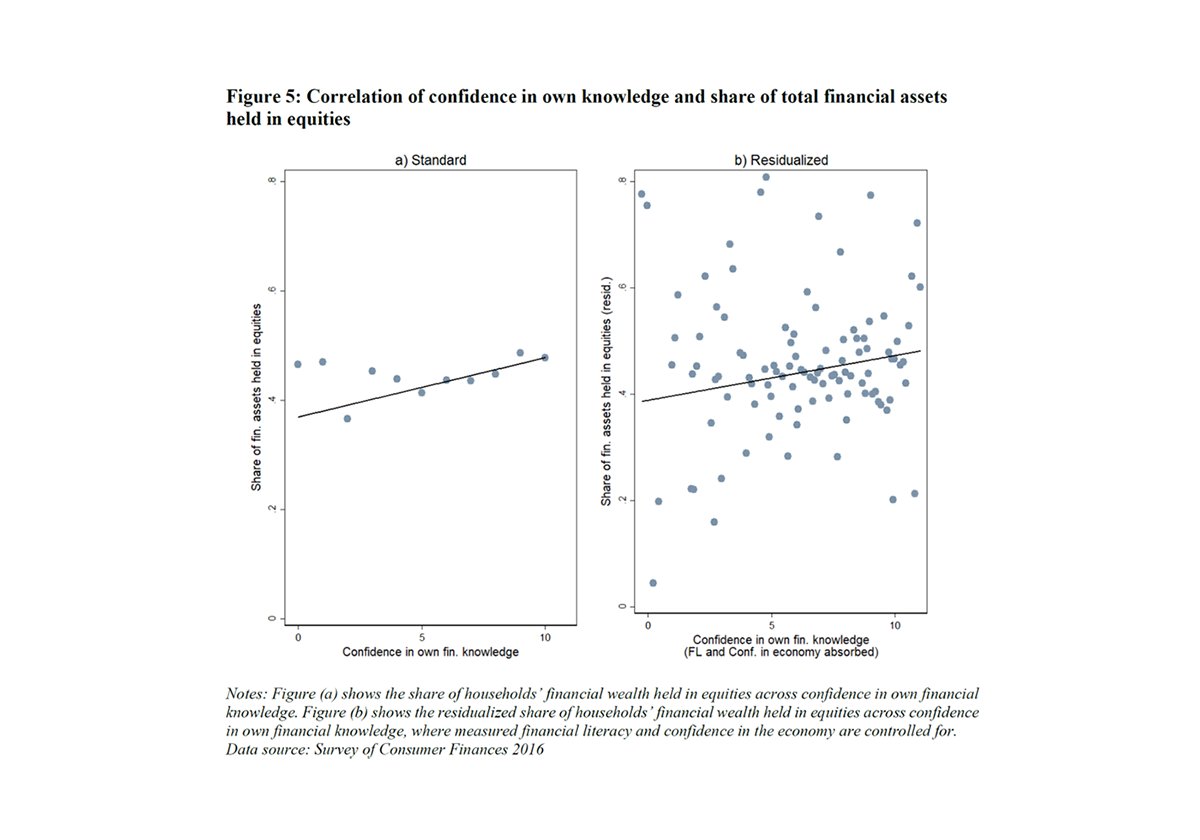
Though households aren't professional traders, confidence in future economic development also shapes household investment decisions: https://t.co/0NxDir8R2m (2/2)
Financial literacy and confidence in own financial knowledge increase participation in risky assets, but not the share of wealth held in those assets (1/2): https://t.co/0NxDir8R2m #FEDSPaper#EconTwitter
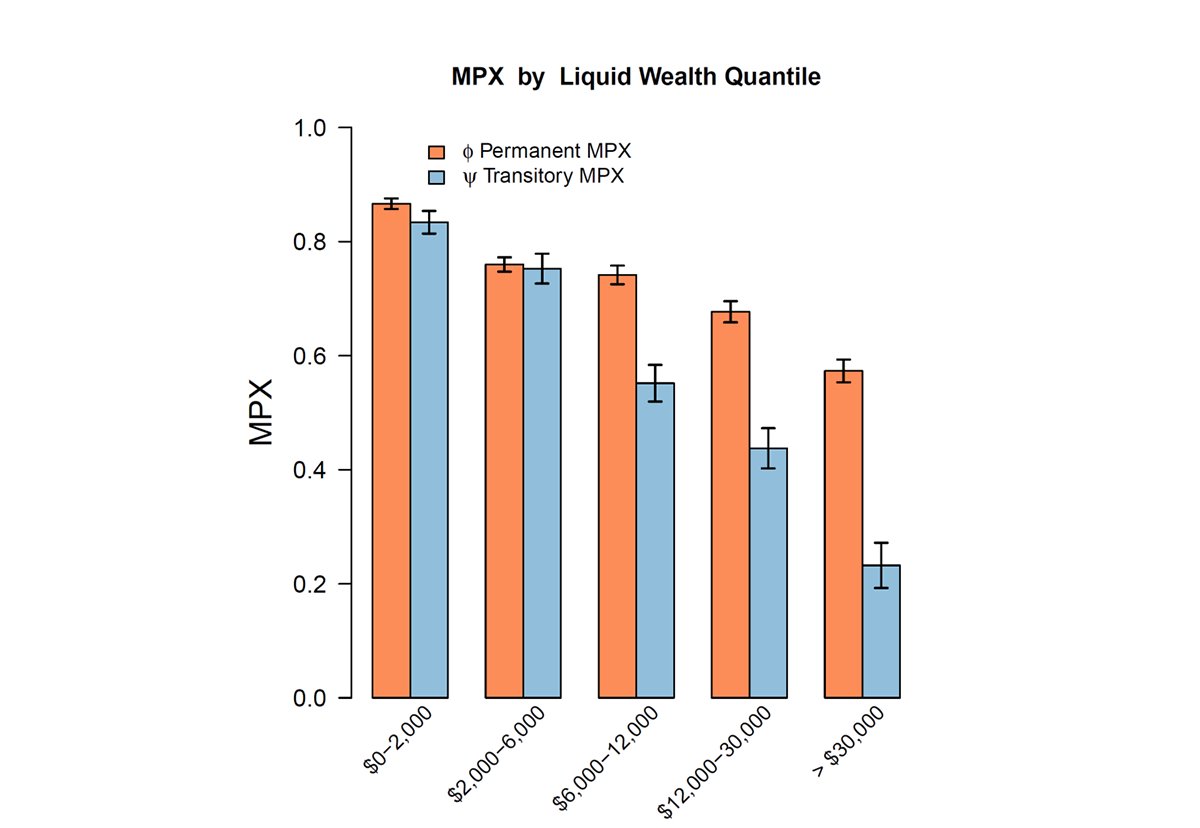
Households' marginal propensity to consume varies systematically and in ways that are important for macro. We develop a new method to measure MPCs and uncover clear heterogeneity in administrative data: https://t.co/VE43pRWiEN #FEDSPapers#EconTwitter
ETFs have become a popular tool for investors and made it easier to hold emerging market assets. New #IFDPpaper shows that flows to EM ETFs are more than twice as sensitive to global financial conditions than flows to EM mutual funds: https://t.co/9bVQpXUIK4 #EconTwitter
thank you 🙏 everyone who followed this unofficial account ... we’ve now got an official @FedResearch ... that’s your new source for excellent research from the Board 🎉🎉🎉
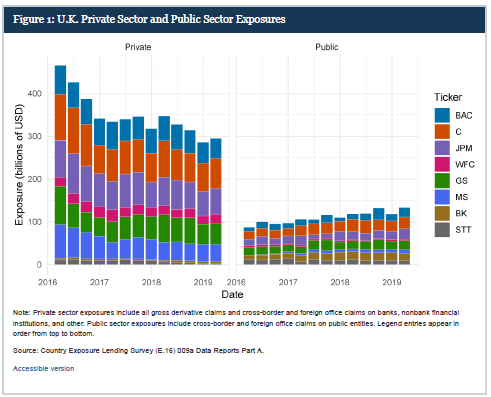
"Assessing Major Country Exposures of U.S. Banks Using 009a Data Reports: A Brexit Case Study"
Alexander H. von Hafften
"U.K. and E.U. exposures of U.S. global systemically important banks (G-SIBs) have changed since the Brexit referendum"
https://t.co/IWcuSZcAYZ
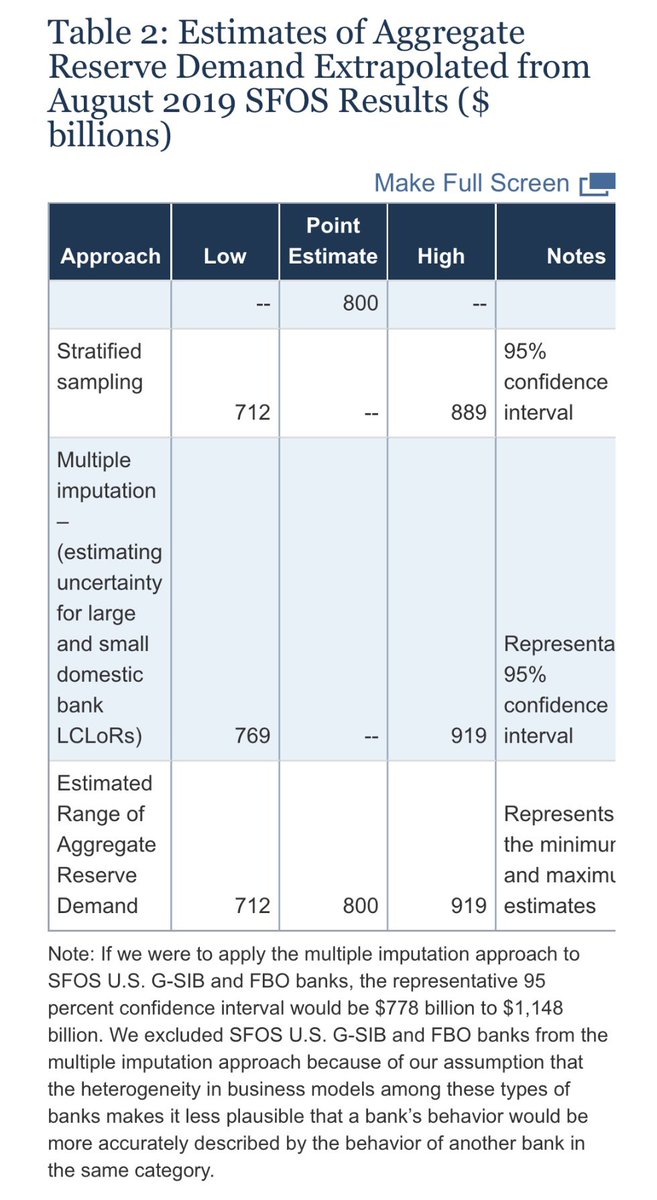
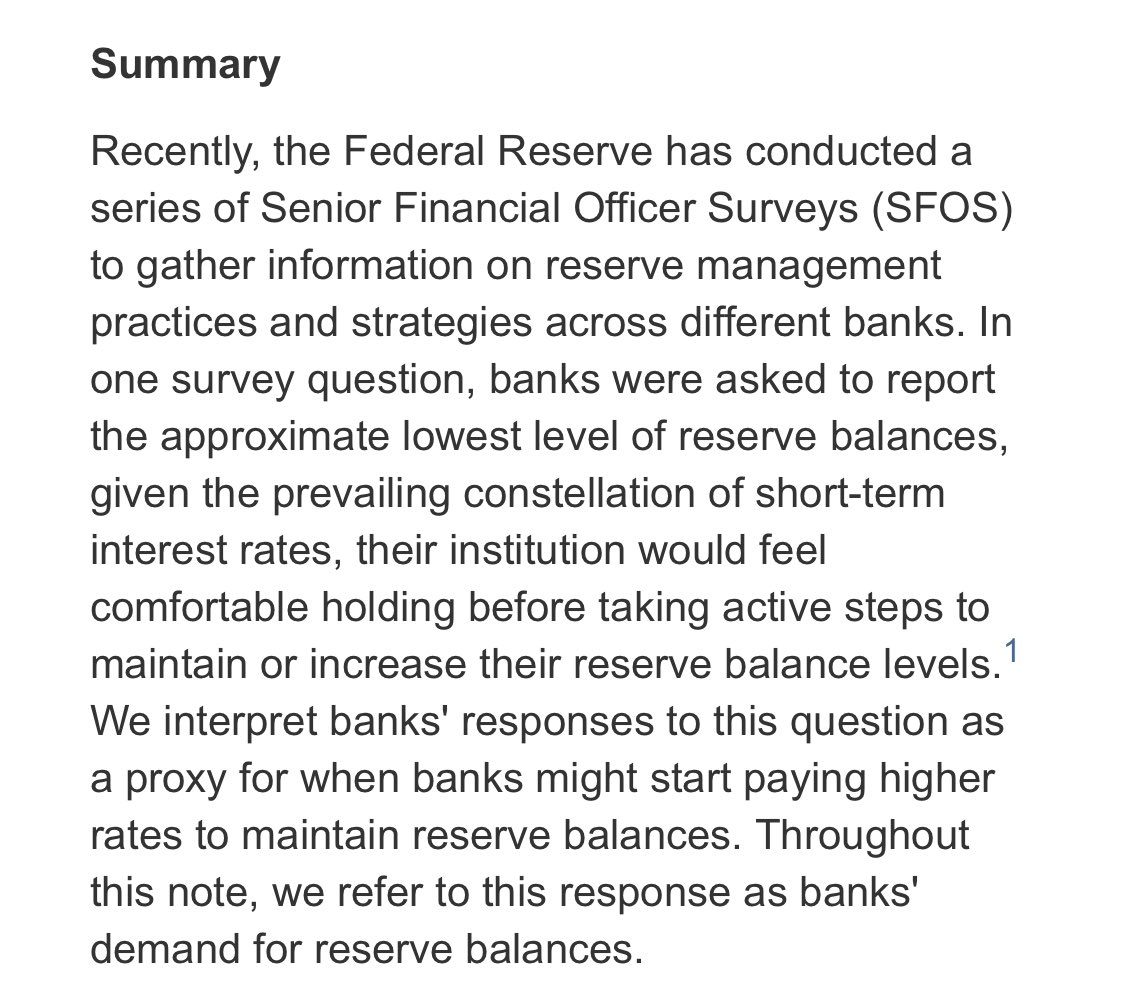
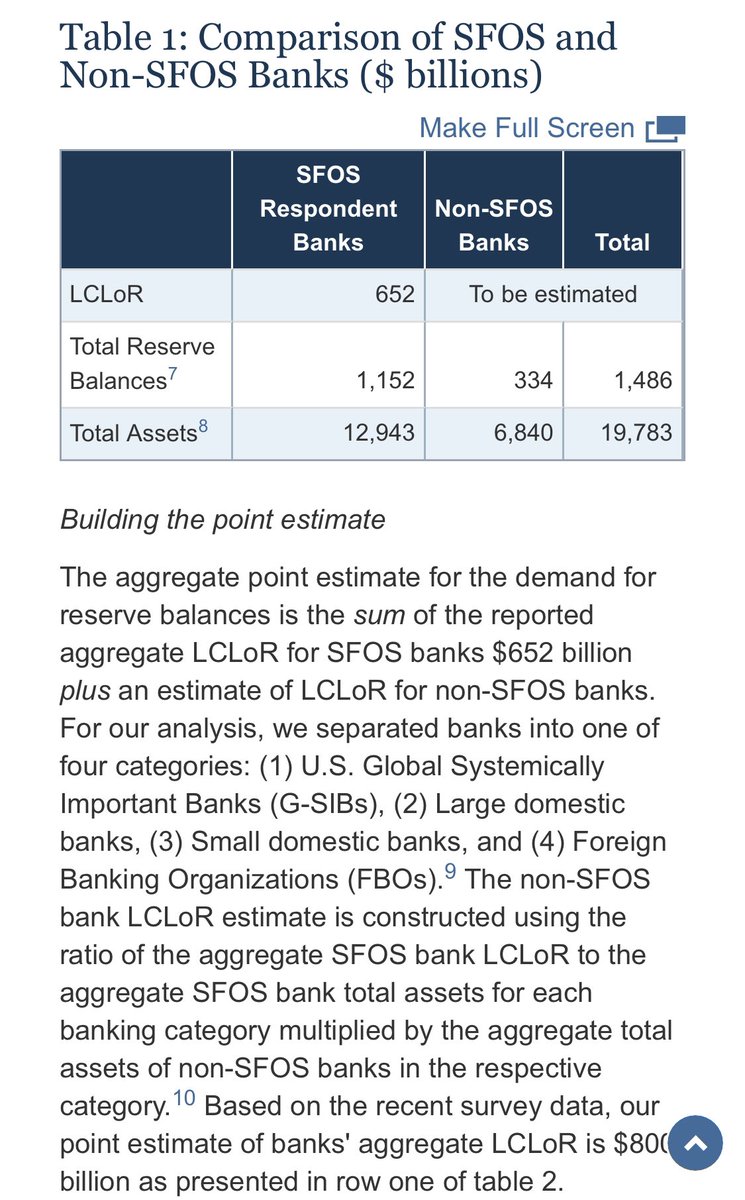
“Approaches to Estimating Aggregate Demand for Reserve Balances”
by Joseph Andros (Federal Reserve Bank of New York), Michael Beall, Francis Martinez, Tony Rodrigues (Federal Reserve Bank of New York), Mary-Frances Styczynski, Alex Thorp (Federal Reserve Bank of New York)
“Approaches to Estimating Aggregate Demand for Reserve Balances”
by Joseph Andros (Federal Reserve Bank of New York), Michael Beall, Francis Martinez, Tony Rodrigues (Federal Reserve Bank of New York), Mary-Frances Styczynski, Alex Thorp (Federal Reserve Bank of New York)