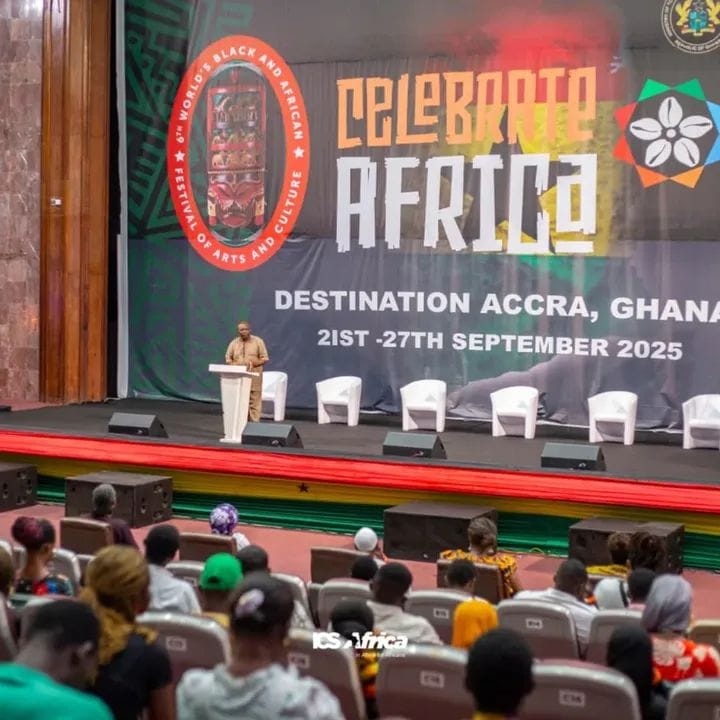
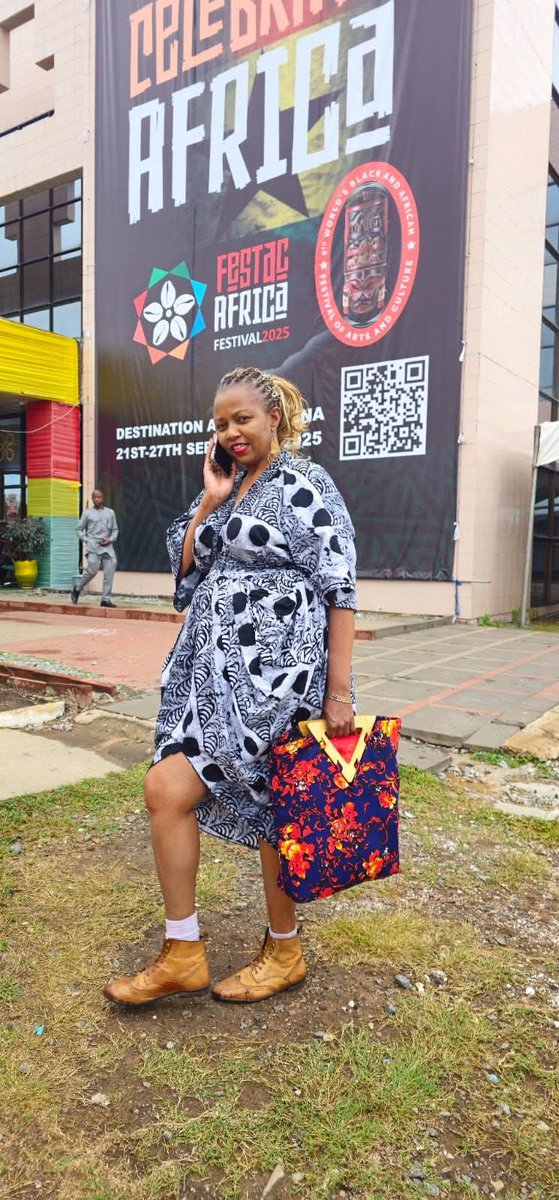
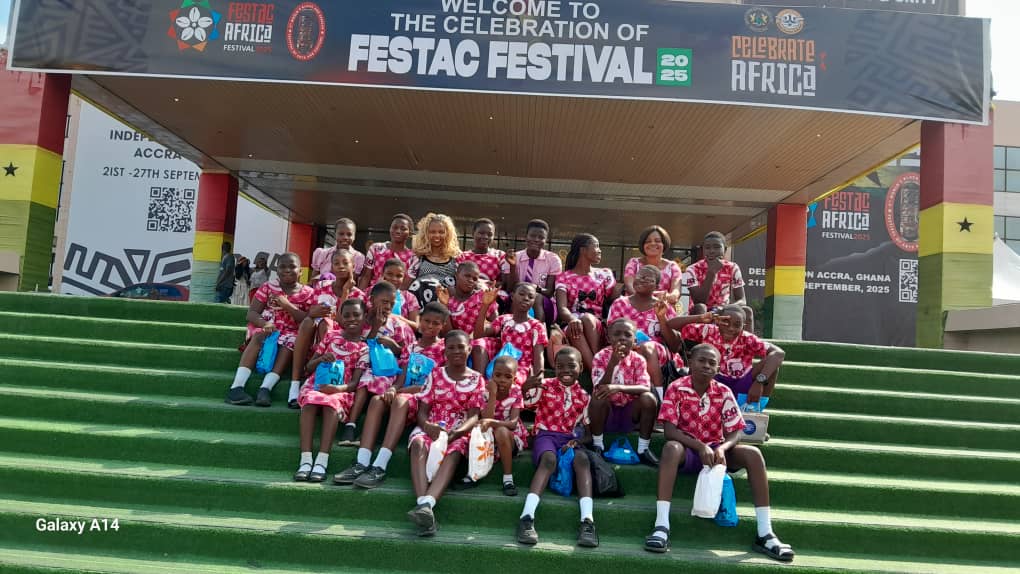
With less than two months to go before FESTAC AFRICA 2025, top-tier preparations are in full swing.
Stay informed—subscribe to our weekly newsletter for timely updates on everything going on at FESTAC AFRICA.
https://t.co/hs7MlQyPrg
#PanAfricanism
Admin post alert:
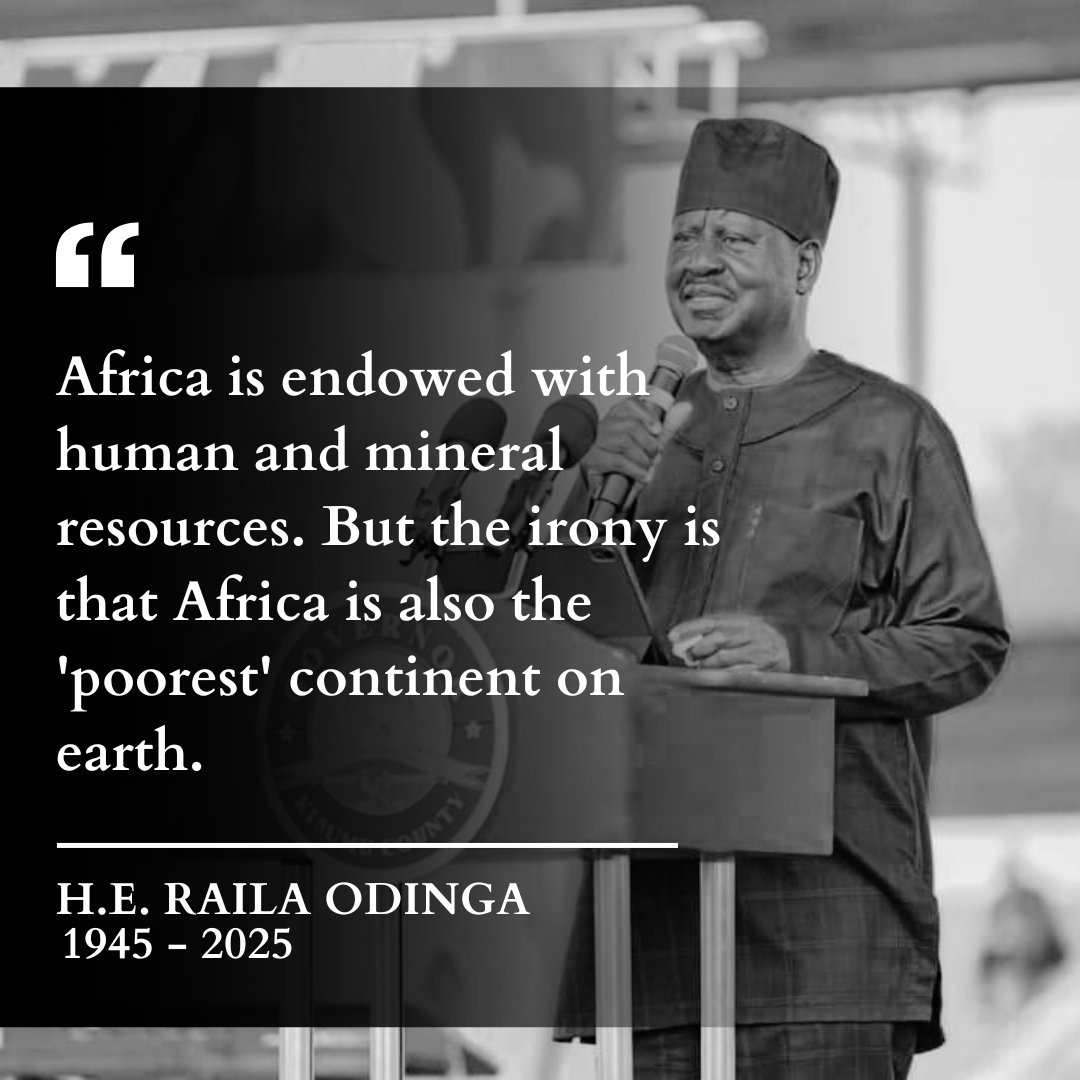
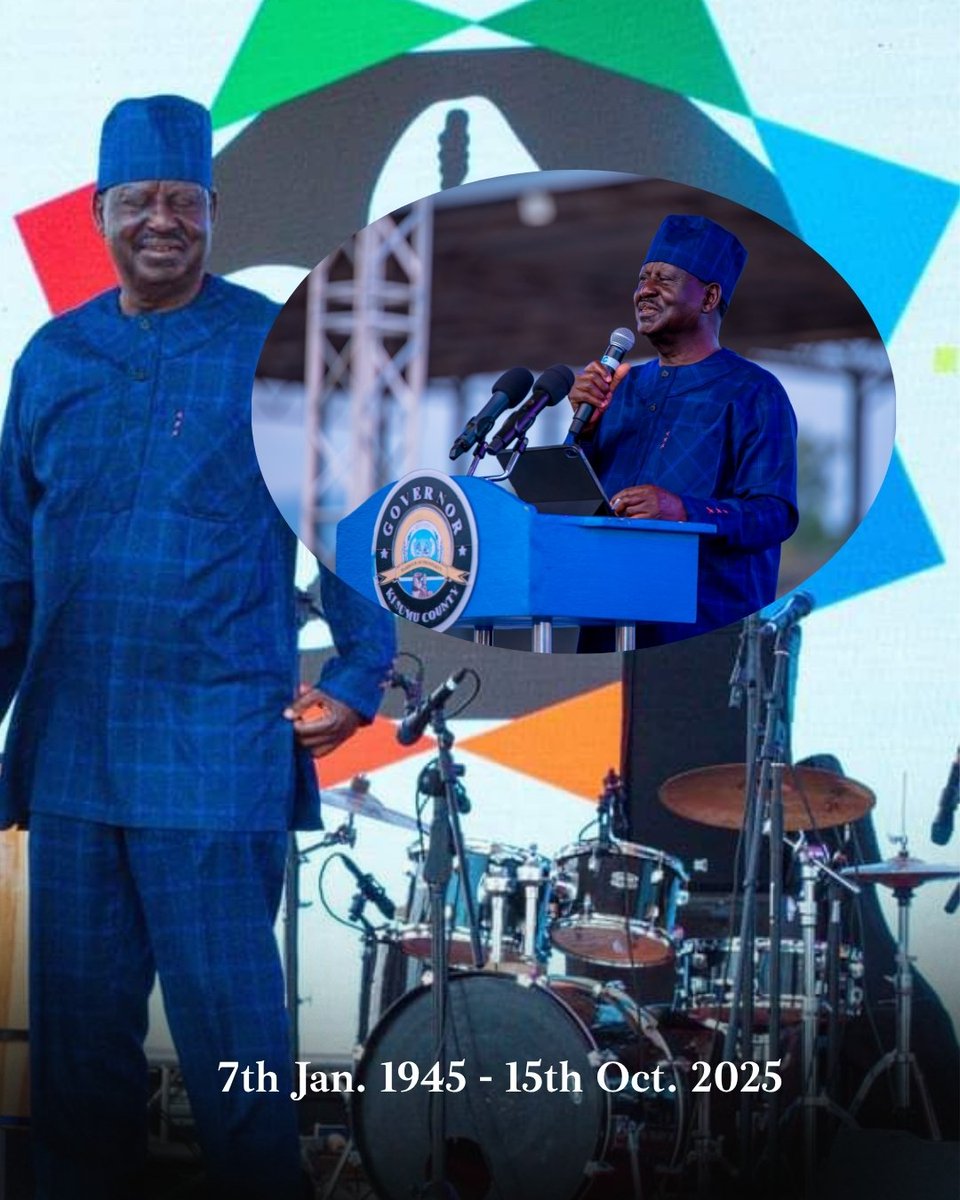
Today, the world bids farewell to H.E. Raila Odinga.
Share in comments what you'll forever remember him for.
This👇🏿 quote got me thinking 🤔
#RIP#Baba
The FESTAC AFRICA Fraternity extends heartfelt condolences to Kenyans, friends, and family of H.E Raila Odinga, who until the time of his passing was a friend and a goodwill ambassador of the festival.
Ghana has officially secured ownership of Kente, the vibrant, handwoven fabric that embodies centuries of pride and identity.
The move gives Kente cloth Geographical Indication (GI) status, Ghana’s first, ensuring only authentic weavers from towns like Bonwire, Agotime Kpetoe, and Sakora Wonoo can call their work Kente.
This recognition protects artisans, preserves cultural heritage, and strengthens Ghana’s role in global fashion.
🇬🇭 A win for culture. A win for craftsmanship. A win for ownership.
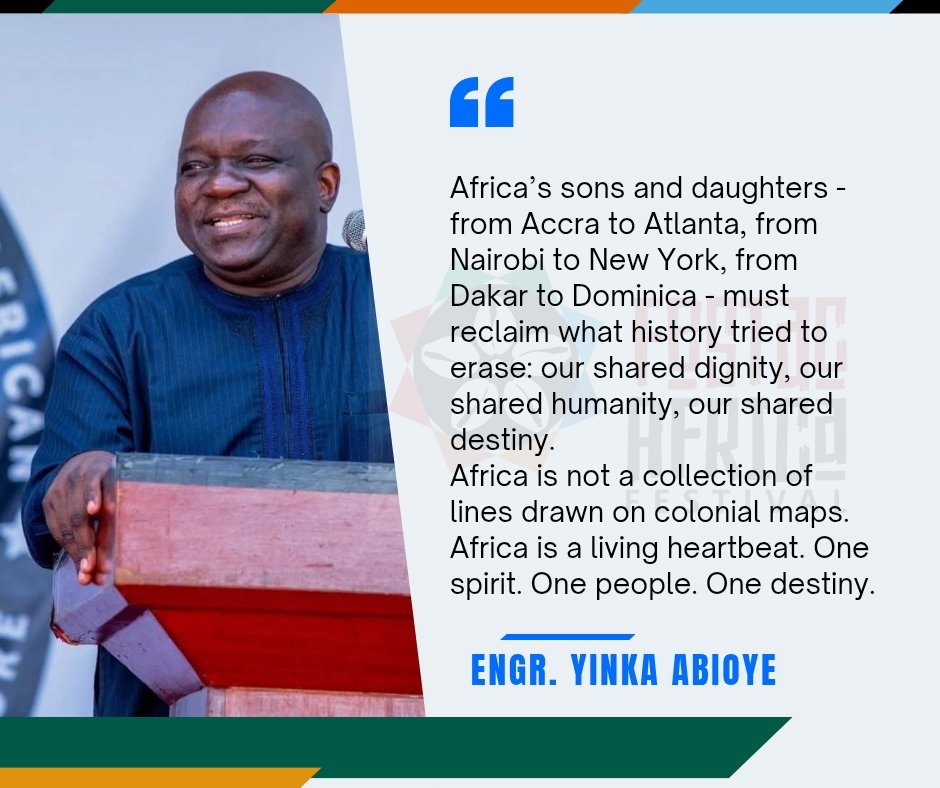
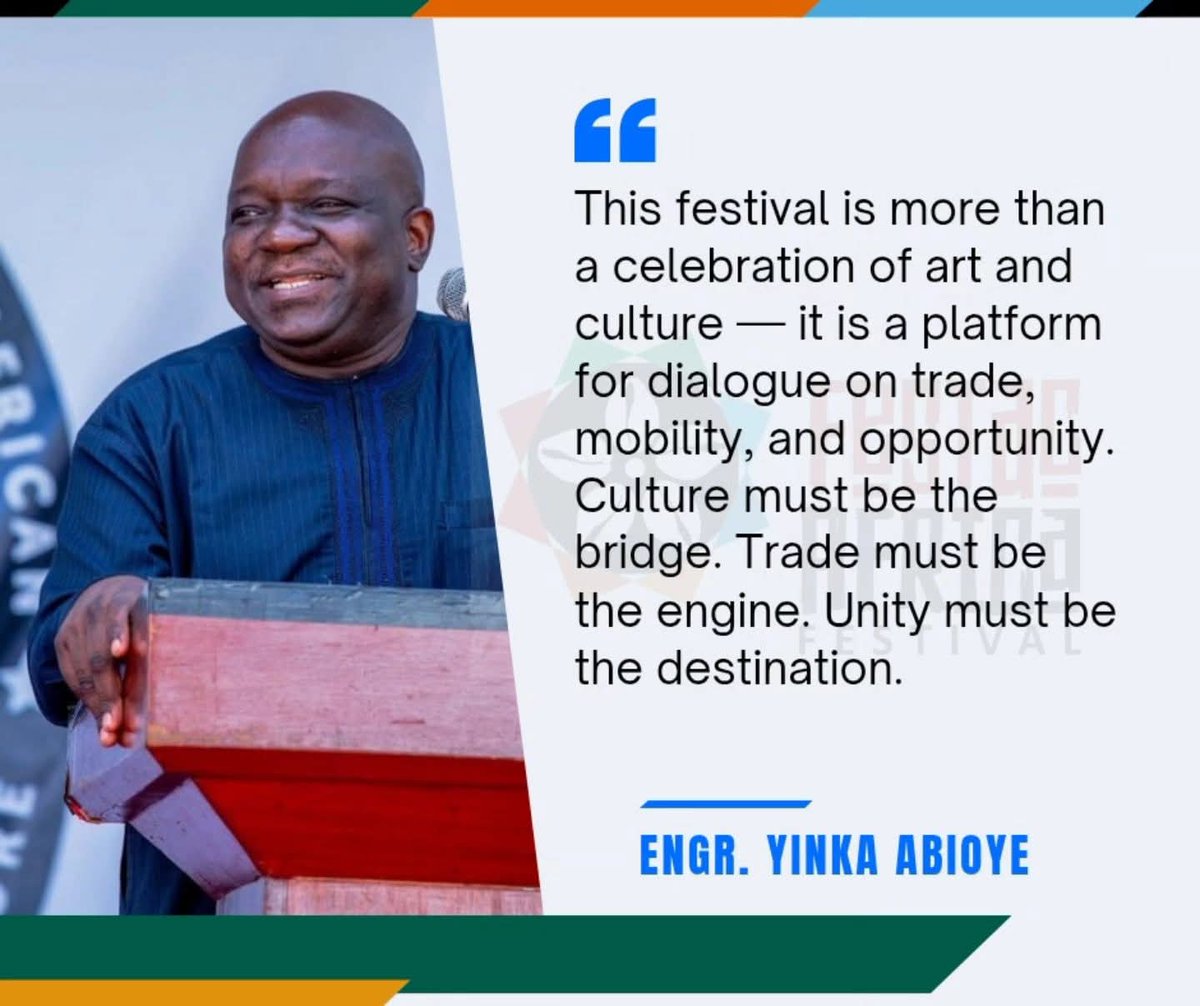
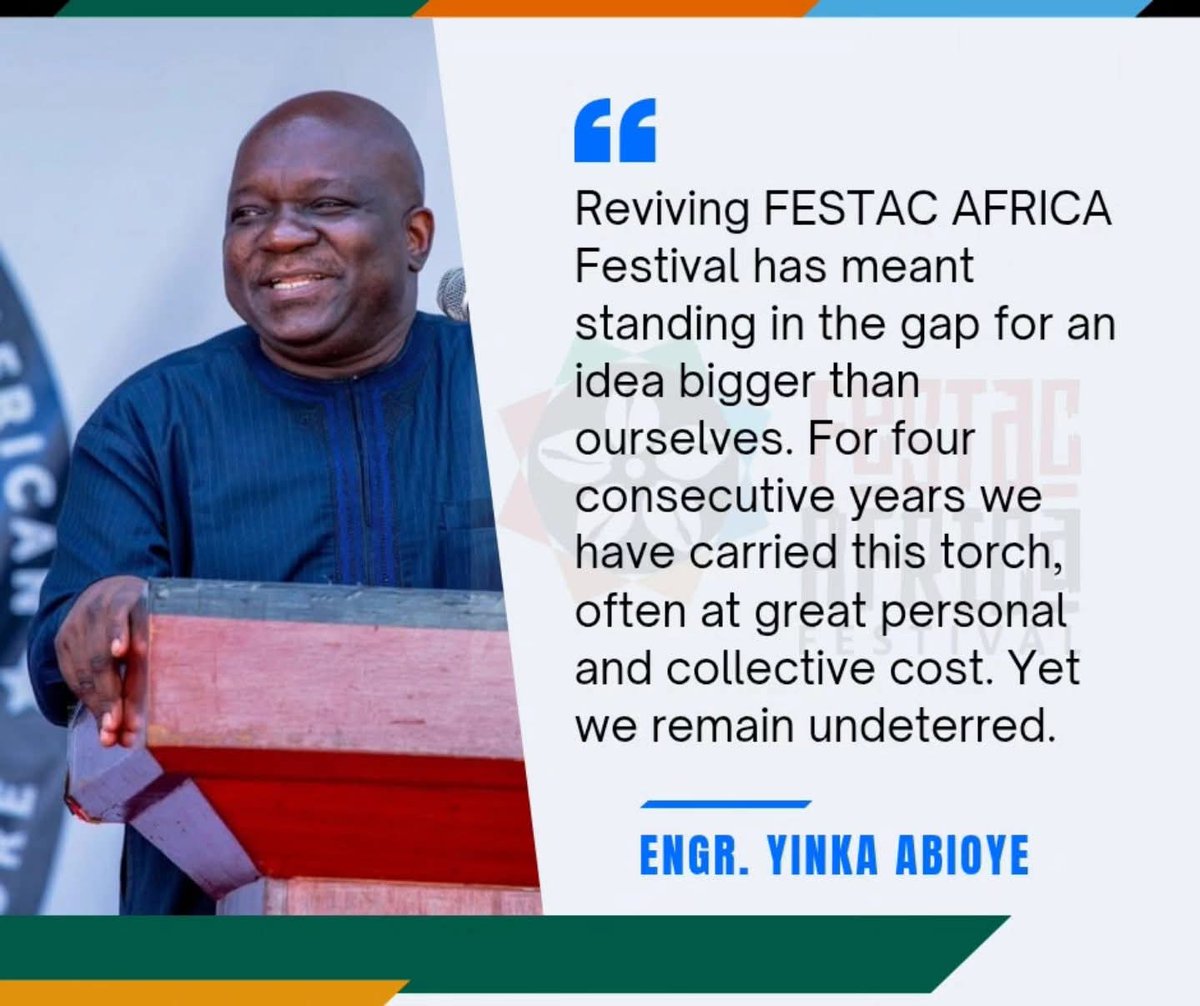
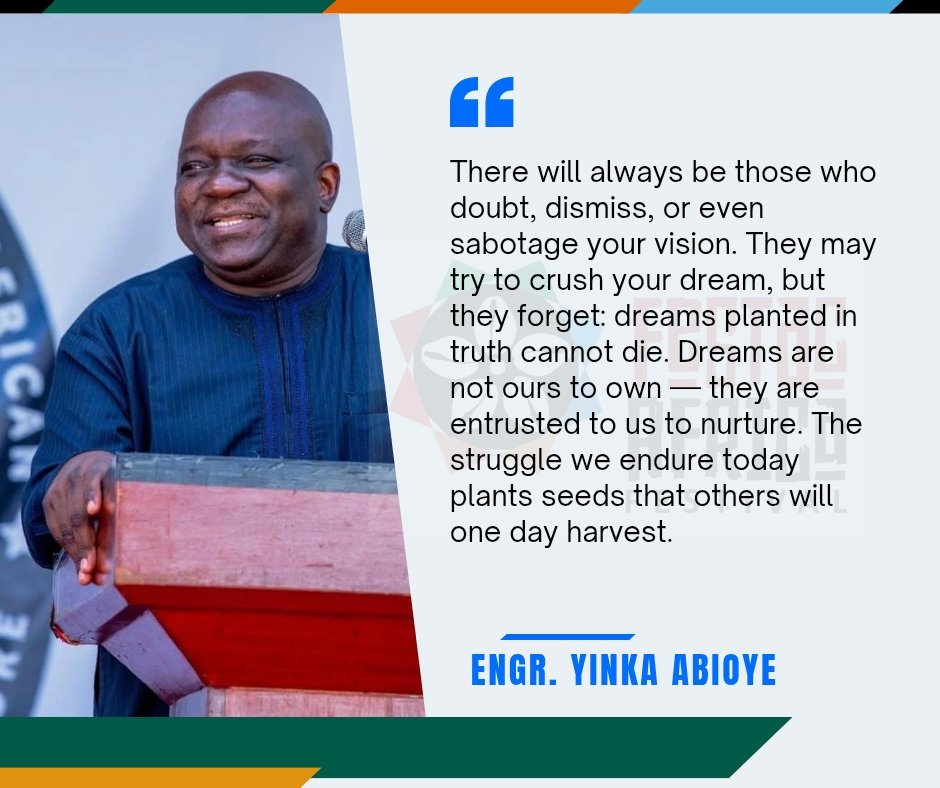
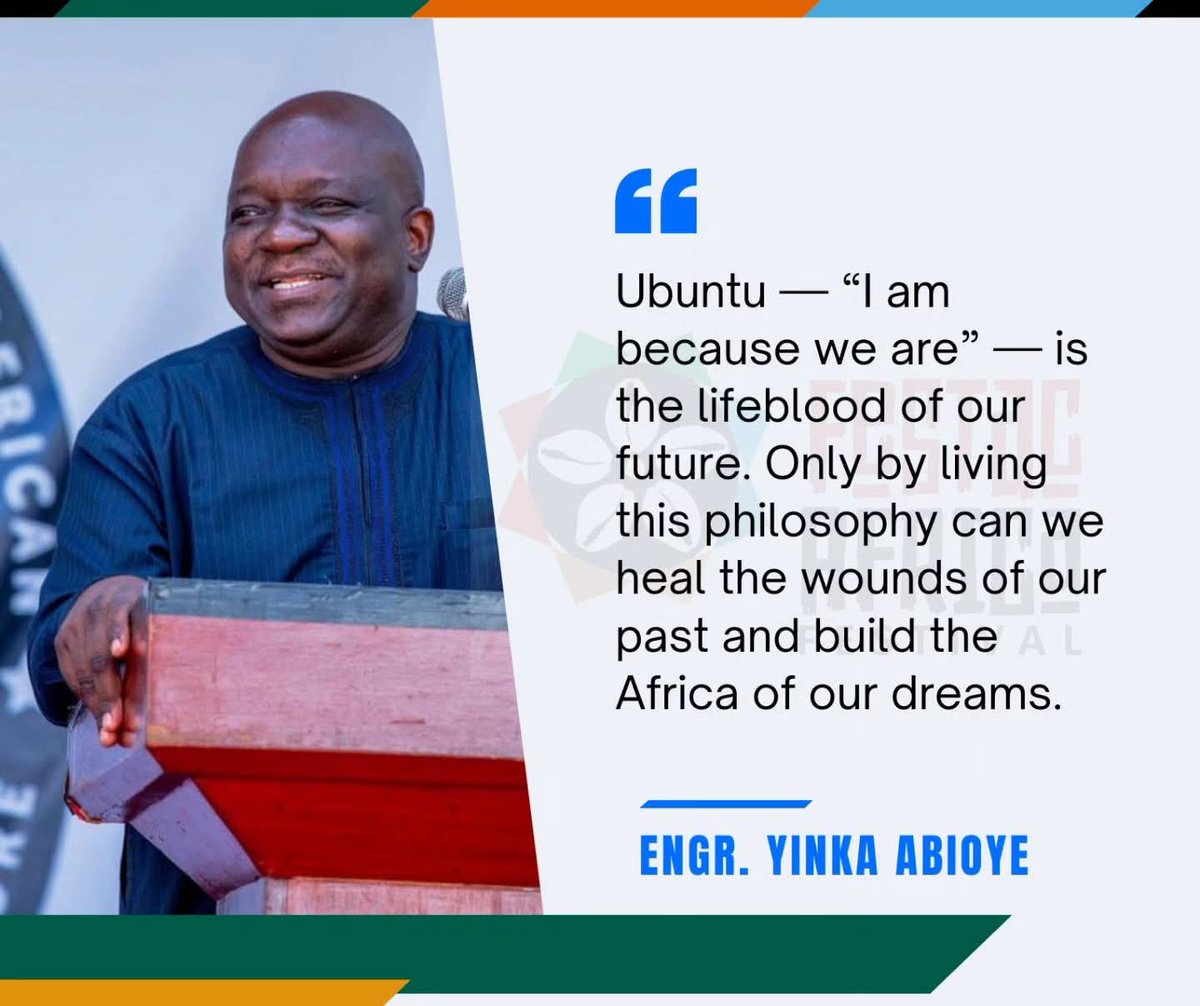
" Reviving FESTAC and keeping it's momentum for four consecutive years has been an exemplar bold move."
~ Engr. Yinka Abioye
Speaking at The Bold Moves Youth Summit- FESTAC 25.
@unesco@unitednations@peterarmandboyo @auda_nepad @afdb_group
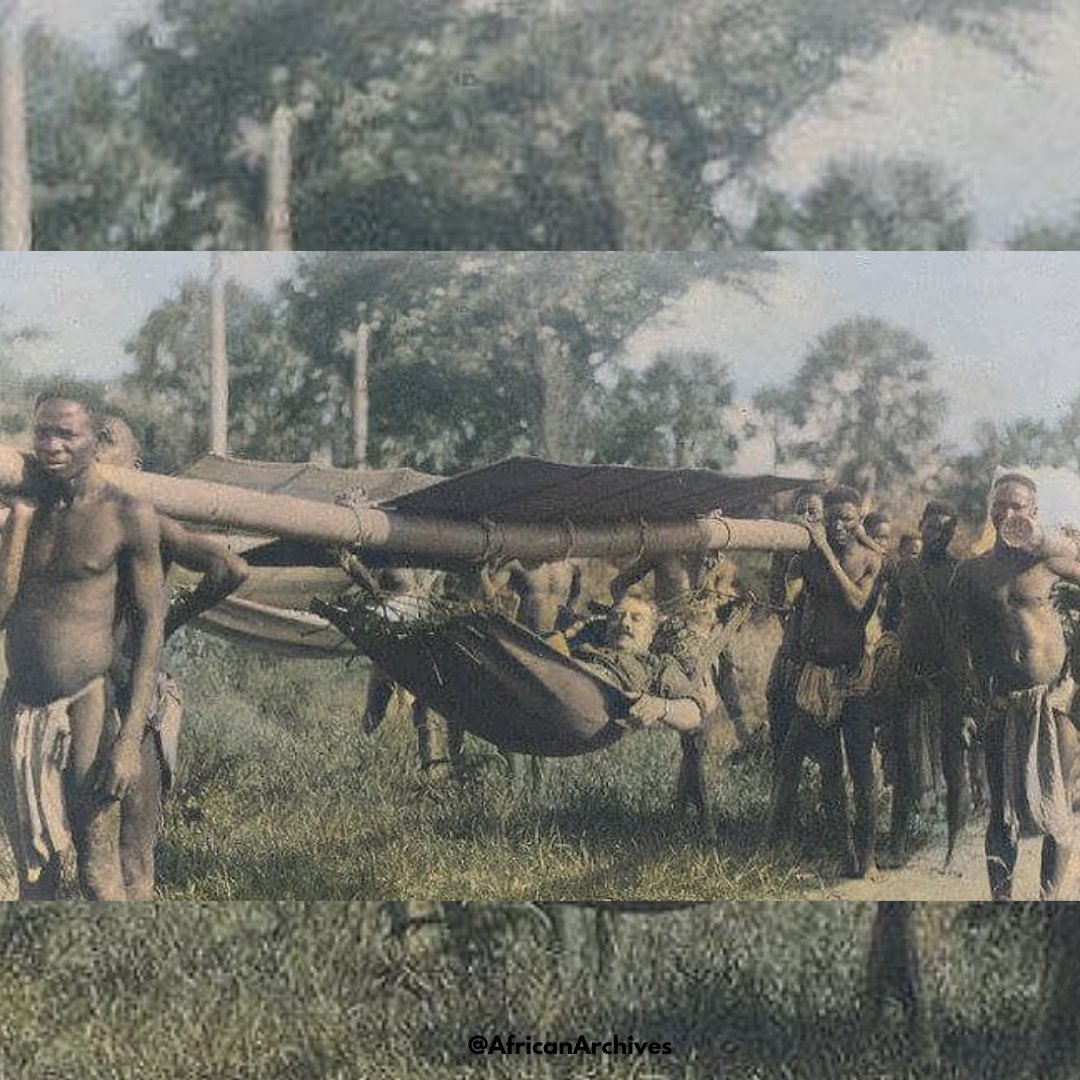
Africa is portrayed as a continent without history before slavery and colonialism. African History isn't known by many people compared to the history of Europe, Americas, and Asia.
Some of the world's great civilisations such as Mali flourished in Africa.
A THREAD!
Happy Birthday to the late Great Ms. Fannie Lou Hamer.
“Nobody’s free until everybody’s free”
Fannie Lou Hamer was a voting rights activist and civil rights leader. She was instrumental in organizing Mississippi Freedom Summer
for the Student Nonviolent Coordinating Committee (SNCC).
On June 9, 1963, Hamer was on her way back from Charleston, South Carolina with other activists from a literacy workshop. Stopping in Winona, Mississippi, the group was arrested on a false charge and jailed. Once in jail, Hamer and her colleagues were beaten savagely by the police, almost to the point of death.
Released on June 12, she needed more than a month to recover. Though the incident had profound physical and psychological effects, Hamer returned to Mississippi to organize voter registration drives, including the "Freedom Ballot Campaign", a mock election, in 1963, and the "Freedom Summer" initiative in 1964.
Later she became the Vice-Chair of the Mississippi Freedom Democratic Party, attending the 1964 Democratic National Convention in Atlantic City, New Jersey, in that capacity.
Her plain-spoken manner and fervent belief in the Biblical righteousness of her cause gained her a reputation as an electrifying speaker and constant activist of civil rights.
LEGACY:
✊🏿There is a Fannie Lou Hamer Memorial Garden in Ruleville, Mississippi. It was rededicated by the city on July 12, 2008.
✊🏿The Fannie Lou Hamer Civil Rights Marker (part of the Memorial Garden) was unveiled on May 25, 2011.
✊🏿A statue of Fannie Lou Hamer was unveiled in October 2012 at the Memorial Garden.
✊🏿In 1970 Ruleville Central High School held a "Fannie Lou Hamer Day". In 1976 the City of Ruleville celebrated a "Fannie Lou Hamer Day".
✊🏿Sweet Honey in the Rock, the Washington DC-based African American female a cappella singing group, wrote and recorded a song called "Fannie Lou Hamer."
✊🏿Dark River, an opera about Hamer written by composer and pianist Mary D. Watkins, premiered in November 2009 in Oakland, California.
✊🏿95 South's "All of the Places We've Been" by Gil Scott-Heron with Brian Jackson was a standard at any Gil Scott-Heron show. The song was his tribute to Fannie Lou Hamer, as he stated in his DVD of a 2001 concert, New Morning: The Paris Concert.
✊🏿On Oct. 6, 2012 (the 95th anniversary of Mrs. Hamer's birth), an acclaimed new musical inspired by the life of Fannie Lou Hamer -- titled and written by Felicia Hunter -- had its world premiere in New York City to sold-out audiences. Hunter currently is seeking to take the work to Broadway.
🖋️if you love our content, please consider supporting our page on https://t.co/16fHyPFENu (follow the ko-fi page too for weekly posts roundup)
The Battle of Bamber Bridge, 1943.
Racist US military police attacked black US troops on British soil.
US military authorities demanded the town’s pubs impose a colour bar, the local landlords responded with signs that read “Black Troops Only” which pissed them off.
A THREAD
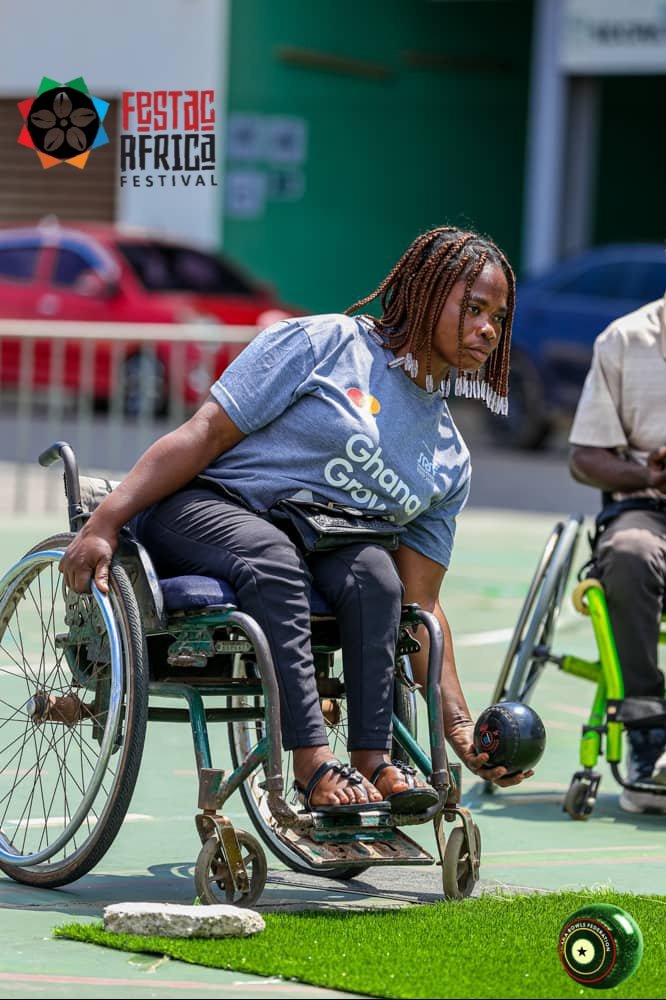
BOCCIA, AT FESTAC AFRICA RENAISSANCE FESTIVAL 2025
A quintessential highlight of our efforts in promoting inclusion of differently abled persons in all sectors of development across Africa.
#PanAfricanism#MyAfricaYourAfricaOurAfrica#FESTAC25
The metal mask used during slavery served four main purposes
1 Preventing Enslaved People from Eating Harvested Fruits: Enslaved individuals were forced to work on plantation farms without being allowed to eat the fruits they harvested, such as apples, pineapples, oranges, and bananas.
2 Suppressing African Spiritual Songs: The mask was used to prevent enslaved people from chanting their African spiritual songs, which not only affected the slave masters but also motivated some slaves to rebel against their captors.
3 Prohibiting Native Language: The metal mask was also used to stop enslaved people from teaching their African local dialects to their children, leading to the destruction of their native languages and forcing them to learn foreign languages.
4 Punishment through Starvation: Additionally, the mask was used as a form of punishment in slave camps, preventing enslaved individuals from eating or drinking. In some cases, slave masters would force an apple into the mouths of enslaved people before putting on the metal mask with padlocks to silence them.
The use of metal masks was a brutal aspect of the transatlantic slave trade, highlighting the inhumane treatment and oppression of enslaved people