After a long stretch focused on writing, I’m sharing a new video 🎥
How to Write Historical Context Into Family Histories (Without Making Things Up)
It began as a coaching call idea about common struggles.
Turns out, it needed to be said.
▶️ https://t.co/ShViydrMWy
If two men are possible fathers… can DNA tell you which one?
Autosomal DNA gets you close.
X-DNA changes the picture.
But only if you understand what each one is actually showing.
https://t.co/AJZZbKZJR6
#genealogy#dnatesting
I tested the AI Prompt Builder in RootsMagic to see how it actually works in a real research workflow.
What @RootsMagic does well surprised me, but there's a trick to get it to do more.
🔗 https://t.co/M8V2s3bqoU
#Genealogy#RootsMagic
@gwowls I am the only member of my family. I did the ring exchange ceremony because my Grannie and my aunt are so special that i wanted them to have something they recognized as a wedding in addition to the party. They traveled so far and it didn't take away from the temple sealing
In family history, people toss around the standard of 'doing no harm.'
But this experience had me rethinking the meaning of my hard and my role as a genealogist.
https://t.co/2vnyl0H9aN
#genealogy#familyhistory
Accuracy answers one family history question.
Do genealogical ethics answers another.
What happens when they reality and the ethical standards are at odds?
If a detail doesn’t make it into the genealogy research prompt…
it doesn’t make it into the analysis.
That’s not an AI problem.
That’s a family history workflow problem.
Blood traits can sound… more flexible than they really are.
“If this changes… could my Rh factor change too?”
It’s a reasonable question.
But the answer says more about how traits are inherited than it does about change.
https://t.co/sHN52VUWvE
#genealogy#dnatesting
When a family story involves trauma, the question shifts.
Not just “What happened?”
But “How should this be told… and for whom?”
Discover the family history lessons from the @latterdailyst personal experience with tragedy.
https://t.co/eZNAZYItPm
#genealogy#writingtips
When will people stop starting Sacrament talks with "the church leader asked me to give a talk and i didn't want to" or "if you know me, I'd rather not be giving this talk"?
Just give the Sacrament talk.
#ldsx
Some stories aren’t hard because of genealogical details.
They’re hard because of what our ancestors experienced.
Trauma
Conflict
Loss
Writing these family histories isn’t just about accuracy.
It’s about how you choose to tell it.
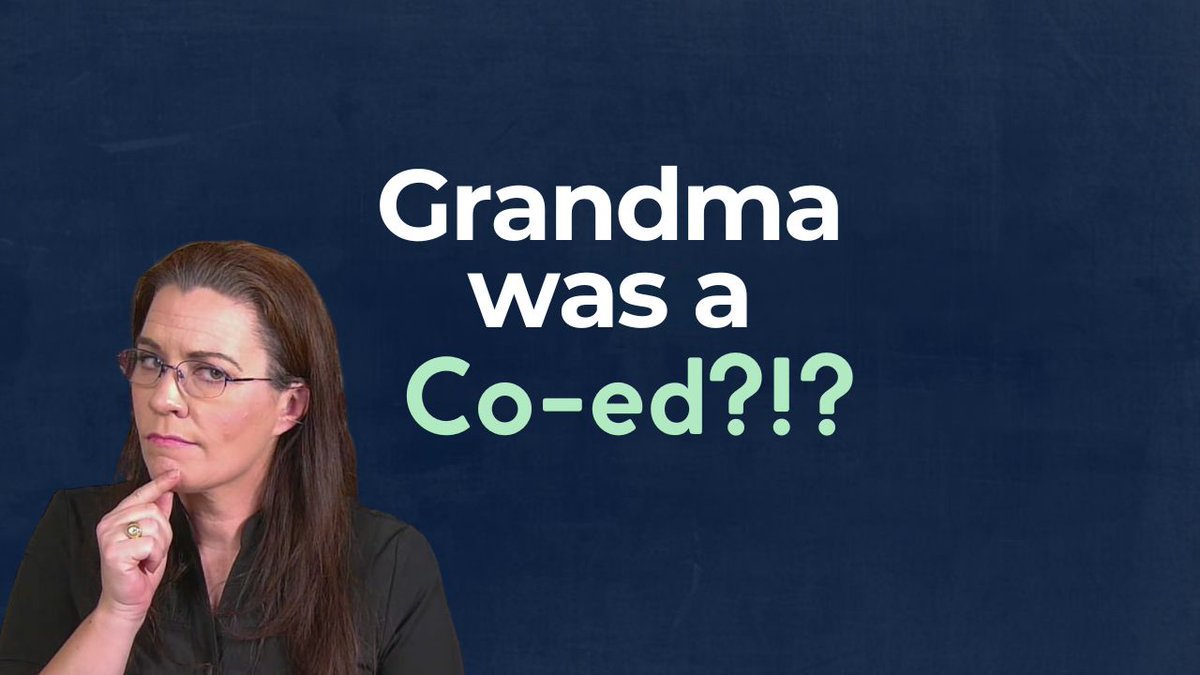
If we believe the myth that women didn't go to college before the 1960s…
We might be missing the lived experiences of our female ancestors.
https://t.co/C2swqwI8Rj
#genealogy
It’s easy to assume women go to college before the 1960s and it's due to patriarchy.
But the facts suggest something more layered.
Earlier attendance
Different access points
Changing expectations over time
The timeline doesn’t start where we think it does.
Two DNA matches.
Same segment.
So they should match each other… right?
Not always.
Sometimes the segment is shared.
Just not in the way we assume.
https://t.co/cR8ksZcXPM
#genealogy#DNAtests
If you feel stuck while writing family histories, it might not be a motivation problem.
It might be that you’re trying to write before making a key decision.
https://t.co/FMI5LtDzeb
#genealogy
When you discover something in the genealogical records that contradicts family lore…
Fixing the tree is only part of the decision.
The harder part is how you document it on @FamilySearch.
https://t.co/RGpbxcDDAE