FRADU served the Royal Navy as “Bad Guys” with Simulated Ship Attacks and air defence exercises. Many have forgotten this unit. we aim to remember them here.
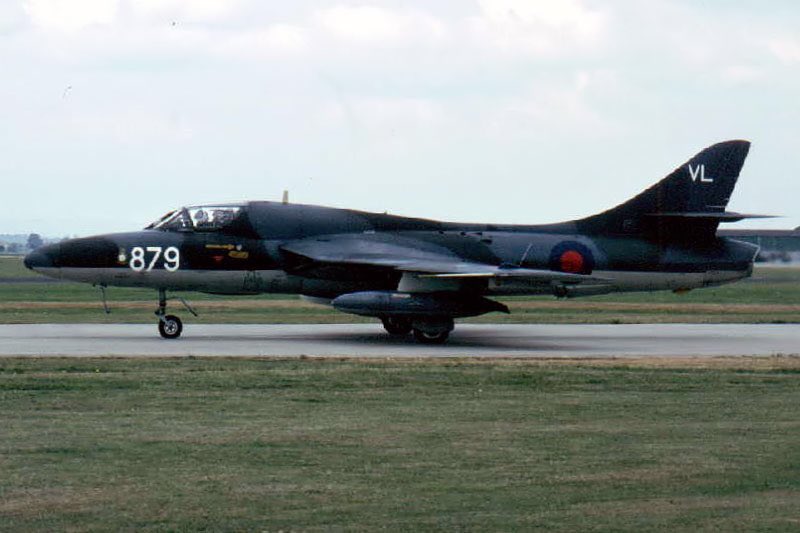
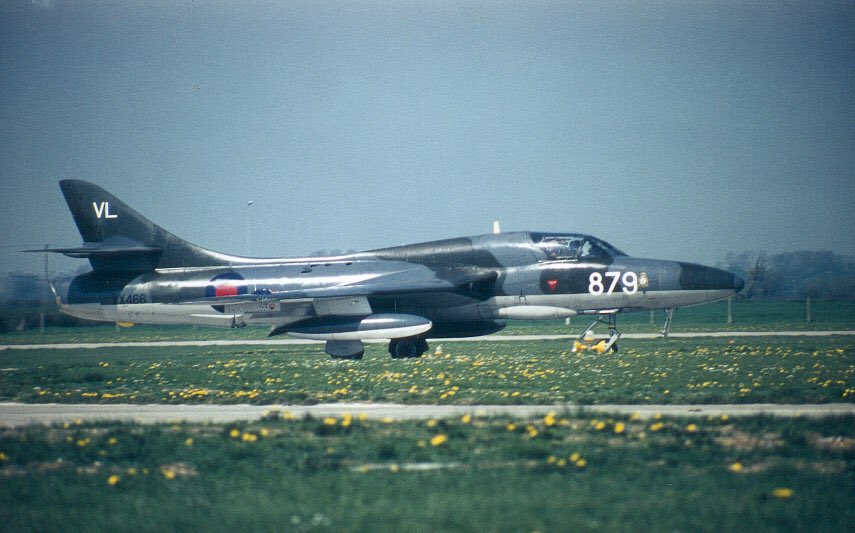
Hunter 879 joined FRADU in the 1980s fresh from the RAF. She remained in RAF colours, with RN codes, until around 1987. When she went to join the dummy deck at the deck school. Her nose section was recently rescued from Jersey airports fire training area. And is now in the UK.
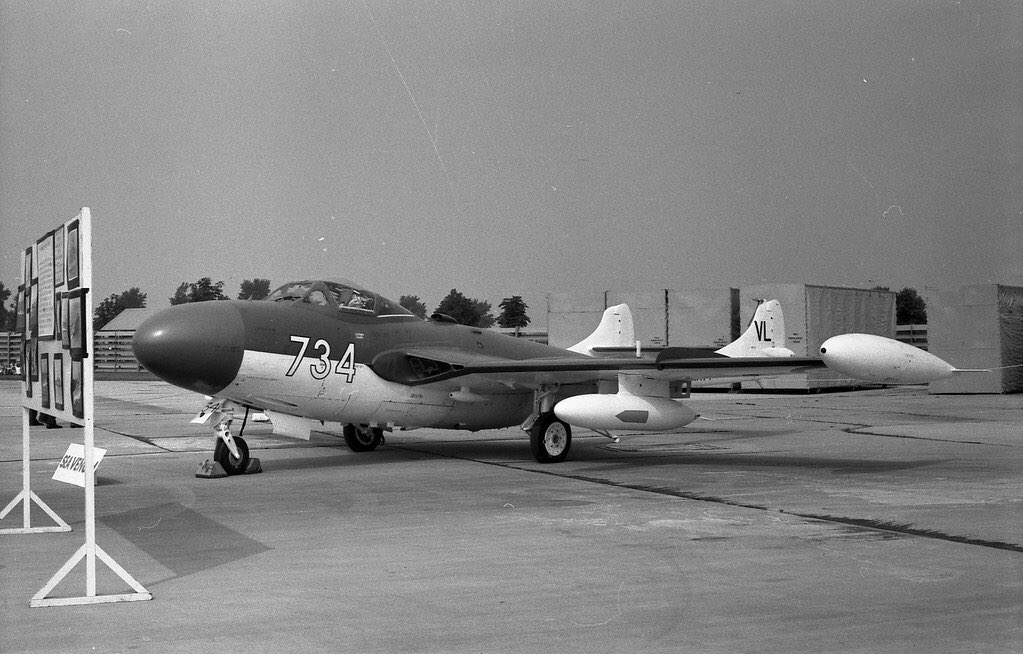
Seen here in the late seventies. Here’s a ADTU seavenom. Note the day glow stripes on the fuel tanks. 729 would remain with the ADTU, replaced by Seavixens in the early 1970s. #FRU#Fleetrequirementsunit
FRADUs most famous aircraft, the Hunter GA.11, here’s WT-809 (867) and XE668 (832) in the late seventies. XE668 is doing something rather different nowadays, she provides a piece of cover for US paintball players. 809 suffered engine failure in 1988 and was written off. #FRADU
After joining of ADTU and FRU, the newly formed FRADU operated several Seavixen FAW2s, the aircraft was phased out for the Hunter GA11 in the mid seventies. #Fleetrequirementsunit#FRADUhistory#Seavixen
@paul_tremelling@HarrierPres I’m not sure on the location, the vixens where based all over, Hurn, yeovilton, Lossiemouth and Ford on detachment. I’m guessing it’s yeovilton as all the vixens are there.
Devoid of tail marks, XP954, from the ADTU taxies out at RNAS yeovilton. Perhaps the most elegant and powerful aircraft flown by the Navy’s aggressors, the type served well from the late sixties through to the mid seventies, replaced by GA11 hunters. #FRU#Fleetrequirementsunit
The other half of what would become FRADU was the Air directions unit, based at RNAS yeovilton. Who flew for the most part, the Seavenom. They later flew the Canberra and Seavixen. #Fleetrequirementsunit#FRADU#ADTU
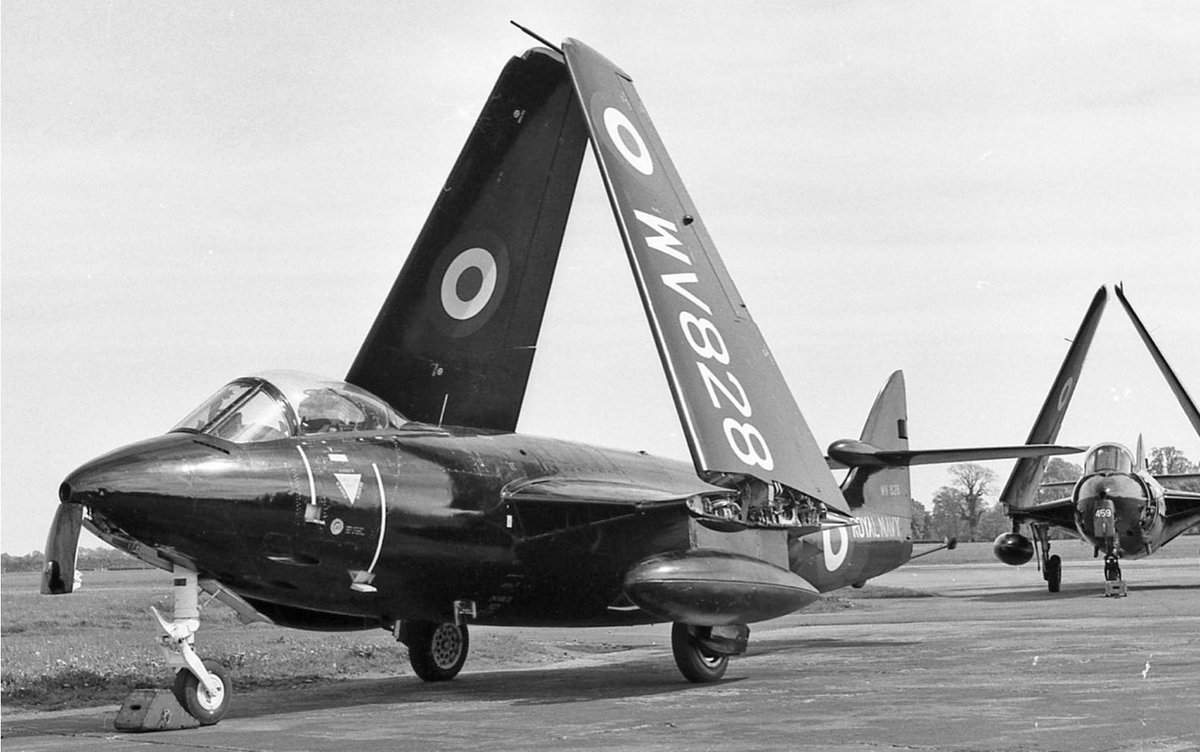
Pictured here at Hurn, two FRU Seahawks sit waiting a mission. WV828 arrived with the FRU in April 1962, leaving FRU service in March of ‘68.📸 Dave welch #Fleetrequirementsunit#FRADUhistory