“REPENT FOR THE KINGDOM OF HEAVEN IS AT HAND” Mat 4:17 - Jesus Christ, the “I AM” Blessed be Him forever. -I am His bond servant, watchman, a child of God ❤️
Well, well, well, now we're cooking with gas! This is what we need here in Canada! May Quebec lead the way out of the dark ages in Canada and kick the Crown of England out of our country for good! When Queen Victoria died, we were to be FREE of the crown yet out parliaments members ignored that and continued business as usual WITHOUT our consent because it suited THEM, NOT US. STAND AND HOKD THE LINE QUEBEC! SET CANADA FREE! @HanyaToderoff We need the parliament to swear allegiance to Canadians, NOT ENGLAND !
« Je pense que nous sommes des douzaines, voire plus d'une centaine de députés à l'Assemblée nationale, dûment élus dans le cadre d'un processus démocratique, qui considèrent cela comme une honte. »
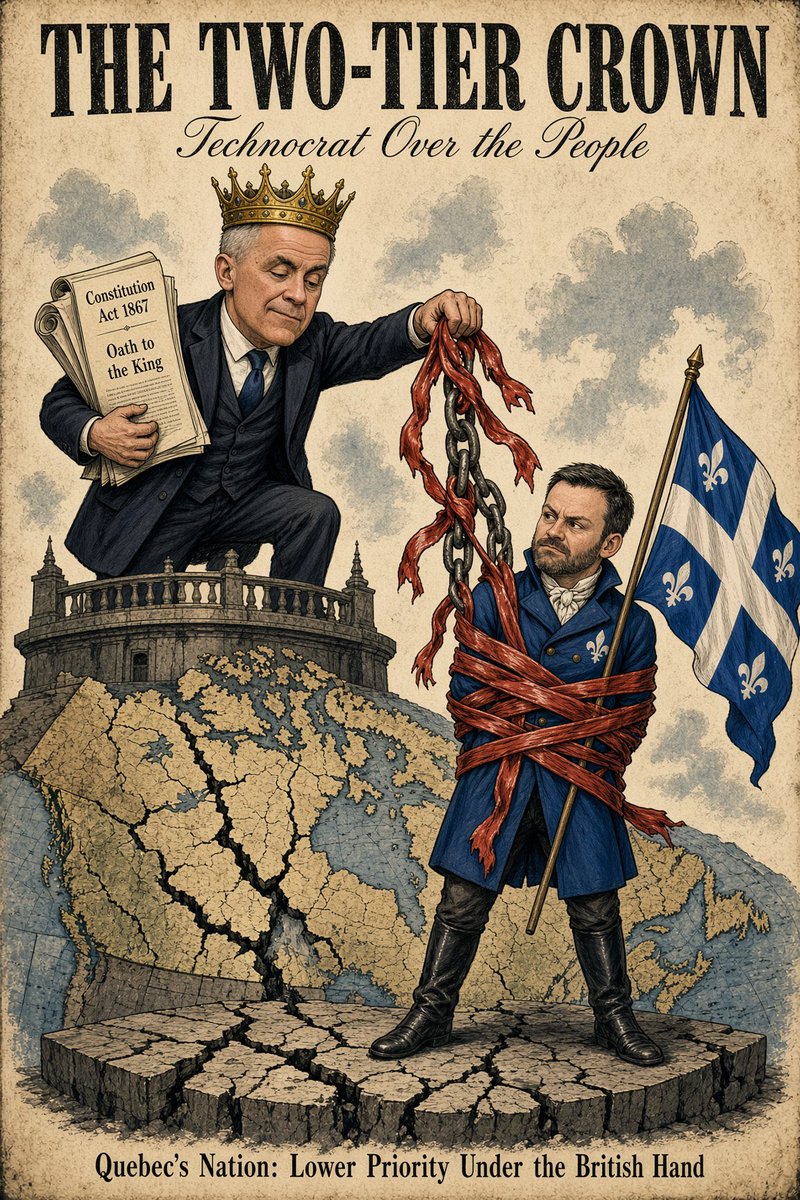
The whole Quebec-Canada potential constitutional crisis EXPOSES A MAJOR PROBLEM…
A federally appointed judge ruled:
“that you don't get to treat the Canadian Constitution as an à la carte menu. “
Which is completely reasonable but begs a MASSIVE QUESTION:
For a constitution to apply over a free people,
And for its “set course menu” to be ahmm palatable,
Shouldn’t it have been given the consent of the governed in the first place?
This isn’t a “Quebec never signed the constitution” talking point.
It’s a, NO PROVINCE EVER SIGNED A CONSTITUTION reckoning.
Canada is a federation, and as any federated states, it shares sovereignty amongst its members.
When the 13 colonies declared independence from the crown, 56 delegates representing all 13 colonies unanimously did so.
It’s in the very first line:
“In CONGRESS, July 4, 1776.
The unanimous Declaration of the thirteen united States of America[…]”
Later when the Articles of Confederation were scrapped and a new U.S. constitution was drafted, it was ratified by all 13 states.
If you are to be bound by a “supreme law of the land”, shouldn’t you at least have a say in it?
Sure there is a clause for amendments in the constitution that doesn’t involve unanimity…
But said clause was agreed to unanimously in the first place at the inception of said constitution.
Now back to Canada and Quebec:
The judge is right as a matter of law in his ruling.
But something about a constitution that binds every provinces;
Hell… that CREATES those provinces
And imposes upon its people the very foundation and framework of the country itself;
And all that, without a single province having ratified it;
While creating a mechanism for amendments that also was not agreed upon (some of which require unanimous consent btw)
Seems to be at the very antipode of federalism and democracy itself.
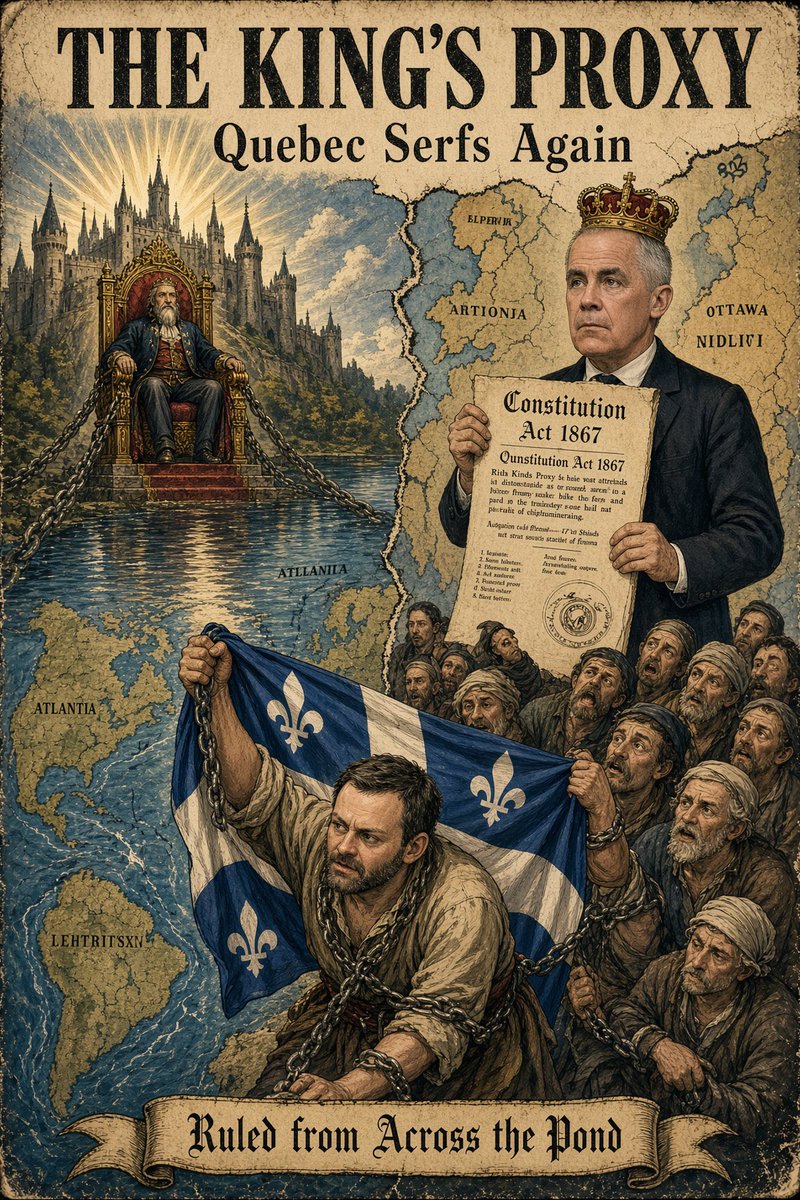
If a free people, represented by their duly elected democratic government, unanimously pass a law subtracting themselves from an oath imposed on them without their prior consent (Quebec Law 4)
Are then subsequently forced to take said oath regardless, by a judge appointed through the very constitution that was imposed upon them
Without the ability to amend said constitution without the approval of jurisdictions outside their control (unanimity of provinces)
Then no, Canada cannot call itself a true democracy.