@Ln23Jacob Hi - I have had a look and the link looks broken our end too. The project actually ended quite some time ago (which might be why the site cannot load), but we are due to do more work on/with the database very soon so watch this space!
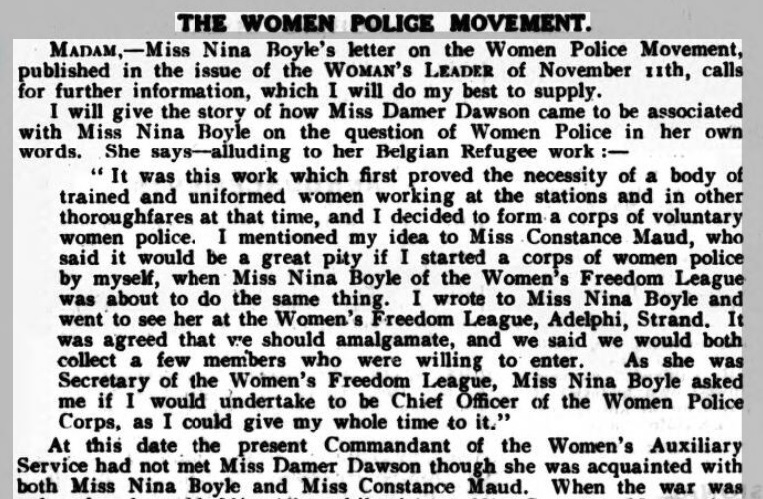
Belgian refugees in London from 1914 onwards (and their 'moral hygiene') proved a major catalyst for the Women's Police Service, one of the forerunners of the Met's patrolwomen, as this 1921 correspondence shows... #WorldRefugeeDay#WorldRefugeeday2020#WRD2020
regretted if the kindness was to be shown in the way indicated. The refugees were not accustomed to the beverages freely drunk in this country and what perhaps might seem a reasonable quantity very soon had an effect on those not accustomed to it. Wakefield Express 31 Oct 1914
that well intentioned members of the public had in their kindness of heart offered to refugees a form of hospitality namely treating. He was only echoing the Bishop of Wakefield. It was pleasant to see the kind spirit to the refugees now amongst us. Still it was very much to be
Before the ordinary business at yesterday’s City Police Court was taken, Chief Constable Harris made a request to the public to forgo the mistaken kindness of ‘treating’ Belgian refugees. It had, he said, come to the knowledge of the Belgian Refugee Committee
Check out our latest local history blog, in partnership with @Glasgow_Times
This week we explore Glasgow's role in the Belgian refugee crisis of 1914: https://t.co/YfoxKtZXTb
(Pic: Belgian refugees returning home on SS Khyber, Jan 1919, with members of the relief committee)
Many congratulations to the now Dr @kierantaylor67 , who passed his PhD viva yesterday afternoon! His thesis on the reception of Belgian refugees in Scotland during WWI was supervised by Drs Jacqueline Jenkinson and Jim Smyth, and passed with no corrections. Great news!
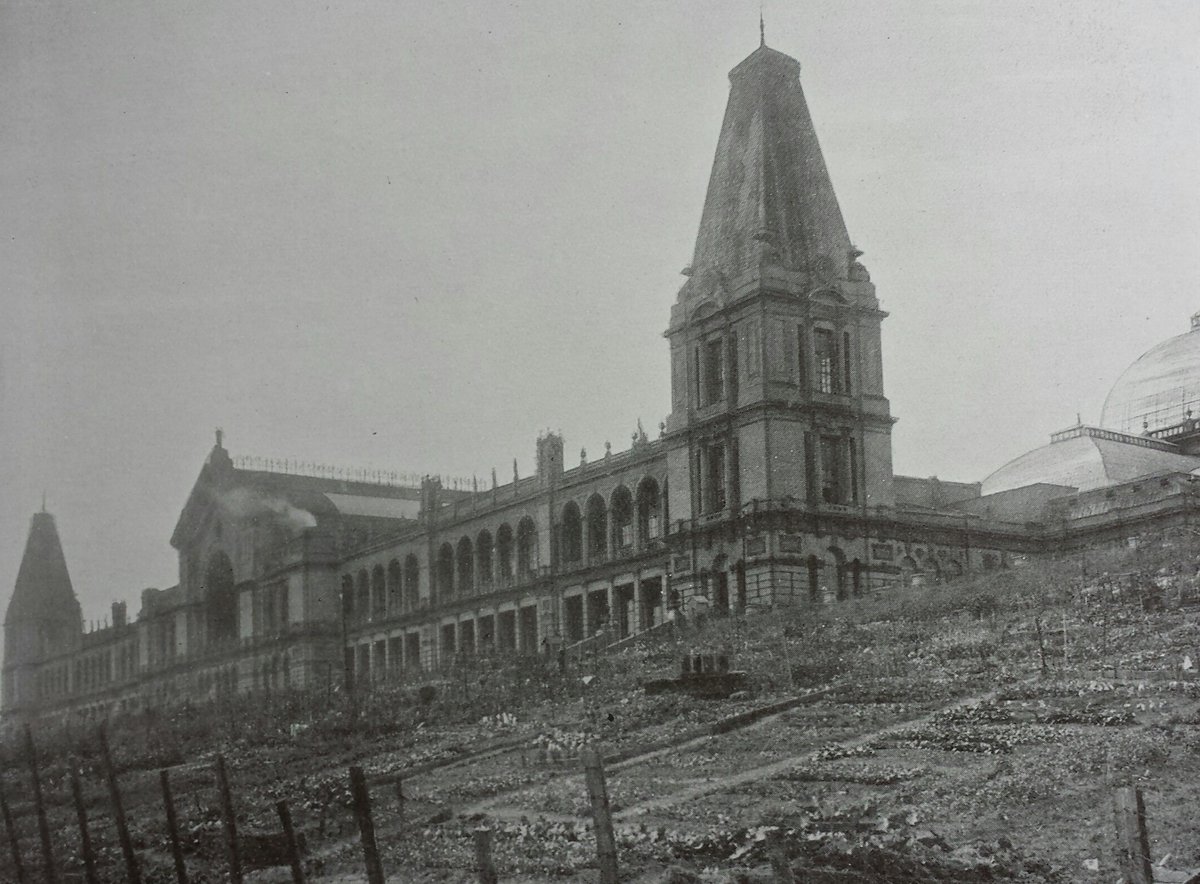
After the Belgian refugees had left the Alexandra Palace in 1915, the building became an internment camp for 'enemy aliens'. They supplemented their rations from the allotments and the chicken coop.
I am surprised no stronger parallels are being drawn between the Belgian refugees of 1914 & the Ukrainian ones of 2022. & yes, for those who need the assurance, 95% of the c265k went home
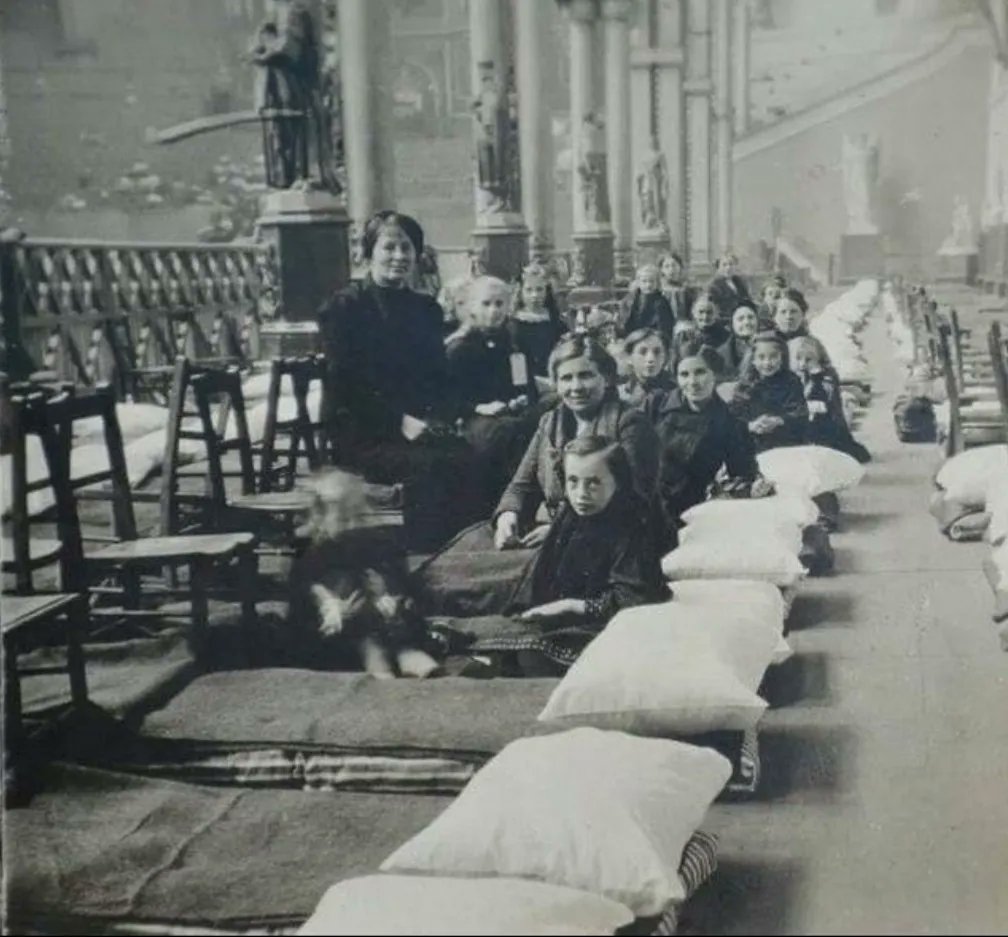
During World War One 250,000 Belgian refugees arrived in the UK. The largest influx in Britain's history most arrived in London and where first sheltered at Alexandra Palace
On Friday, Michael Morpurgo delivered a 'Home from Home', a @BBCRadio4 Point of View broadcast, in which he compared a historic influx of refugees with more recent refugee situations and crises. You can find the transcript at the otherwise dormant blog https://t.co/n0d4mK2WLd
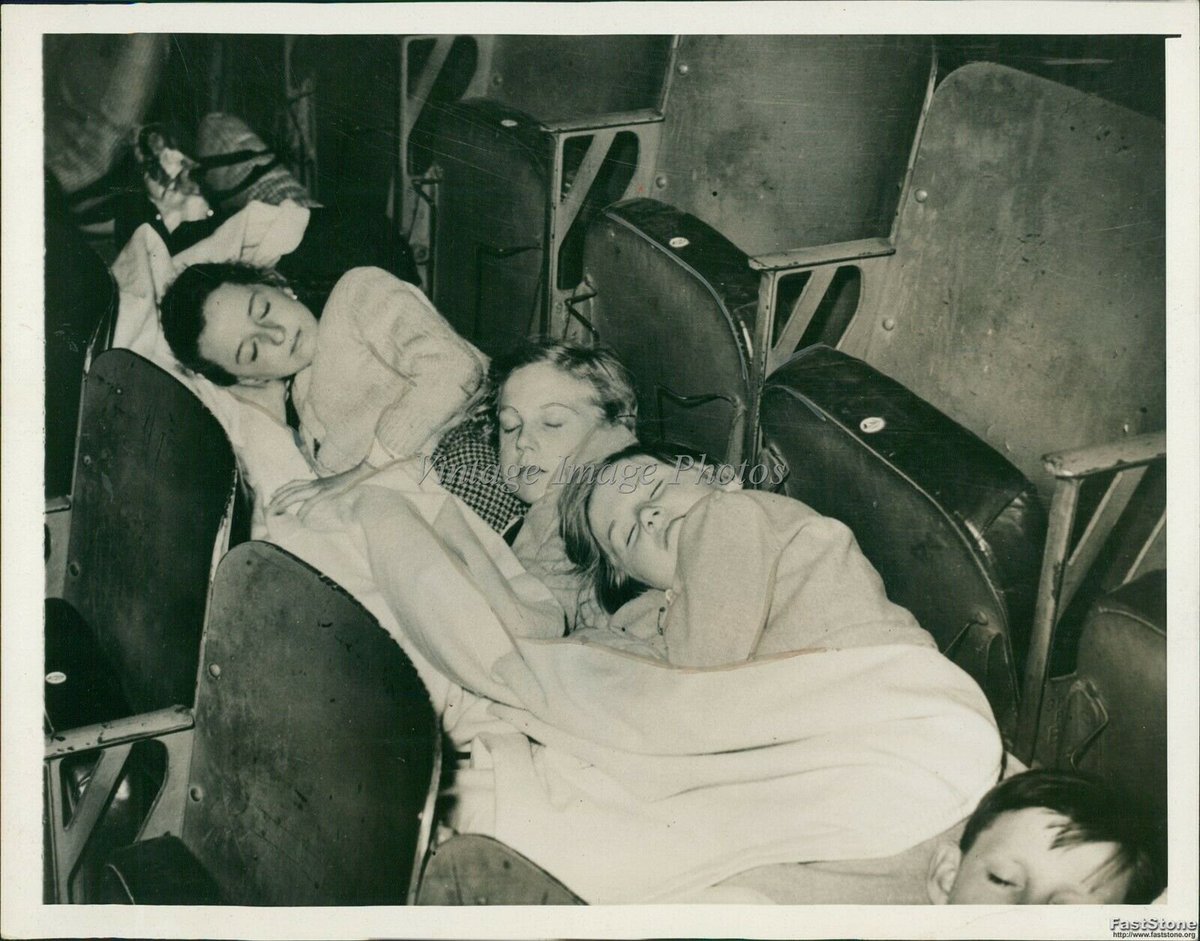
@ECHist37 27th May 1940 "Weary Belgian refugees children sleeping on mattresses placed on the floor between rows of seats in London's Empress Hall" second time in twenty years Belgian refugees homed in Earls Court. @FWWBRefugees
Very pleased to start 2022 with news that my review article on migration and the First World War will appear in the Journal of Modern History but, alas, not for another 18 months. So I thought I’d share some of my main points in this🧵
22 Sep 1917: another flag day held by the Belgians of Burton, most of the proceeds sent on to a charity for feeding Belgian children in the NL. All of the work was done by women, and the funding supports the idea that Belgians in the UK were better off than those in the NL.
Belgians in Batley (by Jane Roberts), interesting mix of Flemish and Walloon, but all from urban or industrial suburban areas. A class for 15 Belgian children established at St Paulinus RC School in Dewsbury. https://t.co/pxXr7tAEMM