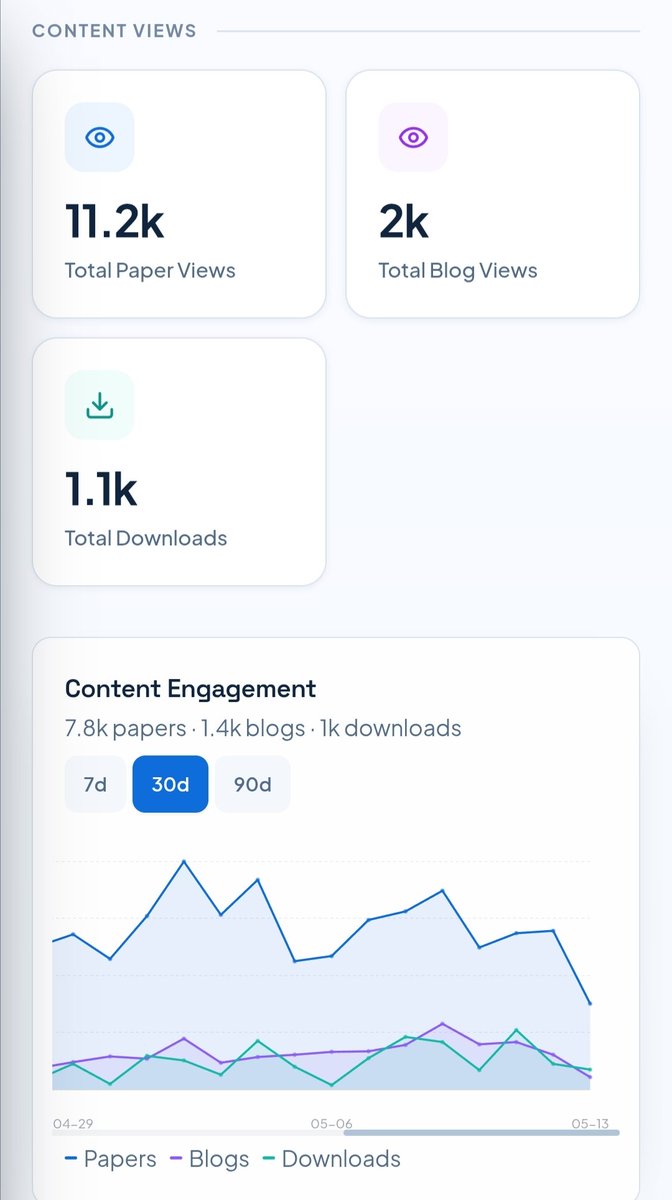
120+ daily visitors. 140 users. Built solo.
No funding. Just .NET and late nights.
I've been quietly building PakExam — an exam preparation platform for Pakistani competitive exams and I'm finally talking about it.
Here's what PakExam offers right now:
1) Past Papers in text, PDF, and interactive MCQ format
2) Blogs covering exam-relevant topics
3) Bookmarks to save and revisit important content
4) AI Solved MCQs and Subjective questions (reviewed and approved by our internal team before that it says 'AI Generated')
5) Activity tracking that learns what you study and surfaces relevant papers, MCQs and blogs — think of it as a mini social layer built specifically for competitive exam aspirants.
🎯 CSS and PMS Punjab coverage to start — more exams expanding soon.
1,500+ past papers already uploaded and growing.
The growth in the last 30 days has been encouraging — 338% increase in active users compared to the previous period, hitting 120+ daily visits. Early onboarding data shows users are willing to pay — which means subscriptions are coming.
Coming in the next few weeks — Semantic Search. Instead of manually browsing past papers, you'll be able to search with a logical query like "questions on Pakistan foreign policy after 1971" and get relevant results instantly. Powered by vector embeddings under the hood.
Stack for the engineers reading this:
→ .NET 9 backend
→ Next.js frontend
→ PostgreSQL + pgvector
→ Hosted on Hostinger VPS
→ MinIO S3
→ Grafana for logging and tracing
This is fully bootstrapped. No investors. No team. Just me shipping.
The biggest challenge right now is data. If you know anyone at established book publishers like Imtiaz Shahid or IBSE — a collaboration would be huge. Let's connect.
If you're preparing for CSS, PMS, or any Pakistani competitive exam — everything is free to access right now while we grow.
More at: https://t.co/z4iyo7gtQ8
Enroll your teenagers in this Python summer bootcamp at FAST university campus Islamabad. Python helps build logic and love for technology.
Kids will build games and products with Python plus healthy co-curricular activities.
Jointly organized by FAST and @atomcamp.
https://t.co/0RnUamX9iv
If someone asks you right now to explain the difference between architecture style, architecture pattern, and design pattern — can you answer without pausing?
These three terms live at completely different levels. Confusing them in an interview is an instant red flag.
𝟭. 𝗔𝗿𝗰𝗵𝗶𝘁𝗲𝗰𝘁𝘂𝗿𝗲 𝗦𝘁𝘆𝗹𝗲
How the major pieces of your system fit together.
→ 𝗠𝗼𝗻𝗼𝗹𝗶𝘁𝗵𝗶𝗰 — one deployable unit, single codebase
→ 𝗠𝗶𝗰𝗿𝗼𝘀𝗲𝗿𝘃𝗶𝗰𝗲𝘀 — independent services, each owning its data
→ 𝗘𝘃𝗲𝗻𝘁-𝗗𝗿𝗶𝘃𝗲𝗻 — components talk via events, not direct calls
→ 𝗦𝗲𝗿𝘃𝗲𝗿𝗹𝗲𝘀𝘀 — stateless functions triggered on demand
Example: Your API, frontend, and database in one deployment is Monolithic. Extract the payment service separately and you move toward Microservices.
𝟮. 𝗔𝗿𝗰𝗵𝗶𝘁𝗲𝗰𝘁𝘂𝗿𝗲 𝗣𝗮𝘁𝘁𝗲𝗿𝗻
How you organize the internals of a single application.
→ 𝗠𝗩𝗖 — Model, View, Controller
→ 𝗠𝗩𝗣 — Presenter handles all UI logic
→ 𝗠𝗩𝗩𝗠 — View binds directly to the ViewModel
→ 𝗖𝗹𝗲𝗮𝗻 𝗔𝗿𝗰𝗵𝗶𝘁𝗲𝗰𝘁𝘂𝗿𝗲 — domain at the center, infrastructure at the edges
→ 𝗟𝗮𝘆𝗲𝗿𝗲𝗱 — Presentation → Application → Domain → Infrastructure
Example: A WPF app using MVVM. The ViewModel exposes data and commands. The View binds to them. Swap the View and the ViewModel stays untouched.
𝟯. 𝗗𝗲𝘀𝗶𝗴𝗻 𝗣𝗮𝘁𝘁𝗲𝗿𝗻𝘀
Reusable solutions to specific recurring problems in your code.
→ 𝗦𝗶𝗻𝗴𝗹𝗲𝘁𝗼𝗻 — one instance shared across the app
→ 𝗥𝗲𝗽𝗼𝘀𝗶𝘁𝗼𝗿𝘆 — abstract data access behind an interface
→ 𝗗𝗲𝗰𝗼𝗿𝗮𝘁𝗼𝗿 — wrap a class to add logging or caching
→ 𝗦𝘁𝗿𝗮𝘁𝗲𝗴𝘆 — swap algorithms at runtime
→ 𝗢𝗯𝘀𝗲𝗿𝘃𝗲𝗿 — notify subscribers when something changes
Example: A product service using Repository to abstract the database, Decorator to add caching, and Strategy to switch discount rules.
The one-liner to remember:
→ 𝗔𝗿𝗰𝗵𝗶𝘁𝗲𝗰𝘁𝘂𝗿𝗲 𝗦𝘁𝘆𝗹𝗲 = how your system is organized
→ 𝗔𝗿𝗰𝗵𝗶𝘁𝗲𝗰𝘁𝘂𝗿𝗲 𝗣𝗮𝘁𝘁𝗲𝗿𝗻 = how your application is organized
→ 𝗗𝗲𝘀𝗶𝗴𝗻 𝗣𝗮𝘁𝘁𝗲𝗿𝗻 = how your code is organized
==> Most developers skip from picking a style straight to writing code. The missing layer is always the pattern. That is where senior developers think differently.
Repost ♻️ would be appreciated