A 53-year-old clinically dead man has become the first person to receive two kidneys and a whole liver from a genetically modified pig.
https://t.co/XomWsovhzz
#Precision medicine is not an aspirational idea for health delivery in the future, it is already transforming lives across the world. But its benefits remain out of reach for too many.
https://t.co/WMwvUW5ukz
#REVIEW 🚨
How does #exercise reduce cancer risk? Zhuang et al. propose that physiological adaptation to aerobic activity reshapes adult stem cell behaviour, limiting transformation and tumour initiation
📖⬇️
https://t.co/aZ2RxF0eZ2
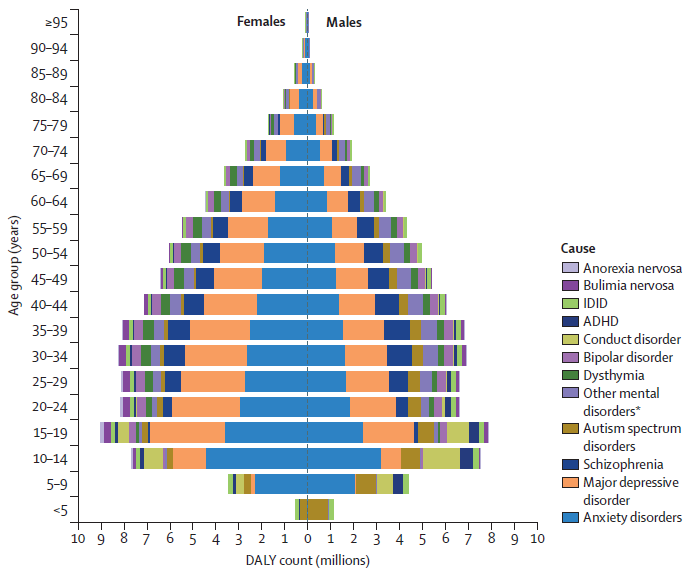
There are nearly 1.2 billion people living with mental health conditions worldwide, according to a new #GBD analysis.
Explore the research ➡️ https://t.co/R38rPUnI55 @IHME_UW
#ALS#Amiotrophic_Lateral_Schlerosis Deciphered Frontiers | Classical HLA class II associations with ALS in Kuwait reveal a DR7–DQ2.2 risk haplotype. https://t.co/RnSod7ggSs
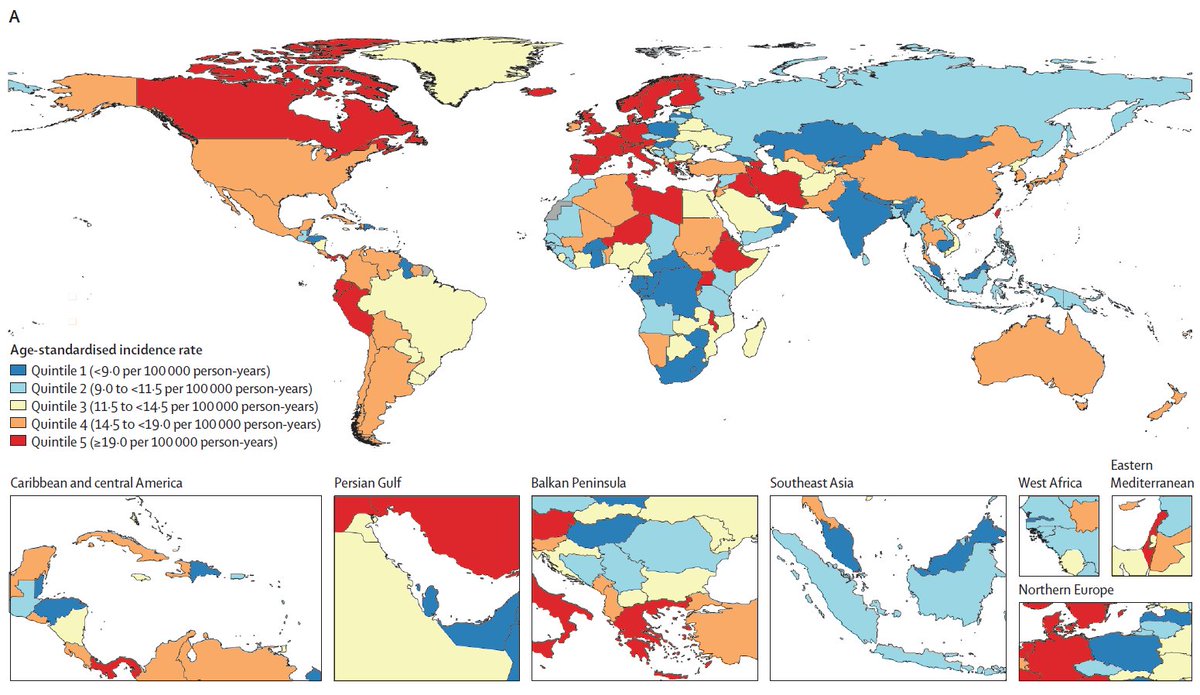
Information on childhood cancer burden is crucial for effective cancer policy planning.
A new #GBD study analysed the global burden of cancer in children and adolescents aged 0–19 years.
Explore the findings ➡️ https://t.co/Q6iraX7Krb @IHME_UW
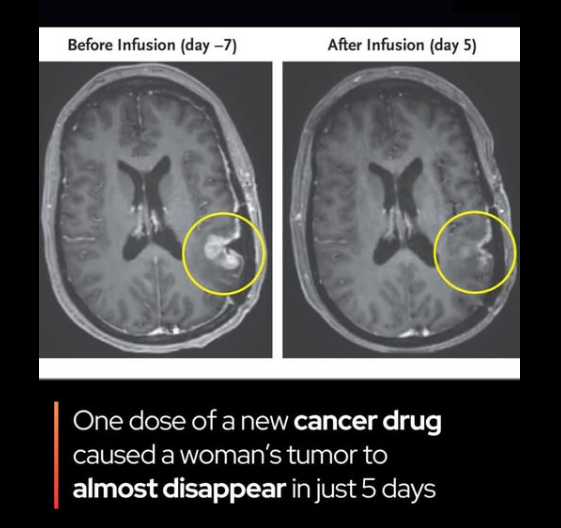
A single dose of a new cancer drug made a brain tumor almost disappear – in just five days.
Doctors at Massachusetts General Hospital reported “dramatic and rapid” tumor regression in the first patients treated with a next-generation form of CAR T-cell therapy for glioblastoma, one of the most aggressive brain cancers known.
The therapy, called CARv3-TEAM-E, was developed to overcome a major hurdle in treating solid tumors: their ability to hide from the immune system.
The personalized treatment reprograms a patient’s immune cells to attack the tumor, and in one extraordinary case, nearly eliminated the cancer within just five days. This novel therapy is designed to target multiple features of the tumor at once, a strategy that may help overcome the common challenge of treatment resistance in solid tumors like glioblastoma.
Although the tumors eventually returned, the early outcomes were described as unprecedented. One patient saw a 60% reduction in tumor size that lasted for half a year—an impressive result in a cancer known for its aggressiveness.
The trial’s success marks a major step forward for immunotherapy in brain cancer and raises new hopes for long-term control or even a cure. Researchers are now working to refine the treatment and extend its effects, with the ultimate goal of turning a once-terminal diagnosis into a survivable condition.
#GLP1#SEMAGLUTIDE#Ozempic#Mounjaro Understanding these variants is essential for advancing precision medicine, as inter-individual genetic differences can influence both therapeutic efficacy and susceptibility to adverse events. https://t.co/J3T2bwJJAX
Retraction—Today, we retract an unsigned 1977 commentary suggesting talc powder containing asbestos was not harmful. The Lancet was informed that the author had undisclosed competing interests and breached publication ethics. /4
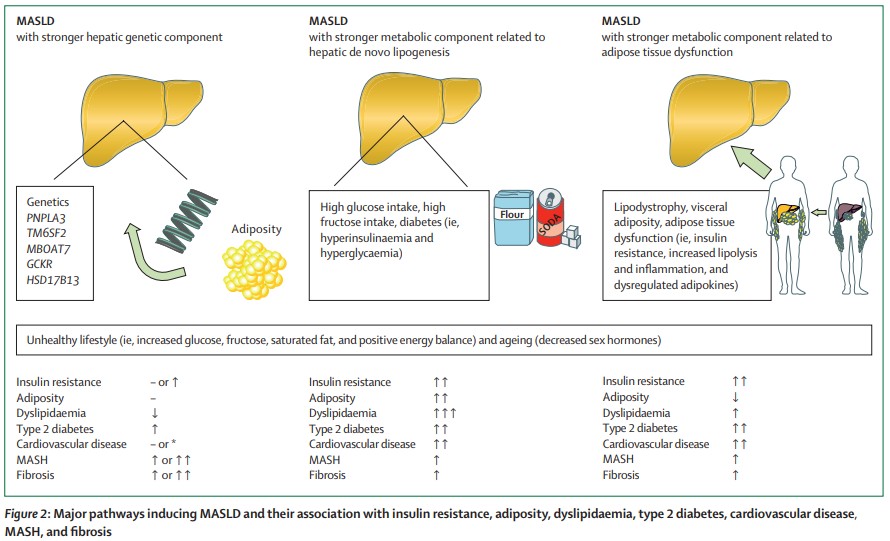
People with #MASLD can progress to cirrhosis and hepatocellular carcinoma and are at increased risk of developing type 2 #diabetes, #cardiovascular disease, chronic #kidney disease, and extrahepatic cancers https://t.co/uViLbyUHVf
#T2D#CVD#CKD#OpenAccess