15.2B US options contracts were traded last year.
Onchain, options still use separate markets, with their own liquidity.
Wick brings options to @Lighter_xyz EVM, using the same liquidity as spot trading.
And those positions earn swap fees too.
https://t.co/FsOv132RFD
Volatility can leave LPs with losses their trading fees don’t cover.
Wick monetizes that same volatility through dynamic fees + internal arb, returning more repricing value to LPs, including value from correlated markets.
We break down how it works below.
LPs earn 10–20% more on Wick than Uniswap.
How? Uniswap’s fee switch reduces what LPs earn, while external bots extract value from repricing.
Wick captures ~93% of repricing value at the fee barrier, then closes the remaining gap with internal arb, returning that $ to LPs.
LPing is usually hope you break even, then hope the market is kind.
Many DEX teams pivot to hooks while core infra like @Uniswap and @pancakefi take 12-34% of fees without paying enough for LPs to justify the risk.
So much to improve… @wick_xyz soon
Imagine you're trenching and @blknoiz06 or @theunipcs posts your bags. Chart rips. You're scrambling to pull liquidity before it dumps back through your range.
Never again with Wick. Set your limits beforehand. Sleep knowing you'll auto-sell the 10x.
Most DEXs make LPs pay for every price move.
Instead of letting bots extract, Wick captures most of the price move at the fee barrier, then internalizes the remaining arbitrage itself.
Liquidity should do more than sit in a pool.
With Wick:
→ Shape liquidity for limit orders & options
→ Set exits that stay filled
→ Earn more, lose less, w/ arbitrage returned to LPs
→ Share liquidity across tokenized stocks
Market making for real world finance. 🕯️
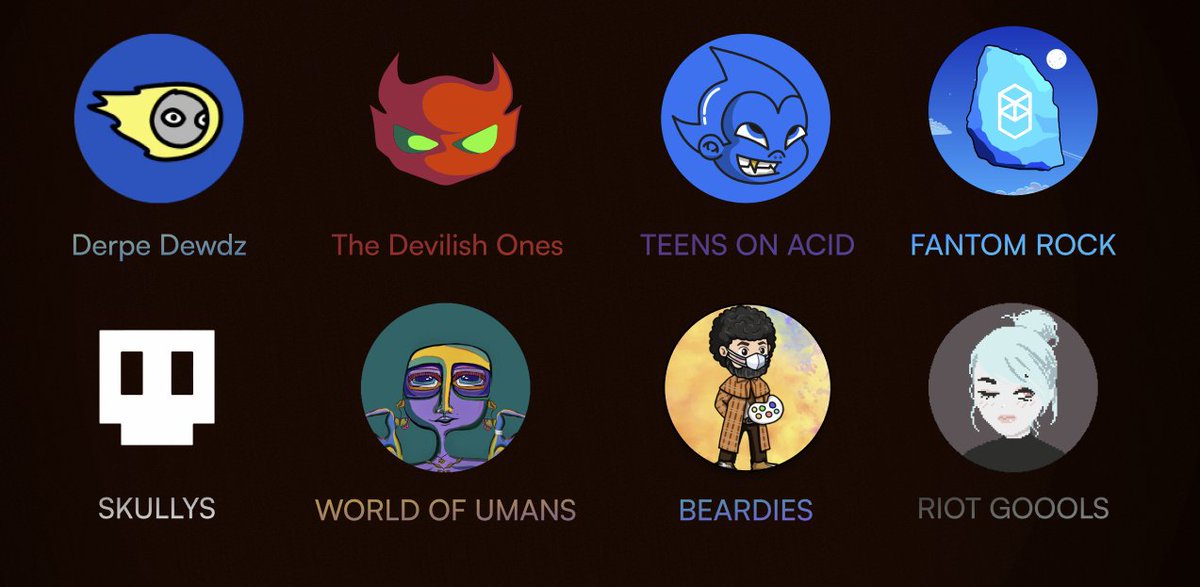
the next NFT whitelist spot goes to @FantomRock
fantom rock was one of the first $ftm NFTs
selling out in ~7 seconds back in 2021, each rock was 500FTM!